Imagínese invertir millones en un producto biológico que salva vidas sólo para degradarse porque estuvo en el refrigerador durante demasiado tiempo.. Gestión de la cadena de frío farmacéutica. mantiene las vacunas, productos biológicos y terapias celulares dentro de rangos de temperatura estrictos para que sigan siendo potentes cuando lleguen a usted. En 2025 Se espera que el mercado de cadenas de frío farmacéuticas crezca desde USD 6.4 mil millones en 2024 a USD 6.6 mil millones, impulsado por la creciente demanda de medicina personalizada y el escrutinio regulatorio. Esta guía utiliza un lenguaje sencillo., datos actualizados y ejemplos del mundo real para ayudarle a comprender, Evalúe y mejore su cadena de frío farmacéutica..

¿Por qué la gestión de la cadena de frío farmacéutica es esencial para la seguridad del paciente?? Explora la sensibilidad a la temperatura, riesgos de degradación y el deber ético de proteger los medicamentos.
¿Qué componentes construyen una cadena de frío farmacéutica eficaz?? Aprenda sobre el embalaje, almacenamiento, sistemas de transporte y seguimiento.
¿Cómo influyen las regulaciones y los requisitos de cumplimiento en su cadena de frío?? Entender el PIB, FDA and WHO guidelines.
¿Qué tecnologías están transformando las cadenas de frío farmacéuticas en 2025? Descubra los sensores de IoT, Análisis de IA, blockchain y congeladores criogénicos portátiles.
Qué desafíos quedan y cómo superarlos? Identificar obstáculos como fallas de equipos., Altos costos y problemas de última milla., con soluciones prácticas.
¿Cuáles son las últimas tendencias en logística de cadena de frío?? Revisar el crecimiento del mercado, sostenibilidad, visibilidad y productos emergentes.
¿Por qué la gestión de la cadena de frío farmacéutica es esencial para la seguridad del paciente??
Respuesta directa
La gestión eficaz de la cadena de frío farmacéutica protege la seguridad del paciente porque muchas terapias pierden potencia o se vuelven inseguras cuando se exponen a temperaturas fuera de su rango especificado.. Biológicos, Las vacunas y las terapias genéticas contienen proteínas y ácidos nucleicos delicados que se degradan cuando se calientan o enfrían demasiado.. Una única excursión de temperatura durante la fabricación., El almacenamiento o el transporte pueden hacer que un lote pierda su valor y poner en riesgo a los pacientes.. Manteniendo rangos de temperatura estrictos y proporcionando monitoreo en tiempo real, usted se asegura de que cada dosis que administra funcione según lo previsto y cumpla con los estándares regulatorios.
Explicación expandida
Quizás se pregunte por qué el control de la temperatura es tan importante. La mayoría de los medicamentos biológicos son grandes., Moléculas complejas que dependen de estructuras tridimensionales precisas.. El calor puede desnaturalizar estas proteínas., mientras que la congelación puede causar agregación o daños por cristales de hielo.. Por ejemplo, Las vacunas de ARNm requieren almacenamiento ultrafrío entre –80 °C y –60 °C, y algunas terapias génicas necesitan temperaturas criogénicas inferiores a –150 °C. Incluso los medicamentos de molécula pequeña pueden degradarse cuando se exponen a calor o humedad excesivos.. Sin una adecuada gestión de la cadena de frío, Estos productos pierden eficacia o se vuelven tóxicos., socavando la confianza del paciente y la salud pública. Invertir en control de temperatura no solo protege a los pacientes sino que también ahorra dinero al evitar costosas retiradas del mercado y desperdicios..
¿Qué rangos de temperatura requieren las diferentes terapias??
Las terapias varían ampliamente en sus necesidades de temperatura.. La siguiente tabla resume los rangos comunes y lo que significan para sus operaciones..
| Rango de temperatura | Terapias de ejemplo | Modos de envío | Importancia práctica |
| –150 °C y menos (criogénico) | Terapias genéticas, algunos tratamientos basados en células | Tanques de nitrógeno líquido, hielo seco | Requiere contenedores especializados y transporte rápido para evitar la descongelación.. Garantizar protocolos de manipulación y formación del personal porque los errores salen caros. |
| –80 °C a –60 °C (ultrafrío) | Vacunas de ARNm (p.ej., PfizerBioNTech) | Congeladores ultrafríos, transportistas de hielo seco | El monitoreo en tiempo real es esencial; utilizar sensores IoT para detectar desviaciones. |
| –20 ºC (congelado) | Vacunas modernas, algunos biológicos | Congeladores, cajas aisladas con bolsas de hielo | Se necesitan envases validados y una verificación constante de la temperatura.; El hielo seco no debe dañar el embalaje.. |
| 2 °C-8 °C (refrigerado) | La mayoría de las vacunas, anticuerpos monoclonales, insulina | Camiones frigoríficos, transportistas pasivos | Este es el rango más común.. El mantenimiento uniforme de la temperatura durante el almacenamiento y el transporte es fundamental. |
| 15 °C-25 °C (temperatura ambiente controlada) | Formulaciones orales, algunos inyectables | Cajas aisladas, contenedores estándar | Aún requiere seguimiento para evitar extremos, especialmente en climas cálidos. |
Consejos y consejos prácticos
Mapear el perfil térmico de cada producto: Documente los límites de temperatura específicos según los datos de estabilidad y los requisitos etiquetados.. Este paso informa la selección del embalaje y la planificación de rutas..
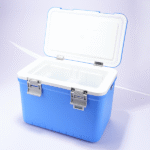
Elija contenedores validados: Utilice embalajes calificados diseñados para mantener la temperatura interna a pesar de las condiciones ambientales extremas.. Reutilizable cajas aisladas con paneles aislados al vacío reducen el desperdicio y el costo.
Plan de contingencias: Desarrollar procedimientos operativos estándar que cubran retrasos., cambios de ruta y cortes de energía. Incluye instrucciones para agregar hielo seco o transferir productos si las temperaturas cambian.
Caso del mundo real: Durante el lanzamiento mundial de la vacuna COVID19, Las vacunas de ARNm debían permanecer a –70 °C. Colocando registradores de datos con alertas en tiempo real dentro de contenedores, El personal notó un ligero aumento a –60 °C y añadió hielo seco para restaurar la temperatura adecuada.. La rápida respuesta salvó el envío y evitó una pérdida costosa..
¿Cuáles son los componentes de una cadena de frío farmacéutica eficaz??
Respuesta directa
Una robusta cadena de frío farmacéutica integra infraestructura especializada, embalaje validado, Monitoreo en tiempo real y personal capacitado para mantener la integridad de la temperatura durante toda la fabricación., almacenamiento y distribucion. Sin que estos componentes trabajen juntos, Incluso la mejor instalación de almacenamiento fallará si el envío se empaqueta incorrectamente o si no se controlan los datos..
Explicación expandida
Una cadena de frío farmacéutica es más que un frigorífico. Abarca toda la infraestructura, Equipos y procesos necesarios para proteger los productos sensibles a la temperatura desde la fábrica hasta el paciente.. Necesita salas de fabricación con temperatura controlada, almacenamiento en frío almacenes con sistemas de respaldo y laboratorios de control de calidad para mantener la integridad del producto. El equipo especializado incluye congeladores criogénicos., Sistemas de almacenamiento de nitrógeno líquido y mapeo de temperatura que garantizan condiciones uniformes.. Igualmente importantes son los procesos: Procedimientos operativos estándar para el manejo, embalaje, transporte y seguimiento; programas de formación para el personal; y documentación para auditorías. El monitoreo en tiempo real utiliza sensores de IoT y registradores de datos para capturar la temperatura, humedad y ubicación, permitiendo una intervención inmediata cuando se producen desviaciones.
¿Qué soluciones de embalaje se adaptan a diferentes rangos de temperatura??
Elegir el embalaje adecuado es fundamental porque influye directamente en la estabilidad de la temperatura.. Hay dos categorías principales.:
| Tipo de embalaje | Beneficios | Consideraciones | Cómo te ayuda |
| Contenedores pasivos | Ligero y rentable; adecuado para tránsito corto a medio. Las opciones reutilizables reducen el desperdicio. | Duración limitada; El rendimiento depende de las condiciones ambientales.. Requiere un preacondicionamiento adecuado de las bolsas de hielo y un embalaje cuidadoso.. | Ideal para envíos rutinarios en un plazo de 24 a 72 horas. Utilícelos cuando envíe vacunas o productos biológicos a distancias cortas.. |
| Contenedores activos | Proporcionar refrigeración o calefacción continua mediante sistemas eléctricos o hielo seco.; adecuado para envíos ultrafríos o de larga distancia. | Más caro y más pesado; Requieren fuentes de energía y mantenimiento.. | Elíjalos para productos biológicos de alto valor, vuelos de larga distancia o envíos susceptibles de sufrir retrasos. |
| Cajas aisladas reutilizables con materiales de cambio de fase. (PCM) | Combine paneles aislados al vacío y PCM para mantener temperaturas estables; Reducir el impacto ambiental. | Requiere limpieza y validación periódica.. El costo inicial es mayor, pero el valor de por vida es mayor. | Úselo para envíos ecológicos cuando necesite rendimiento y sostenibilidad consistentes. |
| Congeladores criogénicos portátiles | Mantener temperaturas ultrabajas (–80 °C a –150 °C) en entornos desafiantes. | Voluminoso y requiere energía o hielo seco.; alto gasto de capital. | Esencial para terapias celulares, genéticas y medicina personalizada en lugares remotos. |
Instalaciones de almacenamiento y gestión de inventario.
Las instalaciones de almacenamiento de cadena de frío deben mantener rangos de temperatura validados e incluir sistemas de respaldo.. Los almacenes necesitan zonas segregadas para diferentes requisitos de temperatura y sistemas avanzados de gestión de inventario para rastrear la ubicación., historial de temperatura y fechas de vencimiento. La automatización y la robótica pueden mejorar la precisión y reducir el error humano. Por ejemplo, un fabricante de productos biológicos implementó un sistema automatizado de almacenamiento en frío con recuperación robótica; Esto redujo el tiempo de manipulación del producto al 30 % y reducir las variaciones de temperatura durante la puesta en escena mediante 40 %, ahorrar dinero y mejorar el cumplimiento.
Consejos y consejos prácticos
Calibre los dispositivos de monitoreo regularmente: Mantener certificados de calibración para satisfacer las auditorías..
Emplear registro continuo de temperatura: Utilice alarmas y notificaciones automáticas para detectar desviaciones. La energía de respaldo garantiza que el equipo continúe durante los cortes.
Capacitar al personal: Enseñar procedimientos adecuados de carga y descarga para minimizar la exposición a la temperatura ambiente..
Caso del mundo real: Una cooperativa láctea de tamaño mediano instaló sensores IoT en camiones frigoríficos. Cuando los sensores detectaron un aumento de temperatura durante una ola de calor, Los conductores ajustaron la refrigeración y evitaron daños., reduciendo la pérdida de producto mediante 15 %. Aunque este caso involucra alimentos, Los mismos principios se aplican a los productos farmacéuticos..
¿Cómo influyen las regulaciones en la gestión de la cadena de frío farmacéutica??
Respuesta directa
Regulaciones como las Buenas Prácticas de Distribución de la OMS (PIB), Las directrices de la FDA y los estándares nacionales garantizan que cada paso de la cadena de frío farmacéutica mantenga la calidad del producto y la seguridad del paciente.. El cumplimiento protege a los pacientes, previene productos falsificados y lo mantiene preparado para las auditorías.
Explicación expandida
Los gobiernos y las organizaciones internacionales imponen requisitos estrictos para la gestión de la cadena de frío porque hay mucho en juego. Las directrices del PIB de la Organización Mundial de la Salud enfatizan la gestión de la calidad, locales y equipos adecuados, Documentación y prevención de falsificaciones.. Las instalaciones deben diseñarse para prevenir la contaminación y mantener el control de la temperatura.; Los vehículos deben ser apropiados para mercancías sensibles a la temperatura.. Directrices nacionales, como los emitidos por el Ministerio de Salud del Líbano, ampliar estos principios, insistiendo en que contenedores de transporte Estar calificado para soportar condiciones ambientales extremas y estar etiquetado claramente., p.ej., “No congelar”. Los reguladores también exigen documentación y mantenimiento de registros sólidos.. Por ejemplo, la FDA 21 Parte CFR 11 y las reglas del PIB requieren registros electrónicos y monitoreo en tiempo real. El incumplimiento puede resultar en envíos rechazados, retiradas del mercado o sanciones legales.
Marcos regulatorios clave y sus requisitos
| Estructura / Estándar | Requisitos clave | Cómo afecta su logística |
| Buenas prácticas de distribución de la OMS (PIB) | Sistema de gestión de calidad; instalaciones y equipos calificados; documentación; prevención de falsificaciones | Requiere registro continuo de temperatura, Calibración de equipos y capacitación exhaustiva.. Debe mantener la cadena de custodia y documentar cada paso.. |
| Guía de la cadena de frío de la FDA (21 Parte CFR 11) | Garantiza que la temperatura se mantenga dentro de los rangos especificados; exige el mantenimiento de registros electrónicos y sistemas de monitoreo confiables | El incumplimiento puede provocar envíos rechazados o retiradas de productos. Utilice sensores validados y alertas automatizadas para satisfacer estos requisitos. |
| Agencia Europea de Medicamentos (EMA) | Similar a las regulaciones de la FDA con estrictas especificaciones de temperatura para el transporte dentro de la UE | Requiere documentación transfronteriza, embalaje validado y cumplimiento del transporte local. |
| Buenas prácticas de fabricación (BPF) | Cubre las operaciones de fabricación., incluido el almacenamiento criogénico y el diseño de cámaras frigoríficas | Aplica procesos validados en todos los pasos de fabricación.. Debe mantener la coherencia desde la recepción de la materia prima hasta el llenado y acabado.. |
| Ley de modernización de la seguridad alimentaria (FSMA) Regla 204 | Exige que los alimentos de alto riesgo sean rastreables dentro de 24 horas; relevante porque muchos proveedores manejan alimentos y productos farmacéuticos. | Requiere sistemas interoperables que gestionen los requisitos alimentarios y farmacéuticos.. |
Consejos y consejos prácticos
Realizar entrenamiento regular: Asegúrese de que todo el personal comprenda los requisitos del GDP y las consecuencias del incumplimiento..
Validar rutas de embalaje y transporte.: Realizar la calificación de desempeño en las peores condiciones ambientales..
Mantener la documentación: Mantenga registros que respalden las afirmaciones de estabilidad y justifiquen la aceptación de variaciones menores de temperatura..
Caso del mundo real: Un programa nacional de salud pública digitalizó la documentación en toda su red de distribución de vacunas.. Los registros en tiempo real de temperatura y manipulación mejoraron el cumplimiento y redujeron la pérdida de producto al 25 %.
¿Qué tecnologías están transformando la gestión de la cadena de frío farmacéutica? 2025?
Respuesta directa
En 2025 La cadena de frío farmacéutica está siendo revolucionada por los sensores de IoT, análisis predictivo, cadena de bloques, automatización y embalaje sostenible. Estas tecnologías proporcionan visibilidad en tiempo real., toma de decisiones proactiva y mayor trazabilidad, ayudándote a prevenir excursiones, optimizar rutas y mejorar la sostenibilidad.
Explicación expandida
La innovación tecnológica es el aspecto más interesante de las cadenas de frío farmacéuticas modernas. El monitoreo de IoT en tiempo real reemplaza a los registradores de datos reactivos. Los sensores rastrean la temperatura, humedad y ubicación y enviar alertas cuando las condiciones se desvían. El análisis predictivo y la IA utilizan datos históricos y en vivo para pronosticar riesgos, como retrasos, fallas en el equipo e interrupciones climáticas. La tecnología Blockchain crea registros inmutables de datos de temperatura y eventos de cadena de custodia, proporcionando trazabilidad de extremo a extremo. La automatización y la robótica están mejorando el almacenamiento y la distribución en frío, mientras que los drones permiten la entrega de última milla en zonas remotas. Finalmente, Los congeladores criogénicos portátiles y los envases sostenibles permiten el transporte seguro de terapias celulares y soluciones ecológicas..
Monitoreo de IoT en tiempo real
Los sensores de IoT le brindan visibilidad continua. Los sensores transmiten datos a través de redes de baja potencia como las celulares, LoRaWAN o LTEM a plataformas en la nubei. Si las temperaturas se desvían de los umbrales seguros, Las alertas le permiten intervenir rápidamente.i. El monitoreo en tiempo real simplifica el cumplimiento al registrar datos automáticamente y generar informes listos para auditoríai. El seguimiento del último tramo garantiza que los medicamentos permanezcan dentro de las especificaciones hasta el momento de la entrega.i.
Beneficios de los sensores IoT en tiempo real
| Beneficio | Ejemplo | Lo que significa para su negocio |
| Prevención del deterioro | Las alertas en tiempo real desencadenan acciones correctivas (agregando hielo seco, redireccionamiento de envíos) antes de que los productos se dañen. | Evite la pérdida de producto y proteja la seguridad del paciente. |
| Cumplimiento regulatorio | El registro de datos automatizado cumple con la FDA 21 Parte CFR 11 y requisitos del PIB. | Reduce la carga administrativa y el estrés de las auditorías. |
| Seguridad de última milla | Los sensores monitorean las condiciones hasta el momento del traspaso.i. | Elimina puntos ciegos en la cadena de suministro y mejora la rendición de cuentas. |
| Mantenimiento predictivo & optimización de ruta | Los algoritmos de IA detectan patrones anormales y recomiendan rutas óptimas. | Reduce el tiempo de inactividad y garantiza entregas más rápidas. |
| Métricas de sostenibilidad | Los análisis integrados rastrean el uso de energía y las emisiones de carbono.. | Le ayuda a cumplir objetivos medioambientales y comunicar el progreso a las partes interesadas.. |
Análisis predictivo e IA
La IA aprovecha datos históricos y en tiempo real para predecir posibles interrupciones, como retrasos en el tráfico, picos de temperatura y fallas en el equipo. Puede sugerir rutas óptimas., programar el mantenimiento de las unidades de refrigeración e incluso ajustar las estrategias de embalaje. En un caso del mundo real, un distribuidor farmacéutico en el sudeste asiático utilizó la optimización de rutas asistida por IA. Combinando datos de GPS con previsiones meteorológicas, la empresa acortó las rutas de entrega 12 % y menor consumo de combustible.
Blockchain para la trazabilidad
Blockchain proporciona una inmutable, registro descentralizado de datos de temperatura y eventos de cadena de custodia. Los contratos inteligentes pueden automatizar las comprobaciones de cumplimiento y las condiciones de liberación; Por ejemplo, pueden garantizar que un envío solo se acepte si la temperatura se mantuvo dentro del rango. Blockchain es particularmente útil para productos de alto valor y envíos transfronterizos porque genera confianza entre múltiples partes interesadas..
Automatización, Robótica y Drones
La automatización está transformando el almacenamiento y la distribución en frío. Los recolectores robóticos y los vehículos guiados autónomos reducen la exposición humana a ambientes fríos y aceleran el procesamiento. Se están probando drones equipados con cargas útiles con temperatura controlada para entregas de última milla en ubicaciones remotas.. Estas innovaciones mejoran el acceso a los medicamentos en las zonas rurales y reducen los tiempos de entrega.
Congeladores criogénicos portátiles y embalajes sostenibles
Los congeladores criogénicos portátiles mantienen temperaturas tan bajas como –80 °C a –150 °C, incluso en entornos desafiantes. Proporcionan seguimiento de la temperatura en tiempo real y notificaciones de advertencia., salvaguardar productos ultrafríos como terapias celulares. Embalajes sostenibles, como los reciclables contenedores aislados y envolturas térmicas biodegradables: reducen el impacto ambiental y al mismo tiempo protegen los productos..
Consejos y consejos prácticos
Comience con plataformas escalables: Elija sistemas de IoT que admitan múltiples tipos de sensores y puedan crecer con sus operaciones.
Invierta en seguridad de datos: Asegúrese de que los proveedores utilicen cifrado, actualizaciones periódicas de firmware y controles de acceso.
Herramientas útiles para tomar decisiones
Comprueba los detalles antes de elegir el embalaje.
Estas herramientas rápidas pueden ayudarle a comparar el riesgo de la ruta, necesidades de dimensionamiento, opciones de refrigerante, y detalles del embalaje antes de solicitar una cotización.
Selector de embalaje
Compare las opciones de embalaje aislado por producto, ruta, y necesidad de temperatura.
encontrar embalajeResistencia a la caída del material aislante
Revise la resistencia a caídas y los factores de manipulación antes de elegir materiales aislantes..
Comprobar resistenciaRevestimiento de caja & Dimensionamiento de la cubierta de paleta
Lógica de tamaño de revestimiento de cajas y cubiertas de paletas para proyectos de embalaje aislado.
Estimar el tamañoUtilice la IA para respaldar las decisiones: Implemente análisis predictivos para pronosticar variaciones de temperatura y optimizar los programas de mantenimiento..
Caso del mundo real: Una empresa de biotecnología que envía terapias celulares utilizó sensores de IoT e inteligencia artificial para monitorear los envíos. Durante un retraso de tráfico, el sistema alertó al equipo, quien trasladó el envío a una camioneta con temperatura controlada y salvó un lote valorado en millones.
Qué desafíos y soluciones existen para mantener la integridad de la temperatura?
Respuesta directa
Las cadenas de frío farmacéuticas enfrentan desafíos como fallas en los equipos, brechas de infraestructura, aumento de los costos de energía, entrega compleja de última milla y cargas regulatorias; cada uno requiere soluciones específicas como el monitoreo de IoT, centros de microcumplimiento y formación.
Explicación expandida
Mantener los medicamentos dentro de los rangos de temperatura requeridos es más fácil de decir que de hacer. A menudo se producen variaciones de temperatura durante la carga y descarga., especialmente cuando se utiliza el registro manual o la infraestructura de última milla es inadecuada. Fallas de equipos, como cortes de energía o congeladores que funcionan mal, son otro riesgo importante. Los altos costos de energía y el suministro de electricidad poco confiable pueden hacer que el almacenamiento a temperaturas ultrabajas sea prohibitivamente costoso. Además, El transporte transfronterizo introduce complejidad a través de regulaciones variables y retrasos aduaneros.. Para superar estos desafíos, Las empresas están invirtiendo en tecnología criogénica portátil., centros de microcumplimiento, optimización de rutas y programas de entrenamiento.
Desafíos comunes y soluciones prácticas
| Rango de temperatura & Producto | Desafíos primarios | Soluciones prácticas & Beneficios |
| 2 °C-8 °C (vacunas, biológicos) | Riesgo de excursiones durante la carga/descarga; registro manual; infraestructura insuficiente de última milla | Utilice contenedores aislados y paquetes de gel.; implementar seguimiento en tiempo real; utilizar centros de microcumplimiento para la entrega de última milla; capacitar al personal sobre los procedimientos de manipulación. |
| –20 °C a –80 °C (vacunas congeladas) | Fallos de equipos y altos costos de energía.; complejidad del tránsito transfronterizo | Implementar camiones frigoríficos con sensores IoT; optimizar rutas para reducir el tiempo de tránsito; invertir en unidades de refrigeración energéticamente eficientes. |
| –80 °C a –150 °C (celúla & terapias génicas) | Las temperaturas ultrabajas requieren contenedores especializados; la infraestructura es cara | Utilice congeladores criogénicos portátiles con sensores integrados; elige dewars con seguimiento digital; planificar los envíos para minimizar la manipulación. |
Estrategias para mitigar los riesgos de temperatura
Implementar tecnología criogénica portátil: Los congeladores criogénicos portátiles garantizan el transporte seguro de terapias celulares y genéticas, mantener temperaturas ultrabajas incluso en áreas remotas.
Optimice rutas con IA: La optimización de rutas reduce el tiempo de viaje, Consumo de energía y riesgo de excursiones..
Integrar centros de microcumplimiento: Acorte las distancias de última milla organizando los envíos en centros de micrologística locales, reducir la exposición a las condiciones ambientales.
Entrena a tu equipo: Muchas excursiones son el resultado de errores humanos.; La capacitación regular permite al personal responder rápidamente cuando suenan las alarmas..
Caso del mundo real: Durante la pandemia, La distribución de vacunas de ARNm requirió temperaturas ultrabajas.. Las empresas implementaron congeladores y plataformas en la nube compatibles con IoT. Cuando los sensores detectaron desviaciones, Los equipos desviaron los camiones o repusieron hielo seco para mantener la potencia.. La experiencia aceleró la inversión en análisis predictivo e infraestructura digital en toda la cadena de frío farmacéutica..
2025 Tendencias y perspectivas del mercado en la gestión de la cadena de frío farmacéutica
Descripción general de la tendencia
Demanda de vacunas, Los productos biológicos y la medicina personalizada están impulsando un rápido crecimiento en las cadenas de frío farmacéuticas.. Se prevé que el mercado crezca desde USD 6.4 mil millones en 2024 a USD 6.6 mil millones en 2025 y USD 9.6 mil millones por 2035. Se pronostica que el sector de logística de la cadena de frío en general, incluidos alimentos y productos farmacéuticos, aumentará desde el dólar 293.58 mil millones en 2023 a USD 862.33 mil millones por 2032. Mientras tanto, Los sistemas de monitoreo en tiempo real y el análisis de IA se están convirtiendo en estándar., y la sostenibilidad es una prioridad cada vez mayor. Las empresas están formando asociaciones estratégicas para ampliar las redes y mejorar la resiliencia.
Últimos desarrollos de un vistazo
Cambios en el mercado: Los disturbios geopolíticos y los acontecimientos del cisne negro han puesto a prueba la capacidad logística, pero el sector de la cadena de frío ha demostrado resiliencia con el desarrollo de capacidades y la diversificación entre modos de transporte..
Mayor visibilidad: Las inversiones en software y plataformas digitales brindan visibilidad de extremo a extremo, permitiendo un flujo de datos ininterrumpido y monitoreo de temperatura.
Actualizaciones de sostenibilidad: La antigua infraestructura de almacenamiento en frío se está reemplazando por instalaciones energéticamente eficientes. Las regulaciones están eliminando gradualmente los refrigerantes con alto potencial de calentamiento global, Impulsar a las empresas a adoptar tecnologías respetuosas con el medio ambiente..
Productos emergentes: El auge de las terapias celulares y genéticas, Vacunas de origen vegetal y demandas de productos biológicos. Soluciones de cadena de frío adaptado a rangos ultrafríos y criogénicos.
Congeladores criogénicos portátiles: Los congeladores criogénicos portátiles conservan productos biológicos y terapias celulares entre –80 °C y –150 °C, permitir el transporte seguro a zonas remotas.
Almacenamiento en frío con energía solar: Las unidades de almacenamiento en frío alimentadas por energía solar reducen los costos de energía y proporcionan un control de temperatura sostenible en regiones con un suministro eléctrico poco confiable.
Optimización de rutas impulsada por IA: Los algoritmos de IA ajustan las rutas en tiempo real según el tráfico y el clima, Reducir el tiempo de tránsito y mejorar la confiabilidad..
Trazabilidad de la cadena de bloques: Los sistemas blockchain garantizan transparencia y registros a prueba de manipulaciones, mejorar el cumplimiento y la confianza.
Ideas del mercado
Se prevé que los ingresos del sector farmacéutico alcancen los dólares 1.454 billones por 2029, con una CAGR de 4.71 %. La creciente demanda de productos biológicos complejos y medicina personalizada está impulsando inversiones en tecnologías escalables., soluciones de cadena de frío compatibles. La resiliencia de la cadena de suministro sigue siendo una prioridad después de las interrupciones relacionadas con la pandemia; La diversificación de las estrategias logísticas y el fortalecimiento de las asociaciones están ayudando a las empresas a resistir crisis futuras..
Consejos prácticos y recomendaciones para mantenerse a la vanguardia
Realizar un análisis de brechas: Evalúe sus operaciones actuales de cadena de frío para identificar puntos débiles en el embalaje., almacenamiento, transporte y documentacion.
Validar el embalaje en las peores condiciones.: Confirmar que los contenedores y transportistas funcionan durante temperaturas extremas y retrasos..
Implementar monitoreo en tiempo real: Los sensores de IoT y las plataformas en la nube brindan visibilidad de extremo a extremo y control proactivo.
Invertir en sostenibilidad: Adoptar envases reutilizables, Refrigeración energéticamente eficiente y refrigerantes de bajo GWP para cumplir con los requisitos normativos y medioambientales..
Colabore con socios experimentados: Los especialistas externos en cadena de frío suelen tener equipos validados y alcance global., garantizar el cumplimiento y reducir el riesgo.
Preguntas frecuentes (Preguntas frecuentes)
Q1: ¿Qué es una excursión de temperatura en la gestión de la cadena de frío farmacéutica??
Una excursión de temperatura ocurre cuando un producto farmacéutico se expone a temperaturas fuera de su rango prescrito.. Pueden ser aceptables variaciones menores si están respaldadas por datos de estabilidad., pero las desviaciones significativas comprometen la calidad del producto.. Evalúe siempre las excursiones con su equipo de calidad y documente el resultado..
Q2: ¿Cómo decido entre embalaje pasivo y activo??
El embalaje pasivo es ligero y rentable, ideal para envíos hasta 72 horas. El embalaje activo ofrece refrigeración o calefacción continua, pero es más pesado y más caro.. Base su elección en la duración del envío, Sensibilidad del producto y condiciones ambientales..
Q3: ¿Por qué el monitoreo en tiempo real es mejor que los registradores de datos tradicionales??
Los registradores de datos tradicionales proporcionan información sólo después del tránsito, haciendo que sea demasiado tarde para actuar. Los sensores de IoT en tiempo real transmiten datos continuamente, Activar alertas cuando se produzcan desviaciones y facilitar la intervención inmediata., reducir el deterioro y garantizar el cumplimiento.
Q4: ¿Cómo pueden las operaciones de la cadena de frío volverse más sostenibles??
La sostenibilidad implica el uso de materiales reutilizables. materiales de embalaje, Refrigeración energéticamente eficiente y refrigerantes alternativos con bajo potencial de calentamiento global.. Congeladores criogénicos portátiles, El almacenamiento con energía solar y el aislamiento biodegradable ayudan a reducir el impacto ambiental..
Q5: ¿Cuáles son los documentos regulatorios comunes que necesito mantener??
Los reguladores exigen registros de temperatura, Manipulación y distribución para garantizar la trazabilidad.. Documentación electrónica bajo FDA 21 Parte CFR 11 y las directrices del PIB proporcionan pruebas de cumplimiento y facilitan las auditoríasi.
Resumen y recomendaciones
En 2025 gestión de la cadena de frío farmacéutica sigue siendo el guardián de la calidad de los medicamentos y la seguridad del paciente. Controlando las temperaturas desde la fabricación hasta la entrega del último kilómetro, proteges los productos biológicos delicados, Vacunas y terapias genéticas contra la degradación.. Una cadena de frío sólida requiere una infraestructura integrada, embalaje validado, Monitoreo en tiempo real y cumplimiento normativo.. Tecnologías emergentes como los sensores de IoT, AI, Los congeladores criogénicos portátiles y blockchain brindan visibilidad y poder predictivo sin precedentes. Desafíos como fallas en los equipos, Los altos costes y la compleja logística de última milla se pueden superar mediante la optimización de rutas., Centros de microcumplimiento y formación del personal.. Las tendencias del mercado apuntan a un rápido crecimiento, mayor sostenibilidad y mayor visibilidad.
Próximos pasos viables
Evalúe su cadena de frío actual: Realizar una auditoría exhaustiva de los controles de temperatura., documentación, entrenamiento y equipo. Identificar brechas y priorizar mejoras.
Implementar monitoreo en tiempo real: Implemente sensores de IoT y paneles de control en la nube para obtener visibilidad continua y alertas automatizadas.i.
Validar y actualizar el paquete: Seleccione soluciones de embalaje según la sensibilidad del producto y la duración del envío., y garantizar que estén calificados en las peores condiciones.
Entrena a tu equipo: Proporcionar educación continua sobre los procedimientos de manipulación., Requisitos reglamentarios y respuestas de emergencia..
Invertir en sostenibilidad: Elige contenedores reutilizables, Refrigeración energéticamente eficiente y refrigerantes de bajo GWP. Considere el almacenamiento con energía solar y el aislamiento biodegradable.
Colabora con expertos: Asóciese con proveedores experimentados de la cadena de frío y aproveche las tecnologías de IA y blockchain para optimizar rutas y trazabilidad..
Acerca de Tempk
Tempk es líder en soluciones de cadena de frío, Especializados en embalajes a temperatura controlada., Monitoreo en tiempo real y consultoría logística.. Diseñamos cajas aisladas con paneles aislados al vacío y materiales de cambio de fase., Desarrollar plataformas de monitoreo de IoT y asociarse con operadores para garantizar el cumplimiento de las regulaciones GDP y FDA.. Nuestras soluciones le ayudan a proteger la integridad del producto, reducir el desperdicio y agilizar las operaciones. Si necesitas transportistas pasivos para vacunas de rutina o congeladores criogénicos portátiles para terapias génicas, Tenemos la experiencia y la tecnología para apoyar su cadena de frío farmacéutica..
Llamado a la acción: Listo para mejorar su estrategia de cadena de frío? Póngase en contacto con los expertos de Tempk para una evaluación personalizada y descubra cómo nuestras soluciones innovadoras pueden optimizar su logística farmacéutica..