Elección de gel refrigerante reutilizable para el envío de helados en rutas reales, Productos reales, y proveedores reales
El gel refrigerante reutilizable puede ayudar en el envío de helados, pero los compradores mayoristas deberían tratarlo como una herramienta específica para cada carril., no es una respuesta universal. por muy corto, rutas estrictamente controladas puede ser suficiente; para carriles de paquetería más largos o entregas en temporadas cálidas, El helado a menudo necesita una protección congelada más agresiva que la que pueden proporcionar los paquetes de gel frío estándar..
Por eso los mejores compradores no preguntan sólo, «Qué fría está la manada?» Preguntan cómo se comporta el paquete después de la congelación, como encaja en la caja, cómo se protege el producto del contacto directo, y si el fabricante puede mantener tolerancias a lo largo del tiempo.. Esas preguntas importan más que un lenguaje de marketing amplio.
Una decisión sólida comienza con el contexto.. Necesitas saber la banda de temperatura requerida., la ventana de tránsito y permanencia más larga y realista, la sensibilidad del producto, y la forma en que su equipo ensamblará el transportista. Una vez que esos conceptos básicos estén claros, se vuelve mucho más fácil decidir si este formato es la respuesta correcta, si se necesita un refrigerante diferente, y qué tipo de soporte de proveedores es más importante.
Qué hace este formato de paquete en la práctica
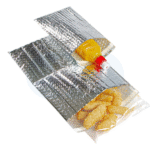
Un reutilizable paquete de refrigerante en gel o ladrillo usado junto embalaje aislado en el cumplimiento de helados y postres helados. Dependiendo del mercado, Los compradores pueden llamarlo gel refrigerante reutilizable., paquete de gel congelado, y helado paquete de refrigerante. La etiqueta cambia, pero el trabajo básico es el mismo: El paquete está preacondicionado en un congelador o cámara frigorífica., cargado alrededor de la carga útil, y se utiliza con aislamiento para ralentizar la transferencia de calor.. Para algunos programas es un componente desechable o unidireccional.. Para otros es parte de un bucle reutilizable..
El punto más importante es que este formato debe tratarse como un componente térmico., no como garantía de envío completa. Puede contribuir a la capacidad de frío y a la estabilidad de la temperatura., pero no reemplaza el aislamiento, colocación adecuada del paquete, planificación de ruta, o recibir cheques. Esa distinción importa en todos los sectores, de tarrinas de helado, pintas de helado, y barras novedosas para cargas más sensibles.
para helado, el mismo formato está bajo más estrés. Un envase que es aceptable para alimentos refrigerados puede ser demasiado débil para rutas de postres verdaderamente helados., especialmente en verano o en redes de parcelas con largos periodos de permanencia.
Cómo funciona realmente este formato
Todos los refrigerantes pasivos funcionan absorbiendo el calor del ambiente más cálido que los rodea.. Con sistemas comunes de gel a base de agua., Una gran parte del efecto protector proviene de la energía necesaria para calentar y derretir el paquete congelado.. La estructura de gel retiene el agua en su lugar, por lo que el paquete es más fácil de manejar que el hielo suelto., y en muchos diseños también ayuda a que el paquete mantenga contacto con la pared del transportador o alrededor del producto..
El rendimiento depende de algo más que el relleno en sí.. Espesor de la película o cubierta, superficie del paquete, temperatura inicial, masa de carga útil, espacio para la cabeza, tipo de aislamiento, y la exposición exterior todo importa. Una bolsa delgada y flexible puede envolver bien un producto pero calentarse más rápido si no hay suficiente masa total de refrigerante.. Un ladrillo rígido puede conservar mejor la estructura y la ubicación, pero también puede crear espacio no utilizado si no coincide con la geometría del cartón..
Aquí es también donde los compradores deben distinguir el gel ordinario a base de agua de los materiales de cambio de fase seleccionados para un rango de temperatura más estrecho.. El gel estándar a base de agua suele ser útil para la protección contra el frío porque se comporta alrededor del punto de congelación del agua.. Si un carril necesita un control más estricto por encima o por debajo de ese punto, un PCM diferente, hielo seco, o un sistema activo puede ser más apropiado. La respuesta correcta depende de los requisitos del producto., no en una preferencia genérica por un tipo de refrigerante.
Cuando tiene sentido y cuando no
Los casos de uso más sólidos son aquellos en los que el formato del refrigerante coincide con el modelo operativo.. En un programa mayorista estructurado, El gel refrigerante reutilizable para el envío de helados puede ser muy eficaz cuando los envíos siguen patrones de embalaje repetibles y cuando se comprende el perfil del producto.. Por eso los compradores suelen considerarlo para tarrinas de helado., pintas de helado, barras de novedad, y surtidos de postres helados.
No es igual de fuerte en todas las situaciones.. Donde los productos son extremadamente sensibles a la congelación, extremadamente sensible al calor, o sujeto a un largo tránsito incontrolado, El sistema de envasado puede necesitar controles más estrictos que los que puede ofrecer un enfoque estándar basado en gel.. Asimismo, un formato que funciona muy bien en contenedores retornables puede resultar ineficiente en cajas de paquetes unidireccionales, y un paquete que sea aceptable para una distribución urbana corta puede no sobrevivir a una red de varios días con una alta exposición al porche..
En la práctica, La mejor pregunta no es si el formato es “bueno” o “malo”. La pregunta correcta es si es adecuado para su ruta., tu carga útil, y tu disciplina de embalaje. Ése es el marco que evita tanto la sobrecompra como la subprotección.
Principales ventajas y compensaciones
La mayoría de los problemas de adquisiciones aparecen cuando los equipos se centran sólo en las ventajas. Una vista equilibrada es más útil porque la misma característica que ayuda a un programa puede perjudicar a otro.. La flexibilidad puede mejorar el contacto pero ralentizar el manejo de la línea. Un ladrillo rígido puede simplificar la colocación pero reducir el volumen de carga útil. La reutilización puede reducir los costos recurrentes pero crear trabajo de inspección.
- Beneficio: Los refrigerantes reutilizables pueden reducir el costo recurrente de los consumibles en circuitos cerrados o programas de entrega regionales..
- Beneficio: Comparado con el hielo suelto, Los sistemas de gel sellados reducen el agua de deshielo y simplifican la manipulación..
- Beneficio: Para cargas densas congeladas en carriles cortos, Los ladrillos de gel rígidos pueden proporcionar una protección superior y lateral estable.
- Beneficio: Algunas operaciones valoran la reutilización porque mejora la previsibilidad de la estación de empaque y reduce la eliminación desordenada..
- Límite: Los refrigerantes en gel estándar adoptan un perfil frío a medida que se derriten, que puede estar demasiado caliente para tomar un helado en carriles difíciles.
- Límite: Redes de paquetería, tiempo de permanencia en el porche, y la exposición al verano puede abrumar un paquete que de otro modo sería aceptable.
- Límite: El helado es muy sensible al ablandamiento y recongelación repetidos., tan pequeños fracasos importan.
- Límite: La logística de devolución de refrigerantes reutilizables no siempre es práctica en el cumplimiento directo al consumidor.
Esa lógica de compensación es lo que separa una decisión de compra de una estrategia de control de temperatura.. Los compradores que entienden a ambas partes suelen estandarizar más rápido y gastar menos dinero en pilotos fallidos..
Qué comparar antes de seleccionar un paquete
El proceso de selección debe comenzar con la ruta y la carga útil., no con catálogo de stock. Comience por definir la banda de temperatura objetivo, el tiempo más largo realista fuera del almacenamiento controlado, la temperatura de carga del producto, y las dimensiones interiores reales del transportista aislado. Sin esos básicos, Incluso una mochila técnicamente buena puede convertirse en una elección equivocada..
De eso, Los compradores suelen comparar la duración real de la ruta., exposición al clima, y tiempo de permanencia en la última milla, Densidad de carga útil y condición de precongelación del producto., Espesor del aislamiento y gestión del vapor/humedad., Economía de la reutilización en circuito cerrado versus distribución unidireccional, y si el refrigerante está destinado al servicio de refrigeración o al verdadero soporte de congelación.. También ayuda observar el sistema de embalaje más amplio.: ¿Cuánto espacio en el congelador se necesita para el preacondicionamiento?, si el paquete se puede contar y colocar de manera consistente, ¿Cuánta caja cúbica consume?, y si el peso del paquete resultante todavía tiene sentido comercial.
Una lista corta útil rara vez tiene más de dos o tres opciones.. Más allá de ese punto, Los equipos a menudo crean fatiga de comparación y pierden de vista las condiciones de la ruta que realmente determinan el éxito..
Por qué están cambiando las decisiones de abastecimiento
A lo largo de la cadena de frío y la distribución sensible a la temperatura, Los compradores están bajo presión para reducir el deterioro sin simplemente tirar más refrigerante en cada caja.. Costo de flete, uso de energía del almacén, mano de obra, y eliminación impulsan a los equipos de adquisiciones hacia diseños de embalaje que son más fáciles de estandarizar y de ajustar al tamaño correcto..
Por esa razón, La demanda se ha movido hacia una segmentación de productos más clara.: Paquetes flexibles para geometría irregular., ladrillos rígidos para diseños repetibles, y opciones PCM de temperatura más estrecha cuando los requisitos del producto las justifiquen. La reutilización también está ganando atención, pero no como una virtud independiente. Los compradores quieren reutilizar solo cuando funcione con su ciclo de recuperación real y no cree mano de obra oculta ni riesgos de calidad..
Herramientas útiles para tomar decisiones
Comprueba los detalles antes de elegir el embalaje.
Estas herramientas rápidas pueden ayudarle a comparar el riesgo de la ruta, necesidades de dimensionamiento, opciones de refrigerante, y detalles del embalaje antes de solicitar una cotización.
refrigerante & Referencia PCM
Compare las opciones de refrigerante y PCM cuando una ruta necesite soporte de temperatura adicional.
Comparar opcionesResistencia a la caída del material aislante
Revise la resistencia a caídas y los factores de manipulación antes de elegir materiales aislantes..
Comprobar resistenciaRevestimiento de caja & Dimensionamiento de la cubierta de paleta
Lógica de tamaño de revestimiento de cajas y cubiertas de paletas para proyectos de embalaje aislado.
Estimar el tamañoEn este contexto, La sostenibilidad no es sólo una cuestión de materiales.. También es una historia de prevención de residuos.. la reutilización puede reducir el desperdicio en programas de depósito a tienda o de entrega en ruta, El exceso de embalaje de los envíos congelados aumenta las emisiones del transporte., Así que el tamaño correcto es importante, y evitar que los desechos se derritan y se vuelvan a congelar a menudo tiene un beneficio ambiental mayor que una ganancia de material de embalaje angosto.. En muchos programas, La mejora medioambiental más significativa proviene de la reducción de la pérdida de producto y del embalaje excesivo al mismo tiempo..
Los detalles que deciden si el diseño funciona
Un refrigerante potente aún puede fallar en un flujo de trabajo débil. Los paquetes necesitan suficiente tiempo y el entorno adecuado para alcanzar su condición inicial prevista antes de su uso.. La carga útil también necesita a menudo un preenfriamiento. Si el producto entra al remitente caliente, El refrigerante se ve obligado a gastar su energía corrigiendo un problema de empaque en lugar de proteger el carril..
La ubicación es igual de importante. Muchas fallas provienen de problemas simples como demasiado espacio vacío., mala protección superior, Contacto directo donde se debería haber utilizado un separador., o recuento inconsistente del paquete entre turnos. Es por eso que los buenos equipos de operaciones escriben el paquete como una secuencia de construcción repetible en lugar de dejar la colocación al criterio personal..
Cuando los compradores prueban un nuevo formato, Deben documentar todo el flujo de trabajo, no solo el rendimiento de la temperatura.. Es hora de congelarse, facilidad de contar, demanda de cubos congeladores, carga laboral, y la consistencia del cierre de la caja afectan si el diseño puede escalar.
Límites de cumplimiento y lo que las pruebas realmente pueden decirle
Uno de los errores de compra más comunes es tratar la especificación de un refrigerante como si fuera una declaración de cumplimiento.. En realidad, El paquete es sólo un elemento dentro de un sistema de embalaje.. Para programas de alimentación, El sistema tiene que mantener el producto dentro de condiciones seguras de recepción.. Para líneas farmacéuticas y médicas, Los requisitos varían según el producto., ruta, y sistema de calidad, y es posible que se necesite una cualificación adicional.
Es por eso que el desarrollo térmico a menudo hace referencia a enfoques de prueba reconocidos, como ASTM D3103, para el rendimiento térmico de paquetes aislados., ASTM D4332 para acondicionamiento, y procedimientos térmicos de ISTA cuando las empresas comparan o refinan diseños de envío pasivo. Estos estándares no prueban automáticamente que su carril sea seguro. Lo que sí proporcionan es una forma estructurada de comparar el comportamiento del embalaje en condiciones definidas..
Para adquisiciones prácticas, la pregunta a hacer es simple: ¿Qué evidencia tenemos de que este refrigerante exacto, en este transportista exacto, con esta carga exacta, puede manejar nuestro carril realista? Esa pregunta es mucho más útil que las afirmaciones generales sobre cuántas horas puede permanecer fría una mochila en abstracto..
Cómo seleccionar proveedores antes de la aprobación masiva
Cuando la palabra clave incluye venta al por mayor, proveedor, o intención del fabricante, esta es la sección que más importa. Los buenos equipos de adquisiciones no se limitan a comparar un paquete de muestra en un banco. Preguntan si el proveedor puede reproducir el mismo rendimiento y ajuste físico después del primer palet, la décima paleta, y el inevitable cambio de temporada.
- Pídale al proveedor que distinga el desempeño del gel enfriado del desempeño del envío congelado..
- Revise si recomiendan hielo seco o PCM para sus carriles más largos o más calurosos.
- Verifique la durabilidad de la película o la carcasa, porque los paquetes congelados pueden agrietarse o perforarse si se manipulan con fuerza.
- Confirmar absorbente, transatlántico, y recomendaciones de gestión de la condensación para eventos de deshielo.
- Si quieres reutilizar, Pregunte cuántos ciclos son realistas antes de que aparezca la deriva dimensional o del sello..
- Solicite una prueba de verano en lugar de depender únicamente de demostraciones en cámaras frigoríficas.
- Finalmente, comprobar la idoneidad para la ruta real, producto, y condiciones de manejo.
El proveedor más fuerte suele ser el que reduce la incertidumbre.. Eso puede significar mejores tolerancias., guía de acondicionamiento más clara, trazabilidad más fuerte, o una discusión más honesta sobre dónde el paquete no es la respuesta correcta.
Errores frecuentes al comprar y utilizar este formato
La mayoría de las fallas no son defectos materiales dramáticos.. Son errores de proceso ordinarios que se agravan con el tiempo.. Lo útil de ellos es que normalmente se pueden arreglar una vez que se nombran claramente..
- Los envíos a finales de semana pueden atrapar cargas congeladas en los depósitos.
- El producto subcongelado inicia el viaje con muy poca reserva térmica.
- Los espacios dentro de la caja permiten que el aire caliente circule y acelera el ablandamiento.
- El contacto directo entre el hielo seco y el producto puede causar daños si no se separa correctamente.
- aprobar un pedido al por mayor después de una prueba de muestra que no reflejaba el envío real
- centrarse en el costo unitario ignorando el peso de la caja, cubo congelador, o impacto laboral
- asumir un peso nominal de refrigerante dice suficiente sobre el rendimiento de la ruta
- reutilizar paquetes sin inspección en un flujo de trabajo que realmente necesita revisión
- cambiar la geometría de la caja o la disposición de la carga útil sin volver a verificar el diseño térmico
- Tratar la sostenibilidad como un tema aparte en lugar de vincularla al deterioro., peso de carga, y logística de recuperación
- Evaluar a los proveedores basándose únicamente en la velocidad de las cotizaciones en lugar de en la continuidad del suministro y la comunicación de calidad.
Si un equipo puede eliminar incluso dos o tres de estos errores, Por lo general, mejora los resultados más rápido que cambiar a un producto más caro..
Preguntas frecuentes
¿Puede el gel reutilizable por sí solo mantener el helado congelado??
A veces en breve, carriles controlados con producto precongelado denso. Para rutas más difíciles, muchos compradores pasan al hielo seco, PCM, o paquetes híbridos.
Siempre es mejor reutilizar para la venta al por mayor.?
Sólo si puedes recuperarte, inspeccionar, y volver a congelar los refrigerantes de manera eficiente.
¿Qué debo probar primero??
Pruebe su carril más caliente y su carril más largo. Si el diseño falla allí, no está listo para escalar.
La breve conclusión para los compradores.
La mejor decisión de compra suele reducirse al ajuste. El gel refrigerante reutilizable para el envío de helados tiene sentido si se tiene en cuenta su comportamiento térmico, forma, manejo del flujo de trabajo, y el soporte del proveedor coinciden con la ruta y el producto reales. Se convierte en una mala elección cuando los equipos lo compran como un producto genérico y esperan que resuelva un problema de empaque por sí solo..
Acerca de Tempk
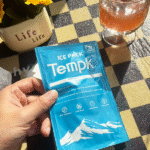
Proporcionamos embalaje de cadena de frío productos como bolsas de hielo en gel, ladrillos de hielo, bolsas aisladas, y soluciones de cartón aislado para envíos sensibles a la temperatura. Para postres helados, Podemos ayudar a los compradores a comparar formatos de gel reutilizables con otras opciones de cadena de frío para que el embalaje se adapte a la ruta en lugar de imponer una solución fría a un problema congelado..
Siguiente paso
Si vendes helados al por mayor., Construya su decisión sobre el refrigerante en función de la duración de la ruta, exposición de verano, y logística de recuperación, no sólo en torno al precio del paquete.