Seleccionando un 20 Proveedor de cajas de hielo para vacunas de un litro con evidencia
Un creíble 20 litro proveedor de cajas de hielo para vacunas debería poder convertir cinco entradas en una propuesta controlada: requisitos de temperatura del producto, dimensiones reales de la carga útil, exposición de ruta, recursos de preparación, y necesidades de documentación de calidad. “20 litros” es sólo una categoría inicial. La cifra decisiva es el espacio de carga útil después de instalar el refrigerante y los componentes de protección.. La reclamación de desempeño decisiva no es un número genérico de horas., pero evidencia ligada a la caja exacta, carga, refrigerante, perfil ambiental, y procedimiento operativo que pretende utilizar.
Comience con cinco aportes no negociables
Las comparaciones de proveedores se vuelven confusas cuando cada proveedor completa la información faltante con una suposición diferente. Emitir un resumen de solicitud común para que las propuestas compartan un límite.
Primero, indicar las condiciones de transporte aprobadas del producto. No asigne una cocina refrigerada genérica simplemente porque la carga útil es una vacuna.. Sensibilidad a la congelación, estabilidad, embalaje, y las reglas del programa pueden diferir según el producto.
Segundo, proporcionar detalles de carga útil. incluir el conteo, dimensiones externas del cartón, condición inicial, masa aproximada, límites de orientación, y si la cantidad varía. Tercero, mapear el carril. Nota duración total, transferencias, puesta en escena, tipos de vehículos, estaciones frías y calientes, y escenarios de retraso creíbles.
Cuatro, describir los recursos operativos. ¿Puede el personal congelarse?, refrigerar, o acondicionar el refrigerante bajo condiciones controladas.? ¿Hay espacio para organizar paquetes?? ¿Quién empaca y marca la caja?? Finalmente, identificar expectativas de evidencia y documentación. Estos pueden incluir un embalaje controlado, informe térmico, trazabilidad de componentes, notificación de cambio, y recibir registros.
| Aporte | Información mínima | ¿Por qué cambia el diseño? |
|---|---|---|
| Producto | Condiciones de temperatura y sensibilidad aprobadas. | Define los límites de aceptación y el riesgo de congelación/calor. |
| Carga útil | Tamaño del cartón, contar, masa, y variación | Determina la envolvente utilizable y la masa térmica. |
| Ruta | Duración, exposición ambiental, transferencias, retrasos | Establece el desafío que el sistema debe gestionar. |
| Operaciones | Equipo de acondicionamiento, mano de obra, puesta en escena, reutilizar | Determina si el paquete se puede ejecutar de manera confiable |
| Calidad | Prueba, archivos, trazabilidad, y necesidades de cambio | Define las pruebas requeridas para la aprobación. |
Este resumen de cinco aportes también expone cuándo se necesita una clase de producto diferente.. Si peso cargado, duración, o la geometría de la carga útil no es adecuada, alejándose de un valor nominal 20 L solicitar es mejor que forzar el envío.
Capacidad: Resolver la definición antes del dibujo.
Tres proveedores pueden cotizar un 20 Caja L con tres interpretaciones diferentes.. Se puede calcular la cavidad vacía.. Otro puede usar un nombre de modelo redondeado.. Un tercero puede referirse a una familia nominal.. Ninguno describe necesariamente el espacio para vacunas disponible después de los paquetes laterales., paquetes superiores, divisores, y un dispositivo de monitoreo están presentes.
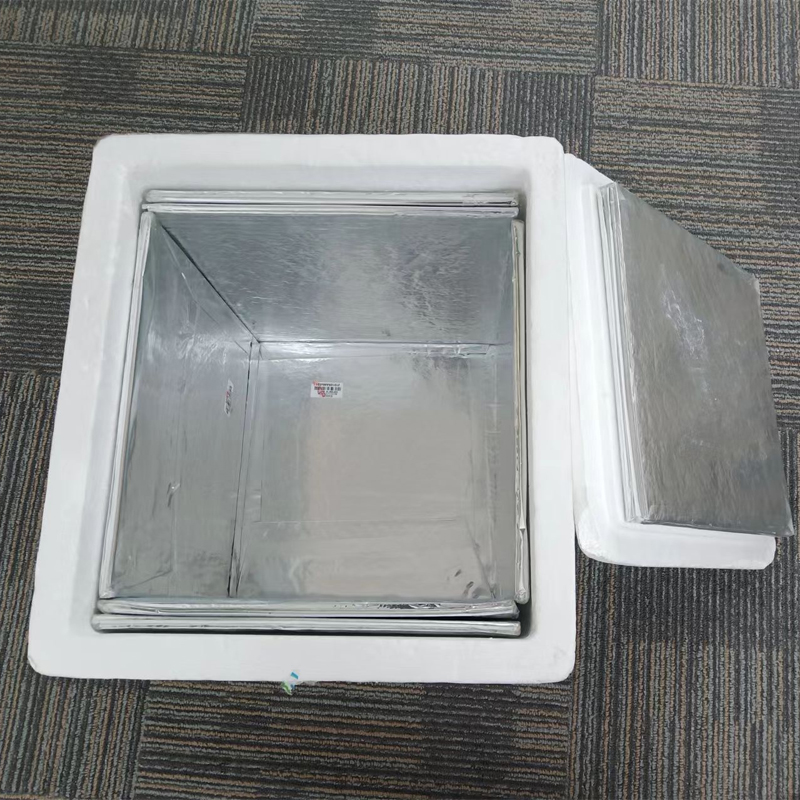
Solicitar dimensiones externas, contornos internos, y una envoltura de carga útil dimensionada para el paquete propuesto. Compruebe las paredes cónicas, esquinas redondeadas, huecos de la tapa, costillas, y hardware que sobresale. Luego realice una prueba de ajuste físico con cajas de cartón equivalentes a la producción.. La aritmética de volumen no puede mostrar si la orientación requerida de la caja deja libre la tapa o si el personal puede retirar una caja sin alterar el refrigerante..
La carga útil mínima es tan importante como la carga útil máxima. Una caja insuficientemente llena puede tener menos masa térmica y más aire libre que la disposición probada.. Si la cantidad del envío varía, preguntar si hay varios paquetes aprobados, cargas ficticias, o un formato más pequeño es más apropiado. Cualquier relleno debe ser compatible con el sistema y estar controlado en las instrucciones..
La masa total cargada completa la definición de capacidad.. Pesar la concha, aislamiento, refrigerante, carga útil, maderero, sellos, y documentos. Utilice ese resultado para el manejo manual., carga útil del vehículo, transporte, y planificación del almacenamiento.
Trace una línea entre las características del producto y la prueba térmica
Una carcasa robusta, aislamiento grueso, tapa apretada, y el refrigerante premium pueden ser útiles. Siguen siendo características de diseño hasta que se evalúa la configuración ensamblada.. La aprobación del producto debe mantener cuatro capas separadas:
Construcción de contenedores: caparazón, aislamiento, tapa, hardware, y geometría interna
Componentes térmicos: tipo de refrigerante, cantidad, condición, y colocación
Método de funcionamiento: preparación de carga útil, secuencia de carga, cierre, y reglas de apertura
Evidencia: protocolo y resultados bajo condiciones ambientales y de carga útiles definidas
Esta separación evita la exageración.. Una carcasa exterior de plástico no hace que la temperatura de la caja sea controlada.. El material VIP no califica una ruta. Un registrador de temperatura no protege el producto. Un estándar de prueba mencionado en un folleto no establece que la configuración ofrecida exacta cumpliera con los criterios de aceptación relevantes..
La OMS publica especificaciones de rendimiento y enfoques de pruebas de tipo para categorías definidas de cajas frías de vacunas. ISTA proporciona estándares y perfiles para evaluar embalajes de transporte térmico en entornos de paquetería. Estos pueden informar un programa., pero los requisitos dependen de la aplicación. Verificar si un producto figura formalmente en la lista o se prueba de forma independiente cuando ese estado sea importante. Si un proveedor utiliza un estándar como referencia, preguntar exactamente qué método, edición, perfil, configuración, y se aplica el resultado.
Lea un informe térmico como un registro de decisiones
El informe debe responder a tres preguntas.: que fue probado? ¿Bajo qué desafío?? que paso?
Para qué,”confirmar el modelo, materiales, revisiones de componentes, refrigerante, empacar, carga útil, posiciones del registrador y del sensor. Para “desafío,”revisar la temperatura ambiente versus el tiempo, preacondicionamiento, temperaturas iniciales, duración, aberturas, y cualquier simulación de manipulación. Por “aprobado,”identificar el rango de aceptación, el sensor o condición que gobernó el resultado, desviaciones, y aprobación.
No reduzca el informe a la duración del título.. Una prueba de 48 horas y un recorrido de 48 horas no son equivalentes simplemente porque los números coinciden. La exposición de la ruta puede comenzar antes del envío, incluir una rampa o retraso severo, y continuar durante la recepción. La carga útil de prueba también puede tener una masa térmica diferente.. Su proceso de calidad debe determinar cómo se aplica la evidencia y qué margen se necesita..
La ubicación del sensor merece un escrutinio. Pueden ocurrir puntos fríos cerca del refrigerante congelado; Pueden aparecer puntos cálidos cerca de una tapa o de un puente térmico.. Las lecturas de aire pueden responder de manera diferente a una carga que simula un producto.. El informe debe explicar por qué las ubicaciones representan el riesgo previsto.. La instrumentación calibrada y los registros de datos intactos respaldan la confianza, pero ningún diseño de sensor prueba ubicaciones no monitoreadas sin un diseño de estudio sólido.
Una secuencia de repaso práctica
- Haga coincidir cada componente probado con la lista de materiales ofrecida.
- Reconstruya el paquete a partir de las instrucciones..
- Compare la carga útil probada con las cargas mínima y máxima planificadas.
- Compare el perfil ambiental con el riesgo de ruta, incluyendo puesta en escena.
- Verifique la aceptación de frío y calor cuando sea relevante..
- Registrar las brechas como acciones, no suposiciones.
Variación del operador de diseño
El embalaje pasivo depende de las personas. Un diseño que sólo funciona cuando un experto ajusta cada paquete es difícil de escalar. El proveedor debe ayudar a crear una secuencia repetible con identidades claras de los componentes., condición de refrigerante definida, orden de carga, colocación, control de cierre, y tiempo máximo de preparación permitido, si corresponde.
Utilice componentes ajustados o señales visuales que reduzcan la ambigüedad.. Un paquete base no debe ser intercambiable con un espaciador lateral a menos que el diseño realmente lo permita.. Las instrucciones deben mostrar el estado final correcto., incluida la capa superior que los operadores a menudo olvidan. El recuento de componentes se puede registrar antes del cierre..
El acondicionamiento del refrigerante es una fuente importante de variación.. Temperatura del congelador, apilado de paquetes, carga de equipos, y el tiempo fuera del almacenamiento controlado puede afectar la condición. Las instrucciones deben especificar un estado objetivo o un procedimiento validado apropiado para el refrigerante.. Para vacunas sensibles a la congelación, el paquete debe controlar el contacto directo y el riesgo local de resfriado en lugar de depender de la precaución general.
Imagine dos turnos de almacén usando la misma caja. Un turno organiza cada componente en orden y cierra la tapa inmediatamente; el otro lleva refrigerante al banco temprano y busca espaciadores faltantes mientras la caja permanece abierta. Incluso si ambos usan las piezas correctas, las condiciones iniciales difieren. Un paquete equipado, lista de verificación previa al uso, y el límite de estadificación puede reducir esa variación.
Monitoreo y respuesta a excursiones
El monitoreo es la capa de evidencia durante el envío. Seleccione un registrador según el producto y el proceso.: rango de medición apropiado, exactitud, estado de calibración, intervalo, duración, lógica de alarma, acceso a datos, y retención de registros. Verifique parámetros específicos de la documentación actual del dispositivo en lugar de asumir que todos los registradores farmacéuticos son intercambiables.
Herramientas útiles para tomar decisiones
Comprueba los detalles antes de elegir el embalaje.
Estas herramientas rápidas pueden ayudarle a comparar el riesgo de la ruta, necesidades de dimensionamiento, opciones de refrigerante, y detalles del embalaje antes de solicitar una cotización.
Calculadora de bolsa de hielo
Estimación de la cantidad de bolsas de hielo en gel para envíos refrigerados y planificación práctica de rutas.
Estimar las bolsas de hieloReferencia del material aislante
Compare opciones de materiales aislantes para diferentes necesidades de embalaje de la cadena de frío.
Comparar materialesSelector de embalaje
Compare las opciones de embalaje aislado por producto, ruta, y necesidad de temperatura.
encontrar embalajeColoque el sensor de acuerdo con el fundamento de calificación.. Evite la colocación casual junto a un paquete congelado, en un rincón vacío, o directamente debajo de la tapa a menos que ese punto sea monitoreado intencionalmente. Capacite al personal de recepción para detener y recuperar el registro sin perder la información de custodia..
Una alarma no es una decisión automática de liberación o descarte.. Definir quién revisa el historial de tiempo-temperatura., qué información de respaldo del envío se recopila, donde se mantiene el producto durante la evaluación, y quién tiene autoridad para disponer. El proveedor del embalaje podrá explicar la caja y la prueba., pero las decisiones sobre la estabilidad del producto pertenecen a las funciones responsables de calidad y salud..
La aprobación de producción es parte del control térmico
Después de la calificación, El proveedor debe fabricar repetidamente el diseño aprobado.. Crear una especificación que identifique los materiales críticos., dimensiones, interfaces de componentes, características del refrigerante, y controles funcionales. Vincular la especificación a una muestra de referencia controlada y a dibujos actuales..
Los cambios potencialmente significativos incluyen resina o colorante., formulación o densidad de la espuma, proveedor de aislamiento, geometría vip, adhesivo, empaquetadora, película de refrigerante o relleno, herramienta de moldeo, y lugar de producción. No todo cambio requiere un nuevo estudio térmico, pero cada uno debe pasar una evaluación de impacto documentada.. Acuerde las reglas de notificación antes de realizar el pedido.
La inspección receptora debe verificar la identidad y la condición visible., No intentar repetir la calificación en cada unidad.. Los controles apropiados pueden incluir el marcado del modelo., recuento de componentes, dimensiones, función de tapa o pestillo, condición de la junta, calidad del sello del refrigerante, precisión de la etiqueta, y daños en el envío. Identificar fallas y vincularlas con acciones correctivas del proveedor..
Para unidades reutilizables, La inspección continúa después de cada devolución según el riesgo.. Grietas, pandeo, aislamiento dañado, olores, contaminación, componentes faltantes, o un cierre poco fiable puede provocar la limpieza, reparar, investigación, o jubilación. Establece reglas antes de que se acumulen cajas en el almacén.
Compare el costo total con la misma configuración
La comparación de precios debería comenzar solo después de la normalización de la configuración.. Identificar si cada cita incluye el shell, aislamiento, refrigerante, juego de espaciadores, divisores, accesorios registradores, sellos, obra de arte, cartón de exportación, documentos tecnicos, y repuestos. Herramientas separadas, trabajo de muestra, pruebas, y flete.
Para distribución unidireccional, calcular el costo de aterrizaje y el flete dimensional, luego contabilizar la mano de obra de embalaje y las obligaciones de eliminación. Para reutilizar, costo del modelo por ciclo completado exitosamente, incluido el transporte inverso, limpieza, inspección, almacenamiento, seguimiento, pérdida, daño, y reemplazo. Evite tratar una afirmación de reutilización máxima no verificada como un hecho financiero.
Las comparaciones de sostenibilidad requieren la misma disciplina. Considere el aporte de materiales, carga en ambas direcciones, limpieza, vida útil, pérdida, y rutas al final de su vida útil. Una caja reutilizable puede caber en un circuito cerrado denso; un transportista de uso limitado del tamaño adecuado puede adaptarse a un carril unidireccional remoto. Elija según los límites del sistema y respalde las afirmaciones públicas con evidencia.
Lista corta de proveedores: Diez preguntas decisivas
¿Cómo es el 20 L capacidad definida?
¿Cuál es el sobre de carga útil utilizable exacto en el paquete propuesto??
¿Qué condiciones de temperatura del producto y supuestos de ruta guiaron el diseño??
que refrigerante, proceso de acondicionamiento, y el método de separación se especifican?
¿Qué informe admite la configuración ofrecida exacta??
¿Qué perfil ambiental, carga útil, sensores, y se utilizaron criterios de aceptación?
¿Cómo se controlan los materiales críticos y los procesos de producción??
¿Qué cambios activan la notificación al cliente??
¿Qué documentos y muestras se entregan con aprobación??
¿Cómo se inspeccionan las unidades reutilizables?, limpiado, reparado, y jubilado?
Estas preguntas favorecen a los proveedores transparentes sin exigir certezas sin fundamento. Un proveedor que identifica una falta de datos y propone una prueba suele ser más seguro que uno que afirma que todas las rutas ya están cubiertas..
Preguntas frecuentes
¿El espacio utilizable para la vacuna es siempre menor que el 20 litros?
A menudo es más pequeña que la cavidad vacía indicada porque el refrigerante, espaciadores, y los divisores ocupan espacio, pero las definiciones varían. Algunos modelos utilizan 20 L solo como categoría. Pregunte por el método de medición del proveedor y un sobre de carga útil dimensionado.. Confirme el ajuste utilizando cajas reales y el paquete completo propuesto.
¿Qué aislamiento es mejor para una nevera para vacunas??
Ningún material es universalmente mejor. PPE, construcciones de plástico con núcleo de espuma, y los sistemas mejorados VIP ofrecen diferentes equilibrios de resistencia térmica, espesor de pared, durabilidad, sensibilidad al daño, peso, y costo. Evaluar la configuración terminada, controles de producción, ruta, y probar evidencia en lugar de elegir solo por el nombre del material.
¿Puede un paquete funcionar en verano e invierno??
Probablemente, pero no se debe suponer. Las exposiciones al calor y al frío pueden crear diferentes riesgos de falla, incluyendo sobrecalentamiento y sobreenfriamiento. Revisar la evidencia para el rango estacional previsto. Algunos programas utilizan paquetes estacionales; otros admiten una configuración en condiciones definidas. La decisión debe seguir los datos de las pruebas y la evaluación de la ruta..
¿Qué sucede si la cantidad de carga útil cambia??
Cambiar la cantidad de carga útil puede alterar la masa térmica, flujo de aire, y relaciones entre refrigerante y producto. Use solo un rango de carga útil respaldado por la evaluación. Si las cargas parciales son rutinarias, desarrollar un acuerdo aprobado utilizando un sistema más pequeño justificado, relleno controlado, o embalaje alternativo en lugar de permitir que los operadores improvisen.
¿La referencia de la OMS o la ISTA garantiza la aceptación??
No. Una referencia puede describir un método., perfil, o categoría de producto, pero la aceptación depende de completar los requisitos aplicables y hacer coincidir el producto probado con el uso previsto.. Verificar el listado exacto o las afirmaciones de certificación cuando sea necesario, revisar el informe, y confirmar cualquier licitación local, regulador, u obligaciones del sistema de calidad.
Conclusión
A 20 El proveedor de cajas de hielo para vacunas de un litro debe seleccionarse mediante una cadena de pruebas., no es una comparación de catálogo. Definir el producto, carga útil, ruta, operaciones, y documentación primero. Resuelva el volumen utilizable y la masa cargada.. Evalúe el aislamiento y el refrigerante dentro del paquete completo.. Lea los informes térmicos frente al riesgo real del carril, Luego controle la construcción calificada a través de la producción., recepción, y reutilizar. Normalice la configuración antes de comparar costos. Este marco proporciona adquisiciones, logística, y equipos de calidad una base común para la aprobación.
Acerca de Tempk
Tempk, parte de Shanghai Tempk, ofertas embalaje de cadena de frío categorías que incluyen refrigeradores médicos, Formatos del PPE, Soluciones aisladas relacionadas con VIP, cajas de plastico, y opciones de refrigerante. Estas categorías brindan opciones de diseño para diferentes cargas útiles., manejo, y necesidades de ruta; no eliminan la necesidad de una revisión específica de la configuración. Una consulta productiva describe la condición prevista del producto., geometría de carga útil real, desafío ambiental, recursos operativos, y evidencia requerida para que la dirección del empaque disponible pueda evaluarse con límites claros.
Comuníquese con Tempk con el resumen de su ruta y el diseño de la carga útil para analizar opciones de muestra, componentes de embalaje, y la documentación necesaria para el siguiente paso de evaluación.