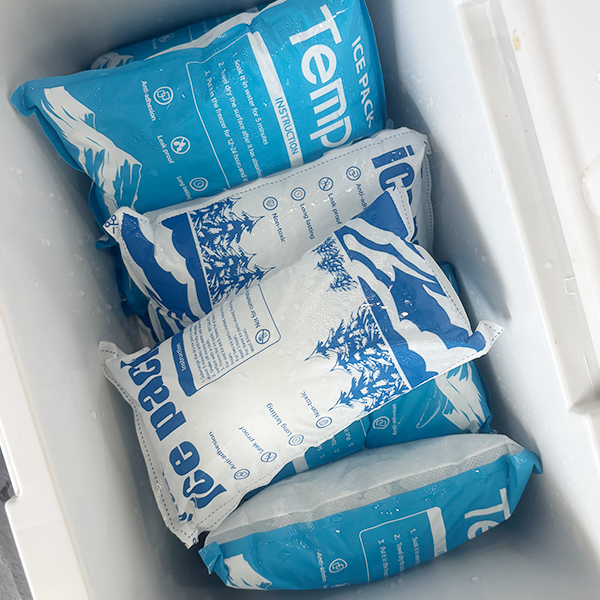
Cinco puertas para un proveedor de paquete de hielo seco para logística farmacéutica
Antes de aprobar un proveedor bolsa de hielo seco para logística farmacéutica, pasar el componente propuesto a través de cinco puertas: identidad, requisito del producto, evidencia de embalaje, reproducibilidad operativa, y control del ciclo de vida. La primera puerta evita un peligroso error de denominación.. La bolsa de hielo seco de hidratación de Tempk es una lámina refrigerante congelada activada por agua.; No es dióxido de carbono sólido ni hielo seco UN1845.. Las otras puertas evitan un error técnico igualmente importante.: Tratar un componente del refrigerante como si fuera un completo., sistema de envío universalmente calificado. La aprobación debe estar asociada a una configuración exacta y un proceso controlado para un medicamento y una ruta definidos..
Puerta uno: Establezca la identidad exacta del refrigerante
Nombres como bolsa de hielo seco., manta de hielo, hoja de gel, y el paquete de cambio de fase se utilizan de manera inconsistente en todo el mercado. Un registro de adquisiciones necesita más precisión. Identificar el producto por código, revisión, construcción, diseño de celda, dimensiones, método de activación, estado de acondicionamiento previsto, y método de manipulación aprobado por el proveedor.
Para una lámina de hidratación Tempk, Se agrega agua antes de congelar.. Eso lo distingue de un precargado. paquete de gel, una placa PCM rígida, y dióxido de carbono. Cada alternativa plantea diferentes exigencias de almacenamiento., preparación, geometría de embalaje, y personal. El dióxido de carbono también introduce peligros y controles de transporte que no deberían transferirse a una hoja sin CO2 simplemente por tener un nombre similar..
Lo contrario es igual de importante. No se debe suponer que un refrigerante sin CO2 replica la temperatura o el comportamiento de sublimación del hielo seco sólido.. No adquiere rendimiento congelado del término comercial.. Cualquier rango de temperatura y duración requeridos deben mostrarse en el paquete aislado propuesto..
Escriba la identidad en las especificaciones y los materiales de capacitación.. si un transportista, envasador, revisor de calidad, o el receptor podría razonablemente confundir el componente con dióxido de carbono., mejorar la redacción. Una identidad clara favorece el manejo correcto, declaraciones precisas, evaluación de riesgos útil, y comparación significativa entre proveedores.
Puerta dos: Convierta Medicine y Lane en un informe comprobable
El refrigerante no puede definir el objetivo.. Comience con la información del producto aprobado y los requisitos de calidad de la organización.. Documente los límites de temperatura aceptables., presentación del producto, sensibilidad a la congelación u otras condiciones ambientales, rango de carga útil, y cualquier proceso de excursión justificado.
Luego mapea el carril. Una ruta supera el tiempo de tránsito programado. Incluir puesta en escena del almacén, cargando, colección local, centros, Manejo aeroportuario o fronterizo., aduanas, entrega final, y recibo. Considere las estaciones cálidas y frías cuando sea relevante.. Identificar interrupciones creíbles y el retraso máximo que se espera que cubra el diseño del empaque.. La contingencia ilimitada no es una condición de prueba; es una señal de que los controles operativos también necesitan mejorar.
El resultado debería ser un requisito de envío que los ingenieros y proveedores puedan interpretar de la misma manera.. Como minimo, debería responder:
¿Qué límites exactos de producto rigen el envío??
¿Cuáles son las presentaciones de carga útil mínima y máxima??
¿Qué cartón exterior y aislamiento están fijos?, y cuales siguen siendo candidatos?
¿Qué condiciones iniciales se aplican al medicamento?, refrigerante, y transportista?
¿Qué exposiciones ambientales representan el entorno de distribución previsto??
¿Dónde están los probables puntos fríos y calientes??
¿Cómo se controlarán las temperaturas y se evaluarán las excursiones??
¿Qué pasos deben ser factibles en cada lugar de embalaje??
Evite el uso predeterminado de una banda de temperatura farmacéutica familiar. Muchos medicamentos utilizan condiciones comunes etiquetadas., pero ninguna banda única se aplica a todos los productos. Las buenas prácticas de distribución se centran en mantener las condiciones autorizadas para el medicamento concreto.
Puerta tres: Exija evidencia para el sistema completo
Una sábana de hidratación absorbe calor a medida que el agua congelada se calienta y se derrite.. El aislamiento ralentiza la transferencia de calor. La carga útil añade masa térmica.. Brechas, costuras, puntos de contacto, y gradientes de temperatura en forma de espacio de cabeza. Ninguno de esos elementos funciona de forma independiente en una parcela real..
Este comportamiento del sistema crea dos direcciones de falla.. Un enfriamiento insuficiente o una entrada excesiva de calor pueden elevar la temperatura del producto.. Contacto directo, refrigerante sobrellenado, o un estado de acondicionamiento inadecuado puede hacer que la posición de un producto local esté por debajo de su límite inferior. La carga de refrigerante más fuerte no es necesariamente la más segura.
Solicite suficiente contexto para interpretar cualquier afirmación térmica.:
Producto y cantidad exactos de refrigerante.;
método de hidratación y acondicionamiento;
material aislante y construcción completa de contenedores;
tipo de carga útil, masa, acuerdo, y temperatura inicial;
perfil de temperatura ambiente y duración;
tipo de sonda, calibración, colocación, y apego;
temperatura del producto o del aire medida;
criterios de aceptación predefinidos;
Herramientas útiles para tomar decisiones
Comprueba los detalles antes de elegir el embalaje.
Estas herramientas rápidas pueden ayudarle a comparar el riesgo de la ruta, necesidades de dimensionamiento, opciones de refrigerante, y detalles del embalaje antes de solicitar una cotización.
Resistencia a la caída del material aislante
Revise la resistencia a caídas y los factores de manipulación antes de elegir materiales aislantes..
Comprobar resistenciaCalculadora de hielo seco
Calcule las necesidades de hielo seco para envíos congelados o ultrafríos antes de empacar.
Estimar hielo secoRevestimiento de caja & Dimensionamiento de la cubierta de paleta
Lógica de tamaño de revestimiento de cajas y cubiertas de paletas para proyectos de embalaje aislado.
Estimar el tamañodesviaciones y resultados completos, no sólo un gráfico resumen.
La guía de la OMS trata un sistema de envío pasivo como una combinación de material aislado y medios estabilizadores de temperatura y enfatiza la calificación de ambos. contenedor de envío y ruta. De manera similar, las buenas prácticas de distribución de la UE esperan que las condiciones definidas del producto se mantengan durante el transporte y utilizan la evaluación de riesgos en ruta para determinar los controles apropiados.. Los perfiles térmicos ISTA y los métodos de prueba de paquetes ASTM pueden proporcionar marcos legítimos, pero sus nombres nunca deben reemplazar una revisión de la prueba real.
Utilice un libro de decisiones
| Puerta de decisión | Señal verde | señal de precaución | señal de parada |
|---|---|---|---|
| Identidad | Se controla el producto exacto y la revisión. | Apellido genérico utilizado en la discusión inicial | Se confunden dióxido de carbono y hoja de hidratación |
| Producto y carril | Los límites aprobados y el perfil de ruta creíble están documentados. | Algunos datos de transferencia o carga útil permanecen abiertos | Se supone un objetivo de temperatura genérico |
| Evidencia térmica | El paquete exacto pasa una aprobación, protocolo relevante | El informe del proveedor solo respalda el desarrollo | El tiempo de espera se reclama sin contexto de prueba |
| Operaciones | Los sitios pueden reproducir la activación., acondicionamiento, embalaje, y monitoreo | El piloto revela brechas de capacitación manejables | No se requiere capacidad de proceso o congelador |
| Ciclo vital | Trazabilidad del lote, revisión de cambios, continuidad, y se controlan las desviaciones | Los acuerdos aún se están completando | Se acepta sustitución silenciosa o stock imposible de rastrear. |
El libro mayor hace visible la incertidumbre. Una señal de precaución no es automáticamente un rechazo.; es un estímulo para el desarrollo o evidencia adicional. Una señal de parada identifica una idea errónea o una falla de control que debe corregirse antes de que el precio, volumen, o el cronograma impulsa el proyecto hacia adelante.
Puerta cuatro: Demostrar que las operaciones pueden reproducir el paquete
El éxito del laboratorio puede verse socavado en la mesa de embalaje. Las hojas de hidratación crean pasos de proceso específicos: almacenamiento en seco, activación con agua, drenaje, acondicionamiento del congelador, gestión de inventario preparado, inspección, colocación, y eliminación o reutilización controlada. Cada paso debe ser factible bajo un rendimiento normal..
Ejecute un piloto con un representante de producción antes de ampliarlo. Utilice los operadores previstos, congeladores, bastidores, estaciones de hidratación, instrucciones de trabajo, cajas de productos, loggers, y áreas de preparación. Mira lo que realmente sucede. ¿Las hojas se pegan en el congelador?? ¿Las células se expanden en el espacio reservado para la carga útil?? ¿Puede el personal ver cuando la hidratación es desigual?? ¿Existe un lugar controlado para el drenaje?? ¿Cuánto tiempo permanecen expuestas las hojas acondicionadas mientras un paquete espera por un artículo faltante??
El piloto debe cuestionar la instrucción escrita.. Si el personal capacitado interpreta una fotografía de orientación de manera diferente, mejorarlo. Si una hoja plegada se mueve durante la distribución simulada, agregar una restricción controlada o revisar la geometría. Si las cargas útiles mínimas y máximas requieren diferentes diseños de refrigerante, hacer que las variantes sean inconfundibles en lugar de pedir a los operadores que ejerzan un juicio informal.
La instrumentación también tiene que funcionar operativamente.. Un registrador de datos de temperatura registra las condiciones.; no protege el medicamento. Confirmar su rango, exactitud, calibración, intervalo, iniciar la lógica, colocación, y proceso de recuperación de datos. Decidir quién revisa los datos, ¿Qué constituye una alerta o excursión?, y cómo se mantiene el producto en espera de la evaluación de calidad. Un receptor no debe liberar ni rechazar medicamentos simplemente porque una lámina refrigerante se siente congelada o descongelada..
Ejemplo práctico: el paquete que pasó pero no pudo escalar
Imagine que un ingeniero de desarrollo prepara láminas de hidratación individualmente., los congela planos con amplia separación, y monta un exitoso estudio térmico. Luego, el programa se traslada a un depósito regional muy concurrido.. Los operadores hidratan varias hojas juntas., apilarlos mientras están mojados, y cargar un congelador lleno de gente. Algunas células se acondicionan de manera desigual y varias láminas se adhieren entre sí.. Para mantener el envío según lo previsto, El personal los separa doblando las costuras congeladas y coloca lo que quede intacto en el transportador..
El informe de la prueba no se ha vuelto falso.; el proceso de rutina se ha vuelto diferente. La organización responde pausando la ampliación, mapeo de capacidad del congelador, definir el espacio entre bastidores, lotes de hidratación clarificante, Establecer criterios de preparación y daños., y repitiendo un piloto representativo. Es posible que sea necesario complementar la calificación si el método de rutina controlado difiere del estudio original..
La lección es más amplia que las sábanas de hidratación.. Un diseño calificado es útil sólo cuando la red operativa puede reproducirlo..
Puerta cinco: Controlar el suministro desde el primer lote hasta el uso final
Las compras al por mayor introducen variaciones con el tiempo. La descripción comercial y la especificación del componente calificado deben apuntar al mismo artículo.. Código de producto, revisión, patrón celular, tolerancias permitidas, materiales, configuración de costura, embalaje, etiquetado, y el estado del uso previsto necesitan un control adecuado.
La trazabilidad de lotes respalda las investigaciones. La inspección entrante puede verificar la identidad., integridad visible, sequedad u otra condición de almacenamiento, etiquetado, dimensiones, y documentación según riesgo. Los planes de muestreo y los criterios de aceptación deben ser establecidos por el sistema de calidad del comprador en lugar de inventarse durante la recepción..
La notificación de cambios es una pregunta crítica para los proveedores. Alterando la película, medios absorbentes, geometría celular, proceso de costura, lugar de fabricación, o el método de embalaje puede afectar la absorción de agua., expansión, fortaleza, o comportamiento térmico. El comprador necesita suficiente información previa para evaluar el impacto y determinar si las actualizaciones del documento, ensayos, o recalificación están garantizados.
La planificación de la continuidad debe evitar la sustitución incontrolada. Una lámina de refrigerante de respaldo puede parecer similar pero diferir en la distribución de masa o la geometría.. Presionar alternativas donde el riesgo de suministro lo justifique, y documentar qué pruebas de comparabilidad serían necesarias. La conveniencia no hace que dos componentes sean técnicamente equivalentes.
Finalmente, gestionar el componente después de la entrega. Las sábanas secas necesitan un almacenamiento protegido. Las hojas preparadas necesitan un acondicionamiento y un estado de inventario controlados. Reutilizar, si se propone y admite el formato elegido, necesita retorno definido, limpieza, inspección, rehidratación, actuación, y reglas de jubilación. Sin ese sistema, "reutilizable" es una aspiración más que una reivindicación operativa.
Economía de las adquisiciones más allá del precio unitario
El suministro plano y seco puede resultar atractivo porque las hojas no activadas ocupan menos volumen que algunos formatos de refrigerante precargados.. Esta ventaja debe evaluarse junto con el trabajo transferido al lugar de embalaje.. El ajuste operativo total incluye el manejo del agua., espacio de drenaje, energía y capacidad del congelador, bastidores, mano de obra, buffers de inventario preparado, controles de calidad, capacitación, y componentes rechazados.
Las comparaciones de precios deben utilizar el paquete aprobado., ni una hoja versus un paquete rígido. Las configuraciones pueden requerir diferentes cantidades., aislamiento, preparación, o masa de envío. También pueden crear diferentes riesgos de retraso o error de proceso.. Una decisión de adquisición se vuelve más defendible cuando el costo está vinculado a una configuración que cumple con los requisitos térmicos y operativos..
Haga preguntas comerciales como variables a menos que el proveedor haya proporcionado respuestas verificadas.: cantidad mínima de pedido, plazo de producción, cantidades de embalaje, implicaciones de impresión personalizada, compromisos de previsión, términos de muestra, y apoyo de contingencia. No permita que una característica personalizada atractiva ingrese al sistema calificado sin una razón técnica y una especificación controlada..
Recepción, Excursiones, y revisión periódica
La cadena de frío no termina cuando el mensajero marca un paquete entregado. La recepción de instrucciones debe cubrir la inspección en busca de daños o fugas., transferencia inmediata al almacenamiento aprobado, manejo del registrador, retención de registros, y escalada. Si el paquete llega tarde o el monitor suena, El producto debe gestionarse según el procedimiento de excursiones de la organización..
Una excursión es una decisión de calidad basada en datos de estabilidad específicos del producto., historial de exposición, información del instrumento, y procedimientos aprobados. La apariencia del refrigerante no puede resolverlo.. Tampoco puede aceptarse una suposición incondicional de que una breve desviación es inofensiva..
Después del lanzamiento, revisar el desempeño real. Busque puntos de retraso recurrentes, desviaciones de embalaje, hojas dañadas, variabilidad de hidratación, monitoreo de alarmas, diferencias estacionales, quejas, y cambios de proveedores. La verificación de carriles y la revisión de tendencias pueden mostrar si la evaluación de riesgos original sigue siendo representativa. Cambios importantes en el producto., carga útil, refrigerante, aislamiento, sitio de embalaje, ruta, o el equipo debe dar lugar a una evaluación de impacto documentada.
Preguntas frecuentes
¿Cuál es el primer documento a solicitar al proveedor??
Comience con una especificación de producto controlada o una descripción técnica equivalente para la muestra exacta ofrecida.. Se debe distinguir la hoja de hidratación del dióxido de carbono e identificar la configuración., materiales, dimensiones, diseño de celda, activación, acondicionamiento, inspección, y revisión. Los informes térmicos son útiles solo después de que pueda confirmar que se aplican a ese componente exacto..
¿Puede una calificación cubrir diferentes medicamentos??
Solo si la organización tiene un enfoque de plataforma o bracketing justificado científica y procedimentalmente que cubra los límites de cada medicamento., presentación, carga útil, y riesgo. Un paquete que protege un producto no protege automáticamente a otro., incluso cuando ambos se llaman refrigerados. La aprobación de calidad debe definir el producto permitido y el alcance de la configuración..
¿Deben acondicionarse las láminas de refrigerante a la misma temperatura para cada paquete??
No se debe asumir ninguna instrucción de condicionamiento universal.. El acondicionamiento afecta el estado inicial del refrigerante y el riesgo del lado frío.. Siga la información técnica del proveedor durante el desarrollo y el método exacto establecido por el paquete calificado.. Si el método cambia, evaluar el impacto antes del uso rutinario.
¿Qué cambios de proveedores merecen notificación??
Cambios en la composición del material., estructura absorbente, tamaño o recuento de células, diseño de costura, dimensiones, proceso o sitio de fabricación, código de producto, etiquetado, embalaje, y las instrucciones de manejo pueden ser relevantes. El acuerdo de calidad o los controles de compra deben definir las expectativas de notificación y permitir al comprador evaluar el impacto antes de que el producto modificado entre en un proceso calificado..
¿Cómo sabemos si vale la pena reutilizar??
Evaluar la tasa de retorno lograda, viabilidad de limpieza e inspección, comportamiento de rehidratación, integridad física, consistencia térmica, trazabilidad, logística inversa, y eliminación. La reutilización debe preservar la configuración calificada y estar controlada por el procedimiento.. La capacidad de una hoja para volver a congelarse no es, por sí mismo, una evaluación suficiente del ciclo de vida.
Conclusión: La aprobación es una cadena de pruebas
Las cinco puertas crean una práctica cadena de aprobación. Identificar correctamente el refrigerante. Definir el medicamento y el carril.. Pruebe el paquete completo. Demostrar que los sitios de empaque pueden reproducirlo.. Entonces controla lotes, cambios, continuidad, recepción, y revisar.
Este enfoque permite juzgar una lámina de hidratación por sus puntos fuertes reales., como almacenamiento plano en seco y geometría de celda flexible, sin convertir esas características en afirmaciones farmacéuticas no respaldadas. La mejor relación con el proveedor es aquella en la que los supuestos se exponen tempranamente y la evidencia permanece adjunta al sistema exacto que se utilizará..
Acerca de Tempk
Tempk suministra láminas refrigerantes de hidratación a base de células que se activan con agua y se congelan antes de su uso en paquetes aislados de cadena de frío.. Podemos ayudar a los compradores de logística farmacéutica a comparar diseños, aclarar los pasos de manipulación, y preparar muestras de componentes para el desarrollo a nivel de sistema. Nuestra contribución debe estar dentro del producto aprobado por el cliente., ruta, calificación, y marco de calidad. Tempk no trata la frase. "bolsa de hielo seco" como prueba de identidad UN1845, un rango de temperatura universal, o rendimiento de la ruta; esos puntos deben definirse y demostrarse para la aplicación exacta.
Comparta los límites aprobados de su medicamento, rango de carga útil, diseño del cargador, perfil de carril, y capacidades del sitio de empaque con Tempk. Utilice esos aportes para solicitar un plan de muestra enfocado y la información técnica necesaria para la revisión de la calificación..