Proveedor de paquete de hielo seco para envío de frutas: Del requisito al paquete aprobado
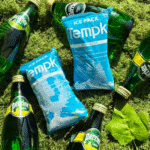
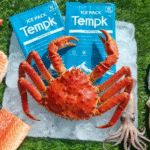
Antes de aprobar un proveedor bolsa de hielo seco para envío de frutas, escribir lo que el receptor debe poder aceptar. Esa simple inversión evita que una característica del refrigerante se convierta en el resumen del diseño.. La bolsa de hielo seco de hidratación de Tempk es plana, Hoja de refrigerante activada por agua que se congela antes del embalaje.. No es dióxido de carbono sólido y no es hielo seco., UN1845. Su valor depende del conjunto aislado completo y del proceso operativo a su alrededor.. Una ruta de aprobación sólida funciona desde el estado de la fruta en el momento de la recepción hasta la exposición de la ruta, diseño de paquete, preparación, evidencia del proveedor, y controles de producción. La salida es un paquete controlado., no es una promesa adjunta a un componente.
Definir un envío que pueda aceptarse sin conjeturas
Comience en la puerta de recepción. ¿Qué inspeccionará el receptor?, medida, registro, y haz lo siguiente? Si la respuesta no es clara, Ni el ingeniero térmico ni el proveedor saben lo que significa el éxito..
Una definición de aceptación puede incluir la identidad de la fruta., variedad o madurez cuando sea relevante, condición del paquete, humedad visible o fugas, método de temperatura de la pulpa, revisión del registrador donde se usa, apariencia, firmeza, y el tiempo permitido antes de la transferencia al siguiente entorno controlado. También puede incluir una observación de calidad posterior cuando el daño por frío o el comportamiento de maduración no se pueden juzgar inmediatamente..
No tomes prestado un rango de temperatura de otra fruta.. La guía poscosecha del USDA organiza la información de almacenamiento y manipulación por producto porque la tolerancia al frío no es uniforme. Algunas frutas corren el riesgo de sufrir lesiones por congelación cerca de una superficie congelada; La fruta sensible al frío puede dañarse sin llegar a congelarse.. La gama aprobada y los criterios de calidad deben provenir del responsable poscosecha., seguridad alimentaria, cliente, o autoridad de calidad para el producto específico.
La regla de aceptación necesita un dueño de decisión. Un conductor no debe inventar una disposición después de ver una alarma de registrador, y un receptor no debe desechar la fruta únicamente porque una lámina de refrigerante se ha descongelado.. Una lámina descongelada puede coexistir con una carga útil aceptable, mientras que una hoja que todavía se siente congelada no prueba que todas las ubicaciones de frutas se hayan mantenido dentro de los límites. Definir quién revisa la evidencia y qué sucede con la conformidad., cuestionable, y envíos rechazados.
Este contrato de recepción expone requisitos ocultos. Si un destinatario no puede recuperar un registrador, el plan de seguimiento debe cambiar. Si la fruta madurará durante varios días después de su llegada., la lesión retrasada puede importar. Si las cajas se abren al aire libre, Ese evento pertenece al ciclo de distribución y no fuera del modelo..
Utilice puertas de decisión antes de solicitar una cotización masiva
Un pedido al por mayor debe pasar una secuencia de puertas. Las puertas evitan que los equipos dediquen tiempo a la negociación detallada de precios, mientras que la identidad del producto, fruta en forma, o la viabilidad de la línea de envasado sigue sin resolverse.
| Puerta de aprobación | Pregunta que debe ser respondida | Registro mínimo de decisión | Razón para detener o rediseñar |
|---|---|---|---|
| Resultado previsto | ¿Qué condiciones debe cumplir esta fruta específica al recibirla y posteriormente?? | Perfil del producto y criterios de aceptación aprobados por el propietario. | No hay límites acordados para el frío y el calor., o ningún método de recepción |
| Identidad del producto | ¿Qué hay dentro de la hoja propuesta?, y como se activa y transporta? | Descripción de la construcción, información de seguridad, y confirmación del tipo de refrigerante real | Producto confundido con dióxido de carbono sólido o formulación poco clara |
| Ajuste del sistema | ¿Puede caber la hoja activada sin aplastar la fruta?, bloqueando la ventilación necesaria, o hacer contacto incontrolado? | Plano de embalaje con dimensiones internas., barreras, bandas de carga útil, y ubicaciones de las hojas | Movimientos de hoja, cubre aberturas críticas, o contactos con frutas fuera del diseño. |
| Uso alimentario previsto | ¿La documentación cubre el escenario de contacto exacto y el mercado de destino?? | Declaración del proveedor revisada y alcance de respaldo. | Genérico "grado alimenticio" lenguaje sin condiciones materiales ni de uso |
| Evidencia de desempeño | ¿El conjunto completo cumple con los criterios definidos en los desafíos representativos?? | Informe térmico controlado y prueba de ruta justificada. | Solo datos de refrigerante independientes o resultados de paquetes no relacionados |
| control operativo | ¿Pueden los turnos normales hidratarse?, congelar, inspeccionar, embalar, rastro, y presentarlo consistentemente? | Prueba de línea, instrucción de trabajo, capacitación, control de capacidad del congelador, y proceso de desviación | El proceso depende de la improvisación o no puede soportar el volumen máximo |
| Continuidad del suministro | ¿La producción coincidirá con la muestra aprobada?, con trazabilidad y aviso de cambio crítico? | Especificación de compra, plan de inspección, controles de lote, y cambiar de acuerdo | Tolerancias, identidad del lote, o la notificación de cambio permanece indefinida |
La mesa está deliberadamente ordenada.. Los excelentes resultados térmicos no pueden curar un problema de contacto con alimentos no resuelto, y un embalaje de laboratorio sólido no puede curar un proceso de preparación que falla durante el pico de producción.. Una señal de parada no necesariamente rechaza la hoja.; Le dice al equipo del proyecto qué suposición debe resolverse antes de seguir adelante..
Diseño para oponerse a los fracasos, Ni el peor de los casos
Las discusiones sobre la cadena de frío a menudo describen un único "peor caso," normalmente una ruta con ambiente caluroso y un gran retraso. Los paquetes de frutas suelen tener al menos dos peores casos opuestos..
El caso de riesgo cálido puede combinar un alto desafío ambiental, larga permanencia, componentes de arranque calientes, máxima fuga de calor, y una disposición de carga útil que deja superficies expuestas. El caso de riesgo de resfriado puede combinar hojas completamente congeladas., un período ambiental bajo, carga mínima de fruta, gran relación refrigerante-producto, y contacto directo o casi directo. Un paquete puede pasar el primero y fallar el segundo..
Por lo tanto, el bracketing de la carga útil es esencial. Una carga máxima puede contener más calor del producto y reducir el flujo de aire interno.. Una carga mínima puede calentarse rápidamente porque tiene menos masa., sin embargo, la fruta al lado de una cara de refrigerante puede enfriarse demasiado. Si los pedidos tienen varios tamaños, definir qué configuraciones son distintas y cuáles pueden representarse mediante límites justificados.
La condición inicial pertenece en ambos casos.. Un diseño de envío destinado a mantener la fruta preenfriada no debe convertirse silenciosamente en el proceso para obtener fruta caliente desde el piso de empaque.. Eliminar el calor del campo y mantener un producto durante la distribución son tareas diferentes.. Si el refrigerante tiene que realizar ambas, probar ese escenario explícitamente en lugar de asumir capacidad sobrante.
Los eventos mecánicos deben estar relacionados con el riesgo térmico. Las caídas y las vibraciones pueden mover una lámina flexible, abrir un espacio en una junta de aislamiento, colapsar un espaciador, o redistribuir la fruta. La compresión y la humedad pueden debilitar una caja. Utilice pruebas de distribución física adecuadas al modo de transporte., luego evalúe si el paquete acondicionado aún conserva la separación y el cierre del refrigerante previstos..
ISTA Standard 7E puede proporcionar perfiles de paquetes térmicos, y ASTM D3103 puede respaldar la evaluación del rendimiento del aislamiento térmico bajo exposición externa controlada.. Ayudan a crear pruebas repetibles.; no suministran los límites de fruta ni convierten un componente en un sistema calificado. Escribe la pregunta del examen primero., luego selecciona el método y perfil que la responde.
Trate la colocación del sensor como una búsqueda de desacuerdos
No coloque todos los sensores cerca del centro y espere entender el paquete. Seleccione posiciones que probablemente no estén de acuerdo:
fruta más cercana a la cara del refrigerante;
fruta más alejada del refrigerante;
una esquina o región de cierre;
el núcleo geométrico;
Ubicaciones superiores e inferiores cuando la orientación o la convección son importantes.;
exposición ambiental fuera del paquete.
La temperatura del aire y la temperatura de la pulpa de la fruta responden a diferentes preguntas. La superficie y el corazón de la fruta también pueden responder a ritmos diferentes. El plan de prueba debe indicar qué representa cada sensor., su precisión calibrada, intervalo de muestreo, método de archivo adjunto, y cómo se manejan las lecturas faltantes o inverosímiles.
Convierta la muestra del proveedor en un material controlado
La muestra aprobada debe convertirse en una especificación que la producción pueda reproducir.. Una fotografía y el nombre del producto no son suficientes. Las láminas multicelulares pueden variar en dimensiones secas., geometría celular, posición de la costura, construcción permeable, contenido absorbente, película, impresión, y embalaje. Después de la activación, esas diferencias pueden influir en el ajuste, hidratación, congelación, flexibilidad, y riesgo de fuga.
Cree una lista de atributos críticos basada en modos de falla reales. Si la hoja debe doblarse a lo largo de una costura particular, La ubicación de la costura y las dimensiones de las celdas son críticas.. Si está separado de la fruta por un divisor estrecho., El espesor y la tolerancia activados pueden ser críticos.. Si cada unidad debe estar asociada a un envío, la legibilidad del código de lote después de la hidratación y la congelación puede ser crítica.
El plan de inspección entrante debe distinguir los atributos que el comprador puede verificar de aquellos controlados por el proveedor.. Los empacadores pueden inspeccionar pinchazos, costuras abiertas, contaminación, dimensión bruta, diseño de celda, y marcado de lotes. Los controles de composición y proceso de fabricación requieren registros y acuerdos con proveedores.. La frecuencia de muestreo debe seguir el riesgo., historia del lote, y el sistema de calidad del comprador en lugar de una regla universal arbitraria.
Solicite documentos de seguridad y uso previsto para obtener el código de pedido exacto, no es una familia relacionada. En los Estados Unidos, Las autorizaciones y limitaciones de contacto con alimentos de la FDA están vinculadas a la sustancia y las condiciones previstas.; Algunas notificaciones también son específicas del fabricante o proveedor mencionado.. En la Unión Europea, Regulación (CE) No 1935/2004 Proporciona el marco general de contacto con los alimentos., y los materiales plásticos pueden tener requisitos adicionales según el Reglamento (UE) No 10/2011. La revisión pertinente depende de si la hoja puede tocar la fruta., toca sólo un paquete primario cerrado, o permanece detrás de una barrera funcional.
La clasificación del transporte requiere una verificación de documentos por separado.. El dióxido de carbono sólido es hielo seco., UN1845 y puede activar disposiciones sobre mercancías peligrosas, particularmente por aire. Una lámina a base de agua hidratada no se convierte en dióxido de carbono al congelarse. Aún, el transportista debe revisar la formulación exacta, datos de seguridad, póliza de transportista, modo, y destino en lugar de declarar el estado a partir de una etiqueta de producto común.
Finalmente, definir el control de cambios. fuente de la película, sistema absorbente, diseño de celda, proceso de sellado, sitio de fabricación, o el uso previsto declarado puede cambiar una suposición aprobada. El proveedor debe notificar al comprador los cambios críticos acordados antes del envío para que el comprador pueda evaluar la documentación., adaptar, seguridad, y la necesidad de volver a realizar la prueba.
Haga de la prueba Pack-Line una etapa de clasificación
La preparación es la fabricación realizada en el sitio del empacador de frutas.. La sábana seca se vuelve hidratada., Refrigerante congelado mediante trabajo local., por lo que el proceso local merece una evaluación formal.
La hidratación debe tener un punto final visible.
Una instrucción como "remojar hasta que esté listo" invita a la variación de turno a turno. Identificar la fuente de agua, buque, patrón de carga, condición celular observable, paso de drenaje, almacenamiento temporal, y acción para las células que no se activan normalmente. Mantener el material preparado protegido de la contaminación..
Herramientas útiles para tomar decisiones
Comprueba los detalles antes de elegir el embalaje.
Estas herramientas rápidas pueden ayudarle a comparar el riesgo de la ruta, necesidades de dimensionamiento, opciones de refrigerante, y detalles del embalaje antes de solicitar una cotización.
Referencia del material aislante
Compare opciones de materiales aislantes para diferentes necesidades de embalaje de la cadena de frío.
Comparar materialesGenerador de listas de verificación de cumplimiento
Cree una lista de verificación práctica para la revisión del embalaje, envío, y documentación.
Crear lista de verificaciónResistencia a la caída del material aislante
Revise la resistencia a caídas y los factores de manipulación antes de elegir materiales aislantes..
Comprobar resistenciaLa congelación debe demostrarse a la densidad de producción.
Unas cuantas hojas colocadas planas en un congelador vacío no representan un despacho pico. Un lote grande puede restringir el flujo de aire, alargar la preparación, y producir estados desiguales. Pruebe el bastidor normal, espaciado, tamaño del lote, actividad de la puerta, y método de liberación. Establecer cómo los operadores distinguen el material listo del material aún en proceso..
El montaje debe ser difícil de malinterpretar
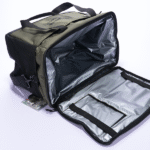
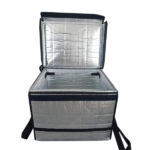
Utilice una instrucción de trabajo visual que nombre el recinto exacto., carga de fruta, bandeja o paquete primario, divisor, orientación de la hoja, control de vacío, cierre, y posición del registrador opcional. Si se pueden cortar hojas, identificar la costura permitida y prohibir cortar las celdas. Si existen varias configuraciones aprobadas, hacerlos visiblemente distintos.
Las desviaciones necesitan una ruta.
Los operadores necesitan una decisión para una hoja rota, hidratación desigual, estado de congelación cuestionable, divisor faltante, transportista tardío, fruta entrante caliente, o tamaño de pedido incorrecto. "Pregúntale a un supervisor" puede ser parte de la escalada, pero el supervisor también necesita opciones aprobadas. Cuarentena, rehacer, paquete alternativo, envío retrasado, y el rechazo debe definirse cuando sea relevante.
La prueba de línea debe medir la mano de obra y la capacidad, así como la temperatura.. Récord de espacio de hidratación, ocupación del congelador, manipulación de hojas, condensación, tiempo de embalaje, oportunidades de error, limpieza, y desperdicio de materiales. Estos resultados afectan el costo y la continuidad.. Un precio de lámina más bajo puede compensarse con un proceso que necesita una mayor expansión del congelador, mano de obra, o reelaborar.
Construya evidencia en capas
El expediente de aprobación más sólido no depende de una prueba espectacular. Utiliza diferentes evidencias para diferentes decisiones..
La evidencia del componente identifica la construcción., comportamiento de activación, dimensiones, sellos, información de seguridad, y alcance del uso previsto. Ayuda a determinar si vale la pena probar una muestra del sistema..
El trabajo de ajuste en banco confirma que las láminas hidratadas y congeladas se ajustan al recinto y preservan el espacio para la fruta., barreras, cierre, y ventilación. Es económico y debe realizarse antes de un estudio en cámara térmica..
Estudios térmicos controlados prueban desafíos definidos de calor y frío con cargas mínimas y máximas representativas.. El informe debe identificar cada componente., condición inicial, sensor, perfil ambiental, desviación, rastro crudo, y criterio de aceptación.
El trabajo de distribución física evalúa si la manipulación altera el dispositivo de protección. Puede incluir pruebas apropiadas para el paquete., paleta, u otros riesgos de transporte.
Las pruebas de ruta monitoreadas añaden traspasos reales, habitar, orientación, condiciones del vehículo, y acciones del receptor. Deben utilizar reglas de aceptación predeterminadas y capturar el contexto ambiental o del evento necesario para explicar el resultado..
La verificación continua comprueba si el estado aprobado persiste. Envíos periódicos monitoreados, revisión estacional, investigación de queja, tendencias entrantes, y las pruebas posteriores al cambio se pueden seleccionar según el riesgo.
Esta estratificación también aclara el informe de prueba de un proveedor.. La evidencia del proveedor puede reducir la incertidumbre del desarrollo si describe un sistema relevante.. No puede sustituir la aprobación del comprador cuando éste utilice frutas diferentes., carga, aislamiento, ruta, barrera, preparación, o criterios.
Ejemplo práctico: Aprobación de una caja de regalo de cítricos
Imagine que una empresa envasadora quiere una lámina de hidratación flexible para cajas de regalo de cítricos de primera calidad.. El equipo comercial quiere un paquete para varios tamaños de cajas y entrega durante todo el año.. En lugar de pedir a los proveedores una duración fija, El equipo del proyecto comienza con el resultado de recepción..
El especialista en frutas define los límites apropiados de calidad y producto para las variedades de cítricos relevantes y señala que el daño por frío puede depender del historial y la exposición del producto.. El equipo de operaciones mapea el tiempo desde la entrega de la hoja hasta la recogida por el transportista., manejo de red, entrega residencial, y esperado desembalaje. Adquisiciones envía a los proveedores candidatos las dimensiones internas del cartón, cargas mínimas y máximas, actual revestimiento aislado, concepto de barrera, y mercados de destino.
El trabajo de banco revela que la geometría de una hoja se pliega perfectamente en la caja completa pero se abrocha en el espacio de la fruta en la caja más pequeña.. El equipo no fuerza la estandarización.. Revisa el diseño del cartón pequeño y crea una instrucción visual separada..
Los estudios controlados cubren la exposición al calor y un caso de riesgo de frío con la carga útil más pequeña.. Los sensores están colocados al lado de la barrera., en el núcleo, cerca del cierre, y en frutos representativos. La revisión incluye la resistencia del cartón después de la condensación y un control posterior de la calidad de la fruta.. Las pruebas de ruta monitoreadas desafían la recepción normal y retrasada.
Al mismo tiempo, un lote de producción se hidrata y congela durante una simulación de pico. El congelador puede soportar el plan de cartón completo., pero la línea necesita diferentes bastidores para la hoja plegada más pequeña. La adquisición incluye ajuste activado, diseño de celda, ubicación de la costura, marcado de lote, inspección entrante, y notificación de cambio en la especificación de compra.
De este proyecto hipotético no surge ninguna duración universal del refrigerante.. Lo que surge es más útil: dos paquetes definidos, un archivo de evidencia, un método de línea de embalaje, criterios de recepción, y una regla para revisar cambios futuros.
Mantener vivo el estado aprobado
La aprobación es un punto de partida para el control de rutina.. Enlace lote de frutas, configuración de embalaje, lote de hojas, lote o estado de preparación, fecha del paquete, ruta, y registro de seguimiento cuando lo requiera el programa. La cantidad de detalles debe ajustarse al riesgo y a cualquier obligación de trazabilidad aplicable., pero debe ser suficiente para investigar una falla.
Resultados de tendencias por mecanismo de falla en lugar de someter cada queja a "temperatura." La fruta caliente al recibirla puede deberse a una temperatura inicial alta., cierre incompleto, refrigerante faltante, larga permanencia, o aislamiento insuficiente. Las lesiones locales por frío pueden deberse a una sábana movida, espaciador faltante, carga útil mínima, o una configuración no aprobada. Las fugas pueden originarse en los sellos entrantes., corte, punción, presión de embalaje, o reutilizar daños.
Definir desencadenantes de recalificación. Una nueva variedad de fruta, perfil de madurez, caja de cartón, transatlántico, construcción de láminas, banda de carga útil, red de operador, duración de la ruta, sitio de embalaje, proceso de congelación, o el criterio de aceptación puede afectar la aplicabilidad. No todos los cambios necesitan un programa completo, pero cada cambio material necesita una evaluación documentada.
La revisión de costos debe utilizar el rendimiento entregado, no solo el precio de la hoja. Incluir flete de componentes entrantes, almacenamiento en seco, trabajo de activación, agua, capacidad del congelador, espacio de línea de embalaje, aislamiento, barreras, escucha, pérdida, desviaciones, y manejo de eliminación o devolución. La pérdida de fruta evitada se puede incluir sólo cuando esté respaldada por los datos del programa..
La revisión ambiental necesita los mismos límites del sistema. El almacenamiento plano y seco puede reducir el volumen y el peso entrantes antes de la hidratación., pero energía helada, uso de materiales, pérdida de fruta, logística de reutilización, tasa de retorno, y las rutas locales al final de su vida útil también son importantes. Para envases del mercado europeo, Evaluar los requisitos aplicables y los plazos del Reglamento de envases y residuos de envases con asesores cualificados.. No traducir un atributo material en una afirmación amplia de sostenibilidad..
Preguntas frecuentes
¿Qué debe incluir una solicitud de cotización para hojas de refrigerante de hidratación??
Incluir tipo de fruta y condición., criterios de aceptación aprobados, paquete primario, dimensiones internas del paquete aislado, bandas de carga útil, ruta y temporada, traspasos esperados, concepto de colocación de hojas, contacto directo o indirecto, mercados de destino, capacidades de activación y congelación, plan de seguimiento, modelo de reutilización previsto, necesidades de pedidos proyectadas, y la evidencia que desea revisar. Plantee las incógnitas como preguntas en lugar de especificaciones inventadas..
¿Cómo se compara una lámina de hidratación con una bolsa de gel precargada o un ladrillo de hielo rígido??
Una lámina de hidratación se almacena plana antes de la activación y puede proporcionar una cobertura flexible de múltiples células.. un precargado paquete de gel Reduce el trabajo de activación del comprador., mientras que un ladrillo rígido puede ofrecer una geometría estable y una colocación sencilla. Ninguno es universalmente superior. Comparar el espacio de carga útil, preparación, proceso de congelación, riesgo de contacto, controles de fugas, reutilizar, adaptar, y resultados de las pruebas del paquete completo para la fruta y la ruta previstas..
¿Puede el informe térmico de un proveedor eliminar las pruebas del comprador??
Puede ser valioso cuando el recinto probado, refrigerante, preparación, carga útil, condición inicial, mapa de sensores, perfil ambiental, y los criterios de aceptación representan fielmente el envío previsto.. Se deben evaluar las diferencias. La mayoría de los compradores todavía necesitan un trabajo apto y una verificación relevante para la ruta porque su fruta, proceso operativo, manejo del transportista, y las condiciones de recepción no son idénticas a las de la demostración del proveedor.
¿Poner fruta en una bolsa elimina los problemas de contacto con los alimentos??
Puede cambiar el escenario de contacto., pero la barrera real debe definirse y mantenerse. Considere si la hoja puede moverse., filtración, o contacte con el exterior de la bolsa y si el contenido podría llegar a los alimentos si se daña. Revisar la documentación del material para la configuración y el mercado previstos.. El propio envase primario también debe ser adecuado para su uso en contacto con alimentos..
¿Cuándo se debe revisar nuevamente un paquete aprobado??
Revíselo cuando las características de la fruta, carga útil, recinto, hoja, barrera, asamblea, preparación, funcionamiento del congelador, transportador, carril, estación, proceso de recepción, alcance regulatorio, o cambio de criterios de aceptación. Revise también las tendencias adversas y las excursiones inexplicables.. Una evaluación de riesgos documentada puede determinar si la respuesta es una revisión en papel., verificación enfocada, o recalificación más amplia.
Conclusión: Aprobar el paquete, Entonces contrólalo
Un proveedor confiable de paquetes de hielo seco para el envío de frutas comienza con una identidad precisa del producto y termina con un estado operativo controlado.. El formato de hidratación Tempk es una lámina congelada activada por agua, dióxido de carbono no sólido. Puede ofrecer una cobertura flexible y un almacenamiento en seco eficiente antes de la activación., pero esos atributos no establecen la seguridad de la fruta, un rango de temperatura, o una duración.
Trabajar hacia atrás desde los criterios de recepción. Desafía tanto los fracasos cálidos como los fríos., cargas útiles del soporte, revisar el uso previsto de los alimentos y el estado del transporte, y pruebe el conjunto aislado completo. Convierta la muestra exitosa en una especificación de compra y un proceso de línea de empaque, luego consérvelo con control de lote, evaluación del cambio, verificación de ruta, y datos de desviación significativos. Así es como se hace la adquisición, operaciones, y la calidad convierten un componente refrigerante en una solución aprobada para el envío de frutas.
Acerca de Tempk
Tempk proporciona láminas de refrigerante de hidratación activadas por agua en formatos flexibles de múltiples celdas para su integración en arreglos de envío aislados.. Las sábanas secas se preparan con agua., congelado, y colocado alrededor o al lado de una carga útil de acuerdo con el diseño del paquete. Para proyectos frutales, Podemos revisar el diseño de celda propuesto., ajuste del paquete, flujo de trabajo de preparación, y requisitos de abastecimiento utilizando el producto básico., carga útil, ruta, y la información adjunta que usted proporciona. El rendimiento térmico y la idoneidad de la fruta deben establecerse para la configuración completa mediante pruebas representativas e instrucciones operativas controladas..
Envía a Tempk tus criterios de recepción, perfil de fruta, dimensiones del paquete, mapa de ruta, y rango de orden esperado. Podemos ayudarlo a seleccionar un formato de hoja de candidato y organizar las preguntas que su equipo debe cerrar antes de la aprobación..