Un plan de adquisiciones para proveedores de paquetes de hielo seco para logística de vegetales
El resumen de compra “mantener las verduras frías” es incompleto y en ocasiones peligroso. Ignora el límite inferior de temperatura del cultivo., necesidad de humedad, respiración, respuesta al etileno, historia de preenfriamiento, y ventilación de cartón. También deja un proveedor. bolsa de hielo seco para logística de hortalizas undefinido. El producto podría ser dióxido de carbono sólido real., una lámina de enfriamiento activada por agua, una bolsa de gel, un ladrillo de hielo, o un PCM. Una especificación comercial lista para publicar debe resolver esas incertidumbres y conectar el entorno operativo del cultivo con un componente de proveedor reproducible., empacar, y ruta. El objetivo no es el más refrescante. Es el sistema menos complicado que entrega de manera confiable productos vendibles., productos seguros dentro de límites definidos.
Crear un dossier de cultivos y rutas
Construya el dossier antes de solicitar muestras. Debe identificar el cultivo., cultivar o tipo comercial, madurez, condiciones de cosecha, estado intacto o recién cortado, embalaje primario, dimensiones de la caja, patrón de ventilación, rango de carga útil, método de preenfriamiento, y condición de envío aprobada.
Añade los límites fisiológicos:
- Rango de temperatura recomendado y duración máxima.
- Sensibilidad al congelamiento y al enfriamiento.
- Necesidad de humedad relativa e intolerancia al agua libre..
- Comportamiento respiratorio.
- Producción y sensibilidad al etileno..
- Requisitos de ventilación o atmósfera..
- moretones, compresión, y sensibilidad a la vibración.
- Defectos de calidad y controles de seguridad alimentaria..
Utilice guías poscosecha específicas para cada cultivo. El manejo de temperaturas cercanas a la congelación puede ser apropiado para el brócoli, mientras que los pepinos pueden sufrir daños por frío y la calabaza de invierno se manipula más cálidamente con un enfoque de humedad diferente. No promedie cultivos incompatibles en un solo objetivo.
Trazar la ruta desde la cosecha hasta la recepción. Incluir tiempo antes del preenfriamiento, finalización del enfriamiento, vivienda en cámara frigorífica, embalaje, puesta en escena del muelle, traspasos de portaaviones, eventos de apertura, retrasos en fronteras o aeropuertos, última milla, y capacidad de destino. Temporadas récord de calor y frío y carga útil baja o alta.
Indique el propietario de la decisión. Un proveedor de paquetes de refrigeración puede ayudar en la selección y prueba de componentes.; el cultivador, procesador, envasador, o el equipo calificado del distribuidor define la aceptación del producto y la disposición de excursión. Si se requiere control de temperatura para la seguridad alimentaria, conectar el expediente con el plan de seguridad alimentaria y las responsabilidades de transporte sanitario aplicables.
El expediente evita un error de categoría común: Tratar un paquete de parcelas pasivo como sustituto de la sombra de la cosecha., preenfriamiento, refrigeración activa, saneamiento, o recibir disciplina.
También debería definir reglas de compatibilidad para pedidos mixtos.. Una temperatura objetivo compartida no es suficiente si un cultivo produce etileno, otro es muy sensible a ello, y un tercero necesita un ambiente más seco. Registra qué productos pueden compartir caja, que necesitan embalaje primario separado, y que requieren una familia de rutas diferente. Esto convierte la planificación del surtido en una entrada controlada en lugar de una decisión de embalaje de última hora..
Agregar un mapa de responsabilidad para los traspasos. La finca puede poseer la eliminación del calor del campo., un consolidador puede verificar la condición de preenfriamiento, un centro logístico puede acondicionar paquetes, El transportista podrá controlar las prácticas del vehículo., y el receptor podrá valorar la llegada. Cuando la propiedad es vaga, A menudo se culpa a la manada pasiva por una brecha que nunca podría corregir.. Las responsabilidades designadas también agilizan las investigaciones de desviaciones.
Establezca un límite cálido y un límite frío
Un sistema eficaz mantiene el producto entre dos regiones de falla. Por encima del límite cálido, respiración, pérdida de agua, senectud, reblandecimiento, amarillamiento, y los procesos microbianos pueden acelerarse. Por debajo del límite de frío, pueden ocurrir lesiones por congelamiento o enfriamiento. El límite inferior varía mucho más entre vegetales de lo que sugiere el lenguaje genérico de la cadena de frío..
El hielo seco real es dióxido de carbono sólido alrededor de menos 78.5 grados centígrados. No debe colocarse cerca de verduras frescas comunes.. Puede congelar los tejidos rápidamente., libera gas, no debe sellarse herméticamente, y añade obligaciones laborales y de transporte. Sólo es relevante para los productos especificados intencionalmente como congelados y protegidos en un sistema adecuado..
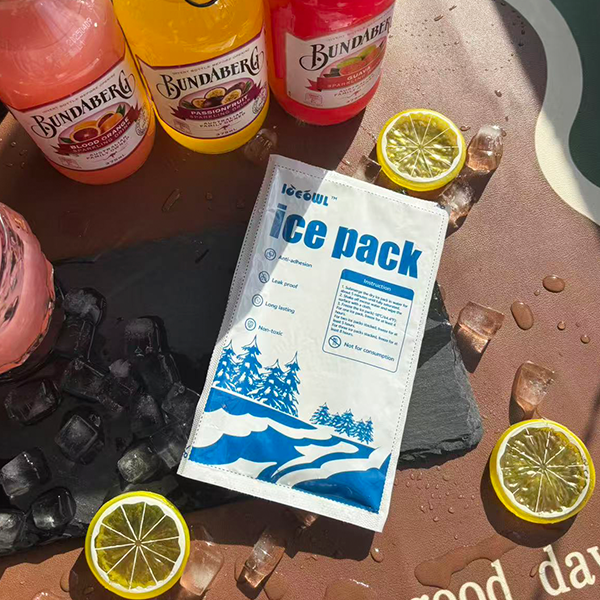
El gel a base de agua o las mochilas de hidratación no son hielo seco real., pero pueden comenzar por debajo del rango seguro de un cultivo. El PCM de estufa refrigerada puede reducir la diferencia de temperatura cuando se selecciona y acondiciona adecuadamente. Un divisor o espacio de aire controlado puede limitar la conducción directa.. El aislamiento reduce el calor ambiental.. El diseño debe utilizar estos elementos para mantener ambos márgenes..
| Riesgo límite | Causa probable | Control preventivo | Evidencia |
|---|---|---|---|
| Productos calientes en el centro | Preenfriamiento inadecuado o respiración alta | Confirme la condición de la pulpa antes de empacar | Registro de despacho y sonda de producto representativo. |
| Enfriamiento en la pared lateral | Contacto con refrigerante congelado o grado incorrecto | selección de PCM, templado, y separador definido | Prueba térmica en lugar frío y observación de calidad. |
| Rincón cálido | Junta de aislamiento, vacío, o paquete cambiado | Geometría controlada y moderación. | Sonda de ubicación caliente y desafío de manejo |
| hojas marchitas | Baja humedad o ventilación excesiva. | Estrategia adecuada de embalaje primario y humedad. | Pérdida de masa y evaluación de calidad. |
| Superficie mojada o podrida | Condensación, fuga, o agua atrapada | Drenaje, barrera, control de fugas, y diseño de ventilación | Inspección de humedad después de la simulación de ruta. |
| Atmósfera dañina | Ventilaciones bloqueadas o CO2 no controlado | Preservar el intercambio de gases y evitar suposiciones de hielo seco | Evaluación de la atmósfera del paquete cuando sea relevante |
La tabla ayuda a Adquisiciones a comprender que el desempeño tiene varias dimensiones.. El reclamo de temperatura más baja o de mayor duración de un proveedor no aborda ninguno de ellos sin contexto.
Preservar la ventilación deliberadamente. Agujeros de cartón, perforaciones de bolsa, canales de paletas, y las aberturas de las bolsas pueden soportar el enfriamiento por aire forzado o el intercambio de gases.. Una lámina flexible que se pliega sobre esas aberturas puede cambiar tanto la uniformidad de la temperatura como la atmósfera.. Documente la huella y la orientación permitidas del refrigerante para que la ruta del flujo de aire evaluada sobreviva al embalaje de producción..
Calificar el componente dentro del paquete comercial
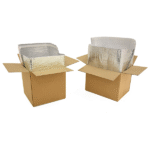
Solicite a los proveedores la identidad exacta del material, instrucciones de acondicionamiento, dimensiones, llenar tolerancias, datos de fase para PCM, construcción de película y sello, documentación de contacto con alimentos, trazabilidad del lote, y cambiar los controles. Luego pruebe muestras de producción normal en el sistema planificado..
Redactar un protocolo antes del recorrido por la cámara o del piloto de carril.. Especificar:
- Cultivo, paquete, madurez, y condición inicial.
- Cartón externo, aislamiento, respiraderos, divisor, y cierre.
- Código de producto refrigerante, lote, contar, acondicionamiento, colocación, y moderación.
- Carga útil mínima y máxima.
- Temperatura ambiente y perfil de manipulación..
- Rango de sensores, exactitud, calibración, intervalo, y ubicaciones.
- Criterios de aceptación de temperatura y calidad del producto..
- Repetir estrategia y manejo de desviaciones..
Utilice productos representativos. Una botella de agua puede ayudar a comparar conceptos iniciales pero no reproduce la respiración., transpiración, intercambio de gases, geometría, o daño por frío retardado. Si se utiliza una madre sustituta, Justificar qué propiedades representa y qué pruebas posteriores del producto se requieren..
Coloque sondas de desarrollo cerca de paredes sospechosas de estar calientes., tapas, contactos frios, y centros de productos representativos. Indique si cada uno mide el aire., superficie de embalaje, o tejido. Revise los seguimientos completos en lugar de solo comenzar y finalizar.
Después de la exposición, evaluar la calidad relevante para el cultivo. incluir firmeza, marchitez, pérdida de masa, amarillamiento, picaduras, descoloramiento, agua, decadencia, olor, moretones, y condición del paquete según corresponda. Las verduras sensibles al frío pueden necesitar observación después de recalentarse. Los productos recién cortados pueden requerir una vida útil adicional o una evaluación microbiológica según el programa del procesador..
Los perfiles térmicos estándar pueden proporcionar una comparación consistente para el embalaje de paquetes. Las pruebas de ruta incorporan operaciones reales.. Tampoco autoriza sustitución ni demora ilimitada. El informe debe definir los límites evaluados y conectarlos a una lista de materiales., fotografías, acondicionamiento, e instrucciones de embalaje.
Convertir la calificación en un contrato de proveedor y un sistema de trabajo
La especificación de compra debe proteger todos los atributos que utiliza el diseño aprobado.. Dependiendo del formato, definir seco, activado, y dimensiones congeladas; masa de refrigerante o agua absorbida; patrón celular; película; sello; válvula; formulación de fase; etiqueta; limpieza; olor; y almacenamiento.
El acuerdo de proveedor debe abordar:
Herramientas útiles para tomar decisiones
Comprueba los detalles antes de elegir el embalaje.
Estas herramientas rápidas pueden ayudarle a comparar el riesgo de la ruta, necesidades de dimensionamiento, opciones de refrigerante, y detalles del embalaje antes de solicitar una cotización.
Revestimiento de caja & Dimensionamiento de la cubierta de paleta
Lógica de tamaño de revestimiento de cajas y cubiertas de paletas para proyectos de embalaje aislado.
Estimar el tamañoGenerador de listas de verificación de cumplimiento
Cree una lista de verificación práctica para la revisión del embalaje, envío, y documentación.
Crear lista de verificaciónSelector de embalaje
Compare las opciones de embalaje aislado por producto, ruta, y necesidad de temperatura.
encontrar embalaje- Liberación de lotes y trazabilidad.
- Métodos de inspección críticos y tolerancias..
- Documentos suministrados con cada lote..
- Inconformidad y cuarentena.
- Investigación de quejas y acción correctiva..
- Aviso previo para material., fórmula, dimensiones, estampación, sitio, proceso, o cambios de subproveedor.
- Muestras de referencia o retención cuando esté justificado.
- Continuidad del negocio y alternativas aprobadas.
Solicite muestras de producción normal., no solo prototipos. Inspeccionarlos después de su activación y acondicionamiento.. Una sábana de hidratación hinchada puede cubrir los respiraderos.; Es posible que un ladrillo rígido ya no encaje en el divisor.; una costura puede volverse quebradiza cuando se congela.
La evaluación comercial debe incluir pedido mínimo., plazo de entrega, cantidad de cajas, almacenamiento entrante, agua y mano de obra para la activación, espacio del congelador, puesta en escena, velocidad de línea, identificación personalizada, y manejo de devolución. Las cifras desconocidas siguen siendo preguntas de los proveedores. Compare el costo total controlado por paquete comercial.
Traducir el diseño aprobado en un sistema de trabajo inequívoco.. Usar códigos de componentes, etiquetas de estado, fotografías, kits de paquete, y áreas segregadas para seco, acondicionamiento, listo, regresó, en cuarentena, y material rechazado. Los PCM similares no deberían depender únicamente del color.
Definir el tiempo máximo desde la liberación del preenfriamiento hasta el cierre del paquete y desde la extracción del refrigerante hasta su uso.. Equipo de acondicionamiento de mapas bajo carga representativa si así lo requiere la operación.. No utilice un paquete para enfriar verduras calientes ni agregue refrigerante fuera de la matriz aprobada..
La recepción completa el sistema.. Inspeccionar la temperatura o el estado del indicador cuando se utilice, cajas de cartón, respiraderos, humedad, fugas, olor, daño físico, y defectos específicos del cultivo. Mantener la trazabilidad del envío y del lote de productos. Mantenga el producto incierto y siga el proceso de disposición aprobado..
Cree un breve árbol de decisión de recepción antes del lanzamiento.. Se debe distinguir el rechazo físico evidente., un envío monitoreado aceptable, datos faltantes o ilegibles, y un evento de temperatura que requiere revisión técnica. Para cultivos sensibles al frío, El procedimiento puede poner en observación unidades representativas porque pueden aparecer daños después del recalentamiento.. Para productos recién cortados, El programa de seguridad alimentaria del procesador puede requerir una respuesta más inmediata y conservadora.. El receptor nunca debe improvisar una regla universal basada en qué tan fría se siente la caja..
La capacitación debe incluir por qué existe cada paso.. Es más probable que los empacadores conserven un divisor cuando entienden que evita un punto de contacto frío., y es más probable que los receptores protejan las cajas ventiladas cuando comprenden su papel en el flujo de aire.. Registre la capacitación y vuelva a capacitarla después de cambios significativos. Un paquete visualmente simple aún puede fallar cuando una pequeña sustitución no reconocida cambia el circuito térmico..
Mejore los costos y la sostenibilidad sin perder margen
La comparación correcta es el costo por entrega vendible., no cuesta por paquete. Incluir pérdida de producto, embalaje, refrigerante, mano de obra, preenfriamiento, acondicionamiento de energía, transporte, regresa, lavado, inspección, y manipulación de residuos.
Una lámina de hidrato seco puede reducir el volumen entrante pero agrega agua de activación y pasos del proceso.. Un PCM rígido reutilizable puede ofrecer muchas rotaciones en un carril cerrado pero agrega masa y seguimiento. Un paquete aislado unidireccional puede resultar práctico para clientes dispersos, pero puede enfrentar una recuperación de material limitada.. El hielo seco real no se puede reutilizar y presenta peligros que son difíciles de justificar para los productos frescos..
Medir la sostenibilidad con el mismo límite funcional. La pérdida de productos tiene una huella, pero ese hecho no debería excusar un sistema sobredimensionado. Utilice datos para reducir el material innecesario y al mismo tiempo proteger el mismo cultivo y requisito de ruta..
Iniciar mejoras con las operaciones.:
- Acortar el tiempo desde la cosecha hasta el preenfriamiento.
- Mantenga el producto sombreado.
- Mejorar las comprobaciones de finalización del preenfriamiento.
- Alinear las ventilaciones de cajas y paletas.
- Coordinar la recogida del transportista.
- Reducir la permanencia en el muelle.
- Cultivos compatibles con el grupo.
- Seleccione entre configuraciones estacionales aprobadas.
Luego pruebe los cambios de empaque uno a la vez.. Un forro más delgado, paquete más pequeño, película diferente, o el divisor revisado puede cambiar los márgenes tanto cálidos como fríos. Ingrese cambios a través de evaluación y calificación de riesgos..
Para programas reutilizables, calcular rotaciones reales. Pérdida de seguimiento, daño, limpieza, distancia de regreso, y rendimiento térmico. Utilice la jubilación basada en la condición para las fugas, delaminación, contaminación, deformación, o pérdida de identificación. Un reclamo reutilizable sin sistema de devolución es sólo una característica material.
La mejora continua requiere datos integrados. Combinar trazas de temperatura, recibiendo inspecciones, reclamos, residuos de cultivos, registros de acondicionamiento, permanencia del portador, y desviaciones de proveedores. Investigue la causa antes de cambiar el recuento de refrigerante. Las llegadas cálidas pueden comenzar en el campo; la lesión por frío puede comenzar en la pared lateral; La condensación puede comenzar en la sala de embalaje..
Preguntas frecuentes
¿Qué debe incluir una propuesta de proveedor antes de fijar el precio??
Debe identificar la composición del refrigerante., activación y condicionamiento, dimensiones y tolerancias de masa, película y sellos, datos de fase cuando sea relevante, documentación de contacto prevista, controles de lote, contexto de prueba disponible, notificación de cambio, paquete de caja, y supuestos comerciales. Un paquete propuesto debe indicar el cultivo., carga útil, aislamiento, colocación, y límites de ruta.
¿Se puede cortar una lámina de hidrato para que quepa en una caja de cartón ventilada??
Solo si el diseño del producto y las instrucciones del proveedor permiten cortar en uniones definidas sin dañar las celdas o los sellos.. El corte puede cambiar la masa., cobertura, riesgo de fuga, y flujo de aire. Estandarizar la forma final y contar, luego probar ese acuerdo comercial en lugar de dejar que cada operador improvise. Capacitar a los operadores sobre el patrón de corte aprobado..
¿La temperatura de la pulpa vegetal es la misma que la del aire del paquete??
No. El tejido del producto cambia más lentamente y puede diferir según la posición., tamaño, y contacto. Los sensores de aire responden rápidamente a las aperturas de puertas y a los refrigerantes. Las pruebas de desarrollo pueden utilizar sondas acopladas tanto a aire como a producto.. La medición de rutina debe seguir la evidencia y el procedimiento de recepción de la operación.. Utilice el método de medición definido por el protocolo..
¿Cómo se debe incluir el daño por frío en la aceptación??
Utilice síntomas específicos del cultivo y un período de observación adecuado.. Algunas lesiones aparecen después de que la verdura regresa a condiciones más cálidas.. Los límites de temperatura deben estar respaldados por la guía poscosecha y el programa del producto.. Inspeccionar productos representativos., no sólo el rastro del registrador. Registre las condiciones de recuperación y los síntomas retrasados durante la calificación..
¿La documentación de contacto con alimentos califica el sistema térmico??
No. La documentación del material aborda la idoneidad para una exposición prevista.. La calificación térmica evalúa el rendimiento de temperatura y calidad.. Saneamiento, clasificación de mercancías peligrosas, y el cumplimiento de la ruta son separados. Un programa completo mantiene evidencia para cada función relevante.. El comprador debe aprobar cada flujo de evidencia por separado para su propósito y mercado previstos..
Conclusión
Una sólida compra de refrigeración de hortalizas conecta un expediente de cultivo y ruta con dos límites térmicos, un paquete comercial calificado, un proveedor controlado, y trabajo diario reproducible. Identifica el dióxido de carbono sólido por separado de los paquetes congelados reutilizables y nunca utiliza refrigerante pasivo como sustituto del preenfriamiento.. Las mejoras de costes y sostenibilidad proceden entonces de datos reales de entrega., con compatibilidad de cultivos, flujo de aire, humedad, y el daño por frío retrasado se mantiene dentro de la decisión.
Acerca de Tempk
Tempk suministra hidrato activado por agua hojas de enfriamiento, paquetes de gel, ladrillos de hielo, formatos PCM, bolsas aisladas, y cajas aisladas. Estos componentes pueden evaluarse frente a la fisiología del cultivo., vientos de cartón, exposición de ruta, geometría de embalaje, capacidad de acondicionamiento, y modelo de recuperación. Tempk puede proporcionar información del producto y muestras de producción para realizar pruebas., mientras el cultivador, procesador, o el distribuidor establece requisitos poscosecha y de seguridad alimentaria y aprueba el uso comercial.
Envíe a Tempk su expediente de cultivo y ruta y el borrador del paquete para planificar una revisión de muestra que cubra el ajuste., acondicionamiento, separación, y controles de proveedores.