Precio del revestimiento de caja térmica: Cómo elegir el revestimiento adecuado para envíos reales
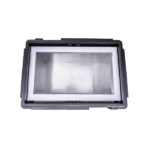
Revestimiento de caja térmica El precio debe compararse a través de la lente del rendimiento., adaptar, y costo total de operación. Un revestimiento térmico para cajas puede ser una forma práctica de mejorar una caja de cartón corrugado para productos refrigerados., congelado, o envíos sensibles al calor, pero sólo funciona cuando el revestimiento, refrigerante, producto, caja de cartón, ruta, y el proceso de manipulación están diseñados como un solo paquete.
Una decisión útil comienza con unas instrucciones de envío claras: tipo de producto, rango de temperatura requerido, duración del envío, tamaño del cartón, volumen de carga útil, plan de refrigerante, exposición estacional, cantidad de pedido, y recibir expectativas. Una vez definidos esos hechos, El precio del revestimiento de caja térmica se puede revisar de manera justa entre proveedores en lugar de juzgarse por un solo número..
Respuesta rápida para compradores
Elija un revestimiento térmico para cajas solo después de confirmar tres cosas: Se ajusta a la caja y a la carga útil., Soporta el objetivo de temperatura requerido para la ruta prevista., y el proveedor puede repetir la especificación en la cantidad requerida. Si alguno de esos puntos no está claro, el precio aún no es comparable.
Para envíos de menor riesgo, un revestimiento aislante flexible puede proporcionar suficiente amortiguación térmica cuando se combina con el refrigerante y la ventana de entrega adecuados. Para alimentos de alto riesgo, farmacéutico, biológico, o envíos de larga ruta, pruebas adicionales, escucha, o es posible que se requiera un transportista calificado. El revestimiento debe tratarse como un componente de un sistema de embalaje más grande..
Cómo el revestimiento crea valor
Un revestimiento térmico para cajas crea valor al ralentizar la transferencia de calor, mejorar la protección interior del cartón, y hacer que el paquete sea más fácil de repetir. También puede ayudar a los compradores a utilizar cajas de cartón corrugado estándar en lugar de cambiar cada envío a un refrigerador rígido.. Esta flexibilidad es una de las razones revestimientos térmicos para cajas son comunes en el comercio electrónico de alimentos, mariscos, lácteos, productos cosméticos, kits de laboratorio, y envíos sanitarios seleccionados.
El valor no es sólo térmico.. Un revestimiento puede reducir los daños por manipulación, Mantenga los paquetes de gel en una posición predecible., mejorar la experiencia de unboxing, y reducir el espacio del almacén cuando se envía plano. Para compradores al por mayor, Estos beneficios operativos pueden importar tanto como el precio del material..
Materiales y formatos para comparar
La elección del material establece la base para el rendimiento y el costo del revestimiento térmico para cajas.. Los revestimientos de burbujas reflectantes son ligeros y compactos.. Los diseños de doble burbuja pueden agregar rigidez y amortiguación.. Los revestimientos de espuma pueden proporcionar amortiguación y espesor estable.. Los revestimientos de papel o fibra pueden contribuir a los objetivos de reducción de residuos cuando la ruta de reciclaje es realista. Las estructuras híbridas pueden combinar beneficios, pero también pueden dificultar la separación al final del uso..
Los compradores deben evitar elegir únicamente por el nombre del material.. Pregunte cómo se convierte el revestimiento., cómo se cierran los bordes, si el revestimiento se ajusta a la caja prevista, ¿Cuánto espacio de carga útil queda?, y cómo se comporta el material cuando se expone a la condensación, compresión, o manipulación repetida.
Controladores de precios que deberían ser visibles en la cotización
El tipo de material y el espesor influyen en el precio de los revestimientos térmicos para cajas, pero no son los únicos factores que generan costos. El número de capas, peso de la película, densidad de la espuma, estructura de burbuja, gramaje del papel, acabado superficial, adhesivos, y el sellado de bordes afectan la materia prima y el costo de conversión.
Las dimensiones son importantes porque un pequeño cambio en el tamaño de la caja puede aumentar el uso de material y el cubo de envío.. Los compradores deben comparar las dimensiones externas., dimensiones internas, espesor del revestimiento, y volumen de carga útil. Un revestimiento que se ajuste demasiado flojo a la caja puede desperdiciar espacio y permitir el movimiento del aire.; uno que quede demasiado apretado puede aplastar las esquinas o complicar el embalaje.
La cantidad del pedido afecta la eficiencia de la configuración, pero el precio unitario más bajo suele aparecer cuando la especificación es estable. Tamaño personalizado, lámina impresa, etiquetas especiales, nuevas herramientas, muestreo, y los lotes de producción pequeños pueden aumentar los costos. En cambio, la personalización puede reducir la mano de obra, mejorar el ajuste, y menor daño al producto cuando se hace correctamente.
Los costos de flete y almacenamiento deben incluirse en la comparación.. Los revestimientos plegables pueden reducir el volumen del almacén y los costos de transporte entrante en comparación con el voluminoso aislamiento rígido. Sin embargo, revestimientos muy gruesos, inserciones complejas, o grandes cantidades de pedidos aún pueden crear presión de almacenamiento. Para pedidos de exportación, El embalaje de los palés y el número de cajas a menudo son tan importantes como el precio unitario..
Una cotización práctica debe separar el costo del material del costo opcional.. Pida a los proveedores que identifiquen impresiones personalizadas, estampación, etiquetado, soporte de prueba, formato de embalaje, y términos de flete. Las líneas de cotización claras facilitan la comparación de proveedores sin comparar accidentalmente diferentes productos..
Límites de desempeño y riesgos de uso indebido
No es lo mismo un transatlántico que un totalmente cualificado sistema de envío con temperatura controlada. Ralentiza la transferencia de calor dentro de una caja de cartón., pero el resultado final aún depende del preacondicionamiento del producto., tipo de refrigerante, empacar, calidad del cierre, exposición ambiental, duración de la entrega, y cómo se maneja el paquete después de la recogida.
Un forro de caja térmica puede resultar insuficiente cuando el recorrido es largo, la exposición ambiental es severa, el producto tiene un rango permitido estrecho, o la carga útil tiene un valor alto. en esos casos, los compradores pueden necesitar un transportista aislado calificado, un refrigerante diferente, monitoreo más robusto, transporte activo con temperatura controlada, o una configuración de embalaje validada.
La resistencia al agua no debe confundirse con el control de la temperatura.. Un revestimiento puede resistir la condensación o la exposición a líquidos ligeros., pero eso no prueba que pueda mantener la temperatura requerida. Tampoco hay que confundir reciclabilidad con sostenibilidad. Un revestimiento reciclable que falla y causa desperdicio de producto puede generar un resultado peor que un diseño menos reciclable que protege el producto de manera confiable..
Alimento, Farmacéutico, y requisitos de ruta
Las decisiones sobre envasado térmico deben basarse en un requisito de temperatura definido.. Los envíos de alimentos pueden centrarse en la frescura del producto, reducción del deterioro, y manejo sanitario. Los envíos farmacéuticos y biológicos pueden requerir condiciones de almacenamiento documentadas., paquetes calificados, monitoreo calibrado, manejo de desviaciones, y registros. El mismo transatlántico puede aparecer en ambos mundos., pero la evidencia requerida no es la misma.
Los estándares de prueba y las prácticas de calificación de la industria son útiles porque obligan al comprador a definir la ruta esperada., tiempo, exposición estacional, carga útil, y empacar. Perfiles de prueba de paquetes, estudios de cámara térmica, y los datos de carriles pueden ayudar a comparar diseños, pero el resultado se aplica a la configuración probada. Cambiar el tamaño del cartón, masa del producto, cantidad de refrigerante, o el método de cierre puede cambiar el rendimiento.
Para medicamentos y otros productos sanitarios sensibles a la temperatura, La selección del embalaje debe considerar el etiquetado del producto., rango de almacenamiento, temperaturas exteriores previstas, duración del transporte, y el espacio requerido para el envío. El personal también debe comprender cómo ensamblar cajas aisladas para que los refrigerantes no dañen el producto directamente y se siga la configuración estacional prevista..
Para el transporte de alimentos, Los compradores deben recordar que el embalaje es sólo un control.. Es posible que los vehículos o equipos deban poder limpiarse y ser capaces de mantener las temperaturas requeridas.. Cargando, tránsito, recepción, y las prácticas de registro pueden ser parte del sistema de seguridad alimentaria según la jurisdicción y la categoría del producto..
Herramientas útiles para tomar decisiones
Comprueba los detalles antes de elegir el embalaje.
Estas herramientas rápidas pueden ayudarle a comparar el riesgo de la ruta, necesidades de dimensionamiento, opciones de refrigerante, y detalles del embalaje antes de solicitar una cotización.
Generador de listas de verificación de cumplimiento
Cree una lista de verificación práctica para la revisión del embalaje, envío, y documentación.
Crear lista de verificaciónCalculadora de hielo seco
Calcule las necesidades de hielo seco para envíos congelados o ultrafríos antes de empacar.
Estimar hielo secoReferencia del material aislante
Compare opciones de materiales aislantes para diferentes necesidades de embalaje de la cadena de frío.
Comparar materialesLista de verificación práctica de proveedores para cotizaciones y pedidos al por mayor
Porque la comparación de precios y la evaluación del comprador es una decisión de compra., La conversación con el proveedor debe ir más allá del precio unitario.. Un proveedor útil puede explicar dónde funciona bien el revestimiento, donde no lo hace, y qué información se necesita antes de un pedido piloto o al por mayor. Las siguientes preguntas ayudan a convertir una cotización en una especificación controlada..
Confirme las dimensiones internas y externas por separado. El tamaño exterior afecta el ajuste y la paletización de la caja., mientras que el tamaño interior determina la carga útil útil según el espesor del revestimiento, pliegues, refrigerantes, y relleno de huecos están incluidos.
Pregunte cómo controla el proveedor la coherencia entre la muestra y la producción.. Una muestra de preproducción puede funcionar bien, pero los lotes de producción deben coincidir con el laminado acordado, espesor, ancho del sello, adhesivo, patrón de plegado, y caja de cartón.
Definir el pack-out antes de cotizar. Indique el rango de temperatura del producto., masa de carga útil, tipo de refrigerante, peso del refrigerante, duración del envío, ruta, exposición estacional, y proceso de inspección de recepción. Una cotización sin estos datos es sólo una cotización de material., no es una solución de envío.
Revisar detalles de cierre y montaje.. Solapas, tiras de cinta, líneas de plegado, refuerzos, y las costuras afectan la velocidad de empaque y la fuga de calor. Los pequeños cambios pueden ser importantes cuando se empaquetan cientos o miles de paquetes cada día.
Aclarar MOQ, plazo de entrega, impresión personalizada, etiquetado, embalaje de paletas, y reglas de control de cambios. Estos puntos comerciales afectan el costo., pero también afectan la rapidez con la que un comprador puede cambiar el tamaño de la caja o actualizar una especificación de material..
Comprobar higiene, olor, resistencia a la humedad, y necesidades de trazabilidad. Los compradores de alimentos y atención médica pueden requerir codificación de lotes, condiciones de embalaje limpio, declaraciones materiales, y procedimientos para el manejo de revestimientos rechazados o dañados..
Cómo ejecutar un piloto antes de escalar
Un pedido piloto de revestimientos térmicos para cajas debe utilizar la configuración de embalaje real. Empaque el producto o una carga útil realista, acondicionar el refrigerante según lo previsto, Cierre la caja de la misma manera que la cerrarán los trabajadores de producción., y exponer el paquete a la ruta planificada o a un perfil de prueba relevante. Registrar la temperatura del producto, exposición ambiental, tiempo de embalaje, condición del producto, y retroalimentación del receptor.
El piloto debe incluir suficientes muestras para revelar la variación del ensamblaje.. Un embalaje perfecto realizado por un ingeniero no prueba que un equipo de embalaje ocupado pueda repetir el método. Incluir operadores normales, condiciones máximas de embalaje cuando sea posible, e instrucciones claras. Si un forro es difícil de doblar o cerrar, corríjalo antes de realizar pedidos al por mayor.
Utilice resultados piloto para refinar las dimensiones, patrón de plegado, cantidad de refrigerante, fuerza del cartón, y recibiendo instrucciones. Luego bloquee la especificación con el proveedor.. Una especificación controlada protege el precio, calidad, y rendimiento en todos los pedidos.
Control de costos sin perder el objetivo de la cadena de frío
El control de costos para los revestimientos térmicos de cajas comienza con la reducción de la incertidumbre. Los compradores deben probar el revestimiento más pequeño que protege la carga útil en la ruta prevista., en lugar de elegir automáticamente el material más grueso o más barato. El tamaño correcto puede reducir el material, cubo de cartón, peso del refrigerante, y costo de almacenamiento al mismo tiempo.
La estandarización del tamaño de las cajas también puede reducir los costos. Si varios productos pueden utilizar el mismo tamaño de revestimiento sin comprometer el espacio de carga útil, El comprador puede obtener una mayor eficiencia de producción y un control de inventario más sencillo.. Sin embargo, La sobreestandarización puede resultar contraproducente cuando se introduce el mismo revestimiento en productos con riesgos térmicos muy diferentes..
La mano de obra de embalaje es otro coste oculto. Un forro que se abre rápidamente., tiene pliegues claros, se cierra con una solapa confiable, y mantiene los paquetes de gel en una posición repetible puede reducir errores. Un revestimiento que necesita cinta adicional, entrenamiento extra, o el retrabajo puede ser más costoso de lo que sugiere la cotización.
La comparación más útil suele ser el costo total por envío exitoso.. Esa vista incluye el precio del transatlántico., uso de refrigerante, costo del cartón, mano de obra, cubo de carga, almacenamiento, reclamos, desecho, y perdida de producto. También anima a los compradores a elegir una especificación que pueda repetirse de forma segura a lo largo de las estaciones..
Preguntas frecuentes
¿Cuál es el factor más importante en el precio del revestimiento de caja térmica??
El factor más importante es si la cotización coincide con una configuración de envío definida.. El precio del material por sí solo no es suficiente.
¿Puede un tamaño de revestimiento cubrir todos los productos??
A veces una talla puede cubrir un grupo de productos similares, pero forzar un revestimiento a través de diferentes cargas útiles puede desperdiciar cubos o reducir la protección..
¿Cómo deberían los compradores comparar las afirmaciones de sostenibilidad??
Pregunta cual es el material, si se acepta en el flujo de reciclaje previsto, si se requiere separación, y si el transatlántico aún cumple con el objetivo de rendimiento de la ruta.
¿Cuándo debe un comprador solicitar una calificación adicional??
Solicitar calificación adicional cuando el producto sea de alto valor, regulado, sensible a rangos de temperatura estrechos, enviados en rutas largas o difíciles, o cambiado del paquete probado.
Acerca de Tempk
Tempk apoya la cadena de frío y embalaje con temperatura controlada con productos como revestimientos de cajas aislados, bolsas de hielo en gel, paquetes de hielo seco, bolsas aisladas, cajas más frescas, y cubiertas térmicas para palets. Para proyectos de revestimiento de cajas térmicas, Nos centramos en un ajuste práctico del cartón., manejo ligero, almacenamiento plegable, y personalización que puede coincidir con el perfil de envío de un comprador. Nuestra función es ayudar a los compradores a comparar la elección de materiales., diseño de paquete, y requisitos de pedido sin tratar un revestimiento como una respuesta universal para cada producto o ruta.
Obtenga orientación sobre embalaje
Comparte el tamaño de tu caja, rango de temperatura, duración de la ruta, carga útil, y la cantidad de pedido objetivo para analizar una opción adecuada de revestimiento de caja térmica. Solicite orientación antes de realizar un pedido al por mayor o personalizado.