El vaccine cadena de frío industry mantiene potentes las vacunas que salvan vidas al mantener condiciones de temperatura precisas desde la fabricación hasta la administración. sin eso, las vacunas se degradan o se vuelven ineficaces, y la salud mundial sufre. La Organización Mundial de la Salud advierte que hasta 50 % of global vaccines are wasted every year due to inadequate cadena de frío logistics. Como demanda de ARNm, Las terapias celulares y genéticas crecen y los requisitos de temperatura se vuelven más extremos., el vaccine cadena de frío industry debe adaptarse rápidamente. Este artículo (actualizado el Noviembre 27, 2025) explica los estándares, equipo, technologies and trends that will shape the vaccine cadena de frío through 2025 y más allá.
Entender por qué el vaccine cadena de frío industry es fundamental y cómo los estrictos rangos de temperatura preservan la potencia.
Conozca las pautas de temperatura y recomendaciones de almacenamiento actuales de los CDC y la OMS.
Identificar los componentes centrales de la vaccine cadena de frío industry—unidades de almacenamiento, sistemas de embalaje y tecnología de monitorización.
Build a robust cadena de frío with practical steps, listas de verificación y planes de contingencia.
Explorar 2025 innovaciones como la optimización de rutas impulsada por IA, trazabilidad de blockchain y embalaje sostenible.
Examinar las tendencias del mercado., Nuevas terapias y dinámicas regionales que impulsan el crecimiento..
Encuentre soluciones para regulaciones, infraestructura y desafíos humanos.
Lea las preguntas frecuentes sobre el almacenamiento, Transporte y terapias emergentes..
Why Is the Vaccine cadena de frío Industry Essential for Potent Immunizations?
Respuesta directa
The vaccine cadena de frío industry maintains immunization potency by keeping vaccines within strict temperature ranges throughout storage and transport. Las vacunas convencionales como el sarampión o la hepatitis B requieren 2 °C–8 °C almacenamiento, mientras que las vacunas de ARNm necesitan condiciones ultrafrías de –90 °C a –60 °C. La OMS señala que hasta 50 % of vaccines are wasted each year because poor cadena de frío logistics allow temperature excursions. Maintaining the cadena de frío prevents degradation and ensures doses actually confer immunity.
Explicación expandida
Cuando una vacuna sale del fabricante, debe permanecer dentro de una banda de temperatura estrecha hasta la inyección.. Vaccine cadena de frío industry Los sistemas utilizan refrigeradores., Congeladores y congeladores ultrabajos diseñados específicamente para vacunas., en lugar de unidades de consumo que pueden fluctuar ampliamente. Incluso una breve exposición al calor o al congelamiento puede descomponer proteínas delicadas o cadenas de ARNm.; un Estados Unidos. Se encontró un estudio del Departamento de Salud y Servicios Humanos 76 % de los proveedores almacenaron las vacunas a temperaturas inadecuadas durante al menos cinco horas en dos semanas. Las consecuencias incluyen dosis desperdiciadas., campañas de revacunación, Pérdida financiera y erosión de la confianza pública.. En crisis humanitarias o regiones remotas, La energía poco confiable y el terreno difícil provocan un gran desperdicio y dejan a las poblaciones desprotegidas..
El costo del fracaso
| Cuestión clave | Impacto en las vacunas | Lo que significa para ti |
| Excursiones de temperatura | El calor o la congelación pueden inactivar las vacunas | Los pacientes pueden recibir dosis ineficaces., exigir revacunación y socavar la confianza. |
| Falta de seguimiento | Sin seguimiento continuo, las desviaciones pasan desapercibidas | Los lotes desperdiciados aumentan los costos y retrasan las campañas de inmunización. |
| Mala infraestructura | Las áreas remotas carecen de energía confiable, causa 50 % pérdida | Las comunidades siguen siendo vulnerables a enfermedades prevenibles. |
Consejos prácticos
Ajustar los termostatos al punto medio. del rango recomendado para reducir las excursiones.
Calibrar dispositivos de monitoreo regularmente; utilizar registradores de datos con incertidumbre ±0,5 °C.
Minimizar las aperturas de puertas planificando el acceso a las vacunas y evitando almacenar dosis en los estantes de las puertas.
Ejemplo del mundo real: En 2012, A NOSOTROS. reguladores encontrados 76 % de los proveedores expusieron las vacunas a temperaturas inadecuadas, subrayando la necesidad de equipos y monitoreo especialmente diseñados.
¿Cómo afectan los rangos de temperatura a la potencia de la vacuna??
Respuesta directa
Las diferentes vacunas requieren rangos de temperatura específicos para seguir siendo potentes. Vacunas convencionales debe permanecer entre 2 °C y 8 °C. Vacunas congeladas como la varicela necesitan –50 °C a –15 °C, mientras vacunas ultrabajas (ARNm o terapias genéticas) requieren –90 °C a –60 °C. Superando estos rangos, especialmente congelar una vacuna líquida, Causa daños irreversibles a estructuras moleculares delicadas..
Explicación expandida
La ciencia detrás de estos rangos radica en la estabilidad de las moléculas biológicas.. El calor acelera las reacciones químicas que degradan las proteínas o el ARNm., mientras que la congelación forma cristales de hielo que rompen las nanopartículas lipídicas. Por ejemplo, El conjunto de herramientas para el almacenamiento y manipulación de vacunas de los CDC establece que los refrigeradores deben mantener 2 °C–8 °C y congeladores –50 °C a –15 °C. Se requieren congeladores ultrafríos para las vacunas de ARNm (–90 °C a –60 °C). Algunos medicamentos como la insulina requieren 15 °C-25 °C (temperatura ambiente controlada) y todavía necesita seguimiento.
Mesa: Pautas de temperatura e implicaciones
| Vacuna o terapia | Rango de almacenamiento recomendado | Productos de ejemplo | Implicaciones prácticas |
| Vacunas convencionales | 2 °C-8 °C (36 °F–46 °F) | Sarampión, Hepatitis B | Utilice refrigeradores especialmente diseñados; Evite los estantes de las puertas propensos a fluctuaciones.. |
| Vacunas congeladas | –50 °C a –15 °C | Varicela, algunas vacunas COVID19 | Requiere congeladores; capas de vacunas para garantizar un enfriamiento uniforme. |
| Vacunas ultrabajas | –90 °C a –60 °C | Vacunas de ARNm (PfizerBioNTech original) | Utilice congeladores ultrabajos especializados; Evite abrir la puerta con frecuencia. |
| Terapias celulares y genéticas. | Por debajo de –150 °C (criogénico) | Terapias CARRO, terapias génicas | Utilice nitrógeno líquido; requiere personal capacitado. |
| Medicamentos a temperatura ambiente | 15 °C-25 °C (59 °F–77 °F) | Insulina, quimioterapias | Todavía necesita seguimiento; el calor excesivo puede volverlos tóxicos. |
Consejos para mantener el alcance
Establecer termostatos en el punto medio y calibrar periódicamente.
Utilice DDL (registradores de datos digitales) para un historial de temperatura preciso.
Evite los estantes y cajones de las puertas., que experimentan cambios de temperatura.
Monitorear continuamente y mantener planes de contingencia para cortes de energía o fallas de equipos.
What Are the Core Components of the Vaccine cadena de frío Industry?
Respuesta directa
El vaccine cadena de frío industry se basa en tres componentes principales: equipo de almacenamiento, sistemas de embalaje y tecnología de monitoreo. El almacenamiento incluye refrigeradores especialmente diseñados, congeladores y ultracongeladores. Los sistemas de embalaje son pasivos. (contenedores aislados con bolsas de hielo) o activo (refrigeración motorizada). Los dispositivos de monitoreo van desde registradores de datos digitales (DDL) a sensores IoT y soluciones blockchain.
Explicación expandida
Unidades de almacenamiento: Los refrigeradores y congeladores adecuados mantienen temperaturas estables y proporcionan un flujo de aire uniforme. Los CDC recomiendan calibrar cada unidad y registrar las temperaturas dos veces al día durante la estabilización.. Los congeladores ultrabajos mantienen las vacunas de ARNm entre –90 °C y –60 °C. Las unidades portátiles apoyan el transporte o las clínicas de campo..
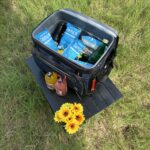
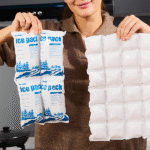
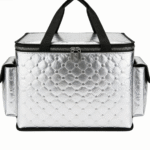
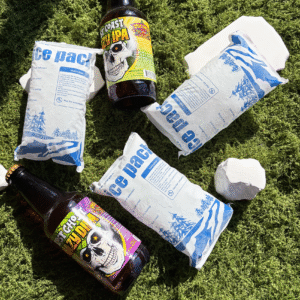
Embalaje: Uso de sistemas pasivos. cajas aisladas con materiales de cambio de fase o bolsas de hielo en gel; Son rentables para viajes cortos pero requieren un acondicionamiento preciso.. Los sistemas activos emplean refrigeración motorizada y a menudo incluyen energía de respaldo.. Para envíos ultrafríos, Puede ser necesario hielo seco o nitrógeno líquido..
Dispositivos de monitoreo: Los registradores de datos digitales registran la temperatura a intervalos establecidos y emiten una alarma cuando está fuera de rango. Los sensores de IoT y el GPS proporcionan datos en tiempo real sobre la ubicación y las condiciones ambientales, mientras que la tecnología blockchain crea registros de temperatura a prueba de manipulaciones, mejorar la transparencia.
Mesa: Componentes y sus funciones
| Componente | Descripción | Por que importa |
| Frigorífico/congelador especialmente diseñado | Mantiene las vacunas estables 2 °C–8 °C o –50 °C a –15 °C | Previene la pérdida de potencia.; Los refrigeradores estándar pueden congelar o sobrecalentar las vacunas.. |
| Congelador ultrabajo | Mantiene de –90 °C a –60 °C para terapias genéticas y de ARNm | Esencial para terapias emergentes que requieren temperaturas criogénicas. |
| Embalaje pasivo | Cajas aisladas con bolsas de hielo o materiales de cambio de fase. | Rentable para distancias cortas; Se puede combinar con sensores activos.. |
| Embalaje activo | Contenedores motorizados con unidades de refrigeración. | Adecuado para largas distancias o condiciones extremas; mantener una temperatura constante. |
| Registrador de datos digitales (DDL) | Registra la temperatura a intervalos establecidos y emite alarmas cuando está fuera de rango. | Proporciona un historial de temperatura preciso; requerido por CDC para cada unidad de almacenamiento y transporte. |
| sensor de IO / GPS / cadena de bloques | Agrega seguimiento de ubicación y registros a prueba de manipulaciones | Mejora la visibilidad y permite intervenciones proactivas antes de que las excursiones dañen las vacunas.. |
Consejos y consejos prácticos
Elija el sistema adecuado para la distancia: Para entregas locales, Los refrigeradores pasivos pueden ser suficientes.; para envíos intercontinentales, invertir en sistemas activos o contenedores criogénicos.
Validar embalaje: Realice pruebas de calificación antes de usar un refrigerador nuevo para garantizar que mantenga la temperatura requerida durante el tiempo esperado..
Calibrar sensores cada 2 o 3 años o según las pautas del fabricante.
Caso del mundo real: World Courier presentó embalajes inteligentes con seguimiento en tiempo real; Las transmisiones de datos permiten a los equipos intervenir si las temperaturas cambian..
Cómo construir una cadena de frío sólida para vacunas en 2025
Respuesta directa
Construir una cadena de frío sólida requiere un enfoque sistemático: evaluar riesgos, seleccionar el equipo apropiado, planificar rutas, monitorear continuamente y preparar contingencias. Empiece por evaluar la sensibilidad a la temperatura de cada vacuna., luego elija sistemas de almacenamiento y embalaje especialmente diseñados, mapear rutas de transporte y emplear monitoreo continuo con DDL y sensores de IoT. Contingency plans ensure you can maintain the cadena de frío during emergencies.
Plano paso a paso
Evaluación de riesgos y planificación de inventarios. – Identificar los requisitos y el volumen de almacenamiento de cada vacuna.. Estimar dosis, tiempo de almacenamiento y duración del tránsito. Evaluar riesgos ambientales como altas temperaturas ambientales o terreno accidentado..
Seleccionar y validar equipos. – Elige refrigeradores, Congeladores y soluciones de embalaje que coinciden con el perfil de temperatura.. Valídalos con ejecuciones de prueba.; Por ejemplo, una hielera que mantiene 2 °C–8 °C para 24 Las horas pueden ser suficientes para la distribución regional., mientras que los envíos ultrabajos pueden necesitar hielo seco o contenedores criogénicos.
Planificación de rutas y logística. – Optimice las rutas para reducir el tiempo de tránsito y evitar el tráfico.. Para áreas remotas, considere el transporte multimodal o la entrega con drones; Los drones se han vuelto prácticos para entregar vacunas a comunidades de difícil acceso.. Create schedules that allow quick transfers between cadena de frío components.
Monitoreo continuo – Equipar cada envío con un sensor DDL y IoT con GPS. Supervise los datos de temperatura y ubicación en tiempo real para poder intervenir si se producen retrasos o excursiones. Establecer alarmas cuando la temperatura se acerque a los umbrales.
Capacitación del personal – Capacitar al personal para empacar, manipular y desembalar las vacunas correctamente. Deberían saber colocar bolsas de hielo., lea DDL y maneje envíos con mínima agitación.
Planificación de contingencias – Desarrollar planes para cortes de energía., averías del vehículo o retrasos en los vuelos. Mantenga generadores de respaldo y rutas alternativas.. Cuando se utiliza hielo seco o nitrógeno líquido, planificar el reabastecimiento durante viajes prolongados.
Herramientas y listas de verificación
Lista de verificación de preparación para la cadena de frío – Crear una autoevaluación con preguntas sobre calibración de equipos., energía de respaldo, capacitación, documentación y seguimiento.
Planificador de rutas interactivo – Utilizar herramientas digitales para simular rutas., incluyendo el tiempo en cada zona de temperatura y pronósticos meteorológicos.
Programador de sesiones de vacunación – Adaptar la disponibilidad de vacunas a las necesidades de la comunidad, Minimizar el tiempo que se pasa fuera de los refrigeradores..
Caso del mundo real – Durante el 2023 brote de mox, Los CDC actualizaron su conjunto de herramientas para incluir recomendaciones de transporte de emergencia.. Las instalaciones que adoptaron estas pautas mantuvieron la integridad de las vacunas durante los aumentos repentinos.
Which Innovations Are Transforming the Vaccine cadena de frío Industry in 2025?
Respuesta directa
Tecnologías avanzadas como inteligencia artificial, cadena de bloques, embalaje inteligente, entrega con drones y refrigeración sostenible están revolucionando el vaccine cadena de frío industry en 2025. El seguimiento en tiempo real y el análisis predictivo proporcionan visibilidad granular, La IA predice excursiones y optimiza rutas, blockchain garantiza registros a prueba de manipulaciones, mientras que la energía renovable y los envases reutilizables mejoran la sostenibilidad.
Explicación expandida
Inteligencia artificial y análisis predictivo: La IA analiza datos históricos de temperatura y rutas para predecir dónde podrían ocurrir excursiones. Los modelos de aprendizaje automático pronostican la demanda, prevenir el exceso de existencias o la escasez. Los algoritmos de enrutamiento dinámicos impulsados por IA mejoran las rutas de transporte y reducen los retrasos. Además, Los dispositivos impulsados por IA monitorean continuamente la temperatura y la humedad y alertan a los equipos de logística cuando las condiciones cambian..
Blockchain y Trazabilidad Digital: Blockchain almacena registros de temperatura a prueba de manipulaciones, Garantizar el cumplimiento y permitir un seguimiento rápido en caso de problemas de calidad.. Esta transparencia es cada vez más importante a medida que los reguladores exigen pruebas del control continuo de la temperatura..
Embalaje inteligente: Empresas como World Courier implementan embalajes inteligentes con sensores integrados que transmiten datos de ubicación y temperatura en tiempo real.. Los clientes pueden ver los envíos en paneles e intervenir rápidamente si una excursión es inminente.
Entrega autónoma y con drones: Drones y vehículos autónomos ofrecen entregas de última milla en regiones remotas, Reducir el tiempo de tránsito y la exposición a condiciones externas.. Estas soluciones complementan el transporte terrestre y aéreo, permitiendo redes flexibles.
Refrigeración con energía solar: Soluciones de energía renovable, como cámaras frigoríficas y congeladores que funcionan con energía solar, Ofrecer refrigeración estable en áreas con electricidad poco confiable.. Las unidades solares reducen las emisiones de gases de efecto invernadero y los costos operativos al tiempo que garantizan la seguridad de las vacunas.
Embalajes Reutilizables y Sostenibles: Para abordar las preocupaciones ambientales, La industria se está alejando de los envases de un solo uso.. Los contenedores reutilizables con aislamiento modular y paquetes de gel se pueden desinfectar y reutilizar, reduciendo el desperdicio y el costo. Los sistemas activos incorporan unidades alimentadas por baterías que se cargan mediante energía renovable.
Mesa: Innovaciones y beneficios clave
| Innovación | Descripción | Beneficio para usted |
| Optimización de rutas impulsada por IA | Los algoritmos analizan el clima., tráfico y datos históricos para planificar rutas óptimas y predecir riesgos | Reduce retrasos, Reduce los costos de combustible y minimiza las variaciones de temperatura.. |
| Trazabilidad basada en blockchain | El libro mayor distribuido registra cada lectura de temperatura; a prueba de manipulaciones y transparente | Facilita las auditorías y genera confianza con los reguladores y los pacientes.. |
| Embalajes reutilizables inteligentes | Contenedores con sensores integrados y aislamiento duradero | Proporciona visibilidad en tiempo real y reduce el desperdicio.; se puede limpiar y reutilizar. |
| Refrigeración con energía solar | Cámaras frigoríficas y congeladores alimentados por paneles solares o sistemas híbridos | Ofrece almacenamiento confiable en áreas fuera de la red, reduce los costos de energía y las emisiones. |
| Entrega con drones | Vehículos aéreos no tripulados para el transporte de última milla | Acorta el tiempo de entrega, reduce el riesgo de excursiones y amplía el alcance de la atención sanitaria. |
Consejos para adoptar innovaciones
Comience con proyectos piloto probar nuevas tecnologías antes de su implementación completa.
Integrar sistemas de datos solo IA, Los sensores de IoT y las plataformas blockchain comparten información.
Asóciese con expertos—collaborate with logistics providers and tech companies experienced in vaccine cadena de fríos.
What Market Trends Shape the Vaccine cadena de frío Industry in 2025?
Respuesta directa
El vaccine cadena de frío industry se está expandiendo rápidamente debido a la creciente demanda de terapias celulares y genéticas, Medicamentos para bajar de peso y vacunas contra enfermedades infecciosas.. La logística con temperatura controlada representó aproximadamente 18 % del gasto en logística biofarmacéutica en 2020 and the healthcare cadena de frío market is projected to grow from USD 65.3 mil millones en 2025 a USD 154.7 mil millones por 2035. Las terapias emergentes requieren condiciones ultrafrías (por debajo de –80 °C) mientras que los nuevos medicamentos, como los medicamentos para bajar de peso GLP1, deben permanecer en 2 °C-8 °C.
Explicación expandida
Creciente demanda de terapias celulares y genéticas: Terapias celulares y genéticas. (CGT) requieren almacenamiento ultrafrío o criogénico por debajo de –80 °C. GlobalData estima que el mercado de CGT podría superar el dólar 81 mil millones por 2029. El manejo de CGT exige un embalaje especializado, formación y cumplimiento normativo.
Herramientas útiles para tomar decisiones
Comprueba los detalles antes de elegir el embalaje.
Estas herramientas rápidas pueden ayudarle a comparar el riesgo de la ruta, necesidades de dimensionamiento, opciones de refrigerante, y detalles del embalaje antes de solicitar una cotización.
Referencia del material aislante
Compare opciones de materiales aislantes para diferentes necesidades de embalaje de la cadena de frío.
Comparar materialesResistencia a la caída del material aislante
Revise la resistencia a caídas y los factores de manipulación antes de elegir materiales aislantes..
Comprobar resistenciaCalculadora de hielo seco
Calcule las necesidades de hielo seco para envíos congelados o ultrafríos antes de empacar.
Estimar hielo secoCrecimiento de los medicamentos para bajar de peso: Medicamentos GLP1, como semaglutida, requieren estricto 2 °C–8 °C almacenamiento. Rising demand is straining supply chains and underscores the need for reliable cadena de frío logistics.
Manejo de enfermedades infecciosas: El cambio climático amplía la gama de mosquitos y garrapatas portadores de enfermedades. Se espera que el mercado mundial de diagnóstico de enfermedades infecciosas alcance los dólares estadounidenses. 31.5 mil millones por 2028. Las disparidades regionales significan que se necesitan proveedores de logística especializados para atender a los mercados desatendidos..
Inversión y crecimiento del mercado: The overall cadena de frío market is forecast to increase from USD 454.48 mil millones en 2025 a USD 776.01 mil millones por 2029 en una CAGR de 12.2 %. Las vacunas representan aproximadamente 38.6 % of healthcare cadena de frío logistics in 2025.
Desperdicio y desigualdad: A pesar del crecimiento, persisten las ineficiencias. OMS señala que ante el COVID19, arriba a 50 % de vacunas se desperdician cada año, y durante 2021 solo 14 % de las vacunas COVID19 previstas llegaron a los países más pobres. Esto pone de relieve la necesidad de mejorar la infraestructura y la distribución equitativa..
Instantánea del mercado
| Métrico | Valor | Fuente | Lo que indica |
| Gasto en logística biofarmacéutica en logística con temperatura controlada (2020) | ≈18 % | Arena de ensayos clínicos | Growing importance of cadena de frío within overall logistics spend. |
| Valor de mercado de la logística de la cadena de frío sanitaria (2025) | Dólar estadounidense 65.3 mil millones | Perspectivas futuras del mercado | Tamaño de referencia del sector de la cadena de frío de la atención sanitaria. |
| Previsión logística de la cadena de frío sanitaria (2035) | Dólar estadounidense 154.7 mil millones, CAGR ≈ 9.0 % | Perspectivas futuras del mercado | Fuerte potencial de crecimiento durante la próxima década. |
| Tamaño general del mercado de la cadena de frío (2025) | Dólar estadounidense 454.48 mil millones | Perspectivas de StartUs | Representa la industria global de la cadena de frío en todos los sectores.. |
| Previsión general del mercado de la cadena de frío (2029) | Dólar estadounidense 776.01 mil millones (Tocón 12.2 %) | Perspectivas de StartUs | Muestra un crecimiento acelerado y un interés inversor. |
| Participación de las vacunas en la logística de la cadena de frío de la atención sanitaria (2025) | 38.6 % | Perspectivas futuras del mercado | Destaca las vacunas como la categoría de productos más grande dentro de la cadena de frío de la atención médica. |
Consejos para aprovechar las tendencias del mercado
Invertir en capacidad ultrafría para manejar el aumento de CGT y vacunas de ARNm.
Planifique para diversas necesidades de temperatura ya que los medicamentos para bajar de peso y las terapias combinadas requieren perfiles de temperatura simultáneos.
Centrarse en los mercados desatendidos—crecimiento en Asia, África y América Latina ofrecen oportunidades para construir infraestructura.
Monitorear los cambios regulatorios as governments may introduce new mandates on cadena de frío monitoring and sustainability.
Visión del mundo real: En una encuesta de World Courier, 59 % de los líderes farmacéuticos esperaban un crecimiento en la fabricación de enfermedades infecciosas durante el próximo año, ascendido a 70 % más de cinco años. Alinear su estrategia logística con esta expansión puede ayudar a captar nuevos negocios.
¿Cuáles son los principales desafíos y soluciones para el transporte de vacunas??
Respuesta directa
El vaccine cadena de frío industry enfrenta desafíos como la complejidad regulatoria, limitaciones de infraestructura, obstáculos logísticos, altos costos, Preocupaciones por la sostenibilidad y errores humanos.. Las soluciones incluyen la adopción de estándares globales, infraestructura en expansión, uso de monitoreo en tiempo real e inteligencia artificial para la planificación de rutas, invertir en envases reutilizables y energías renovables, y proporcionando formación periódica.
Explicación expandida
Complejidad regulatoria: Los diferentes países tienen diferentes reglas sobre el almacenamiento de vacunas., importacion y documentacion. Mantenerse al día con las regulaciones en evolución es exigente. El 2023 El kit de herramientas de los CDC enfatiza el uso de DDL con certificados de calibración y documentación detallada.
Limitaciones de infraestructura: Muchas regiones carecen de energía confiable y almacenamiento en frío. Humanitarian organisations such as Atlas Logistics deploy adapted cadena de frío systems and train local teams to overcome these challenges.
Obstáculos logísticos: Combinando aire, El transporte marítimo y terrestre aumenta los traspasos; cada transferencia es un riesgo potencial. Retrasos debido al clima, las aduanas o la congestión pueden provocar variaciones de temperatura; La optimización de rutas y el seguimiento en tiempo real mitigan estos riesgos..
Costo y sostenibilidad: Specialised equipment and energy consumption make cadena de frío logistics expensive. Cadena de frío farmacéutica las fallas cuestan aproximadamente USD 35 mil millones anualmente. Los envases sostenibles y la energía renovable reducen los costos a largo plazo y el impacto ambiental.
Error humano: Embalaje inadecuado, Dejar las puertas abiertas o leer mal los termómetros puede estropear las vacunas.. La formación periódica y los procedimientos estandarizados son fundamentales.
Tabla de soluciones
| Desafío | Solución | Evidencia |
| Cumplimiento regulatorio | Mantener los POE actualizados, utilizar DDL con certificados de calibración y digitalizar registros | Los CDC recomiendan DDL con sondas tamponadas y registros de calibración. |
| Cortes de energía | Invierta en generadores de respaldo, Unidades alimentadas por energía solar y refrigeradores portátiles. | Atlas Logistics utiliza soluciones de gestión adaptadas con energía de respaldo y monitoreo continuo. |
| Interrupciones de ruta | Utilice la planificación de rutas basada en IA y drones para la entrega del último kilómetro | La IA y los drones mejoran la visibilidad y la resiliencia de la cadena de suministro. |
| Alto costo y desperdicio | Adoptar envases reutilizables, Equipos energéticamente eficientes y monitoreo en tiempo real. | Future Market Insights proyecta un fuerte crecimiento en la logística de la cadena de frío, siendo la sostenibilidad un foco importante. |
| error humano | Proporcionar formación periódica y controles de competencia.; crear POE claros para el embalaje y el seguimiento | Muchas pérdidas de vacunas se deben a errores simples; la formación continua reduce el riesgo. |
Consejos prácticos para superar los desafíos
Estandarizar procesos: Desarrollar protocolos claros para el embalaje., etiquetado y seguimiento; capacitar al personal para que el conocimiento esté siempre disponible.
Mejorar la visibilidad: Utilice paneles que integren datos de temperatura y ubicación para detectar patrones e intervenir de forma proactiva..
Construir asociaciones: Collaborate with logistics providers specialised in cadena de fríos to leverage expertise and infrastructure.
2025 Latest Developments and Trends in Vaccine cadena de frío
Descripción general de la tendencia
El vaccine cadena de frío industry está evolucionando rápidamente en 2025 con avances en tecnología inteligente, sostenibilidad y supervisión regulatoria. Los CDC 2024 La actualización del kit de herramientas para el almacenamiento y manipulación de vacunas hace hincapié en la estabilización de las temperaturas., utilizando registradores de datos digitales y dispositivos de calibración cada 2 o 3 años. Nuevos estándares de certificación como NSF/ANSI 456 Garantizar que los refrigeradores y congeladores cumplan con los requisitos de uniformidad de temperatura y rendimiento.. Los equipos energéticamente eficientes ahora equilibran el rendimiento con un consumo de energía reducido, mientras que los estándares Energystar proporcionan puntos de referencia.
Los últimos avances de un vistazo
Los equipos especialmente diseñados se convierten en estándar – Los laboratorios y clínicas están reemplazando los electrodomésticos de consumo con refrigeradores y congeladores especialmente diseñados que mantienen temperaturas uniformes incluso durante la apertura de puertas o fluctuaciones de energía..
NSF/ANSI 456 proceso de dar un título – Refrigeradores de vacunas certificados según NSF/ANSI 456 Vaccine Standard ofrece un rendimiento de temperatura constante.
Pautas actualizadas para el almacenamiento de la vacuna COVID19 – La fórmula de PfizerBioNTech 2024-2025 requiere almacenamiento entre –90 °C y –60 °C hasta su vencimiento; una vez descongelado, se puede refrigerar a 2 °C–8 °C durante hasta diez semanas. La fórmula de Moderna sigue una guía similar de los CDC.
Integración de IA e IoT – El monitoreo en tiempo real con análisis impulsados por IA mejora la toma de decisiones y reduce las desviaciones.
Enfoque de sostenibilidad – Las cámaras frigoríficas alimentadas por energía solar y los embalajes reutilizables reducen el impacto medioambiental.
Educación regulatoria – Initiatives like the National Accreditation Body for cadena de frío Management (NABCCM) Proporcionar formación estructurada., prácticas éticas y apoyo al cumplimiento.
Crecimiento regional – The AsiaPacific region is expected to grow fastest in the healthcare cadena de frío market, mientras que América del Norte sigue siendo dominante debido a su sólida infraestructura farmacéutica.
Escalamiento de la inversión – Global healthcare cadena de frío logistics market valued at USD 65.14 mil millones en 2025 y se prevé que alcance los USD 137.13 mil millones por 2034, con una CAGR de 8.63 %.
Ideas del mercado
El mercado está siendo moldeado por ambos factores del lado de la demanda (terapias emergentes, enfermedades infecciosas, crecimiento demográfico) y innovaciones del lado de la oferta (AI, cadena de bloques, energía renovable). El liderazgo de América del Norte surge de una sólida cadena de suministro farmacéutico y del acceso a tecnologías avanzadas.. El rápido crecimiento de la región de Asia y el Pacífico está impulsado por el aumento de los programas de vacunación y la inversión en infraestructura.. Mientras tanto, Los organismos reguladores como NABCCM en India lanzaron plataformas en febrero. 2025 to support policymakers and professionals in revolutionising cadena de frío compliance. A nivel mundial, El énfasis en la energía renovable y la reducción de residuos se alinea con objetivos de sostenibilidad más amplios..
Preguntas frecuentes
Q1: ¿Cuál es la temperatura ideal para almacenar las vacunas??
La mayoría de las vacunas convencionales deben almacenarse entre 2 °C y 8 °C. Los congeladores para determinadas vacunas requieren de –50 °C a –15 °C y los congeladores ultrabajos para terapias de ARNm necesitan de –90 °C a –60 °C. Consulte siempre las pautas del fabricante y las recomendaciones de los CDC..
Q2: ¿Por qué no puedo usar un refrigerador doméstico para las vacunas??
Los refrigeradores de consumo experimentan importantes fluctuaciones de temperatura y pueden congelar las vacunas sin darse cuenta., potencia destructora. Utilice equipos especialmente diseñados o de calidad farmacéutica que cumplan con NSF/ANSI. 456 estándares.
Q3: ¿Con qué frecuencia debo controlar y registrar las temperaturas??
Los CDC recomiendan monitorear y registrar las temperaturas mínimas y máximas dos veces al día al estabilizar unidades nuevas o reparadas y al menos cada 30 minutos usando registradores de datos digitales. La monitorización continua mediante DDL con alarmas es ideal.
Q4: ¿Qué herramientas ayudan a monitorear las vacunas durante el transporte??
Equipe cada contenedor de transporte con un registrador de datos digitales y, si es posible, sensores de iot y GPS para seguimiento en tiempo real. La tecnología Blockchain proporciona registros de temperatura a prueba de manipulaciones.
Q5: How is AI used in the vaccine cadena de frío industry?
La IA analiza datos históricos de temperatura y rutas para predecir excursiones, optimizar rutas y pronosticar la demanda. Alerta a los equipos de logística cuando las temperaturas bajan, permitiendo intervenciones oportunas.
Q6: ¿Qué debo incluir en un plan de contingencia??
Los planes deben cubrir fuentes de energía de respaldo, rutas alternativas, materiales de embalaje adicionales y contactos de emergencia. Asegúrese de que el personal sepa cómo manejar los cortes de energía., averías de vehículos y retrasos en vuelos.
P7: Which regions show the fastest growth in the vaccine cadena de frío industry?
Actualmente, América del Norte domina debido a sus sólidas redes de distribución., pero el Región de Asia Pacífico Se prevé que crezca más rápidamente a medida que se amplíen los programas de vacunación..
P8: ¿Cómo apoyan los envases reutilizables la sostenibilidad??
Los contenedores reutilizables con aislamiento modular reducen el desperdicio y pueden desinfectarse para uso repetido. A menudo incorporan sensores para proporcionar visibilidad en tiempo real..
P9: What is the National Accreditation Body for cadena de frío Management (NABCCM)?
Lanzado en febrero 2025, NABCCM ofrece una plataforma donde la industria, academia, El gobierno y los organismos sociales colaboran para apoyar a los responsables políticos y proporcionar formación profesional., structured education and ethical practices in cadena de frío management.
Q10: What percentage of vaccines are wasted due to poor cadena de frío logistics?
La OMS estima que hasta 50 % of vaccines are wasted globally each year because of lack of temperature control and unbroken cadena de frío logistics.
Resumen y recomendaciones
Control de llave
El vaccine cadena de frío industry mantiene las vacunas efectivas manteniendo rangos estrictos de temperatura desde la producción hasta la administración; La OMS estima hasta 50 % de las vacunas se desperdician cuando falla la cadena.
Diferentes vacunas requieren temperaturas específicas: las vacunas convencionales necesitan 2 °C-8 °C, vacunas congeladas –50 °C a –15 °C, terapias ultrabajas –90 °C a –60 °C; el equipo y la supervisión adecuados son esenciales.
Los componentes principales incluyen unidades de almacenamiento especialmente diseñadas., tecnología de monitoreo y empaquetado pasivo o activo, como registradores de datos digitales y sensores de IoT.
Building a robust cadena de frío involves risk assessment, validación de equipos, planificación de ruta, monitoreo continuo, Capacitación del personal y planificación de contingencias..
Innovaciones como la IA, cadena de bloques, embalaje inteligente, La entrega con drones y la refrigeración con energía solar están transformando la industria.
El mercado está creciendo rápidamente con la demanda de terapias celulares y genéticas y medicamentos para bajar de peso.; the healthcare cadena de frío logistics market is projected to reach USD 154.7 mil millones por 2035.
Los desafíos incluyen la complejidad regulatoria, brechas de infraestructura, obstáculos logísticos, Altos costos y errores humanos.; las soluciones implican estándares, energía renovable, embalaje reutilizable, IA y formación continua.
Recomendaciones prácticas
Evalúe su cadena de frío actual: Realizar una auditoría integral de los equipos., embalaje, seguimiento y formación. Utilice la lista de verificación de preparación descrita anteriormente para identificar brechas y priorizar las mejoras..
Invierta en equipos especialmente diseñados: Reemplazar unidades de consumo con refrigeradores y congeladores que cumplan con NSF/ANSI 456 estándares. Para productos de ARNm y CGT, agregar congeladores ultrabajos.
Implementar un monitoreo continuo: Implemente registradores de datos digitales con certificados de calibración y sensores IoT con GPS. Integre datos en un panel central para monitorear los envíos en tiempo real.
Adopte IA y blockchain: Utilice algoritmos basados en IA para optimización de rutas y análisis predictivos. Adopte blockchain para registros de temperatura y cumplimiento a prueba de manipulaciones.
Diversificar las soluciones de embalaje: Utilice una combinación de sistemas pasivos y activos adaptados a la distancia, temperatura y tipo de producto. Invierta en envases reutilizables para reducir costos y desperdicios.
Fortalecer la capacitación y los SOP: Proporcionar formación periódica sobre embalaje., Procedimientos de manipulación y seguimiento.. Actualizar los POE para reflejar nuevas directrices y tecnologías..
Plan de contingencias: Prepárese para cortes de energía, retrasos y fallas de equipos al tener generadores de respaldo, rutas alternativas y suministros adicionales.
Monitorear las tendencias del mercado: Seguimiento de terapias emergentes, Desarrollos regulatorios y crecimiento regional para ajustar estrategias y capturar oportunidades..
Acerca de Tempk
Tempk es especialista en embalaje de cadena de frío soluciones. Diseñamos y fabricamos cajas aisladas de altas prestaciones., bolsas de hielo y bolsas térmicas que ayudan a mantener la temperatura requerida para los envíos de productos farmacéuticos y vacunas. Nuestra R&El equipo D desarrolla ecofriendly, Materiales reutilizables que reducen los residuos y la huella de carbono.. Estamos certificados según estándares internacionales y trabajamos estrechamente con los clientes para personalizar soluciones que cumplan con estrictos requisitos reglamentarios..
Cómo te ayudamos
Si necesita enviar vacunas convencionales entre 2 °C y 8 °C o transporte de terapias de ARNm a temperaturas ultrabajas, Tempk ofrece soluciones llave en mano. Proporcionamos embalaje aislado., kits de hielo seco, registradores de datos digitales y servicios de asesoramiento. Our experts can help you design a robust cadena de frío, seleccione el equipo adecuado, y capacitar al personal. Si planea expandirse hacia terapias celulares y genéticas o medicamentos para bajar de peso, we can help you scale your cadena de frío capacity sustainably.
Para más información o para discutir sus necesidades, contacta con nuestro equipo. Estamos aquí para ayudarle a proteger las vacunas, reduce waste and build a resilient cadena de frío for 2025 y más allá.