Caja de panel de vacío para embalaje de ciencias biológicas.: Cómo elegir una configuración de envío defendible
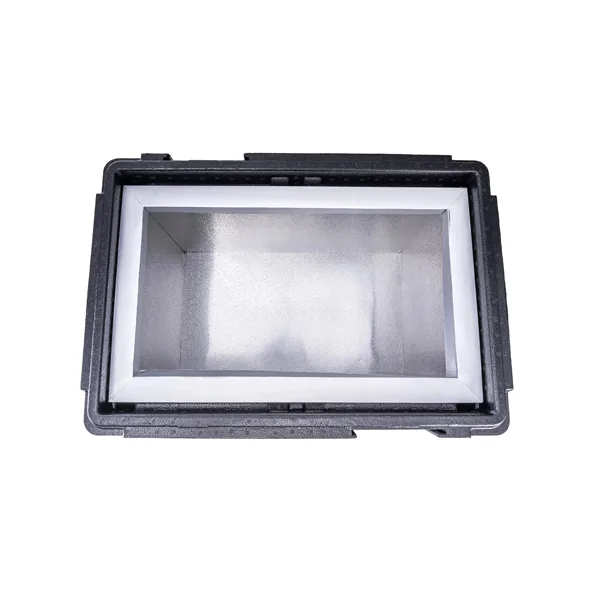
Un equipo receptor rara vez rechaza un envío porque la caja parecía normal.; lo rechaza porque el registro de manejo, evidencia de temperatura, o la condición del producto ya no admite la liberación. A caja de panel de vacío El embalaje para ciencias biológicas puede ser una buena opción para el embalaje de ciencias biológicas cuando el plan de embalaje comienza con los requisitos del producto y termina con un proceso de recepción repetible.. Los materiales de ciencias biológicas pueden requerir condiciones diferentes incluso cuando parecen similares en una lista de empaque; confirmar el protocolo, prospecto del producto, O estudio de requisitos antes de seleccionar el embalaje.. Esta versión editada se centra en el camino de decisión práctico.: requisito, ruta, carga útil, empacar, escucha, y evidencia del proveedor. El objetivo no es dar por sentado que el aislamiento VIP soluciona todos los problemas, pero para ayudarle a hacer mejores preguntas antes de que el primer envío salga del muelle.
respuesta de decisión: Elija la caja con panel de vacío para embalaje de ciencias biológicas solo cuando se ajuste a los requisitos del producto., riesgo de ruta, geometría de carga útil, plan de refrigerante, objetivo de seguimiento, y procedimiento de recepción. Un diseño VIP no es una garantía independiente; Es un componente de un proceso de envío controlado..
Comience con el riesgo que está tratando de controlar
El riesgo detrás de los envases de ciencias biológicas rara vez es unidimensional. El principal riesgo es asumir que una caja aislada puede cubrir todos los materiales., rango de temperatura, necesidad de documentación, y exposición al carril. Una caja con panel de vacío para embalaje de ciencias biológicas es útil solo cuando ese riesgo se ha traducido en un requisito.: condición del producto, exposición de ruta, tamaño de carga útil, necesidad de monitoreo, y recibiendo acción. Sin esas entradas, El comprador selecciona un contenedor por apariencia y esperanza..
Escriba el riesgo en lenguaje sencillo. Por ejemplo: 'proteger la carga útil del calentamiento durante una ruta nocturna con dos traspasos,' o 'evite la congelación directa manteniendo una condición refrigerada hasta la entrega de paquetes'. Esta redacción facilita la elección del refrigerante., colocación del sensor, y controles de embalaje. También brinda a los proveedores una mejor base para la recomendación..
La decisión también debe definir qué se considera evidencia aceptable.. Un control visual puede ser suficiente para algunas mercancías de bajo riesgo.. Un récord de temperatura, registro de embalaje, y una revisión de calidad puede ser necesaria para los, alto valor, o envíos relacionados con pacientes.
Evalúe el contenedor sin depender de las afirmaciones del folleto.
| Punto de decisión | Buena evidencia para solicitar | Cómo usar la respuesta |
|---|---|---|
| Requisito de temperatura | Instrucción del producto, protocolo, o rango de envío aprobado por calidad. | Úselo para elegir el refrigerante y los criterios de aceptación.. |
| Exposición de ruta | Mapa de carriles, riesgo estacional, puntos de entrega, y tiempo de permanencia esperado. | Úselo para juzgar si el perfil de prueba es relevante. |
| Ajuste de carga útil | Diseño interno utilizable con refrigerante y monitoreo incluidos.. | Evite el llenado excesivo o el espacio de aire excesivo. |
| evidencia de embalaje | Configuración escrita, ubicación del sensor, y probar supuestos. | Convierta una muestra en una operación repetible. |
| Control de cambios de proveedores | Cómo se comunican los cambios de componentes o diseño. | Proteja los envíos de rutina contra cambios silenciosos en las especificaciones. |
El propósito de esta tabla es convertir una conversación sobre productos en una conversación sobre evidencia.. Una caja con panel de vacío para envases de ciencias biológicas puede parecer impresionante, pero el comprador aún necesita saber qué se probó, lo que se supuso, y lo que queda por confirmar. Si la respuesta del proveedor es vaga, tratar el reclamo como no verificado hasta que se revise el carril.
Para envases de ciencias biológicas, la evidencia más útil conecta la carga útil, refrigerante, perfil ambiental, y criterios de aceptación. La evidencia de una carga útil o ruta diferente aún puede ser informativa, pero no debe copiarse en su archivo de calidad sin revisarlo.
Packout es el sistema operativo
Un contenedor pasivo no tiene compresor ni circuito de control activo.. El paquete actúa como sistema operativo.. Determina dónde se asienta el refrigerante., cómo se separa la carga útil, cómo se cierra la tapa, donde se coloca el registrador, y qué tan rápido pasa el envío desde el embalaje hasta la recogida. Los pequeños cambios pueden importar. Un separador faltante, una carga útil de arranque más cálida, o un período de preparación prolongado puede cambiar la historia de la temperatura.
Un buen embalaje para envases de ciencias biológicas debe ser lo suficientemente claro para que un nuevo trabajador pueda seguirlo.. Fotos, marcas de orientación, recuentos de refrigerante, instrucciones de acondicionamiento, y recibir pasos puede reducir la variación. El comprador debe preguntar si el proveedor puede ayudar a traducir el diseño en una instrucción de embalaje de rutina en lugar de dejar que los operadores improvisen..
Cuando se utiliza un registrador de datos o un sensor IoT, su función debe estar escrita en el plan. El registrador documenta las condiciones.; no protege la carga útil. Las alertas en tiempo real pueden respaldar la intervención, pero sólo si alguien es responsable de recibir la alerta y tomar medidas.
Cuándo VIP encaja perfectamente y cuándo no
Una solución VIP es un buen candidato cuando el espacio de carga útil es valioso, la exposición a la ruta es significativa, y el comprador necesita un diseño compacto y aislado con un manejo disciplinado. También puede adaptarse a carriles de alto valor donde una huella de caja más pequeña o una mayor resistencia térmica apoyan los objetivos operativos.. Para materiales de investigación, reactivos, biológicos, especímenes, y otros productos de ciencias biológicas con requisitos de manipulación definidos, el ajuste mejora cuando el rango de temperatura, empacar, y los criterios de recepción están bien definidos.
Puede que no sea la primera opción correcta cuando el envío es de bajo valor., el recorrido es muy corto y controlado, el bucle de retorno no puede proteger los paneles, o el equipo no puede repetir el packout. También puede resultar inadecuado si la carga útil tiene necesidades de temperatura incompatibles o si se utiliza hielo seco., PCM, o paquetes de gel se eligen sin realizar pruebas. El aislamiento VIP es poderoso, pero no es un sustituto del control de procesos..
Esta visión equilibrada ayuda a que las adquisiciones eviten compras insuficientes y excesivas.. El objetivo no es el contenedor de papel más avanzado. El objetivo es el sistema más defendible para el riesgo del envío..
Detalles de recepción y control de cambios que los compradores a menudo pasan por alto
Recibir es parte de la cadena de frío, no es una ocurrencia administrativa de último momento. El equipo de destino debe saber cuándo abrir la caja., cómo leer el registrador, que condición comprobar, cómo documentar excepciones, y quién decide si se puede aceptar el envío. Un contenedor bien diseñado no puede compensar un proceso de recepción que deja la carga útil esperando en una zona no controlada.
Para envases de ciencias biológicas, El control de cambios también debe ser explícito.. Si la carga útil cambia, si la ruta cambia, si se reemplaza un transportista, si la fuente de refrigerante cambia, o si se modifica el diseño de la caja, Es posible que los supuestos originales ya no se apliquen.. Los compradores deben preguntar a los proveedores cómo comunican los cambios en productos o componentes y qué revisión se recomienda antes de continuar con el uso..
Esto es especialmente importante para envíos repetidos.. El primer envío podrá seguirse de cerca; el centésimo envío depende de la disciplina rutinaria. Documentación, inspección, y los circuitos de retroalimentación evitan que el sistema se desvíe.
Un breve camino de aprobación para compradores B2B
No trate el catálogo de un proveedor como un archivo de calidad. Los catálogos ayudan a seleccionar opciones, Pero el uso rutinario debe estar respaldado por los propios requisitos del comprador., evidencia del proveedor, aprobación interna, y juicio específico de ruta. Esto es especialmente importante cuando las decisiones de liberación dependen de registros rastreables..
A menudo se pasa por alto la formación. El mejor documento de embalaje es aquel que el personal puede seguir sin interpretación.. Si la secuencia de carga, orientación del refrigerante, colocación del registrador, o el método de cierre puede ser mal entendido, agregar fotos o etiquetas. Para envases de ciencias biológicas, La claridad a menudo protege el rendimiento tanto como lo hace la selección de materiales..
Herramientas útiles para tomar decisiones
Comprueba los detalles antes de elegir el embalaje.
Estas herramientas rápidas pueden ayudarle a comparar el riesgo de la ruta, necesidades de dimensionamiento, opciones de refrigerante, y detalles del embalaje antes de solicitar una cotización.
Selector de embalaje
Compare las opciones de embalaje aislado por producto, ruta, y necesidad de temperatura.
encontrar embalajeCalculadora de bolsa de hielo
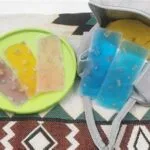
Estimación de la cantidad de bolsas de hielo en gel para envíos refrigerados y planificación práctica de rutas.
Estimar las bolsas de hielorefrigerante & Referencia PCM
Compare las opciones de refrigerante y PCM cuando una ruta necesite soporte de temperatura adicional.
Comparar opcionesEl costo debe evaluarse como costo ajustado al riesgo.. Un contenedor de menor costo puede ser apropiado para control, envíos de bajo riesgo. Un diseño VIP de mayor costo puede ser razonable cuando el valor de la carga útil, riesgo de rechazo, espacio de carga, o las exigencias de documentación lo justifican. La cuestión es comparar el riesgo operativo total., no solo precio de compra.
Revisión previa al envío y control de cambios.
Una revisión previa al envío también debe decidir qué información debe viajar con la carga.. Para envases de ciencias biológicas, que puede incluir un registro de embalaje, ID de registrador, lote de producto, condición requerida, nota de entrega, o lista de verificación de recepción. El objetivo es eliminar la incertidumbre cuando llegue el envío., porque un buen contenedor es de menos utilidad si el equipo de destino no sabe interpretarlo.
Los compradores deben revisar la ruta después de los primeros envíos en lugar de asumir que la primera aprobación pone fin al trabajo.. Si la caja del panel de vacío para embalaje de ciencias biológicas regresa repetidamente con condensación, difícil desempacar, esquinas dañadas, patrones de registrador inesperados, o preguntas del receptor, esos hallazgos deben usarse para refinar el paquete o la conversación con el proveedor.. El control práctico de la cadena de frío mejora gracias a la retroalimentación, no sólo a través de la orden de compra inicial.
La consistencia de los componentes es otra preocupación práctica.. Un cambio de trazador de líneas, fuente del panel, cierre, paquete de refrigerante, divisor, o el cartón exterior puede alterar el uso diario. El comprador no necesita rechazar cada cambio., pero debe saber cuándo un cambio requiere revisión. Esto es especialmente importante para rutas B2B repetibles donde los equipos de calidad esperan trazabilidad y decisiones controladas..
El equipo de embalaje también debe definir reglas de inspección de daños.. Para envases de ciencias biológicas, una caja puede ser rechazada para su reutilización debido a esquinas agrietadas, áreas de paneles aplastados, bisagras dañadas, cierres sueltos, olor, residuo, o signos de que la envolvente del panel se ha visto comprometida. Estas reglas protegen el envío y evitan que los operadores adivinen bajo presión..
Finalmente, El equipo de compras debe mantener preciso el lenguaje de los documentos del proveedor.. Términos como refrigerado, validado, calificado, reutilizable, y cumplir pueden significar cosas diferentes a menos que se establezcan la evidencia y los límites. Un comprador cuidadoso pregunta qué se probó., bajo que condiciones, con que carga útil, y lo que aún necesita aprobación interna.
Se debe redactar una lista de verificación de recepción antes del primer envío., no después de una disputa. Para envases de ciencias biológicas, la lista de verificación puede indicar quién abre el contenedor, ¿Quién recupera el registrador?, ¿Qué condición visual se registra?, cómo se escalan las excepciones, y donde espera el envío mientras se toma la decisión. Esto protege el valor de la inversión en embalaje..
Preguntas frecuentes
¿Una caja con panel de vacío para embalaje de ciencias biológicas califica automáticamente para mi envío??
No. Una caja con panel de vacío para envases de ciencias biológicas puede ser un componente importante, pero la idoneidad depende de la condición requerida del producto, ruta, carga útil, configuración del refrigerante, plan de seguimiento, y proceso de recepción. Solicite evidencia que coincida con su línea o planifique una revisión interna antes del uso rutinario..
¿El aislamiento VIP reemplaza los paquetes de gel?, Paquetes de PCM, o hielo seco?
No. El aislamiento VIP ralentiza la transferencia de calor a través de la pared del contenedor. No crea por sí solo la condición de temperatura requerida.. La selección de refrigerante o refrigerante aún depende de los requisitos del producto., masa de carga útil, exposición de ruta, y si el producto debe evitar el contacto directo o la congelación.
¿Qué debo preguntarle a un proveedor antes de pedir muestras??
Compartir la condición del producto, tamaño de carga útil, duración de la ruta, riesgo ambiental, patrón de entrega, y necesidad de documentación. Luego pregunte qué evidencia de prueba, instrucciones de embalaje, guía de colocación del sensor, y se aplican limitaciones. Esta conversación es más útil que preguntar solo por el tamaño de la caja y el precio..
¿Puedo usar el mismo paquete para diferentes productos??
A veces, pero no se debe suponer. Diferentes productos pueden tener diferentes temperaturas iniciales., masas de carga útil, formas, rangos aceptables, y sensibilidad a la congelación o al calentamiento. Es posible que sea necesario revisar un paquete que funcione para un producto antes de usarlo para otro..
¿Dónde se debe colocar el registrador de temperatura??
La ubicación del registrador debe coincidir con el objetivo de monitoreo. Un registrador cerca de la carga útil puede representar mejor la exposición del producto, mientras que un registrador cerca de una tapa o pared puede mostrar efectos de manipulación externos. El equipo de calidad u operaciones debe definir la ubicación antes de revisar el envío..
Detalles operativos que protegen la repetibilidad
La repetibilidad es la diferencia entre una muestra prometedora y una línea de trabajo. Una caja con panel de vacío para embalaje de ciencias biológicas debe evaluarse con las personas que realmente la empaquetarán., mover, recibir, y revisar el envío. Si no pueden repetir el acondicionamiento del refrigerante, orientación de la carga útil, colocación del registrador, y paso de cierre, el diseño necesita simplificación antes de escalar.
Para envases de ciencias biológicas, una instrucción limpia puede evitar desviaciones evitables. Debería mostrar la secuencia de embalaje., identificar componentes por nombre, explicar qué hacer si falta un componente o está dañado, e indicar cuándo no debe liberarse el envío. Las instrucciones también deben dejar claro si el envase es de un solo uso., reutilizable, retornable, o sujeto a inspección antes de su reutilización.
Esta capa operativa no es papeleo en sí mismo.. Protege al comprador de la variación silenciosa.. Cuando cada envío se empaqueta y revisa de la misma manera, Los datos de temperatura se vuelven más fáciles de interpretar y las conversaciones con los proveedores se vuelven más precisas..
Conclusión
La decisión de compra más segura no es la caja más cara ni la duración más larga anunciada. Para envases de ciencias biológicas, La decisión correcta es el sistema de embalaje que se ajuste al producto., carril, carga útil, necesidad de documentación, y equipo operativo. Utilice la especificación del contenedor como entrada, luego verifique el empaque y el proceso antes de escalar.
Acerca de Tempk
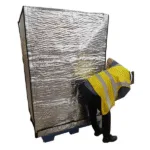
Tempk trabaja con embalaje de cadena de frío para la comida, farmacéutico, médico, y aplicaciones logísticas, incluido bolsas de hielo en gel, Relacionado con PCM paquetes de enfriamiento, Cajas aisladas de EPP, cajas de envío frías, revestimientos aislados, y soluciones de protección de palets. Para envases de ciencias biológicas, El punto de partida útil es compartir su tipo de carga útil., condición requerida, ruta, tiempo de manipulación esperado, y necesidades de documentación para que la recomendación de embalaje pueda coincidir con el envío real.
Antes de pasar del envío de muestras al envío de rutina, Pídale a Tempk una discusión práctica sobre el paquete basada en su carga útil., carril, y proceso de recepción.