Caja de panel de aislamiento al vacío para envío de flores frescas: Cómo elegir una configuración de envío defendible
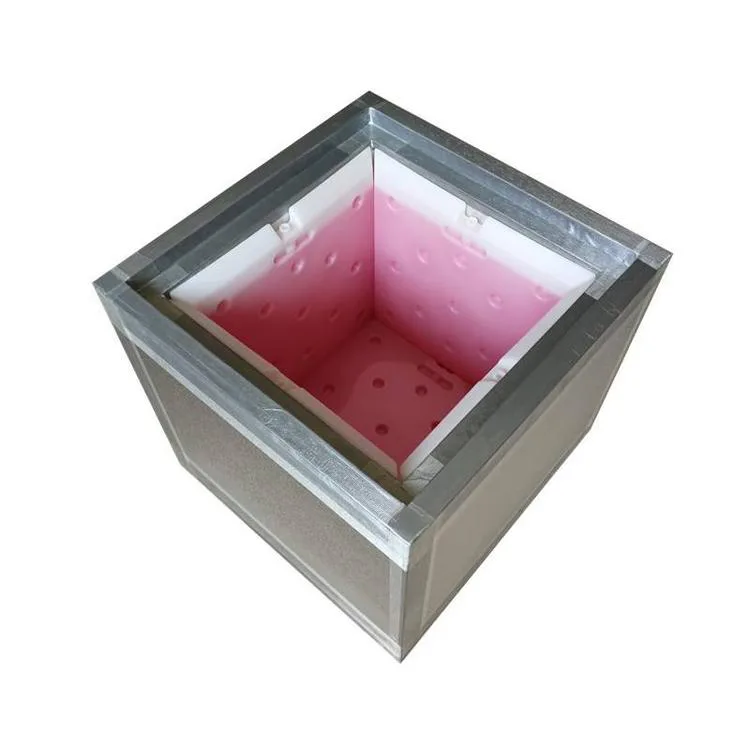
La elección de una caja se convierte en una decisión de cadena de frío en el momento en que la carga útil puede perder valor antes de que alguien vea daños visibles.. A caja de panel de aislamiento al vacío para el envío de flores frescas puede ser una buena opción para el envío de flores frescas cuando el plan de embalaje comienza con los requisitos del producto y termina con un proceso de recepción repetible.. Las flores frescas normalmente necesitan, Manejo estable sin lesiones por congelación., pero la condición objetivo depende del tipo de flor, etapa de cosecha, tiempo de tránsito, y manejo de destino. Esta versión editada se centra en el camino de decisión práctico.: requisito, ruta, carga útil, empacar, escucha, y evidencia del proveedor. El objetivo no es dar por sentado que el aislamiento VIP soluciona todos los problemas, pero para ayudarle a hacer mejores preguntas antes de que el primer envío salga del muelle.
respuesta de decisión: Elija la caja con panel de aislamiento al vacío para el envío de flores frescas solo cuando se ajuste a los requisitos del producto., riesgo de ruta, geometría de carga útil, plan de refrigerante, objetivo de seguimiento, y procedimiento de recepción. Un diseño VIP no es una garantía independiente; Es un componente de un proceso de envío controlado..
Mapear el viaje antes de seleccionar el contenedor
Se debe elegir una caja con panel de aislamiento al vacío para el envío de flores frescas después de mapear el viaje desde la preparación hasta la recepción.. El mapa debe incluir el preacondicionamiento., tiempo de embalaje, ventana de entrega, entrega del transportista, traslado aéreo o terrestre, destino recibiendo, y cualquier espera planificada o no planificada. Aquí es donde muchos planes de cadena de frío se vuelven más realistas.
Para envío de flores frescas, El paso más vulnerable puede no ser el más largo.. Las flores pueden perder valor por condensación., deshidración, moretones, daño en los pétalos, estrés del tallo, o calentamiento durante la entrega antes de que aparezca una alarma de temperatura. Una breve espera en una zona de carga calurosa o una cita de recepción retrasada pueden generar más riesgos que horas en un vehículo controlado. Mapear el recorrido ayuda a los compradores a solicitar la evidencia de embalaje correcta.
El mapa también debe marcar quién es el propietario de cada paso.. Embalaje, logística, calidad, y los equipos receptores pueden controlar cada uno una parte diferente del riesgo. Una selección de contenedores realizada únicamente mediante adquisiciones puede pasar por alto esta estructura de propiedad..
Convierta los requisitos en un resumen de embalaje
Un resumen de embalaje es un documento breve que indica a los proveedores qué problema debe resolver el envío.. Para envío de flores frescas, debe incluir una descripción de la carga útil, condición requerida, duración de la ruta, exposición ambiental, cantidad, necesidades de dimensiones internas, monitorear las expectativas, y proceso de recepción. El informe no tiene por qué ser largo.; tiene que ser especifico.
El informe debe evitar suposiciones sin fundamento.. No escriba que el envío necesita un tiempo de espera fijo a menos que la ruta, perfil ambiental, carga útil, y se han definido los criterios de aceptación. No escriba que una solución debe ser compatible con todos los mercados.. En cambio, Indique el proceso de revisión regulatoria o de calidad que se aplica a su envío y pregunte qué evidencia puede proporcionar el proveedor..
Este enfoque ayuda a un proveedor a recomendar un VIP., PPE, PU, EPS, PCM, paquete de gel, contenedor activo, o solución híbrida basada en evidencia en lugar de solo en la categoría de producto.
Puntos de control de pruebas para adquisiciones y calidad
| Punto de decisión | Buena evidencia para solicitar | Cómo usar la respuesta |
|---|---|---|
| Requisito de temperatura | Instrucción del producto, protocolo, o rango de envío aprobado por calidad. | Úselo para elegir el refrigerante y los criterios de aceptación.. |
| Exposición de ruta | Mapa de carriles, riesgo estacional, puntos de entrega, y tiempo de permanencia esperado. | Úselo para juzgar si el perfil de prueba es relevante. |
| Ajuste de carga útil | Diseño interno utilizable con refrigerante y monitoreo incluidos.. | Evite el llenado excesivo o el espacio de aire excesivo. |
| evidencia de embalaje | Configuración escrita, ubicación del sensor, y probar supuestos. | Convierta una muestra en una operación repetible. |
| Control de cambios de proveedores | Cómo se comunican los cambios de componentes o diseño. | Proteja los envíos de rutina contra cambios silenciosos en las especificaciones. |
Estos puntos de control ayudan al comprador a separar una afirmación de producto útil de una promesa no respaldada.. Los proveedores fuertes generalmente pueden explicar el contexto de la prueba., supuestos de embalaje, y límites de uso. Que la transparencia es más valiosa que un eslogan sobre el desempeño a largo plazo.
Para flores recién cortadas, arreglos florales, brotes, tallos, y productos hortícolas sensibles a la temperatura, La evidencia debe ser revisada por las personas que la divulgarán., recibir, o investigar el envío. Una revisión exclusiva de adquisiciones puede pasar por alto implicaciones operativas y de calidad.
Opciones de diseño que afectan el manejo diario
El manejo diario determina si un diseño térmico sobrevive al uso real. La tapa debe poder cerrarse fácilmente y correctamente.. La carga útil debe encajar sin aplastarla ni forzarla.. Las posiciones del refrigerante deben ser obvias.. Las etiquetas deben permanecer visibles. La caja debe ser fácil de inspeccionar en busca de daños.. La limpieza no debe amenazar la envolvente del panel VIP ni el sistema de cierre..
Para envío de flores frescas, Estos detalles de manipulación pueden decidir si la solución es aceptada por el personal del almacén.. Un diseño que requiere una memoria perfecta o una habilidad manual inusual puede funcionar en una prueba y fallar durante el período pico de envío.. Los compradores deben solicitar ver el procedimiento de embalaje., no sólo la caja vacía.
Si el contenedor es reutilizable, el bucle de retorno se convierte en parte del diseño. quien lo colecciona? como se limpia? ¿Cómo se comprueban los daños?? ¿Cómo se reemplazan los componentes faltantes?? La reutilización debe planificarse como un proceso operativo., no se asume porque el material parece duradero.
Cuándo agregar monitoreo o visibilidad de IoT
El seguimiento debe adaptarse al riesgo del envío. Un simple registrador puede ser suficiente cuando el equipo receptor sólo necesita un registro posterior a la entrega.. La visibilidad de IoT en tiempo real puede ser útil cuando es posible intervenir y se asigna a alguien para actuar según las alertas.. Ninguna opción cambia la capacidad térmica del embalaje.. Solo cambia lo que el equipo puede ver y la rapidez con la que puede responder..
Para envío de flores frescas, La ubicación del sensor y los umbrales de alarma deben discutirse con calidad o operaciones.. Un sensor contra el refrigerante puede no representar la exposición a la carga útil. Un sensor cerca de la tapa puede capturar los peores efectos de apertura. La configuración de las alarmas debe reflejar el plan de interpretación del producto y la acción que el equipo puede tomar de manera realista..
Un breve camino de aprobación para compradores B2B
El costo debe evaluarse como costo ajustado al riesgo.. Un contenedor de menor costo puede ser apropiado para control, envíos de bajo riesgo. Un diseño VIP de mayor costo puede ser razonable cuando el valor de la carga útil, riesgo de rechazo, espacio de carga, o las exigencias de documentación lo justifican. La cuestión es comparar el riesgo operativo total., no solo precio de compra.
También se debe revisar la compatibilidad de una caja con panel de aislamiento al vacío para el envío de flores frescas con el embalaje secundario.. viales, cajas de cartón, bolsas, bandejas, sistemas absorbentes, y las envolturas protectoras pueden cambiar la geometría interna. Si el embalaje secundario cambia, Las suposiciones térmicas y de manejo también pueden cambiar..
Se deben recopilar comentarios recibidos.. Si los receptores informan condensación, daño en la etiqueta, apertura difícil, lecturas del registrador inconsistentes, o preguntas frecuentes sobre trámites, esas señales deberían regresar a la revisión del empaque. El control de la cadena de frío mejora cuando los datos de envío y las observaciones de recepción se utilizan juntos.
Revisión previa al envío y control de cambios.
Una revisión previa al envío también debe decidir qué información debe viajar con la carga.. Para envío de flores frescas, que puede incluir un registro de embalaje, ID de registrador, lote de producto, condición requerida, nota de entrega, o lista de verificación de recepción. El objetivo es eliminar la incertidumbre cuando llegue el envío., porque un buen contenedor es de menos utilidad si el equipo de destino no sabe interpretarlo.
Herramientas útiles para tomar decisiones
Comprueba los detalles antes de elegir el embalaje.
Estas herramientas rápidas pueden ayudarle a comparar el riesgo de la ruta, necesidades de dimensionamiento, opciones de refrigerante, y detalles del embalaje antes de solicitar una cotización.
Selector de embalaje
Compare las opciones de embalaje aislado por producto, ruta, y necesidad de temperatura.
encontrar embalajerefrigerante & Referencia PCM
Compare las opciones de refrigerante y PCM cuando una ruta necesite soporte de temperatura adicional.
Comparar opcionesGenerador de listas de verificación de cumplimiento
Cree una lista de verificación práctica para la revisión del embalaje, envío, y documentación.
Crear lista de verificaciónLos compradores deben revisar la ruta después de los primeros envíos en lugar de asumir que la primera aprobación pone fin al trabajo.. Si la caja con panel de aislamiento al vacío para el envío de flores frescas regresa repetidamente con condensación, difícil desempacar, esquinas dañadas, patrones de registrador inesperados, o preguntas del receptor, esos hallazgos deben usarse para refinar el paquete o la conversación con el proveedor.. El control práctico de la cadena de frío mejora gracias a la retroalimentación, no sólo a través de la orden de compra inicial.
La consistencia de los componentes es otra preocupación práctica.. Un cambio de trazador de líneas, fuente del panel, cierre, paquete de refrigerante, divisor, o el cartón exterior puede alterar el uso diario. El comprador no necesita rechazar cada cambio., pero debe saber cuándo un cambio requiere revisión. Esto es especialmente importante para rutas B2B repetibles donde los equipos de calidad esperan trazabilidad y decisiones controladas..
El equipo de embalaje también debe definir reglas de inspección de daños.. Para envío de flores frescas, una caja puede ser rechazada para su reutilización debido a esquinas agrietadas, áreas de paneles aplastados, bisagras dañadas, cierres sueltos, olor, residuo, o signos de que la envolvente del panel se ha visto comprometida. Estas reglas protegen el envío y evitan que los operadores adivinen bajo presión..
Finalmente, El equipo de compras debe mantener preciso el lenguaje de los documentos del proveedor.. Términos como refrigerado, validado, calificado, reutilizable, y cumplir pueden significar cosas diferentes a menos que se establezcan la evidencia y los límites. Un comprador cuidadoso pregunta qué se probó., bajo que condiciones, con que carga útil, y lo que aún necesita aprobación interna.
Se debe redactar una lista de verificación de recepción antes del primer envío., no después de una disputa. Para envío de flores frescas, la lista de verificación puede indicar quién abre el contenedor, ¿Quién recupera el registrador?, ¿Qué condición visual se registra?, cómo se escalan las excepciones, y donde espera el envío mientras se toma la decisión. Esto protege el valor de la inversión en embalaje..
El equipo también debe decidir cómo manejar cargas parciales.. Una caja con panel de aislamiento al vacío para el envío de flores frescas que funciona bien con una carga útil completa puede comportarse de manera diferente cuando la carga útil es más pequeña o está dispuesta de manera desigual. Si las cargas parciales son comunes, El paquete debe explicar si hay material de estiba adicional., separadores, o se necesita un diseño de refrigerante revisado.
El apoyo de los proveedores debe ser práctico y no promocional.. El soporte útil incluye responder preguntas sobre el paquete., explicando los supuestos de la prueba, discutir cambios de componentes, y ayudar al comprador a preparar una instrucción operativa repetible. Las afirmaciones generales sobre materiales premium son menos útiles que límites claros y puntos de revisión.
Para uso a largo plazo, asignar la propiedad del archivo de embalaje. Alguien debería conservar las especificaciones del proveedor., instrucción de embalaje, resumen de la prueba, notas de entrenamiento, y recibir comentarios juntos. Ese archivo ayuda al nuevo personal a comprender por qué se seleccionó la caja con panel de aislamiento al vacío para el envío de flores frescas y qué condiciones no deben cambiar sin una revisión..
Preguntas frecuentes
¿Una caja con panel aislante al vacío para envío de flores frescas califica automáticamente para mi envío??
No. Una caja con panel aislante al vacío para el envío de flores frescas puede ser un componente importante, pero la idoneidad depende de la condición requerida del producto, ruta, carga útil, configuración del refrigerante, plan de seguimiento, y proceso de recepción. Solicite evidencia que coincida con su línea o planifique una revisión interna antes del uso rutinario..
¿El aislamiento VIP reemplaza los paquetes de gel?, Paquetes de PCM, o hielo seco?
No. El aislamiento VIP ralentiza la transferencia de calor a través de la pared del contenedor. No crea por sí solo la condición de temperatura requerida.. La selección de refrigerante o refrigerante aún depende de los requisitos del producto., masa de carga útil, exposición de ruta, y si el producto debe evitar el contacto directo o la congelación.
¿Qué debo preguntarle a un proveedor antes de pedir muestras??
Compartir la condición del producto, tamaño de carga útil, duración de la ruta, riesgo ambiental, patrón de entrega, y necesidad de documentación. Luego pregunte qué evidencia de prueba, instrucciones de embalaje, guía de colocación del sensor, y se aplican limitaciones. Esta conversación es más útil que preguntar solo por el tamaño de la caja y el precio..
¿Puedo usar el mismo paquete para diferentes productos??
A veces, pero no se debe suponer. Diferentes productos pueden tener diferentes temperaturas iniciales., masas de carga útil, formas, rangos aceptables, y sensibilidad a la congelación o al calentamiento. Es posible que sea necesario revisar un paquete que funcione para un producto antes de usarlo para otro..
¿Dónde se debe colocar el registrador de temperatura??
La ubicación del registrador debe coincidir con el objetivo de monitoreo. Un registrador cerca de la carga útil puede representar mejor la exposición del producto, mientras que un registrador cerca de una tapa o pared puede mostrar efectos de manipulación externos. El equipo de calidad u operaciones debe definir la ubicación antes de revisar el envío..
Detalles operativos que protegen la repetibilidad
La repetibilidad es la diferencia entre una muestra prometedora y una línea de trabajo. Se debe evaluar una caja con panel de aislamiento al vacío para el envío de flores frescas con las personas que realmente la empacarán., mover, recibir, y revisar el envío. Si no pueden repetir el acondicionamiento del refrigerante, orientación de la carga útil, colocación del registrador, y paso de cierre, el diseño necesita simplificación antes de escalar.
Para envío de flores frescas, una instrucción limpia puede evitar desviaciones evitables. Debería mostrar la secuencia de embalaje., identificar componentes por nombre, explicar qué hacer si falta un componente o está dañado, e indicar cuándo no debe liberarse el envío. Las instrucciones también deben dejar claro si el envase es de un solo uso., reutilizable, retornable, o sujeto a inspección antes de su reutilización.
Esta capa operativa no es papeleo en sí mismo.. Protege al comprador de la variación silenciosa.. Cuando cada envío se empaqueta y revisa de la misma manera, Los datos de temperatura se vuelven más fáciles de interpretar y las conversaciones con los proveedores se vuelven más precisas..
Conclusión
La decisión de compra más segura no es la caja más cara ni la duración más larga anunciada. Para envío de flores frescas, La decisión correcta es el sistema de embalaje que se ajuste al producto., carril, carga útil, necesidad de documentación, y equipo operativo. Utilice la especificación del contenedor como entrada, luego verifique el empaque y el proceso antes de escalar.
Acerca de Tempk
Tempk apoya a los compradores B2B que necesitan comparar embalaje aislado componentes, opciones de refrigerante, y opciones de embalaje para envíos de alimentos sensibles a la temperatura, médico, y casos de uso de ciencias biológicas. Para envío de flores frescas, El punto de partida útil es compartir su tipo de carga útil., condición requerida, ruta, tiempo de manipulación esperado, y necesidades de documentación para que la recomendación de embalaje pueda coincidir con el envío real.
Antes de pasar del envío de muestras al envío de rutina, Pídale a Tempk una discusión práctica sobre el paquete basada en su carga útil., carril, y proceso de recepción.