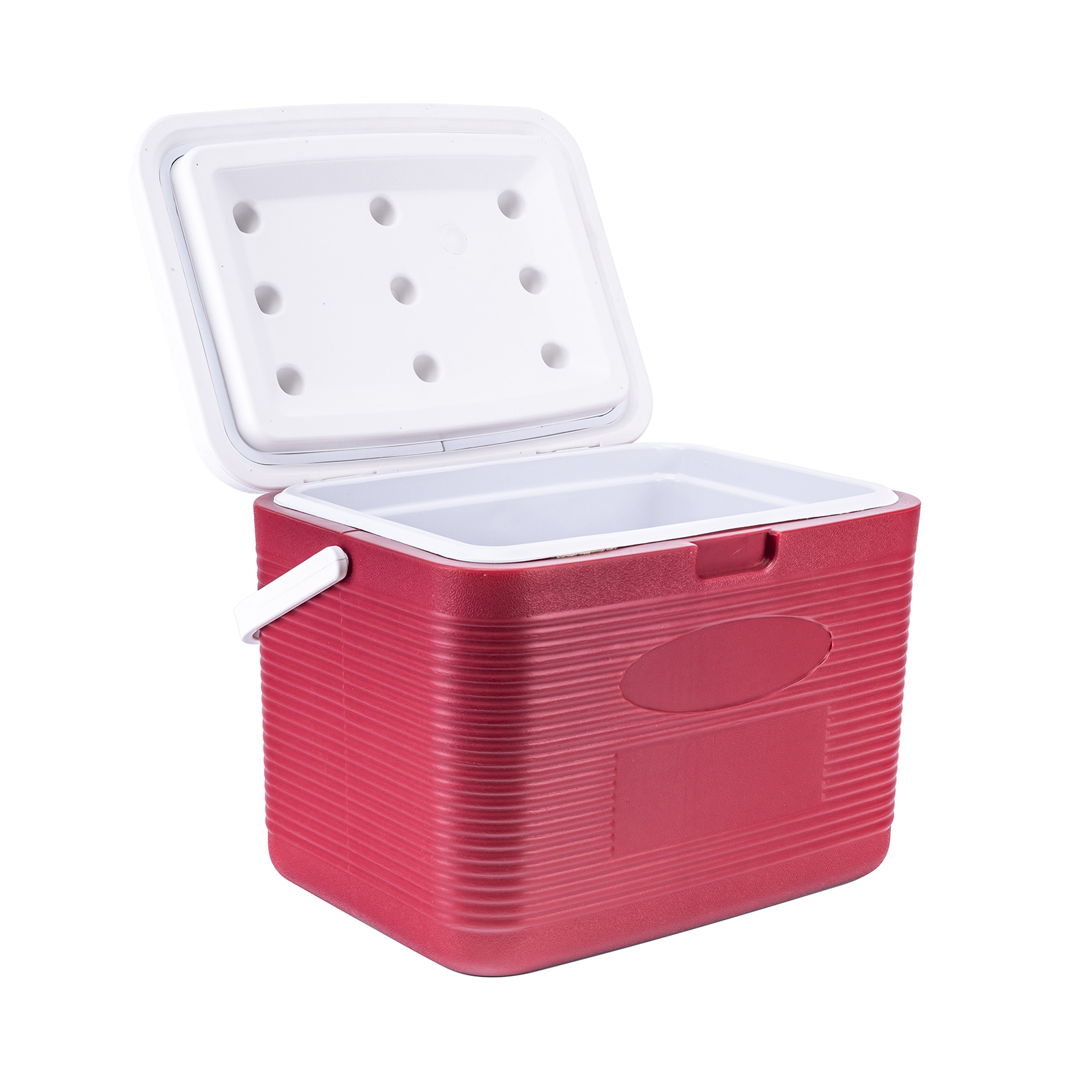
Proveedor de contenedores de plástico ventilados para envases médicos: Una guía de compra práctica
un ventilado proveedor de contenedores de plástico para embalajes médicos debería ayudar a su equipo a mover productos a través de embalajes médicos con menos incertidumbre, no simplemente agregar otro contenedor al almacén. La decisión correcta comienza por definir de qué es responsable la unidad plástica y de qué no.. Puede mejorar el manejo, segregación, apilado, logística de devolución, o higiene. Puede admitir un flujo de trabajo con temperatura controlada. Pero si los productos requieren una gama definida, El contenedor debe ser evaluado como parte de un sistema completo que incluye la ruta., carga útil, aislamiento o refrigerante si se utiliza, escucha, y recibiendo revisión.
Defina el límite de uso antes de preguntar el precio.
Un contenedor de plástico utilizado para envases médicos debe especificarse por función., no solo por el nombre. En un proyecto puede ser una unidad de manipulación exterior limpia.. En otro, puede ser parte de un paquete térmico pasivo con aislamiento., refrigerante, material a cargar, etiquetas, y un dispositivo de monitoreo. La distinción es importante porque una carcasa de plástico moldeado puede organizar, proteger, pila, nido, o ventilar mercancías, pero no prueba el control de la temperatura por sí solo. Para compradores de suministros médicos, equipos de logística hospitalaria, coordinadores de importacion, y supervisores de calidad, El punto de partida más seguro es anotar el estado del producto., ruta, secuencia de entrega, y evidencia de aceptación antes de comparar descripciones de catálogos.
Se puede escribir un límite de uso claro en unas pocas líneas.. Debe explicar cuáles son los productos., si el contenedor entra en contacto directo con el producto o solo con el embalaje sellado, donde se almacenará la unidad, cómo se cargará, y que pasa despues del parto. Para embalaje médico, este límite también debe mencionar la limpieza, etiquetado, devolver, y cualquier requisito de temperatura o documentación.. sin eso, un proveedor puede cotizar un contenedor que es técnicamente bueno pero operativamente incorrecto.
El límite también ayuda a tu propio equipo.. Adquisiciones considera costos y plazos de entrega. Operaciones considera velocidad y espacio en el manejo. La calidad ve evidencia y riesgo. Finanzas ve la vida de los activos y el costo de retorno. Cuando todos los equipos usan el mismo límite, la discusión se vuelve más factual. Si no lo hacen, un equipo puede aprobar una característica que crea problemas para otro.
Separe el valor de manipulación de la prueba de temperatura
Los productos médicos pueden variar desde dispositivos ambientales hasta reactivos refrigerados y suministros sensibles a la temperatura.. El comprador deberá confirmar si el producto necesita un envase protector limpio., un cargador aislado, control activo de temperatura, o monitorear evidencia. Esta es la razón por la que los compradores deben evitar tratar las palabras temperatura controlada., térmico, aislado, ventilado, o apilable como prueba de rendimiento. La evidencia real proviene del sistema completo.: la geometría del contenedor, cualquier aislamiento o refrigerante, el método de condicionamiento, la carga útil, la exposición ambiental, la duración de la ruta, y los criterios de aceptación. Si el envío está reservado como tiempo- y carga sanitaria sensible a la temperatura, la etiqueta, documentación, y responsabilidad entre el cargador, transportador, y el receptor también puede necesitar revisión. Los datos de temperatura son útiles sólo cuando la ubicación del registrador, límites de alarma, y el proceso de recuperación coinciden con el riesgo que se gestiona.
Esta separación es el núcleo de una buena decisión de compra.. Un contenedor apilable puede mejorar la estabilidad de los pallets. Un contenedor ventilado puede favorecer el flujo de aire o el secado.. Una unidad plegable o plegable puede reducir el volumen de retorno vacío. Una bolsa térmica puede retardar la transferencia de calor cuando se diseña con un aislamiento adecuado. Estos son beneficios reales, pero no son lo mismo que demostrar que los productos se mantuvieron dentro de un rango aprobado.
Si el proyecto involucra bienes sensibles a la temperatura., Anote qué componente es responsable de la temperatura.. ¿Es una habitación refrigerada?, un vehículo, un cargador aislado, refrigerante, a PCM, hielo seco, una cubierta de paleta, o un paquete validado? ¿Se utiliza un registrador de datos como prueba?, o se controla la temperatura en el momento del envío y la recepción? ¿Quién revisa una desviación?? Estas preguntas hacen que la especificación del contenedor sea más segura porque evitan suposiciones amplias..
Detalles de diseño que importan en el trabajo diario
Las fallas más comunes suelen ser operativas más que dramáticas.. El contenedor de plástico puede ser lo suficientemente fuerte pero difícil de limpiar.. Puede apilarse en el almacén pero volverse inestable cuando está mojado., cargado de manera desigual, o manejado por un equipo de muelle apresurado. Puede contener una etiqueta en una muestra seca pero perder trazabilidad después de la condensación.. En embalaje médico, el principal perfil de riesgo incluye confundir manipulación limpia con calificación de temperatura, mal etiquetado, trazabilidad débil, y embalajes que no se pueden inspeccionar rápidamente a su llegada. Una buena especificación convierte esos riesgos en controles visibles.: donde van las etiquetas, cómo se cierra la tapa, cómo drena la unidad, cómo regresan los vacíos, y qué debe inspeccionar el equipo receptor antes de aceptar la mercancía.
El manejo diario revela más que una foto de muestra. Un contenedor que parece eficiente puede ralentizar la línea si las manijas son incómodas con los guantes.. Una tapa puede cerrar bien cuando está vacía pero moverse cuando la unidad está llena. Las aberturas de ventilación pueden ayudar al flujo de aire, pero crean problemas de limpieza o retención de artículos.. Un borde apilable puede funcionar en un almacén seco pero volverse inestable cuando se produce condensación., palets dañados, o aparecen cargas mixtas. Estos detalles son el motivo por el que las pruebas piloto deberían utilizar el flujo de trabajo real..
Para embalaje médico, prestar mucha atención a las superficies y al control de estado. ¿Puede el personal ver si la unidad está limpia?, sucio, dañado, cargado, vacío, liberado, o en cuarentena? ¿Pueden las etiquetas sobrevivir al medio ambiente?? ¿Puede el equipo receptor identificar el contenido sin abrir la unidad innecesariamente?? Estas preguntas son pequeñas., pero influyen en la calidad del producto, velocidad del trabajador, y decisiones de aceptación.
Una lista de verificación del comprador para la aprobación de muestras
| Antes de la aprobación, confirmar | Evidencia o acción aceptable | Valor de decisión |
|---|---|---|
| Rol del contenedor | Declaración de uso aprobada por adquisiciones, operaciones, y calidad | Impide que el equipo trate un contenedor de manipulación como un sistema térmico. |
| Ajuste de producto y ruta | Carga útil, ruta, exposición, condición de almacenamiento, y los cheques recibidos se anotan | Mantiene las recomendaciones de los proveedores relevantes |
| Limpieza y reutilización | Método de limpieza, el secado, inspección, y remoción de unidades dañadas se definen | Apoya la higiene y el control de activos. |
| Responsabilidad de la temperatura | Aislamiento, refrigerante, refrigeración, escucha, o los controles de la habitación están asignados claramente | Evita promesas de temperatura no compatibles |
| Control de proveedores | ID de muestra, dibujos, notas materiales, y la comunicación de cambios se registran | Protege los pedidos al por mayor de variaciones silenciosas |
Utilice esta lista de verificación para mantener honesto el expediente de aprobación. No requiere que cada proveedor elabore un gran expediente técnico, pero sí requiere que el equipo registre lo que se confirma, lo que se supone, y lo que aún necesita pruebas. Ese récord se vuelve importante cuando la primera muestra parece buena pero el uso masivo expone un problema..
Evaluación de proveedores más allá de la cotización
Una conversación seria con los proveedores debería ir más allá del precio, color, y tamaño nominal. Pregunte si la revisión del dibujo coincide con la muestra que recibió.. Pregunte qué considera el proveedor el volumen interno bruto versus el espacio de carga útil utilizable.. Pregunte cómo se comporta el contenedor de plástico después de la limpieza., anidando, plegable, apilado, o manipulación repetida. Si la evidencia de temperatura es parte del proyecto, preguntar si el rendimiento indicado se basa en la misma carga útil, configuración del refrigerante, perfil ambiental, y límites de aceptación que planea utilizar. Un proveedor que puede explicar claramente estos límites suele ser más seguro que uno que ofrece promesas amplias sin una ruta de verificación..
La evaluación del proveedor debe incluir la calidad de la respuesta.. Un proveedor útil hará preguntas aclaratorias y explicará las limitaciones.. Un proveedor arriesgado puede aceptar todas las solicitudes con la misma redacción. Para cadena de frio, alimento, médico, laboratorio, vacuna, y usos biotecnológicos, las limitaciones no son una debilidad. Demuestran que el proveedor comprende la diferencia entre un recipiente de plastico, un sistema aislado, un procedimiento de transporte, y un récord de calidad.
Pregunte cómo el proveedor admite la personalización si es necesario.. Color personalizado, logo, zonas de etiquetas, divisores, tapas, revestimiento, patrones de ventilación, o los insertos de embalaje pueden ayudar al flujo de trabajo, pero cada cambio debe permanecer conectado con el uso aprobado.. Una característica personalizada que parece atractiva puede complicar la limpieza, reducir el volumen utilizable, o interferir con el apilamiento. La mejor personalización mejora el recorrido en lugar de decorar el producto.
Pruebe un ciclo completo antes de escalar
Por ejemplo, Imagine a un comprador probando un contenedor de plástico ventilado antes de un lanzamiento más amplio. La primera muestra parece aceptable en una mesa de conferencias., pero la verdadera pregunta aparece durante el piloto.: ¿Puede el equipo cargarlo a velocidad normal?, Lea la etiqueta después de la condensación., límpielo sin atrapar residuos, apílelo de forma segura con la carga más pesada esperada, y confirme que se proporcionará la misma revisión después de la aprobación? Este piloto práctico no necesita convertirse en un complicado programa de laboratorio para cada proyecto., pero debería reproducir la condición de manejo normal más dura.. El resultado es una decisión basada en el ajuste operativo., no confianza en el folleto.
Herramientas útiles para tomar decisiones
Comprueba los detalles antes de elegir el embalaje.
Estas herramientas rápidas pueden ayudarle a comparar el riesgo de la ruta, necesidades de dimensionamiento, opciones de refrigerante, y detalles del embalaje antes de solicitar una cotización.
Calculadora de bolsa de hielo
Estimación de la cantidad de bolsas de hielo en gel para envíos refrigerados y planificación práctica de rutas.
Estimar las bolsas de hieloResistencia a la caída del material aislante
Revise la resistencia a caídas y los factores de manipulación antes de elegir materiales aislantes..
Comprobar resistenciaReferencia del material aislante
Compare opciones de materiales aislantes para diferentes necesidades de embalaje de la cadena de frío.
Comparar materialesUn piloto útil no necesita ser grande. Tiene que ser realista. Incluir a la persona que carga la mercancía., la persona que los recibe, la persona que limpia o devuelve el contenedor, y la persona que aprueba la documentación. Ejecute la unidad a través de la secuencia esperada.: almacenamiento, cargando, etiquetado, puesta en escena, transferir, recepción, vaciando, limpieza, inspección, y regresar. Registre dónde el proceso se siente lento, arriesgado, o poco claro.
Si la temperatura es parte del reclamo, no confíe en un resultado genérico. Haga coincidir el piloto con la carga útil prevista, exposición de ruta, configuración de refrigerante o aislamiento, y criterios de aceptación. Si aún no puedes probar el carril exacto, Trate el resultado como preliminar y evite escribirlo como garantía final.. Esta redacción cautelosa protege tanto al comprador como al proveedor..
Control de costes sin debilitar la protección
El contenedor más barato puede resultar caro si provoca rechazo de mercancías, limpieza extra, pilas rotas, etiquetas perdidas, o compras de reemplazo. La unidad más cara también puede fallar si soluciona un problema que no tienes. Una revisión práctica de costos debe comparar el valor total del flujo de trabajo: velocidad de manejo, eficiencia de retorno, reducción de daños, esfuerzo de limpieza, espacio de almacenamiento, preparación de la documentación, y consistencia de proveedores.
Para compras al por mayor, Considere también cómo el diseño afecta la capacitación.. Si los trabajadores necesitan instrucciones especiales para doblar, nido, limpio, o cerrar la unidad, el POE debe ser simple y visible. Si el contenedor se utiliza en varios sitios, el diseño debe ser lo suficientemente consistente como para evitar soluciones alternativas sitio por sitio. El control de costes no es sólo el precio unitario. Es la capacidad de repetir el mismo proceso seguro todos los días..
Cuándo reconsiderar el diseño elegido
Reconsiderar el diseño si el piloto muestra daños repetidos en la etiqueta., limpieza difícil, apilamiento inestable, mal control de retorno vacío, confusión entre unidades limpias y sucias, o incertidumbre sobre el papel de la temperatura. Estos problemas rara vez mejoran a escala. Por lo general, se vuelven más visibles a medida que más personas, rutas, y hay cargas involucradas.
También reconsidere el diseño si el proveedor no puede explicar la coherencia entre la muestra y la producción.. Si el primer pedido después de la aprobación llega con cierres diferentes, superficies, dimensiones, o comportamiento material, Es posible que su equipo necesite repetir parte de la revisión.. Un mejor acuerdo de compra define cómo se comunican los cambios antes de que los cambios de producción lleguen a su almacén..
Preguntas frecuentes
¿Cuál es el primer paso para elegir este tipo de contenedor??
Definir el límite de uso. Di cuales son los productos, como estan empacados, donde viaja el contenedor, como se limpia, y que evidencia se necesita. Este paso evita la confusión entre un contenedor de manipulación, un cargador aislado, y un sistema de control de temperatura calificado.
¿Puedo utilizar el mismo recipiente de plástico para varios departamentos??
A veces, pero sólo después de comprobar las diferencias en la carga útil, limpieza, etiquetado, requisito de temperatura, y proceso de inspección. Un diseño que funciona para productos a temperatura ambiente sellados puede no funcionar para productos refrigerados., médico, laboratorio, o alimentos. El uso compartido debe ser aprobado por escenario., no asumido por la apariencia del producto.
¿Qué debo preguntarle a un proveedor antes de realizar un pedido al por mayor??
Pregunte por los límites de uso previsto, dimensiones, información material, guía de limpieza, revisión de muestra, opciones de personalización, y cualquier información de prueba relevante para la ruta. Si el contenedor es parte de un flujo de trabajo sensible a la temperatura, Pregunte qué evidencia respalda el paquete y qué le queda a su equipo por verificar..
¿Cómo evito comprar funciones en exceso??
Comience con el fracaso que necesita prevenir. Si el problema es el volumen de retorno vacío, la colapsabilidad puede importar. Si el problema es el flujo de aire, la ventilación puede importar. Si el problema es la exposición a la temperatura., el sistema térmico completo importa. No compre funciones porque parezcan avanzadas; comprar controles que aborden el riesgo real de ruta.
¿Cuándo debería involucrarse un equipo de calidad??
Involucrar la calidad antes de la aprobación de la muestra cuando los productos son sensibles a la temperatura., regulado, importado, exportado, relacionado con la comida, médico, laboratorio, vacuna, o biotecnología. Los aportes de calidad ayudan a definir la documentación, limpieza, manejo de desviaciones, y criterios de aceptación antes de que la decisión de compra se vuelva difícil de cambiar.
Conclusión
Un proveedor de contenedores de plástico con ventilación para envases médicos es una buena elección cuando se adapta a la ruta, no solo la cita. Definir el límite de uso, Separe el valor de manipulación de la prueba de temperatura., verificar la limpieza y el ajuste del flujo de trabajo, y registrar la evidencia del proveedor antes de escalar. El resultado es una decisión sobre el contenedor que la adquisición puede comprar., las operaciones pueden utilizar, y la calidad puede aprobarse sin depender de afirmaciones sin fundamento.
Acerca de Tempk
Y Tempk, nos centramos en lo práctico embalaje de cadena de frío decisiones en lugar de etiquetas de catálogo aisladas. Nuestra gama de productos incluye medios refrigerantes., cajas aisladas, bolsas térmicas, revestimiento, protección a nivel de palet, y otros materiales de embalaje utilizados en alimentos, cuidado de la salud, laboratorio, y manipulación industrial. Cuando un proyecto implica la selección de contenedores de plástico para envases médicos, Ayudamos a los compradores a pensar en la ruta adecuada., necesidades de refrigerante o aislamiento, hábitos de limpieza, y la evidencia requerida antes de pasar de la revisión de una muestra a un pedido mayor.
Si estás comparando opciones ahora, proporcione su tipo de producto médico, ruta de importación, proceso de inspección de recepción, y condiciones de almacenamiento para consejos de embalaje. Tempk puede ayudarle a limitar la discusión antes de la aprobación de la muestra o la adquisición al por mayor..