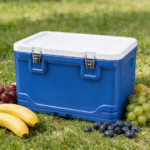
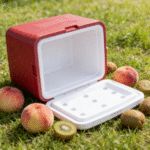
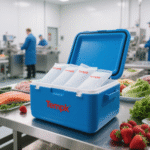
personaje Caja de envío en frío para envío de productos frescos: Del resumen de cultivos al paquete aprobado
Una caja de envío en frío VIP para el envío de productos frescos es la elección correcta sólo cuando se combinan tres conclusiones: el cultivo tiene una condición definida y compatible, la ruta necesita más amortiguación térmica o espacio de carga útil que un paquete más simple puede proporcionar, y el paquete completo funciona bajo manipulación representativa y exposición ambiental.. El aislamiento debe combinarse con refrigerante correctamente acondicionado., separación física, Gestión de gases y humedad., escucha, e instrucciones repetibles. VIP no puede preenfriar productos agrícolas calientes, hacer compatible una carga mixta, o demostrar el cumplimiento por sí solo. Su valor es mayor en las exigentes vías de paquetería; su valor desaparece cuando los materiales de primera calidad protegen la temperatura incorrecta o un proceso no probado.
Establezca una regla de aprobación antes de mirar las casillas
Los equipos de adquisiciones a menudo comienzan con las dimensiones del catálogo y la duración prometida.. invertir ese orden. Decidir qué evidencia justificaría pagar por VIP antes de que un proveedor proponga una configuración.. Una regla de aprobación útil requiere una necesidad de cultivo documentada, un desafío de ruta, y una mejora mensurable sobre una alternativa convencional.
La necesidad de cultivo explica lo que significa el fracaso. La exposición al calor puede acelerar la respiración., pérdida de agua, madurez, o decadencia. El frío excesivo puede causar daños por frío en productos sensibles, incluso cuando el producto nunca se congela. Un problema de humedad puede producir arrugas o condensación.. Se puede desarrollar un problema de compatibilidad de gases en un espacio de cabeza sellado. Estos resultados necesitan diferentes controles., y un aislamiento más fuerte aborda solo una parte de ellos.
El desafío de la ruta identifica por qué el embalaje ordinario es insuficiente. Las posibles razones incluyen un centro de clasificación activo, vehículo de reparto de invierno, larga retención aduanera, dimensiones fijas de paquetes de aviones, o transferencias repetidas fuera de refrigeración. Si ya pasa una ruta estable en espuma convencional, VIP puede agregar complejidad sin una protección útil. Los flujos de paletas o camiones pueden adaptarse mejor a la refrigeración continua que muchas cajas pasivas.
La mejora mensurable debe expresarse en términos operativos.: Productos más utilizables dentro del mismo cubo exterior., menor riesgo en una entrega conocida, desempeño aceptable a través de un retraso creíble, o un activo de circuito cerrado reparable. “Mayor rendimiento” es demasiado vago. Compare sistemas completos empaquetados con la misma carga útil, perfil externo, y criterios de aceptación.
Congele primero el informe biológico.
Los productos frescos no son una masa térmica inerte. Consume oxígeno y libera dióxido de carbono., agua, y calor respiratorio después de la cosecha. La tasa varía según el cultivo., madurez, y temperatura. Por lo tanto, el paquete debe preservar la condición del producto., no es un punto de ajuste de aire abstracto.
escribe la cosecha, variedad relevante, etapa de madurez, y condición de llegada prevista en la parte superior del informe. Un tomate destinado a madurar más tarde tiene unas necesidades diferentes a las de una fruta lista para comer. Hierbas, bayas, y las frutas tropicales no deberían heredar una temperatura simplemente porque todas son "frescas".
La guía poscosecha de UC Davis hace visible la magnitud de esta diferencia. Las fresas suelen mantenerse a temperaturas cercanas a los 0°C., mientras que los tomates verdes maduros generalmente se manipulan mucho más calientes. Las recomendaciones de aguacate verde maduro varían según el cultivo y la duración.. Estos valores de referencia deberían impulsar una revisión del producto., no copiarse ciegamente en una orden de compra. Los datos del producto del exportador., historial de temperatura anterior, tiempo de mercado, y el programa de calidad siguen siendo decisivos.
Incluir tanto la condición deseada como los límites.. Un límite bajo es esencial para productos sensibles al frío o siempre que se utilice refrigerante congelado.. Indique si una excursión se juzga por la temperatura máxima., tiempo fuera del rango, respuesta central del producto, u otra regla de calidad. Si ninguna persona cualificada puede explicar cómo interpretará el receptor una excursión, un registrador no puede resolver la ambigüedad más tarde.
Humedad relativa, condensación, y el intercambio de gases pertenecen a este mismo cometido. La alta humedad puede reducir la pérdida de agua, mientras que el agua libre puede deteriorar o dañar los paquetes de papel. Un revestimiento sellado puede retener la humedad pero también restringir el movimiento del oxígeno.. Las frutas productoras de etileno pueden ser incompatibles con las verduras sensibles en la misma cámara. Si se pretende una atmósfera controlada, La permeabilidad del paquete y la respiración del producto requieren su propio diseño.; una carcasa VIP hermética no crea una atmósfera modificada segura por casualidad.
Convierta el viaje en un desafío térmico y de manejo
Inicie el reloj antes de la recogida por parte del transportista y deténgalo después de que el receptor haya transferido el producto al almacenamiento adecuado.. Puesta en escena de la sala de embalaje, seguridad, consolidación, cross-docking, aduanas, entrega perdida, y las esperas de fin de semana pueden importar más que el tiempo de viaje o de vuelo programado. Mapear flujos ordinarios y retrasados por separado.
Registre las temperaturas ambiente y del producto cuando el control cambia de manos.. Los datos del carril muestran la duración y la secuencia., mientras que los casos estacionales creíbles definen desafíos fríos y calientes. El aislamiento frena la entrada de calor en verano y su salida en invierno, así que prueba ambos riesgos.
El manual de transporte del USDA explica por qué los productos agrícolas deben estar a la temperatura de transporte o cerca de ella antes de cargarlos.. La refrigeración de vehículos suele tener un tamaño adecuado para mantener el estado del producto., No eliminar rápidamente una gran carga de calor de campo.. Una caja pasiva tiene aún menos capacidad para actuar como preenfriador.. Definir el proceso de preenfriamiento, punto final, y tiempo máximo de puesta en escena. Elija refrigeración por aire forzado, hidroenfriamiento, enfriamiento al vacío, u otro método sólo si se adapta al cultivo y al embalaje primario.
También tenga en cuenta las gotas, vibración, compresión, humedad, orientación, apilado, y aberturas de inspección. Los sobres VIP son sensibles a las perforaciones y a las flexiones bruscas, mientras que el impacto puede mover el refrigerante hacia la carga útil. Una prueba en cámara estacionaria no puede revelar todos los riesgos de distribución.
Los perfiles estandarizados pueden apoyar el desarrollo. ISTA 7E proporciona perfiles externos de calor y frío para pruebas térmicas de paquetes. Ayuda a los equipos a utilizar un desafío común., pero no sustituye la especificación del cultivo ni la revisión del carril.. Indique por qué el perfil elegido representa el envío y agregue eventos específicos de la ruta cuando sea necesario.
Diseñe el paquete como capas interactivas
El cargador terminado tiene cuatro capas funcionales.. La capa exterior requiere manipulación y lleva etiquetas.. La capa VIP restringe la transferencia de calor.. El refrigerante absorbe o libera energía.. El conjunto de carga útil controla el contacto, espacio aéreo, humedad, y movimiento. Un dispositivo de monitoreo observa condiciones seleccionadas.. Ninguna capa puede sustituir a las demás..
Un panel de aislamiento al vacío contiene un núcleo poroso evacuado dentro de una envoltura de barrera.. La baja presión del gas reduce la conducción de calor gaseoso., permitiendo un fuerte aislamiento en un panel delgado. Costuras, bordes, juntas de la tapa, y los cierres crean puentes térmicos. ASTM C1667 mide la transmisión térmica del centro del panel con un medidor de flujo de calor; no califica a un transportista de productos ensamblados.
Solicite un plano de cada panel y junta.. Busque bordes expuestos, brecha, superposición de la tapa, y la forma en que se protegen los paneles. Los paneles removibles pueden soportar el reemplazo y la inspección., mientras que los paneles integrados pueden simplificar el montaje y proteger la envolvente. Ninguno de los dos es universalmente superior.. El mejor formato depende del riesgo de daños., limpieza, inspección de campo, y quién es el propietario de la caja después de la entrega.
La selección del refrigerante determina la región de temperatura.. Paquetes de agua congelada, paquetes de gel, ladrillos de hielo, y los materiales de cambio de fase tienen diferente comportamiento térmico y manejo. Para cualquier componente propuesto, definir formulación o número de pieza, masa, temperatura y tiempo de acondicionamiento, orden de carga, y separación del producto. El rango de transición de un PCM y los datos de calor latente son útiles solo si el componente comienza en el estado requerido y el paquete completo tiene suficiente capacidad para la ruta..
Proteja la carga útil del contacto directo con el refrigerante cuando sea posible que se produzcan daños por baja temperatura.. Los divisores y espaciadores también influyen en la convección y el espacio utilizable., por lo que son componentes controlados, ayudas de embalaje no opcionales. Lo mismo se aplica a las toallas absorbentes., revestimiento, cinta, y bandejas. Una sustitución puede alterar el flujo de calor., humedad, espacio para la cabeza, o geometría del paquete.
Construir un expediente de evidencia que conduzca a una decisión
La evidencia debe coincidir con la afirmación que se hace.. Utilice una tabla de revisión compacta para que cada función sepa lo que está aprobando..
| Decisión | Evidencia mínima útil | pregunta del propietario |
|---|---|---|
| Condición del cultivo | Producto, madurez, preenfriamiento, humedad, gas, y límites de excursiones | ¿Esta condición protegerá la calidad de llegada prevista?? |
| construcción vip | Especificaciones del panel, dibujo conjunto, protección, y método de inspección | ¿La pared ensamblada conserva la ventaja del material?? |
| Paquete de refrigerante | ID de componente, acondicionamiento, cantidad, posición, y disposición del divisor | ¿Pueden los operadores reproducir la capacidad térmica probada?? |
| Rendimiento de la ruta | Carga útil representativa, perfil ambiental, mapa de sensores, resultados, y criterios de aceptación | ¿El sistema completo supera los riesgos de frío y calor?? |
| Control de escala y cambios | Muestra de producción, lista de materiales, proceso de revisión, y recibir cheques | ¿Las unidades entregadas seguirán siendo equivalentes a la muestra aprobada?? |
| Plan de fin de uso | Puntos de eliminación o devolución, limpieza, inspección, pérdida, y proceso de reemplazo | ¿Qué sucede con cada componente después de la entrega?? |
Este expediente impide utilizar una ficha técnica del panel como prueba de la duración de la ruta. También evita que una prueba de ruta exitosa enmascare cambios de producción incontrolados.. La evidencia faltante se convierte en una acción definida en lugar de una discusión entre el proveedor., ingeniería, y equipos de calidad.
Herramientas útiles para tomar decisiones
Comprueba los detalles antes de elegir el embalaje.
Estas herramientas rápidas pueden ayudarle a comparar el riesgo de la ruta, necesidades de dimensionamiento, opciones de refrigerante, y detalles del embalaje antes de solicitar una cotización.
Resistencia a la caída del material aislante
Revise la resistencia a caídas y los factores de manipulación antes de elegir materiales aislantes..
Comprobar resistenciaCalculadora de acumuladores de frío
Estimación de la cantidad de bolsas de hielo en gel para envíos refrigerados y planificación práctica de rutas.
Estimar las bolsas de hieloCalculadora de hielo seco
Calcule las necesidades de hielo seco para envíos congelados o ultrafríos antes de empacar.
Estimar hielo secoPruebe con producto representativo y embalaje primario cuando sea posible.. Un simulador acuático puede reproducir la capacidad calorífica pero no la respiración, etileno, o intercambio de gases, así que documente su justificación. Llene la cámara según lo previsto porque las cargas parciales cambian el volumen de aire., cobertura de refrigerante, y movimiento.
Instrumentar las ubicaciones cálidas y frías esperadas.. Incluye costuras de paneles, zonas de la tapa, y producto cerca del refrigerante, junto con una posición central representativa. Utilizar dispositivos calibrados adecuados a la incertidumbre y decisión.. Definir el intervalo de muestreo, tiempo de inicio y fin, y manejo de datos faltantes antes de la prueba. Un mapa de sensores proporciona un contexto que un solo rastro de temperatura no puede.
Después de las pruebas físicas y de cámara, realizar una prueba de ruta controlada. El ensayo comprueba los eventos que el laboratorio puede pasar por alto, como retraso en el montaje, manejo del transportista, apertura, y respuesta del receptor. No prueba todos los carriles futuros., pero puede confirmar que el proceso escrito funciona bajo condiciones operativas seleccionadas..
Rechazar los atajos que crean falsa confianza
Una afirmación de duración sin sus condiciones de prueba es la primera señal de alerta. "Se mantiene frío durante días" no dice nada sobre la carga útil, temperatura inicial, perfil ambiental, refrigerante, posición del sensor, o rango permitido. Solicitar el informe o reformular el reclamo como no verificado.
La capacidad nominal es otra trampa. Preguntar por dimensiones interiores utilizables después de VIP, refrigerante, espaciadores, y se instalan divisores. Confirme el número y la orientación de las bandejas.. Las paredes delgadas pueden mejorar la relación entre la carga útil y el cubo exterior, pero la mala geometría del refrigerante puede devolver el espacio.
Lenguaje genérico sobre calidad alimentaria., cumplimiento, reutilizar, o el reciclaje debería generar preguntas específicas. ¿Qué componente está destinado al contacto con alimentos?? ¿A qué jurisdicción y norma se refiere la declaración?? ¿Qué método de limpieza se evaluó?? ¿Qué instalación local acepta cada material separado?? Una caja puede soportar un programa de transporte sanitario sin ser un certificado de cumplimiento universal.
La norma de transporte sanitario de la FDA ilustra la distinción. Para EE. UU. cubiertos. operaciones de motor y ferrocarril, asigna responsabilidades de prácticas sanitarias a todos los transportistas, cargadores, transportistas, y equipos receptores y direccionadores, operaciones, capacitación, y registros. Las partes podrán acordar el control de la temperatura de los alimentos que requieran control de temperatura por razones de seguridad.. La aplicabilidad y los deberes específicos varían. El palco vip es un equipo dentro de un proceso; no satisface el proceso por sí solo.
El control de cambios de proveedores a menudo se pasa por alto. Pregunte cómo cambia el núcleo, película de barrera, tamaño del panel, caparazón, refrigerante, transatlántico, cierre, o lugar de montaje son revisados y comunicados. Haga coincidir la muestra de producción con la lista de materiales probada. Sin este paso, un equipo de adquisiciones puede aprobar un sistema y recibir otro que parece similar.
Haga del envío y la recepción un proceso controlado
En el envío, verificar la temperatura del producto, acondicionamiento del refrigerante, recuento de componentes, configuración estacional correcta, identidad del registrador, y cierre. Utilice instrucciones ilustradas concisas en lugar de confiar en la memoria.. Limitar el tiempo que el refrigerante espera en el área de empaque.. Registre excepciones en lugar de agregar paquetes o cintas silenciosamente.
Al recibir, Inspeccione los daños externos antes de abrir., luego observe la fuga de refrigerante, componentes desplazados, condensación, y condición visible del producto. Recuperar datos de monitoreo de acuerdo con la regla de decisión escrita.. La temperatura es una entrada: lesión física, olor, decadencia, y los síntomas relacionados con la atmósfera también pueden ser importantes. Trasladar los productos aceptados rápidamente a su siguiente entorno controlado..
Los sistemas reutilizables añaden un bucle. Limpiar y secar la carcasa con un método compatible con sus materiales.. Inspeccionar elementos y paneles de protección., Reemplazar piezas defectuosas según criterios definidos., y realizar un seguimiento de los usos completados. Una caja que regresa no está lista para enviarse automáticamente. La falta de divisores o un panel dañado no detectado pueden invalidar el embalaje.
La capacitación debe explicar los pasos críticos.. Los empacadores deben comprender que un PCM parcialmente acondicionado carece del estado de energía probado., mientras que los receptores necesitan saber por qué es importante la posición del sensor. Utilice corto, instrucciones específicas de rol.
Juzgue el costo y la sostenibilidad con el mismo desempeño
Compare VIP con aislamiento convencional y refrigeración activa con el mismo objetivo de entrega de producto. Incluye costo de caja y refrigerante., acondicionamiento de energía, mano de obra, peso de carga y cubo, pérdida de producto, retrasos, transporte de regreso, limpieza, daño, y reemplazo. VIP es económico cuando su ventaja de aislamiento o carga útil de pared delgada controla un riesgo costoso. Es un desperdicio cuando un sistema más simple pasa con un margen adecuado.
La comparación ambiental necesita la misma disciplina. El informe del PNUMA y la FAO sobre cadenas de frío alimentarias sostenibles muestra que la refrigeración ineficaz contribuye a la pérdida de alimentos, mientras que la actividad de la cadena de frío también genera emisiones.. Cuente tanto los productos agrícolas protegidos como los recursos de embalaje.. Un panel compuesto unidireccional puede tener una recuperación local limitada. A caja reutilizable Distribuye los impactos en la producción solo entre viajes exitosos., después de las devoluciones, limpieza, pérdida, y reparación están incluidas.
La actual política de embalaje refuerza este escrutinio.. El Reglamento de Envases y Residuos de Envases de la Unión Europea se aplica con carácter general a partir de agosto 2026 e introduce medidas relativas a la reciclabilidad, prevención de residuos, contenido reciclado, y reutilizar. Los requisitos dependen de la configuración finalizada y del rol de la cadena de suministro.. Los compradores deben revisar las reglas oficiales de su mercado y evitar afirmaciones amplias de que cada formato VIP es reciclable o reutilizable de forma predeterminada..
Preguntas frecuentes
¿Cuál es la razón más importante para elegir VIP para los paquetes de productos agrícolas??
Elíjalo cuando una ruta verificada necesite una amortiguación térmica más fuerte en dimensiones exteriores limitadas., y las pruebas muestran una mejora significativa con respecto a un transportista más simple. Los impulsores típicos incluyen traspasos expuestos, riesgo de retraso, valiosa carga útil, o restricciones dimensionales. El aislamiento premium por sí solo no es una razón si el resumen del cultivo o el proceso operativo permanecen indefinidos..
¿Puede una carcasa utilizar diferentes paquetes de refrigerante para diferentes cultivos??
puede, pero cada configuración necesita su propia lista de materiales controlada, método de acondicionamiento, alcance de los productos básicos, y evidencia. Cambiar el refrigerante puede alterar el riesgo de baja temperatura, espacio de carga útil, volumen de gas, y duración. Configuraciones de etiquetas claramente para que los empacadores no puedan mezclar partes de temporada o de productos específicos.
¿Cuánta ventilación debe tener un cajón de frutas y hortalizas VIP??
No existe un área de apertura universal.. La ventilación depende del cultivo., masa, respiración, temperatura, duración del viaje, revestimiento, y cualquier atmósfera prevista. Las aberturas también afectan el rendimiento térmico.. Utilice la experiencia en poscosecha y envasado para diseñar el intercambio de gases, luego incluya la disposición final de ventilación y revestimiento en las pruebas.
¿Es útil una prueba térmica de caja vacía??
Puede comparar la construcción o revelar grandes diferencias en la transferencia de calor., pero no puede predecir un envío cargado por sí solo. La carga útil cambia la masa térmica., flujo de aire, respiración, y contacto con refrigerante. Utilice productos representativos o un simulador justificado para el estudio de aprobación y establezca lo que la madre sustituta no reproduce..
Qué se debe comprobar cuando regresa un palco VIP reutilizable?
revisa el caparazón, tapa, cierres, áreas de paneles protegidas, contenedores de refrigerante, divisores, etiquetas, limpieza, sequedad, y recuento de componentes. Siga el método del proveedor para identificar la pérdida de vacío o falla del panel.. Realice un seguimiento de las reparaciones y los usos completados para que los reclamos operativos y ambientales reflejen los ciclos reales..
Aprobar el sistema, luego proteger el estado aprobado
La decisión es defendible cuando las necesidades del producto, exposición de ruta, diseño de paquete, instrucciones operativas, y la evidencia está de acuerdo. VIP puede crear un valioso margen térmico y espacio utilizable, pero el refrigerante y la geometría del empaque determinan cómo ese margen llega al cultivo.. preenfriamiento, ventilación, humedad, escucha, saneamiento, y el control de cambios siguen siendo responsabilidades separadas. Aprobar la configuración completa, compararlo con opciones más simples, y mantener la lista de materiales y el proceso bajo control después del aumento de escala..
Acerca de Tempk
Tempk ofrece formatos de cajas aisladas VIP con paneles extraíbles o integrados y construcciones híbridas que utilizan opciones como carcasas de plástico., Cajas EPP, o revestimientos. Podemos combinar el aislamiento con packs de PCM., paquetes de gel, o ladrillos de hielo y diseño del panel del plano, cámara de carga útil, colocación de refrigerante, y asambleas de prueba para una ruta establecida. Para envío de productos, Nuestro útil punto de partida es una descripción precisa del cultivo y del carril., seguido de pruebas representativas en lugar de una promesa universal de temperatura o duración.
Envía a Tempk tu mercancía, madurez, condición de preenfriamiento, diseño de carga útil, exposición de ruta, y plan de devolución o eliminación. Solicite una propuesta VIP junto con un paquete de referencia más simple para que su equipo pueda aprobar la opción que gane su costo y complejidad..