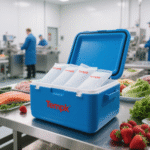
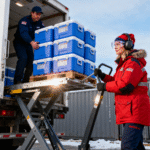
Contenedor refrigerado VIP para optimización del embalaje: Guía práctica de selección
La forma más segura de evaluar una Contenedor refrigerado VIP for pack out optimization is to treat it as one part of a controlled packout system. El aislamiento VIP puede proporcionar una fuerte resistencia térmica en una estructura compacta, pero no puede definir el rango de temperatura requerido, acondiciona tu refrigerante, evitar una mala carga, o escriba su procedimiento de recepción. Para optimizar el embalaje, la decisión útil es si el contenedor, refrigerante, protección de carga útil, escucha, y la documentación se ajustan a la ruta que realmente realiza el envío.
Respuesta práctica antes de preseleccionar proveedores
Un contenedor refrigerado VIP para optimizar el embalaje es un buen candidato cuando su paquete actual es demasiado grande, demasiado cerca de los límites de temperatura, demasiado débil en los puntos de entrega, o demasiado difícil de documentar. No es automáticamente la solución adecuada para cada envío.. El rango de temperatura requerido, duración de la ruta, geometría de carga útil, elección de refrigerante, y las expectativas de evidencia deben definirse antes de comparar muestras.
Mapee el envío antes de aprobar la caja
La primera especificación no es la dimensión exterior., espesor de pared, o precio. es la ruta. Una ruta incluye el tiempo de tránsito., tiempo de puesta en escena, entregas de vehículos o aeronaves, tiempo de permanencia en aduana o almacén, exposición estacional, y el proceso de recepción. Para optimizar el embalaje, esos puntos crean la mayor parte del riesgo práctico porque el producto a menudo se encuentra fuera de las condiciones ideales de almacenamiento cuando las personas se mueven., de cheques, o esperando.
Un contenedor VIP bien elegido le brinda más eficiencia de aislamiento que muchos contenedores de espuma o espuma convencionales. cajas de plastico en el mismo volumen de paquete. Esa ventaja es importante cuando el objetivo de su envío es mejorar la relación entre el espacio de carga útil, masa refrigerante, margen térmico, repetibilidad del operador, costo, peso dimensional, y evidencia de calificación. Importa menos cuando el envío es corto, previsible, valor bajo, y ya probado con un paquete más simple. El contenedor debe seleccionarse sólo después de saber dónde falla el paquete actual o dónde la siguiente ruta será más difícil..
Escriba el carril como una simple historia operativa antes de solicitar una muestra.: almacenamiento de hojas de producto, Los operadores acondicionan el refrigerante., la carga útil está cargada, la tapa está cerrada, un transportista recoge la caja, se producen traspasos, llega el envio, y el receptor lo abre. En cada paso, preguntar qué podría cambiar la temperatura, dañar la carga útil, o debilitar la prueba. Este ejercicio generalmente proporciona mejores criterios de compra que una larga lista de afirmaciones genéricas sobre aislamiento..
La optimización del embalaje es un cambio de ingeniería controlado, no sólo ahorro de espacio
La optimización del paquete generalmente comienza después de que un paquete ya funciona pero es ineficiente.. Puede que sea demasiado pesado, demasiado caro para enviar, demasiado difícil de montar, o demasiado grande para la carga útil. El peligro es que los equipos retiren el refrigerante o cambien el diseño sin entender por qué se aprobó el diseño original..
Un contenedor refrigerado VIP ofrece a los equipos de optimización una palanca útil porque el rendimiento del aislamiento puede permitir una caja más pequeña o un equilibrio más eficiente entre la carga útil y el refrigerante.. Sin embargo, Cada cambio debe ser tratado como un cambio de ingeniería.. Un peso dimensional más bajo no es una mejora si el paquete revisado pierde margen de temperatura o se vuelve más difícil de repetir para los operadores..
La optimización debe comparar los diseños de referencia y revisados utilizando los mismos supuestos del producto., perfil de ruta, monitorear la estrategia, y criterios de aceptación. De lo contrario, la comparación puede premiar el diseño que parece más barato en lugar del diseño que sobrevive a la ruta..
Trate el aislamiento VIP como margen térmico, no es una garantía
Los paneles aislados al vacío ayudan a reducir la transferencia de calor conductivo a través de las principales superficies aisladas.. en un contenedor de envío, que puede crear más espacio interno utilizable o un amortiguador térmico más fuerte que una pared convencional más gruesa. El beneficio es especialmente valioso cuando la carga útil es de alto valor., la caja debe permanecer compacta, o el costo del flete se ve afectado por el peso dimensional.
La limitación práctica es que una caja real no es un panel de laboratorio.. El calor aún puede entrar a través de la tapa., esquinas, juntas de paneles, áreas dañadas, y cualquier espacio donde el operador deje un hueco. El refrigerante también puede convertirse en un riesgo si no está suficientemente acondicionado., sobreacondicionado, colocado directamente contra productos sensibles a la congelación, o dispuestos de manera que el aire no pueda moverse según lo previsto dentro del paquete.
Para optimizar el embalaje, El paquete debe ser descrito como un sistema.: contenedor exterior, capa vip, revestimiento protector, refrigerante o PCM, divisor de carga útil, materiales absorbentes o de barrera cuando sea necesario, monitor de temperatura, etiqueta, e instrucciones. Si una parte cambia, El rendimiento de todo el sistema puede cambiar.. Es por eso que la aprobación de la muestra debe incluir cómo se empaqueta la caja., no sólo cómo se hace.
Incorpore pruebas en el paquete desde el principio
El contenedor no genera cumplimiento por sí solo.. Apoya un proceso. Dependiendo del producto y mercado, su equipo puede necesitar procedimientos escritos, evaluación de riesgos de ruta, embalaje calificado, monitoreo de temperatura, recibiendo inspección, y manejo de desviaciones. Para optimizar el embalaje, La evidencia de embalaje más útil es la evidencia que ayuda al receptor a decidir si el envío puede ser aceptado..
Los marcos de origen relevantes pueden incluir estándares térmicos ISTA, Conceptos de calificación de la OMS, Documentación estilo GDP donde están involucrados productos regulados, e informes de pruebas de proveedores. No todas estas fuentes se aplican de la misma manera a todos los envíos.. Una ruta gastronómica, una ruta médica, y una ruta de comercio electrónico cosmético puede tener diferentes expectativas legales y de calidad.. El comprador debe confirmar las normas aplicables con la calidad., regulador, o equipo de seguridad alimentaria en lugar de pedirle al proveedor de envases que haga una promesa de cumplimiento universal.
Un paquete de evidencia práctica a menudo incluye un registro de prueba de referencia., mapa de carga útil, colocación de refrigerante, ubicaciones de registradores, perfil ambiental, criterios de aceptación, y notas de control de cambios. Los registros específicos dependen de su producto y ruta., pero el principio es estable: No confíe en una afirmación de embalaje que no pueda rastrearse hasta un embalaje definido y una condición operativa definida..
Seleccione el contenedor con evidencia práctica
| pregunta del comprador | Qué preguntarle al proveedor | Qué respuesta útil debería mostrar |
|---|---|---|
| Requisito de temperatura | ¿Para qué gama de productos y reglas de excursiones está diseñado el paquete?? | Una gama de productos específicos, no es una afirmación genérica sobre la cadena de frío |
| Reclamación de tiempo de espera | ¿Qué perfil ambiental, carga útil, refrigerante, y los criterios de aprobación respaldan el reclamo? | Un contexto de prueba o una declaración clara de que se necesita una calificación adicional. |
| Espacio de carga útil utilizable | ¿El volumen incluye refrigerante?, divisores, y monitorear la colocación? | Un dibujo o una fotografía del paquete cargado, no sólo dimensiones internas brutas |
| Compatibilidad con refrigerante | ¿Qué paquete de gel?, PCM, hielo, o ruta de hielo seco está destinada? | Instrucciones de acondicionamiento y separación de mercancías sensibles. |
| Manipulación y reutilización | ¿Cómo deberían los paneles?, sellos, revestimiento, y cierres sean inspeccionados? | Un SOP práctico que los operadores pueden seguir repetidamente |
| Documentación | ¿Qué registros respaldan las decisiones de envío y recepción?? | plano registrador, packout checklist, pasos de desviación, y criterios de recepción |
Esta tabla no pretende ralentizar las compras.. Evita que la muestra equivocada parezca atractiva. Para optimizar el embalaje, una muestra que se ajusta a la carga útil pero que carece de instrucciones claras sobre el refrigerante puede crear más riesgo operativo que un paquete un poco más grande con mejor evidencia.
Utilice la tabla durante las llamadas a proveedores y la revisión interna.. Si no hay una respuesta disponible, Trátelo como un elemento de verificación en lugar de una razón para rechazar al proveedor inmediatamente.. Las discusiones sobre buenos envases a menudo comienzan con incógnitas; el punto importante es identificarlos antes de las órdenes de producción o envíos en vivo.
Herramientas útiles para tomar decisiones
Comprueba los detalles antes de elegir el embalaje.
Estas herramientas rápidas pueden ayudarle a comparar el riesgo de la ruta, necesidades de dimensionamiento, opciones de refrigerante, y detalles del embalaje antes de solicitar una cotización.
Calculadora de bolsa de hielo
Estimación de la cantidad de bolsas de hielo en gel para envíos refrigerados y planificación práctica de rutas.
Estimar las bolsas de hieloSelector de embalaje
Compare las opciones de embalaje aislado por producto, ruta, y necesidad de temperatura.
encontrar embalajeResistencia a la caída del material aislante
Revise la resistencia a caídas y los factores de manipulación antes de elegir materiales aislantes..
Comprobar resistenciaEjemplo: convertir una solicitud vaga en un resumen utilizable
Un equipo tiene un paquete de trabajo., Pero la caja es demasiado grande y su envío es caro.. Quieren reducir el peso dimensional sin perder margen de seguridad térmica. La primera petición puede parecer sencilla: 'Please quote a VIP refrigerated container for pack out optimization.' A better brief describes the product, el rango de temperatura requerido, la cantidad por envío, la duración de la ruta, probables puntos de traspaso, reglas de apertura, y quién comprobará el envío a su llegada.
Con ese breve, el proveedor puede discutir si el aislamiento VIP es apropiado, ¿Qué familia de refrigerantes se debe considerar?, ¿Cuánto espacio de carga útil queda después del refrigerante y los divisores?, y dónde debe colocarse el monitor. El comprador puede entonces comparar no sólo el precio sino también la dificultad de embalaje., calidad de la evidencia, y cuánta incertidumbre de ruta puede tolerar el diseño.
Este es un ejemplo hipotético., no es una promesa de desempeño. El paquete final debe compararse con los requisitos reales del producto y, donde sea necesario, un perfil de prueba o calificación de carril. El valor del ejemplo es la lógica de compra.: convierta el riesgo del producto en requisitos de embalaje antes de negociar los detalles de la caja.
Qué confirmar antes de pasar de pedidos de muestra a pedidos repetidos
Una conversación sólida con los proveedores es específica. Preguntar por dimensiones internas y dimensiones externas, pero también pregunte cómo cambian esas dimensiones después de cargar el refrigerante y los divisores.. Pregunte si la muestra está hecha con los mismos materiales y método de construcción que las unidades de producción.. Pregunte cómo se detectan los daños en el panel, cómo se verifican las tapas y los sellos, y qué sustituciones se permiten si un componente está agotado.
Si el contenedor es reutilizable, el modelo comercial debe incluir logística inversa. ¿A quién pertenece la caja después de la entrega?? quien lo limpia? Quién inspecciona paneles VIP y cierres? ¿Qué sucede cuando un receptor pierde un componente?? Los envases reutilizables pueden reducir los residuos en rutas repetidas, pero sólo cuando el circuito de retorno está lo suficientemente controlado para proteger el rendimiento y el costo..
Para ingenieros de embalaje, gerentes de cadena de frio, equipos de adquisiciones, Revisores de control de calidad, y supervisores de operaciones, La mejor lista rara vez es la del proveedor con la declaración de desempeño más espectacular.. Es el proveedor quien puede explicar los límites., mostrar cómo se ensambla el paquete, y ayude a su equipo a definir qué se debe verificar antes de que el envío se convierta en rutinario.
Evite estos atajos de aprobación
La mayoría de las fallas no son causadas por un material débil. Provienen de un desajuste entre las necesidades del producto y la forma en que se utiliza el paquete.. Para optimizar el embalaje, preste especial atención a la optimización para obtener más carga útil mientras pierde margen de temperatura, Colocar refrigerante donde se congela el producto., ignorando los efectos de borde, cambiar el tamaño de la caja sin recalificación, y no controlar cómo los operadores realmente empaquetan el envío.
- Aprobar el contenedor exterior sin aprobar el paquete cargado.
- Comparar el volumen bruto ignorando cuánto espacio ocupa el refrigerante, divisores, y monitorear el consumo.
- Usar un reclamo de tiempo de espera sin verificar el perfil ambiental y la carga útil detrás de él.
- Permitir que los operadores cambien la posición del refrigerante porque las instrucciones no son claras.
- Colocar el registrador de temperatura donde sea conveniente en lugar de donde esté representado el riesgo de carga útil..
- Asumir que un contenedor reutilizable es sostenible sin un retorno realista, limpieza, y proceso de inspección.
Una forma sencilla de reducir estos errores es congelar el paquete aprobado como documento operativo.. incluir fotos, instrucciones de acondicionamiento del refrigerante, orden de carga, sustituciones aceptables, monitorear la ubicación, método de cierre, y recibir cheques. Si es necesario un cambio, registrar por qué se realiza el cambio y si se requiere una revisión adicional.
Preguntas frecuentes
¿Es un contenedor refrigerado VIP para la optimización del embalaje lo mismo que un contenedor refrigerado activo??
No. En la mayoría de las discusiones con compradores, a Caja de envío VIP o contenedor es un bulto con aislamiento pasivo. Utiliza aislamiento de alto rendimiento y un refrigerante seleccionado o estrategia PCM., pero no refrigera mecánicamente la carga útil a menos que se especifique un sistema alimentado por separado.. Trátelo como un embalaje pasivo que todavía necesita un diseño de embalaje., acondicionamiento, escucha, y control de manejo.
¿Qué debo verificar antes de aprobar una muestra de envío VIP??
Verifique el rango de temperatura requerido, cantidad de carga útil, espacio interno utilizable, tipo de refrigerante, método de acondicionamiento del refrigerante, monitorear la ubicación, duración de la ruta, riesgo de traspaso, y criterios de recepción. Para optimizar el embalaje, También confirma los riesgos específicos del producto que más importan., como la sensibilidad a la congelación, aguanieve, contaminación, estabilidad de la fórmula, o requisitos de documentación.
¿Se puede utilizar el tiempo de espera indicado por un proveedor directamente para mi ruta??
No sin contexto. El tiempo de espera depende del perfil ambiental., carga útil, masa refrigerante, acondicionamiento del refrigerante, apertura de caja, temperatura inicial del producto, y criterios de aceptación. Utilice los datos de un proveedor como punto de partida.. Para envíos regulados o de alto valor, confirmar si se realizan pruebas adicionales, calificación de carril, o se necesita aprobación de calidad.
¿Cuándo no vale la pena la complejidad adicional del aislamiento VIP??
El aislamiento VIP puede no ser necesario cuando la ruta es corta, el producto es de bajo riesgo, el paquete existente ya está probado, o los operadores no pueden gestionar el embalaje requerido. También puede resultar inadecuado cuando los envíos no tienen criterios de aceptación definidos., sin registro de temperatura, y ninguna voluntad de probar o comparar revisiones de paquetes. La decisión debe comparar la reducción del riesgo., impacto de carga, control de reutilización, y necesidades de evidencia.
¿Los envases VIP reutilizables mejoran automáticamente la sostenibilidad??
No automáticamente. La reutilización puede reducir el material de un solo uso en carriles repetidos, Pero sólo cuando la logística de devolución, limpieza, inspección de componentes, y las tasas de pérdida están controladas. Un contenedor VIP reutilizable que se pierde con frecuencia, dañado, o enviado de regreso de manera ineficiente puede no brindar el beneficio operativo o ambiental esperado.
Conclusión
Un contenedor refrigerado VIP para optimizar el embalaje puede ser una buena opción cuando su envío necesita una protección térmica compacta., mejor margen de ruta, y evidencia más clara que la que un paquete aislado básico puede proporcionar. Debe seleccionarse en torno a las especificaciones del producto., condiciones de la ruta, estrategia de refrigerante, diseño de carga útil, plan de seguimiento, y proceso de recepción. La principal regla de compra es simple.: aprobar el sistema, no solo la caja.
Para optimizar el embalaje, La decisión de mayor valor es definir el problema del envío antes de solicitar una cotización.. Cuando el riesgo es claro, El aislamiento VIP se convierte en una herramienta práctica. Cuando el riesgo es vago, Incluso un contenedor de alto rendimiento puede convertirse en una suposición costosa..
Acerca de Tempk
suministros temporales embalaje de cadena de frío Soluciones para envíos B2B sensibles a la temperatura., incluyendo VIP y EPP refrigeradores médicos, paquetes de gel, Paquetes de PCM, cajas aisladas, y opciones de embalaje relacionadas. Para optimizar el embalaje, Ayudamos a los compradores a discutir las condiciones de la ruta., rango de temperatura objetivo, ajuste de carga útil, dirección del refrigerante, y detalles del embalaje antes de pasar de la revisión de muestras a la planificación repetida de envíos. Los equipos de embalaje utilizan debates sobre Tempk para comparar familias de aislamiento, disposición del refrigerante, diseño del separador, ajuste de carga útil, posiciones de monitoreo, y coherencia entre la muestra y la producción.
Comparte tu ruta, carga útil, rango de temperatura objetivo, y límites de manipulación con Tempk para comparar si un contenedor refrigerado VIP para la optimización del embalaje es la dirección correcta. Una recomendación práctica debe comenzar con las condiciones de envío., no solo el tamaño de una caja.