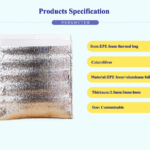
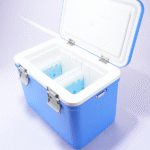
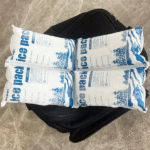
Bolsas de hielo para inyección de agua se suministran vacíos o parcialmente preparados, Luego se llena con agua y se congela cerca del punto de uso.. Para usuarios de cadena de frío de gran volumen, este formato puede reducir el volumen de carga entrante, menor presión de almacenamiento en el almacén, y permitir la congelación local antes del envasado.. Sin embargo, Los paquetes de inyección de agua no son automáticamente mejores que los precargados. paquetes de gel. Funcionan mejor cuando el comprador tiene suficiente mano de obra para llenar, control de agua limpia, capacidad del congelador, disciplina de sellado, y pruebas de ruta.
Este artículo explica cuándo tienen sentido las bolsas de hielo con inyección de agua para programas de cadena de frío B2B, como los kits de comida., entrega de comestibles, mariscos, paquetes refrigerados, distribución de la granja a la mesa, y envío de alimentos de temporada. También explica cuándo los paquetes de gel precargados o los paquetes PCM son mejores opciones..
Por qué el agua es útil como material de la cadena de frío
El agua es uno de los materiales de almacenamiento térmico más comunes porque tiene una alta capacidad calorífica específica y un alto calor latente de fusión cuando cambia de hielo a agua líquida.. Las referencias de ingeniería comúnmente enumeran el calor específico del agua cerca 4.18 kJ/kg·K a temperatura ambiente, y el calor latente de fusión del hielo/agua alrededor 334 kJ/kg. Esto significa que un paquete congelado a base de agua puede absorber una cantidad significativa de calor mientras se derrite a aproximadamente 0 °C. / 32°F.
Esto no significa que un paquete de inyección de agua sea adecuado para cada envío.. Una bolsa de agua congelada puede estar demasiado fría para algunos medicamentos a 2-8 °C si se coloca en contacto directo.. Es posible que no mantenga los alimentos congelados en una ruta larga de paquetes de verano. Puede gotear si la película, sello, método de llenado, o el proceso de manipulación es deficiente. Como cualquier componente de la cadena de frío., debe seleccionarse como parte de un paquete completo.
Mesa 1. Propiedades del agua relevantes para las bolsas de hielo con inyección de agua..
| Parámetro térmico | Valor de referencia típico | Significado del embalaje |
|---|---|---|
| Punto de congelación del agua | 0°C / 32°F a presión estándar | Los paquetes a base de agua se congelan hasta convertirse en hielo y liberan capacidad de enfriamiento durante el cambio de fase de agua helada.. |
| Capacidad calorífica específica del agua. | Acerca de 4.18 kJ/kg·K | El agua líquida absorbe calor sensible a medida que aumenta su temperatura.. |
| Calor latente de fusión de hielo/agua. | Acerca de 334 kJ/kg | El proceso de fusión absorbe una gran cantidad de calor sin que aumente la temperatura durante el cambio de fase.. |
| Densidad del agua líquida. | Acerca de 1,000 kg/m³ cerca de condiciones comunes | El volumen de llenado corresponde aproximadamente a la masa de llenado; a 500 El llenado de ml es aproximadamente 0.5 kg antes del peso del embalaje. |
En qué se diferencian las bolsas de hielo para inyección de agua de las bolsas de gel precargadas
Llega un paquete de gel precargado listo para congelar y usar.. Un paquete de inyección de agua llega compacto y se llena más tarde.. Esto cambia la estructura de costos.. Los paquetes precargados reducen la mano de obra en el sitio y los errores de llenado, pero enviar y almacenar productos con alto contenido de agua puede resultar costoso. Los paquetes de inyección de agua trasladan parte del trabajo al usuario, lo que puede ser valioso para operaciones de gran volumen con mano de obra local e infraestructura de congelación..
Mesa 2. Comparación operativa entre inyección de agua y paquetes de gel precargados.
| Factor | Paquete de hielo para inyección de agua | Paquete de gel precargado |
|---|---|---|
| Carga entrante | Bajo antes del llenado porque el paquete se envía plano o compacto. | Más alto porque el paquete se envía con peso de agua/gel ya incluido.. |
| Almacenamiento en almacén | Ahorro de espacio antes del llenado. | Requiere espacio de almacenamiento para paquetes llenos. |
| Mano de obra en el sitio de uso | Requiere llenado, control de sellado o tapa, el secado, congelación, y control de calidad. | Requiere congelación y envasado., pero no hay paso de llenado. |
| Consistencia | Depende de la precisión del llenado y del control del proceso local. | El peso del llenado de fábrica se controla durante la fabricación.. |
| Riesgo de fuga | Depende de la película, diseño de válvula/tapa/sello, método de llenado, y manejo. | Depende de la calidad de la película y del sello de fábrica.. |
| Mejor caso de uso | Operaciones de alto volumen con capacidad de preparación local.. | Operaciones que requieren un manejo sencillo, peso de llenado controlado, y una implementación más rápida. |
Cuando las bolsas de hielo con inyección de agua son mejores
Los paquetes de inyección de agua suelen ser mejores cuando un comprador envía grandes volúmenes, tiene rutas predecibles, y quiere reducir el costo y el espacio de la importación de paquetes de hielo pesados y terminados.. También pueden resultar útiles cuando una marca necesita almacenar un gran inventario estacional antes del pico de demanda., o cuando el envío al extranjero de paquetes precargados generaría costos de flete innecesarios.
- Kit de comida de gran volumen y rutas de comestibles donde se utilizan muchos paquetes todos los días..
- Centros de distribución regionales con estaciones de servicio y congelación rápida o suficiente capacidad de congelación..
- Programas estacionales de cadena de frío que necesitan un inventario compacto de pretemporada.
- Proyectos de exportación donde enviar paquetes vacíos es más eficiente que enviar peso de agua.
- Rutas refrigeradas de corta a media donde los paquetes de agua congelada son apropiados después de las pruebas de embalaje.
Cuándo son mejores los paquetes de gel precargados
Los paquetes de gel precargados suelen ser mejores cuando el cliente desea un control, Producto listo para congelar con menor riesgo de preparación.. También son mejores para clientes que no tienen equipo de llenado., trabajo consistente, control de agua, o suficiente capacidad del congelador. Un paquete de gel precargado puede incluir opciones de formulación que mejoran la viscosidad, reducir el libre movimiento del agua, y permiten un manejo más limpio en comparación con un simple paquete de agua.
Para envío de muestras farmacéuticas y biológicas, A menudo se prefieren los paquetes de PCM precalificados o los paquetes de gel controlados porque el paquete debe ser repetible y documentado.. Se puede utilizar un paquete de inyección de agua solo si el paquete validado lo permite y el usuario puede repetir el llenado., acondicionamiento, y proceso de colocación. Se debe evitar el contacto directo entre los paquetes de agua congelada y los productos sensibles a la congelación, a menos que el paquete haya sido diseñado para ello..
Herramientas útiles para tomar decisiones
Comprueba los detalles antes de elegir el embalaje.
Estas herramientas rápidas pueden ayudarle a comparar el riesgo de la ruta, necesidades de dimensionamiento, opciones de refrigerante, y detalles del embalaje antes de solicitar una cotización.
Calculadora de hielo seco
Calcule las necesidades de hielo seco para envíos congelados o ultrafríos antes de empacar.
Estimar hielo secoResistencia a la caída del material aislante
Revise la resistencia a caídas y los factores de manipulación antes de elegir materiales aislantes..
Comprobar resistenciaGenerador de listas de verificación de cumplimiento
Cree una lista de verificación práctica para la revisión del embalaje, envío, y documentación.
Crear lista de verificaciónCasos de uso y ajuste de la cadena de frío
Mesa 3. Ajuste típico por aplicación.
| Caso de uso | Ajuste del paquete de inyección de agua | Precaución clave |
|---|---|---|
| Entrega de kit de comida | Buena opción cuando las operaciones pueden llenarse y congelarse a escala. | La eliminación del cliente y el control de fugas deben ser claros.. |
| Entrega de comestibles local | Buena opción para rutas frías con tiempo de entrega controlado. | Los pedidos mixtos de temperatura ambiente/refrigeración pueden requerir una planificación de compartimentos. |
| Envío de mariscos | Posible para mariscos refrigerados, pero el control de la humedad es fundamental. | Utilice bolsas selladas, material absorbente, y pruebas de ruta. |
| Paquete de comida congelada | Ajuste limitado para rutas largas a menos que se pruebe; Es posible que aún se necesite hielo seco.. | FedEx y UPS generalmente recomiendan hielo seco para artículos congelados. |
| 2-8°C medicina | Úselo con precaución solo en paquetes aprobados.. | Los paquetes de agua congelada pueden generar riesgo de congelación si se colocan demasiado cerca de los medicamentos. |
| Bolsa de almuerzo para el consumidor | Buen ajuste para un enfriamiento sencillo después de la congelación. | No es el mismo requisito de rendimiento que la cadena de frío para paquetes. |
Lista de verificación de control de calidad para paquetes de inyección de agua
Un programa de paquete de inyección de agua debe incluir una lista de verificación de calidad local.. Las fallas más comunes son el llenado insuficiente., sobrellenado, sellado débil, aire atrapado, agua en las superficies del paquete, congelación incompleta, y trabajadores de embalaje que colocan los paquetes en la posición incorrecta. Estos problemas pueden crear variaciones de temperatura., cartones mojados, daño del código de barras, trituracion de producto, o quejas de clientes.
- Confirme el volumen de llenado objetivo o el peso de llenado para cada tamaño de paquete.
- Utilice agua limpia adecuada para la aplicación prevista y las expectativas del cliente..
- comprobar la válvula, tapa, o método de sellado antes de congelar.
- Seque la superficie exterior antes de almacenar o empacar la caja..
- Congele los paquetes completamente de acuerdo con el proceso de congelación validado del sitio..
- Evite llenar demasiado porque el agua se expande durante la congelación y puede estresar el paquete..
- Utilice instrucciones de embalaje escritas que muestren la ubicación del paquete y la separación del producto..
- Ejecute una prueba de temperatura para cada nuevo tamaño de caja, duración de la ruta, y perfil de temporada.
Cómo comparar el costo total
El precio unitario más bajo puede no producir el costo total más bajo.. Comparar carga entrante, espacio de almacenamiento, mano de obra, equipo de llenado, capacidad del congelador, rechazos de fugas, rendimiento de la ruta, y reclamos de servicio al cliente. Un paquete de inyección de agua puede reducir los costos de envío y almacenamiento, pero si el sitio carece de control de procesos, El costo oculto de un llenado deficiente y fugas puede ser mayor que los ahorros..
Mesa 4. Preguntas sobre el costo total de los programas de paquetes de inyección de agua.
| Área de costos | Preguntas para hacer |
|---|---|
| Carga entrante | ¿Cuánto costo se ahorra al enviar paquetes vacíos en lugar del peso del agua?? |
| Trabajo de llenado | ¿Cuántos paquetes se pueden llenar por hora?, y qué control de calidad se necesita? |
| Capacidad del congelador | ¿Puede el sitio congelar completamente el volumen diario del paquete antes del empaquetado?? |
| Tasa de fuga | ¿Cuál es la tasa de rechazo aceptable después del llenado?, congelación, y manejo? |
| Rendimiento de la ruta | ¿El paquete mantiene la temperatura requerida durante toda la ruta?? |
| Experiencia del cliente | ¿Entenderán los clientes la reutilización?, drenar, o instrucciones de eliminación? |
Preguntas frecuentes
¿Las bolsas de hielo para inyección de agua son lo mismo que las bolsas de gel??
No. Los paquetes de inyección de agua generalmente los llena el usuario con agua., mientras que los paquetes de gel suelen estar precargados con una formulación de gel. Ambos pueden proporcionar enfriamiento, pero difieren en el manejo, consistencia, y control de rendimiento.
¿Los paquetes de inyección de agua ahorran costos de flete??
ellos pueden, porque el paquete se puede enviar vacío o compacto antes de llenarlo. Los ahorros deben compararse con la mano de obra de llenado local., capacidad del congelador, y costo de control de calidad.
¿Se pueden utilizar paquetes de inyección de agua para el envío de alimentos congelados??
A veces, pero las rutas largas y heladas a menudo necesitan una planificación más sólida en materia de fuentes de frío. FedEx y UPS generalmente recomiendan hielo seco para artículos congelados, mientras que los paquetes de gel se usan comúnmente para estufas refrigeradas.
¿Se pueden usar paquetes de inyección de agua para medicamentos??
Sólo cuando el paquete está diseñado y aprobado para el rango de temperatura del medicamento.. Los paquetes de agua congelada pueden generar riesgo de congelación si se colocan demasiado cerca de productos a 2-8°C.
¿Cómo se deben probar los paquetes de inyección de agua??
Pruébelos dentro de la caja o bolsa real., con la carga útil real, peso de relleno, aislamiento, colocación del paquete, temperatura inicial, y perfil ambiental de ruta.