Bolsa de hielo seco al por mayor para envío de mariscos: Especifique antes de escalar
La forma más segura de comprar al por mayor. hielo seco paquete para el envío de productos del mar es posponer la comparación de precios hasta que las especificaciones técnicas sean claras. Primero indique si el marisco debe llegar frío o congelado.. Luego, identifique si “bolsa de hielo seco” significa dióxido de carbono sólido o una lámina congelada activada por agua.. Finalmente, definir el paquete aislado, desafío de ruta, controles de seguridad, y evidencia de aceptación. Esta secuencia evita tres errores costosos: comprar la tecnología de refrigerante incorrecta, confiar en una afirmación de duración de una prueba no relacionada, y escalar un paquete que el transportista o el equipo receptor no puede manejar de manera consistente.
Puerta 1: Escriba el resultado de la entrega
Una especificación de compra debe comenzar con el estado del marisco en el momento del envío., durante todo el periodo de riesgo, y al recibir. "Fresco," "frío,” y “congelado” no son términos de aceptación suficientes.
Para producto refrigerado, documentar la gama refrigerada requerida u otro límite específico del producto, si se permite la congelación de la superficie, y qué peligros para la seguridad de los productos del mar dependen del control del tiempo y la temperatura. Para producto congelado, definir la condición de congelación aceptable y la regla de la organización para evidencia de descongelación o excursiones. Para mariscos vivos, utilizar una especificación de transporte biológico separada que aborde la especie, oxígeno, humedad, temperatura, dióxido de carbono, y manejo.
La base de la seguridad alimentaria importa. La regulación HACCP para mariscos de la FDA requiere que los procesadores cubiertos analicen los peligros y, cuando sea apropiado, implementar controles en un plan escrito. La guía de la FDA analiza los controles refrigerados para el crecimiento de bacterias patógenas y la formación de toxinas y controles específicos para el pescado que forma escombrotoxinas.. El embalaje debe ayudar a ejecutar la estrategia de control establecida.. No debe crear un nuevo límite genérico desvinculado del producto y proceso..
También defina el límite de tiempo.. incluir acondicionamiento, embalaje, puesta en escena previa al portador, levantar, transferir, aduana o inspección, entrega final, y el manejo interno del receptor. Agregue una contingencia justificada en lugar de asumir que cada envío sigue el tiempo de tránsito publicado..
en esta puerta, el resultado es un requisito del usuario, no es un producto elegido.
Puerta 2: Eliminar la ambigüedad de la “bolsa de hielo seco”
Solicitar al proveedor que clasifique el artículo ofrecido en un lenguaje sencillo..
El dióxido de carbono sólido es verdadero hielo seco. Es extremadamente frío y se sublima en gas.. Por lo general, se suministra por separado del paquete aislado en forma de bloques., rebanadas, o pellets. El paquete debe liberar el gas de forma segura., y el movimiento aéreo o marítimo puede requerir marcas de mercancías peligrosas, etiquetas, acuerdos del operador, documentación, y preparación entrenada.
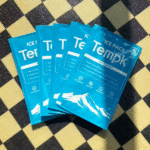
A hidratar la bolsa de hielo seco es un término de proveedor para un producto diferente. Instrucciones publicadas por Tempk, Por ejemplo, Describe una lámina empapada en agua y congelada y la distingue explícitamente del hielo seco.. Es una lámina refrigerante a base de agua., no Y 1845 dióxido de carbono. No crea gas de sublimación., pero puede expandirse durante la hidratación, fuga si está dañado, y producen puntos fríos cuando se congelan.
Los paquetes de gel y PCM también son distintos.. Un paquete de gel generalmente contiene un gel acuoso sellado. PCM es una categoría de ingeniería amplia para materiales que absorben calor durante un cambio de fase.; Los PCM formulados específicamente pueden seleccionarse alrededor de un punto de fase objetivo.. El punto de cambio de fase, estado de condicionamiento, forma de embalaje, y la evidencia de prueba determina la idoneidad.
La clasificación deberá aparecer en la ficha técnica aprobada y orden de compra.. Los nombres de los productos pueden permanecer para la continuidad del catálogo., pero la identidad material real debe impulsar la seguridad., declaración, almacenamiento, y calificación.
Puerta 3: Diseñe el paquete completo
El embalaje es una lista de materiales más un método de montaje.. incluye:
embalaje primario de mariscos;
cualquier revestimiento secundario resistente a fugas;
material absorbente o separador;
refrigerante o refrigerante por artículo exacto y condición definida;
Disposición de la carga útil y rango de carga permitido.;
contenedor aislado y tapa;
paquete exterior estructural;
cierres, evidencia de manipulación, y etiquetas;
monitor de temperatura cuando sea necesario;
Instrucciones de embalaje y recepción..
Cada componente puede cambiar la transferencia de calor.. Un revestimiento puede introducir un espacio de aire. Un separador puede proteger una bolsa del hielo seco pero reducir el enfriamiento directo. El relleno de huecos puede impedir el movimiento pero consumir espacio de carga útil. Una caja de cartón más grande puede agregar superficie y carga de calor.. Incluso la colocación de la cinta es importante si restringe la ruta prevista de liberación de gas..
Para mariscos refrigerados, mapear el riesgo de frío y calor. El refrigerante inmediatamente contra un filete puede congelar la superficie mientras el centro del transportador se calienta.. Para mariscos congelados con hielo seco sólido, estudiar la colocación de hielo seco, espacio de sublimación, contacto de carga útil, aislamiento, y ventilación. Un paquete debe permanecer estructuralmente seguro sin volverse hermético..
El control de fugas merece su propio dibujo. Los mariscos pueden liberar líquido de purga o descongelación aunque el hielo seco sólido no produzca agua de deshielo. Una lámina a base de agua o un paquete de gel también pueden tener fugas después de una perforación o falla en el sello.. Utilice contención primaria y secundaria apropiada para la fuente de líquido creíble., luego asegúrese de que la construcción siga siendo compatible con el rendimiento térmico y la liberación de dióxido de carbono..
La puerta de la evidencia: Lo que debe exigir un comprador
La siguiente tabla puede servir como anexo técnico a una solicitud de cotización..
| Artículo de especificación | Lo que debe indicar el proveedor o el equipo del proyecto | Lo que no se debe asumir |
|---|---|---|
| Identidad del refrigerante | Dióxido de carbono sólido, hoja de hidratación, gel, PCM, u otro material; Incluir instrucciones actuales e información de seguridad. | Que todos los productos llamados “hielo seco” se comporten como hielo seco |
| Condición de los mariscos | Enfriado, congelado, u otro estado definido, con criterios de aceptación específicos del producto | Que “se mantenga frío” es un límite de aceptación |
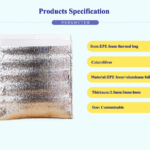
| Dimensiones condicionadas | Tamaño y masa en las condiciones utilizadas para el embalaje., incluyendo expansión de hidratación | Que una muestra plana y seca representa espacio de carga útil utilizable |
| Configuración de paquete | Recipiente, carga útil, colocación de refrigerante, revestimiento, separadores, cierres, y exterior | Ese rendimiento del refrigerante se transfiere a cualquier caja. |
| Soporte térmico | Perfil de prueba, duración, carga útil, condiciones iniciales, mapa de sensores, instrumento estatal, datos sin procesar, y pasar criterios | Un tiempo de espera universal de un folleto |
| Apoyo fisico | Prueba de distribución o evaluación relevante para la caída., vibración, compresión, y riesgos de resistencia en húmedo | Que un pase térmico demuestra la supervivencia estructural |
| Documentación de alimentos y materiales. | Documentos aplicables al artículo exacto., contacto previsto, y mercado de destino | Esa “calidad alimentaria” se explica por sí misma a nivel mundial |
| Revisión de mercancías peligrosas | Requisitos específicos del modo para hielo seco sólido, incluyendo ventilación, marcas, cantidad, documentos, capacitación, y aceptación del operador | que una clase 9 La etiqueta por sí sola completa el cumplimiento. |
| control de producción | Especificación aprobada, trazabilidad del lote, inspección, aviso de cambio, y proceso de muestra a producción | Que todos los lotes futuros coincidan con la muestra de ventas. |
| Fin de vida útil o reutilización | Desecho, reciclaje, devolver, limpieza, inspección, e instrucciones de retiro según corresponda | Que reutilizable o reciclable significa que en realidad será reutilizado o reciclado. |
Este anexo convierte las declaraciones de marketing en obligaciones revisables.. No es necesario inventar valores desconocidos para completarlo.. Pueden figurar como “que se establecerán mediante pruebas” o “proveedor que confirmará”.,”con propietario responsable y fecha de vencimiento antes de la aprobación.
Calificar el rendimiento térmico sin inventar una cantidad
No existe una proporción universal de hielo seco y mariscos ni un número fijo de láminas de hidratación que funcione para cada paquete.. La cantidad depende de la entrada de calor., ruta, carga útil, aislamiento, condiciones iniciales, comportamiento del refrigerante, colocación, contingencia, y restricciones del transportista.
Utilice un proceso de calificación por etapas.
Caracterizar el carril
Recopile información de tránsito planificada y real. Identificar muelles, puntos de transferencia, periodos no refrigerados, segmentos de aeronaves o vehículos, exposición de fin de semana, aduanas, y retraso en la recepción. Elija un perfil de prueba ambiental compatible con métodos estándar, datos de carril, o una evaluación de riesgos documentada. Los perfiles térmicos de ISTA pueden respaldar la evaluación de paquetes, pero un perfil estándar no representa automáticamente todas las rutas de productos del mar.
Mapear la carga útil
Utilice mariscos representativos o un simulante justificado con masa comparable., geometría, propiedades térmicas, embalaje primario, y condición inicial. Coloque sensores calibrados en ubicaciones cálidas y frías creíbles. La temperatura del refrigerante por sí sola no es la temperatura del producto..
Desafía la configuración
Pruebe el paquete definido según criterios predeterminados. Examinar excursiones altas y bajas., no sólo el promedio. Incluir un rango de carga útil justificado y condiciones estacionales.. Si una configuración está destinada a varios productos, documentar la justificación del bracketing.
comprobar la integridad física
Aplicar tensiones de manipulación relevantes e inspeccionar la caja., aislamiento, sellos de refrigerante, revestimiento, paquetes de mariscos, desfogue, y movimiento de componentes. Un paquete que mantiene la temperatura pero tiene fugas o no puede sobrevivir a la clasificación no ha cumplido su propósito operativo.
Ejecutar un piloto de operador
Haga que personal capacitado hidrate o acondicione los componentes., montar la caja, márcalo, licitarlo, recibirlo, recuperar datos, y tomar una decisión de disposición. Registre el tiempo y los errores comunes. Revisar el SOP o el diseño cuando la ejecución sea frágil..
La cantidad aprobada y la duración reclamada son resultados de este trabajo.. Deben estar vinculados a la configuración exacta., no presentado como propiedades inherentes de un paquete.
Alinear los controles de productos del mar con la evidencia de envío
La seguridad de los productos del mar es específica del producto. El equipo de envasado debe revisar el análisis de peligros y el plan HACCP con el propietario de seguridad alimentaria antes de establecer criterios térmicos..
Para mariscos refrigerados, El control del tiempo y la temperatura puede abordar el crecimiento de patógenos.. Para peces formadores de escombrotoxina, Un enfriamiento deficiente antes o durante el tránsito puede contribuir a la formación de histamina.. El nuevo enfriamiento no demuestra que la exposición anterior fuera aceptable. La recepción de pruebas puede incluir registros del transportista., un récord de tiempo y temperatura, medición del producto, condición del hielo, condición del refrigerante, u otro control establecido en el plan.
Los mariscos congelados deben cargarse en el estado requerido.. El embalaje pasivo generalmente está diseñado para mantener la condición., no congelar una carga útil caliente. Si los mariscos parcialmente descongelados se llenan con más hielo seco, la lectura final en frío puede ocultar el problema de envío.
El receptor necesita un camino de acción escrito.:
Inspeccione el exterior en busca de daños., humedad, respiraderos bloqueados, o cierres alterados;
Herramientas útiles para tomar decisiones
Comprueba los detalles antes de elegir el embalaje.
Estas herramientas rápidas pueden ayudarle a comparar el riesgo de la ruta, necesidades de dimensionamiento, opciones de refrigerante, y detalles del embalaje antes de solicitar una cotización.
Revestimiento de caja & Dimensionamiento de la cubierta de paleta
Lógica de tamaño de revestimiento de cajas y cubiertas de paletas para proyectos de embalaje aislado.
Estimar el tamañoCalculadora de bolsa de hielo
Estimación de la cantidad de bolsas de hielo en gel para envíos refrigerados y planificación práctica de rutas.
Estimar las bolsas de hieloReferencia del material aislante
Compare opciones de materiales aislantes para diferentes necesidades de embalaje de la cadena de frío.
Comparar materialesmanipular hielo seco sólido en un área ventilada y con la protección adecuada;
verificar la identidad del envío y los registros requeridos;
recuperar el monitor o tomar medidas definidas;
aislar los envíos que fallan o presentan evidencia incierta;
escalar la disposición a la función autorizada de seguridad o calidad de los alimentos;
conservar datos y documentar la decisión.
No pedir al personal de recepción que juzgue la seguridad por el olor., tocar, o refrigerante residual solo.
Controle el hielo seco sólido desde la sala de empaque hasta el transportador
El hielo seco sólido presenta dos peligros relacionados: Contacto frío y gas dióxido de carbono.. Guantes apropiados, protección para los ojos, y el manejo de herramientas ayudan a prevenir lesiones por frío. La ventilación y el almacenamiento seguro ayudan a prevenir la acumulación de dióxido de carbono en las habitaciones., vehículos, y otros espacios confinados. Los controles ocupacionales deben basarse en una evaluación del sitio y en las pautas de seguridad actuales..
La ventilación de los paquetes es obligatoria en las normas de transporte pertinentes porque la sublimación del dióxido de carbono puede generar presión.. En los Estados Unidos, Los requisitos de aire y agua exigen envases diseñados para liberar gas.. Los envíos aéreos requieren acuerdos con el operador e incluyen marcado de masa neta y otra información sobre mercancías peligrosas.. La identidad de envío adecuada es dióxido de carbono., hielo sólido o seco, Y 1845, Clase 9.
Marcas exactas, etiquetas, documentación, excepciones, Y los límites de cantidad dependen del paquete y del transporte.. Reglas aéreas internacionales, implementación nacional, variaciones de la aerolínea, y se debe verificar la aceptación del servicio de mensajería para el carril. Sólo los empleados capacitados deben preparar los envíos cuando se requiere capacitación sobre mercancías peligrosas..
La planificación del almacén debe tener en cuenta el hielo seco recibido antes del embalaje., sublimación durante la puesta en escena, y cantidad neta en la licitación. Una cantidad de compra no es necesariamente la cantidad de envío declarada. La organización necesita una forma controlada de medir y registrar la cantidad en el paquete completo..
Escale desde la muestra aprobada hasta la producción mayorista
La transición del piloto al pedido al por mayor es donde muchos programas de embalaje pierden el control.. La muestra aprobada podrá ser seleccionada manualmente., mientras que la producción introduce variaciones normales en la película, sellos, hidratación, dimensiones, cartón, aislamiento, o imprimiendo.
Cree una especificación de componente aprobada con tolerancias importantes para el paquete.. Para una hoja de hidratación, que pueden incluir dimensiones secas y acondicionadas, construcción celular, película o tela, contenido absorbente, patrón de sello, método de hidratación, y defectos visuales. Para paquetes de gel o PCM, incluir la identidad de la formulación, llenar, sello, dimensiones, acondicionamiento, y marcado de lotes. Para un contenedor aislado, identificar materiales, construcción de paredes y tapas, dimensiones internas, e interfaces críticas.
Acordar muestras de preproducción e inspección entrante. La inspección debe basarse en el riesgo.: identidad, contar, dimensiones, masa donde sea significativo, sellos, fuga, imprimir, información del lote, y se puede comprobar el ajuste acondicionado. Registrar no conformidades y definir segregación.
Requerir aviso antes de cambios que puedan afectar el ajuste, estado de contacto con alimentos, seguridad, rendimiento térmico, o eliminación. Un pequeño cambio en el proceso de película o sello puede alterar la durabilidad del congelado. Una sustitución de cartón puede afectar la compresión o la resistencia en húmedo.. Evaluar los cambios con respecto a la línea de base calificada y volver a realizar la prueba cuando el riesgo lo justifique..
Términos mayoristas como pedido mínimo, plazo de entrega, embalaje de componentes, patrón de paleta, vida útil, y la personalización debe solicitarse en lugar de asumirse. La impresión personalizada puede mejorar la identificación del paquete, pero no debe ocultar las marcas requeridas de mercancías peligrosas en un envío terminado..
Calcular el costo total de entrega
El precio unitario es solo una línea en un modelo de costo de empaque de mariscos. Incluir:
Paquete aislado y componentes de refrigerante.;
Adquisición y sublimación de hielo seco sólido antes de su uso.;
hidratación, congelación, y almacenamiento de energía;
Mano de obra de embalaje y equipo de protección.;
pérdida de espacio de carga útil y peso dimensional del paquete;
formación sobre mercancías peligrosas, documentación, y tarifas del transportista;
monitores de temperatura y manejo de datos;
daño del paquete, fugas, sostiene, y mariscos rechazados;
flete de regreso, limpieza, inspección, y pérdidas para sistemas reutilizables;
eliminación o valorización en destino;
recalificación después del material, carril, o cambios de servicio.
Comparar candidatos con el mismo resultado de entrega. Un paquete reutilizable puede tener un precio de compra más alto y un menor consumo de componentes, pero solo si la devolución y la inspección funcionan.. Una lámina de hidratación se puede almacenar de forma compacta antes del acondicionamiento, pero se puede expandir al espacio de carga útil.. El hielo seco sólido puede soportar un carril congelado y al mismo tiempo crear obligaciones adicionales de manipulación y transporte.. La métrica apropiada es el costo total por entrega aceptada., con la pérdida y la seguridad de los alimentos tratadas como riesgos materiales.
Piloto hipotético: De la palabra clave al paquete controlado
Un comprador busca una bolsa de hielo seco al por mayor para el envío de productos del mar porque un nuevo minorista quiere la entrega de paquetes con porciones de pescado refrigeradas.. Varios proveedores ofrecen “paquetes de hielo seco,”pero una oferta es dióxido de carbono sólido y otra es una lámina de hidratación..
El comprador rechaza la idea de elegir entre ellos en precio. El equipo de seguridad alimentaria confirma que las porciones deben permanecer frías y que no es deseable congelarlas contra el producto.. Eso hace que el contacto directo no calificado entre sólido y hielo seco sea un mal punto de partida.. El equipo obtiene muestras de láminas de hidratación y un candidato a PCM condicionado específicamente.
Los ingenieros de envasado se hidratan, congelar, y medir la hoja, luego cree maquetas de carga útil en el formato previsto caja aislada. Definen colocación de liner y absorbente para fugas de mariscos, mapear ubicaciones frías y cálidas, y retar a los candidatos bajo un perfil de ruta justificado. No se asume cantidad ni duración.; Ambos se determinan durante el desarrollo..
El equipo de recepción revisa los envíos de prueba ciega utilizando reglas de aceptación escritas.. Los empacadores informan que el formato de una hoja se pliega de manera inconsistente y ocasionalmente presiona contra un sello primario., por lo que el diseño se revisa antes de la calificación formal. Luego, la adquisición bloquea la configuración exitosa., obtiene muestras de producción, y acuerda controles de lotes y cambios.
Este ejemplo es hipotético., pero el camino de la decisión es transferible. La palabra clave abrió una búsqueda de proveedores.; El requisito del usuario y la evidencia crearon la compra..
Preguntas frecuentes
¿Cuál es mejor para los mariscos?, hielo seco sólido o láminas de refrigerante de hidratación?
Ninguno de los dos es universalmente mejor. El hielo seco sólido puede caber en un envío congelado diseñado adecuadamente, mientras que una sábana de hidratación acondicionada puede adaptarse a ciertos paquetes refrigerados u otros usos probados. El estado del marisco, ruta, aislamiento, transportador, obligaciones de seguridad, riesgo del lado frío, y los resultados de la calificación determinan la respuesta. Confirmar que un producto llamado bolsa de hielo seco esté realmente identificado por el material.
¿Puede el informe de tiempo de espera de un proveedor reemplazar las pruebas del comprador??
Puede reducir la incertidumbre si la caja probada, carga útil, refrigerante, temperaturas iniciales, perfil ambiental, mapa de sensores, y los criterios de aceptación coinciden estrechamente con el envío propuesto.. Rara vez responde a todas las preguntas específicas del carril.. Revisar la relevancia y realizar la calificación o verificación adecuada al riesgo antes de escalar.. Documente cualquier brecha.
¿Por qué un paquete de hielo seco debe ventilarse si se deben contener las fugas de mariscos??
Las funciones son diferentes.. Los mariscos y los líquidos creíbles necesitan una vía de contención, mientras que el gas dióxido de carbono necesita una vía de liberación segura. Un embalaje bien diseñado puede utilizar envases primarios sellados para productos del mar., una barrera líquida secundaria, y una construcción ventilada de hielo seco y paquete exterior. No hagas hermético el paquete completo..
¿El registrador más frío lee el resultado más importante??
No. Para mariscos refrigerados, el lugar más frío puede revelar una congelación no deseada; para todas las cargas útiles, La ubicación más cálida y creíble puede revelar una pérdida de control.. Revisar la distribución mapeada a lo largo del tiempo y aplicar criterios específicos del producto.. Un registrador al lado del refrigerante no representa toda la carga útil durante el tránsito.
¿Qué se debe congelar antes de empacar??
La respuesta depende del SOP aprobado.. Los mariscos deben ingresar al paquete en las condiciones de envío especificadas.. Sábanas de hidratación, paquetes de gel, o los componentes PCM necesitan el estado de acondicionamiento definido durante todo el proceso.. El hielo seco sólido se suministra como refrigerante y pierde masa por sublimación.. No utilice al transportista como un método no documentado para llevar mariscos calientes hasta las especificaciones..
Aprobar el sistema, Luego haga el pedido
Un paquete de productos del mar listo para comprar tiene un resultado de entrega definido, una identidad de refrigerante inequívoca, una lista de materiales controlada, evidencia térmica y física relevante, alineación de seguridad de productos del mar, aceptación del transporte, y procedimientos repetibles. El hielo seco sólido requiere ventilación, protección contra contacto frío, controles de dióxido de carbono, y revisión de mercancías peligrosas por modo específico. Las láminas de hidratación son refrigerantes congelados a base de agua., dióxido de carbono no sólido; necesitan hidratación, acondicionamiento, adaptar, y controles de fugas. La escala mayorista debe seguir el control de calificación y producción., no precederlos.
Acerca de Tempk
La gama publicada de Tempk incluye láminas de refrigerante de hidratación descritas como hidratar bolsas de hielo seco para usos de refrigeración de alimentos como mariscos. Las instrucciones para el usuario de la empresa distinguen estas láminas del hielo seco sólido e indican a los usuarios que las hidraten y congelen.. Ese límite verificado es útil para la especificación.: Los compradores pueden evaluar el producto como un componente refrigerante flexible a base de agua en lugar de dióxido de carbono.. Tempk puede proporcionar información sobre productos candidatos y analizar las necesidades de formato o volumen., mientras que el comprador sigue siendo responsable de confirmar la documentación relevante y calificar el paquete de productos del mar terminado para su producto., ruta, y proceso operativo.
Envíe a Tempk su requisito de usuario, dibujo de paquete, estado de los mariscos, detalles de la ruta, y volumen mayorista esperado. Solicite la muestra acondicionada exacta y la documentación necesaria para tomar una decisión de calificación controlada.