


Détail du blog
L’IA et l’interopérabilité transforment l’avenir des chaînes du froid pharmaceutiques
La transformation numérique pousse les chaînes du froid pharmaceutiques au-delà de la surveillance de la température
Ce qui s'est passé
Les opérations de la chaîne du froid pharmaceutique entrent dans une nouvelle étape de transformation numérique alors que les fabricants et les prestataires logistiques adoptent une surveillance continue., plateformes technologiques d’automatisation et interopérables.
Historiquement, la gestion de la chaîne du froid pharmaceutique vise principalement à prouver que les produits restent dans les plages de température approuvées.
La prochaine génération de systèmes se concentre sur la prévention des pannes avant qu'elles ne surviennent.
L'analyse du secteur met en évidence plusieurs orientations technologiques émergentes:
- surveillance continue
- automation
- interopérabilité numérique
- analyse prédictive
Ces technologies visent à réduire les excursions de température, améliorer la visibilité des expéditions et créer des liens plus solides entre la fabrication, logistique et prestation de soins de santé.
Comment ça marche
Les systèmes traditionnels de chaîne du froid pharmaceutique comprennent généralement:
- Logueurs de données de température
- stockage réfrigéré
- emballage validé
- PIB transport
Ces systèmes fournissent des preuves importantes mais fonctionnent souvent séparément.
Les chaînes du froid numériques modernes combinent plusieurs sources d'informations:
Surveillance continue
Au lieu de consulter l'historique des températures après la livraison, une surveillance continue fournit:
- données de température en temps réel
- informations de localisation
- état de l'expédition
- notifications d'alarme
Cela permet aux équipes de répondre pendant que l'envoi est encore en transit..
Automation
L'automatisation est de plus en plus appliquée dans:
- entrepôts pharmaceutiques
- centres de distribution
- centres de distribution
Les exemples incluent:
- systèmes de stockage automatisés
- manipulation robotique
- suivi automatisé des stocks
L'automatisation réduit:
- erreurs de manipulation manuelle
- exposition inutile au produit
- inexactitudes d'inventaire
Interopérabilité des données
L'un des plus grands défis de la logistique pharmaceutique est la fragmentation des informations..
Un envoi peut impliquer:
- systèmes du fabricant
- 3Plateformes PL
- systèmes aériens
- logiciel d'entrepôt
- systèmes clients
L'interopérabilité permet à ces systèmes d'échanger des informations.
L'objectif est de créer une vue unique de:
- identité du produit
- état de l'expédition
- historique de la température
- événements de garde
Pourquoi ça compte
Les produits pharmaceutiques deviennent de plus en plus complexes.
Les domaines de croissance comprennent:
- biologique
- vaccins
- thérapies cellulaires
- médicaments spécialisés
Ces produits ont souvent:
- valeur plus élevée
- fenêtres de stabilité plus étroites
- un plus grand impact sur les patients
Une défaillance de la chaîne du froid peut entraîner:
- perte de produit
- retards de traitement
- enquête réglementaire
À mesure que les produits deviennent plus spécialisés, les systèmes logistiques doivent devenir plus intelligents.
Le contrôle de la température seul ne suffit plus.
Les entreprises doivent savoir:
- où se trouve le produit
- dans quel état il est
- si une intervention est nécessaire
Impact B2B
Pour les fabricants de produits pharmaceutiques:
Les futures stratégies de chaîne du froid devraient inclure:
- visibilité numérique
- gestion prédictive des risques
- gestion automatisée des exceptions
Pour les fournisseurs 3PL:
Les avantages concurrentiels dépendront de plus en plus de:
- Capacité PIB
- plateformes connectées
- réponse proactive
Pour les exploitants d’entrepôts frigorifiques:
La demande va augmenter pour:
- entrepôts intelligents
- manutention automatisée
- surveillance connectée
Pour les fournisseurs d'emballages:
Les chaînes du froid numériques créent une demande de:
- expéditeurs intelligents
- capteurs intégrés
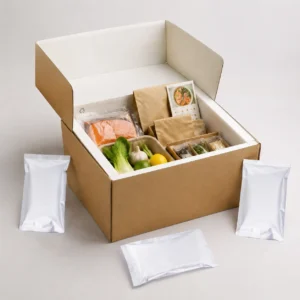
- systèmes réutilisables à température contrôlée
Pour les fournisseurs de technologie:
Les futures plateformes combineront:
- IoT
- Analyse de l'IA
- automation
- documentation numérique
Aperçu final
La chaîne du froid pharmaceutique passe de:
« enregistrement de l'historique des températures »
vers:
« prédire et contrôler les risques liés aux produits ».
La future chaîne du froid ne gardera pas seulement les produits au froid.
Il comprendra l'état du produit, prédire les problèmes et prendre automatiquement de meilleures décisions.




