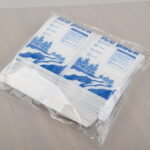
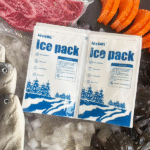
pack de glace carbonique en vrac pour la livraison de vaccins: Sélection pratique, Configuration de conditionnement, et examen des fournisseurs
Pour la livraison des vaccins, Les blocs de glace carbonique en vrac destinés à la livraison des vaccins doivent être traités comme une décision d'emballage., pas seulement un achat de produit. Le pack n'est qu'une partie d'un système qui comprend un conteneur isotherme, placement de la charge utile, matériau de séparation, étiquettes, instructions de manipulation, et preuve de température. Si ces pièces ne fonctionnent pas ensemble, un liquide de refroidissement peu coûteux peut devenir un problème coûteux. Cet article se concentre sur la sélection pratique, examen des fournisseurs, et des contrôles à grande échelle pour les acheteurs B2B.
L'approche pratique consiste à transformer la demande de sourcing en une revue d'itinéraire et d'emballage.. Cela signifie définir le travail de température, confirmer la catégorie du liquide de refroidissement, et demander au fournisseur d'expliquer comment les échantillons deviennent des packs de production reproductibles.
Définir le travail de température avant de parler prix
La plage de température est une exigence du produit, ce n'est pas une expression de marketing produit. Dans la livraison des vaccins, l'acheteur doit d'abord déterminer si les vaccins, diluants, et les fournitures du programme de vaccination doivent être réfrigérées, congelé, ultra-froid, ou autre manipulation contrôlée. De nombreuses expéditions de soins de santé et de produits alimentaires ont des attentes clairement définies en matière de stockage ou de transport., mais l'exigence exacte doit provenir de l'étiquette du produit, spécification du client, accord de qualité, ou les règles locales applicables.
La glace carbonique peut être utile car elle est extrêmement froide, mais cette même propriété peut créer une panne si le produit est sensible au gel. Les packs de glace carbonique hydratée peuvent constituer une source de froid moins dangereuse et plus flexible., mais ils peuvent également ne pas égaler les performances du dioxyde de carbone solide aux températures les plus basses.. L'acheteur ne doit pas choisir entre eux en se basant uniquement sur le nom du produit..
Une spécification pratique concernant les blocs de glace carbonique en vrac pour la livraison des vaccins devrait donc éviter les expressions vagues telles que « conserver au froid pendant longtemps ». Une meilleure spécification indique l'état de la charge utile, la méthode de préparation du pack, l'expéditeur isolé, la durée à tester, et les critères d'acceptation. Si ces éléments ne sont pas encore connus, demander au fournisseur une recommandation de départ et planifier un essai sur échantillon contrôlé.
Le pack ne représente pas tout le système de la chaîne du froid
Un emballage sous chaîne du froid a quatre tâches. Il faut ralentir la chaleur extérieure, stocker suffisamment d'énergie de refroidissement, garder la charge utile à l’écart des conditions locales dommageables, et fournir des preuves ou des instructions à l'arrivée de l'envoi. La banquise ne contribue qu’au travail de refroidissement. Cela ne résout pas automatiquement l’isolation, documentation, formation en entrepôt, ou réception d'une inspection.
Les détails d’emballage les plus courants sont faciles à ignorer. Combien de temps les paquets restent-ils hors du congélateur avant d'être chargés? Les packs sont-ils placés sur le dessus, bas, côtés, ou autour de la charge utile? Y a-t-il une entretoise ou un séparateur? Le produit a-t-il un espace libre ou un emballage fragile? La boîte est-elle scellée immédiatement? Les étiquettes sont-elles placées là où le transporteur peut les voir? Ces détails créent une répétabilité.
Pour la livraison des vaccins, la répétabilité est plus précieuse qu'une affirmation dramatique en matière de refroidissement. Un emballage modéré, facile à préparer correctement pour le personnel de l'entrepôt, peut surpasser une configuration plus agressive qui ne fonctionne que lorsqu'un opérateur expérimenté le construit parfaitement..
Ajustement par produit, itinéraire, et capacité du récepteur
Une décision finale d'approvisionnement doit relier les spécifications du produit à la manière dont la boîte sera emballée et manipulée.. Le tableau ci-dessous est un outil de révision compact permettant de passer du devis au déploiement contrôlé..
Matrice d'évaluation des fournisseurs
| Point de décision | Bonne preuve | Drapeau rouge |
|---|---|---|
| Point de décision | Bonne preuve | Drapeau rouge |
| Ajustement du produit | La plage de température requise et la sensibilité du produit sont indiquées avant l'échantillonnage. | Le fournisseur suggère un pack pour tous les produits. |
| Ajustement | Photos, diagrammes, ou les instructions montrent le placement et la séparation du paquet. | Seules la taille et le prix de l'unité sont proposés. |
| Ajustement à grande échelle | Les versions d'échantillon et de production utilisent le même matériau, conception de feuille, et qualité de fermeture. | La commande groupée provient d'une construction différente. |
| Sensibilisation à la conformité | Le fournisseur explique quand la neige carbonique règne, marques, ou des limites de transporteur peuvent s'appliquer. | Le fournisseur considère chaque pack de refroidissement comme non réglementé. |
Les signaux d’alarme ne sont pas des raisons de rejeter immédiatement chaque fournisseur.. Ce sont des invitations à une meilleure conversation. Un fournisseur sérieux doit être disposé à clarifier l'identité matérielle, étapes de préparation, limites d'expédition, et les attentes en matière de contrôle des changements au lieu de pousser l'acheteur vers un nombre de packs générique.
Pour la livraison des vaccins, le meilleur résultat est un kit reproductible: la taille du paquet, quantité par paquet, expéditeur, matériau barrière, ordre de chargement de la charge utile, étiquettes, et les instructions du récepteur sont toutes définies avant que la première commande importante ne soit émise.
Questions des fournisseurs qui changent réellement la décision
Une conversation sérieuse avec un fournisseur concernant un bloc de glace carbonique en vrac pour la livraison de vaccins doit sembler spécifique. Demandez quel matériel contient le pack, si le produit contient du dioxyde de carbone solide réel ou un milieu froid hydraté, comment il faut le préparer, s'il peut être coupé, comment il doit être placé, et quelles limites le fournisseur voit pour votre catégorie de produits.
Demander des informations sur la cohérence de la production. Le pack d'échantillons doit représenter le pack de production. Si la commande est importante, demander des éclaircissements sur le contrôle des lots, tolérance dimensionnelle acceptable, qualité du joint, nombre d'emballages par carton, stockage avant expédition, et que se passe-t-il si les matières premières changent.
Renseignez-vous sur l'assistance au-delà du pack. Pour les achats en gros, le fournisseur devrait être en mesure de discuter des boîtes isolées extérieures, sacs thermiques, doublures, bûcherons de données, étiquettes, et des dessins d'emballage simples. La réponse ne doit pas nécessairement être un package de validation complet au stade du devis, mais cela doit montrer que le fournisseur comprend les opérations de la chaîne du froid.
Transferts de contrôle et documentation
De nombreux problèmes de chaîne du froid surviennent aux points de transfert. Le colis peut reposer sur un quai, attendre dans une cage de courrier, être ouvert pour inspection, être placé à proximité d'une source de chaleur, ou être accepté par un receveur qui ne sait pas manipuler la neige carbonique. Ce sont des risques opérationnels, pas de défauts dans le pack seul.
Pour la vraie glace sèche, le récepteur doit comprendre la ventilation et la protection individuelle. Pour les packs hydratés, le destinataire doit savoir si le pack peut être réutilisé, éliminé, ou retourné. Pour les expéditions surveillées, le destinataire doit savoir comment lire ou télécharger l'enregistrement de température et quand mettre le produit en quarantaine pour examen.
De bonnes instructions pour la livraison des vaccins doivent être rédigées à l'intention du personnel de l'entrepôt., remise par courrier, et acceptation du récepteur. Il doit être suffisamment court pour suivre mais suffisamment précis pour éviter les substitutions improvisées..
Drapeaux rouges avant la publication en masse
Drapeau rouge 1: le fournisseur ne peut pas expliquer ce que contient réellement le paquet. Les mots pack de glace carbonique, calotte glaciaire, Pack PCM, et le pack de gel sont parfois utilisés de manière lâche. L'identité du matériau affecte le comportement en température, sécurité, et règles d'expédition.
Drapeau rouge 2: le devis comprend un temps de retenue fixe sans décrire l'expéditeur, charge utile, profil ambiant, quantité par paquet, et plage d'acceptation. Le temps d'attente sans contexte de test doit être traité comme un langage promotionnel, pas une preuve.
Outils de décision utiles
Vérifiez les détails avant de choisir l'emballage
Ces outils rapides peuvent vous aider à comparer le risque d'itinéraire, besoins de dimensionnement, choix de liquide de refroidissement, et les détails de l'emballage avant de demander un devis.
Doublure de boîte & Dimensionnement des couvertures de palettes
Vérifiez la logique de dimensionnement du revêtement de boîte et du couvercle de palette pour les projets d'emballage isotherme.
Dimensionnement estiméLiquide de refroidissement & Référence PCM
Comparez les options de liquide de refroidissement et de PCM lorsqu'un itinéraire nécessite une prise en charge supplémentaire de la température.
Comparez les optionsOutil d’évaluation du risque d’itinéraire
Examinez les conditions des pistes avant de sélectionner l'emballage en fonction des exigences opérationnelles réelles..
Vérifier le risque d’itinéraireDrapeau rouge 3: l'échantillon semble différent du devis de production. Modifications de la disposition des cellules, scellement des bords, membrane, papier, ou le contenu absorbant peut modifier les performances. Demander si la construction d'échantillons sera verrouillée pour le premier ordre de fabrication.
Drapeau rouge 4: le fournisseur affirme que le pack convient à toutes les livraisons de vaccins. Un fournisseur crédible doit reconnaître les limites et s'enquérir de la charge utile, itinéraire, exigence de température, et flux de travail du récepteur.
Drapeau rouge 5: le fournisseur ignore la documentation. Même les expéditions de produits alimentaires non réglementées bénéficient d'instructions d'emballage claires. Médical, pharmaceutique, et les expéditions de vaccins nécessitent souvent un examen interne plus approfondi et des preuves de température.
Exemple pratique: du devis au déploiement maîtrisé
Par exemple, une équipe d’approvisionnement prépare peut-être des vaccins, diluants, et les fournitures du programme de vaccination pour la livraison des vaccins. L'équipe demande du vrac à trois fournisseurs packs de glace sec et reçoit trois réponses différentes: on cite de la vraie neige carbonique, on cite un paquet de feuilles hydratées, et l'un d'eux cite un pack de gel congelé sans explication. Au début, le prix le plus bas semble attrayant, mais l'acheteur se rend compte que les produits ne représentent pas la même catégorie de manutention.
L'étape suivante consiste à définir les conditions d'expédition. L'équipe vérifie si la charge utile doit rester froide, congelé, ou protégé du gel. Il confirme ensuite l'expéditeur externe, temps de transit prévu, lieu d'emballage, temps dehors rangement froid, et formation des récepteurs. Ce n'est qu'une fois ces détails clairs que l'échantillon de fournisseurs devient significatif..
Pendant le procès, l'équipe place des moniteurs de température là où le risque est susceptible d'apparaître, pas seulement au centre le plus protégé de la boîte. Il enregistre le temps de préparation des packs, l'ordre de chargement, les positions du pack, et si les cartons sont ouverts ou laissés fermés pendant le transport. Si le test expose un coin chaud, froid excessif à proximité du produit, ou condensation au niveau du liner, la réponse n'est pas simplement d'ajouter plus de packs. La mise en page devra peut-être changer.
Cet exemple n'est pas un cas client réel, mais cela reflète le type de processus de décision qui évite des erreurs coûteuses en matière de mise à l'échelle.. Un pack peut être techniquement bon et néanmoins erroné pour un produit ou un itinéraire spécifique.
FAQ
Un sac de glace carbonique est-il la même chose que de la vraie neige carbonique pour l'administration des vaccins ??
Pas toujours. Certains fournisseurs utilisent le terme pour désigner le dioxyde de carbone solide ou les emballages utilisés avec celui-ci.. D'autres l'utilisent pour s'hydrater packs froids ou feuilles de style PCM congelées avant expédition. Les acheteurs doivent confirmer l'identité du matériau, car la vraie neige carbonique libère du dioxyde de carbone et peut nécessiter une manipulation différente., ventilation, marquage, et acceptation du transporteur.
Les blocs de glace carbonique en vrac peuvent-ils protéger chaque expédition de vaccins, diluants, et fournitures pour le programme de vaccination?
Non. Le pack doit correspondre aux exigences de température du produit, isolation extérieure, masse de charge utile, durée de l'itinéraire, et flux de travail du récepteur. Il peut s'adapter aux lignes de vaccins congelés ou ultra-froids lorsque l'étiquette du produit, instructions du fabricant, et la qualification des voies nécessitent cette approche, mais il peut ne pas convenir à la distribution courante de vaccins réfrigérés, à moins que l'emballage n'ait été conçu pour empêcher l'exposition au gel.. Une recommandation d'un fournisseur doit être testée par rapport à l'itinéraire réel plutôt que supposée à partir de la seule catégorie de produit..
Ce qu'il faut vérifier avant de passer une commande groupée ou en gros?
Confirmer la plage de stockage du produit, durée de l'itinéraire, remise par courrier, état de la glace carbonique, Placement de l'enregistrement, et recevoir le SOP. Vérifiez également la cohérence de l'échantillon à la production, instructions de préparation, dessins d'emballage, et tout processus de contrôle des changements. Pour les marchandises réglementées ou sensibles, demandez à votre équipe qualité ou logistique d'examiner l'emballage avant de le mettre à l'échelle.
Ai-je besoin d'un enregistreur de données de température avec ces packs?
Un enregistreur ne protège pas le produit, mais il fournit la preuve de ce qui s'est passé pendant le stockage ou le transport. Pour une valeur élevée, médical, pharmaceutique, vaccin, ou des expéditions de produits alimentaires sensibles, un suivi peut être attendu par des règles de qualité internes ou par des exigences clients. L'emplacement de l'enregistreur doit refléter les points chauds et froids probables, pas seulement le centre de la boîte.
Les acheteurs de vaccins devraient-ils choisir de la neige carbonique pour les vaccins réfrigérés?
Pas par défaut. De nombreux flux de travail pour les vaccins sont conçus autour de la manipulation réfrigérée, et certains produits peuvent perdre de leur efficacité s'ils sont congelés. La glace carbonique ou les compresses froides ne doivent être utilisées que lorsque les instructions spécifiques du vaccin et l'emballage qualifié soutiennent ce choix..
Conclusion
Le meilleur choix de pack de glace carbonique en vrac pour la livraison de vaccins est celui qui correspond à l'état du produit., l'itinéraire, et le processus de manipulation. Commencez par identifier si le pack est de la vraie neige carbonique ou un produit réfrigérant hydraté.. Confirmez ensuite l'expéditeur externe, placement des paquets, sensibilité au produit, et les besoins en documentation avant de commander à grande échelle.
Pour la livraison des vaccins, le plus gros risque est souvent une hypothèse: en supposant qu'il fait plus froid, c'est mieux, en supposant qu'un paquet convient à chaque carton, ou en supposant que la réclamation générale d'un fournisseur s'applique à votre voie. Un examen rigoureux des échantillons et des instructions d'emballage claires peuvent empêcher que ces hypothèses ne se transforment en échecs d'expédition..
À propos du tempk
Tempk soutient les acheteurs B2B de la chaîne du froid avec des options d'emballage pratiques pour les aliments, pharmaceutique, médical, et expéditions sensibles à la température. Pour les projets de type glace carbonique, nous aidons les acheteurs à penser au-delà du pack individuel et à examiner la configuration complète de l'expédition: emballage isolé, placement du liquide de refroidissement, ajustement de la charge utile, étapes de préparation, et preuve de température. Notre gamme de produits comprend des blocs de glace, blocs de glace carbonique hydratés, sacs isolés, boîtes de carton d'isolation, glacières médicales, Options d'emballage liées au PPE et au VIP, couvertures thermiques de palettes, et prise en charge de la surveillance de la température. L'objectif est d'aider votre équipe à choisir un packout réaliste pour l'itinéraire., pas seulement attrayant sur une feuille de devis.
Utilisez Tempk comme partenaire d'approvisionnement technique lorsque vous avez besoin de transformer un pack d'échantillons en un pack reproductible expédition sous chaîne du froid configuration.
Notes supplémentaires de l'acheteur avant la sortie
Rédiger la première spécification d'achat dans la langue d'expédition. Indiquer que l'acheteur évalue les packs de glace carbonique en vrac pour la livraison de vaccins, puis décrivez la forme du produit, condition requise, expéditeur externe, itinéraire, saison, et le récepteur. Cela donne aux fournisseurs suffisamment de contexte pour recommander soit de la glace sèche, packs hydratés, packs de gel, Packs PCM, ou une stratégie d'isolation différente.
Gardez l'échantillon d'essai petit mais discipliné. Photographiez le colis, enregistrer l'étape de préparation du pack, identifier les positions des enregistreurs, et documenter tout écart. Un simple enregistrement rendra la deuxième discussion avec le fournisseur beaucoup plus utile car les deux parties peuvent parler de comportements observés plutôt que d'opinions..
Avant de transformer l'essai en commande récurrente, pose une dernière question: qu'est-ce qui changerait si la charge utile, taille du carton, courrier, saison, ou destination modifiée? Si le fournisseur ne peut pas expliquer les limites du pack actuel, l'acheteur ne doit pas l'utiliser comme règle d'expédition universelle.
Cette vérification finale est particulièrement utile pour les distributeurs de vaccins, équipe logistique de santé publique, responsable des achats, et examinateur qualité. Il empêche l'équipe d'achat d'acheter le mauvais inventaire et aide l'équipe opérationnelle à éviter de retravailler chaque boîte pendant une fenêtre d'expédition chargée..