Comment spécifier un pack de glace carbonique en vrac pour la logistique des légumes
Le bon volume glace carbonique le pack pour la logistique des légumes n'est pas celui avec la température la plus basse annoncée. C'est le paquet qui aide une charge de légumes définie à rester dans ses propres conditions acceptables tout au long d'un itinéraire défini., sans créer de blessures dues au froid, fuite, accumulation de gaz dangereuse, ou un processus d'emballage irremplaçable. Atteindre cette décision nécessite trois portes: identifier correctement le liquide de refroidissement, établir ce que la culture peut tolérer, et prouver l'emballage complet sous l'exposition pertinente. S'il manque une porte, une réclamation à faible prix unitaire ou à durée impressionnante a peu de valeur d'achat.
Commencez par définir l’échec
« Gardez-le frais » n'est pas un critère d'acceptation. L'acheteur doit indiquer quels résultats rendent l'envoi inacceptable et comment ils seront détectés..
Pour une récolte, le principal risque pourrait être le flétrissement après un dernier kilomètre chaud. Pour un autre, il peut s'agir de piqûres ou d'une décoloration causée par un froid excessif. Un tiers peut être particulièrement sensible à la condensation, écrasement physique, ou chargement mixte incompatible. La température est centrale, mais la qualité des produits reflète aussi la maturité, état initial, temps, humidité, atmosphère, flux d'air, et manutention mécanique.
Utiliser des conseils spécifiques à un produit plutôt qu’une seule gamme de produits. Manuel agricole de l'USDA 66 organise les recommandations de stockage par produit, tandis que les documents du Codex et de la FAO mettent l'accent sur la température, humidité, ventilation, conditionnement, et protection contre les blessures. Ces sources établissent un principe important: les légumes ne sont pas des charges thermiques interchangeables.
La spécification interne doit donc définir:
- la marchandise exacte, variété ou catégorie commerciale le cas échéant;
- état et température au moment de l'emballage;
- limites acceptables de température ou de qualité du produit approuvées par l’équipe responsable;
- masse de charge utile, nombre de cas, et permet une variation de remplissage;
- emballage primaire et modèle de ventilation;
- durée d'expédition et délai crédible;
- réception des chèques et pouvoir de disposition.
Ces informations révèlent également quand la véritable action corrective se situe en amont. Un pack passif compense mal le prérefroidissement retardé, mise en scène chaude, caisses endommagées, ou chargement incohérent. La correction de ces contrôles peut offrir une qualité plus fiable que l'augmentation du liquide de refroidissement.
Résoudre l'identité du produit avant de comparer les devis
« Bloc de glace sèche » est un nom commercial ambigu. Une feuille activée par l'eau, pack de gel réutilisable, Pack PCM d'ingénierie, et le dioxyde de carbone solide ne sont pas équivalents.
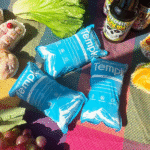
Une feuille d'hydrate arrive sèche, absorbe l'eau dans des cellules scellées, et est congelé avant utilisation. Un pack de gel prérempli change également de température et peut geler ou fondre, mais il a un stockage entrant différent, masse, et manipulation. Un pack PCM utilise un milieu à changement de phase formulé sélectionné pour un comportement thermique particulier. La neige carbonique réelle est du dioxyde de carbone solide à environ −78,5 °C sous une pression atmosphérique normale et se transforme directement en gaz..
La distinction contrôle le reste de la décision. Les composants hydratés et gelés ne nécessitent pas d’évacuation du dioxyde de carbone simplement parce que leur nom de produit inclut « glace carbonique ». Le dioxyde de carbone solide peut créer un risque grave de contact avec le froid, pression dans un emballage scellé, et un risque d'asphyxie où le gaz s'accumule. Il peut également être réglementé comme l'ONU 1845 pendant le transport aérien. Pour les légumes frais, son froid intense et ses effets atmosphériques font de la compatibilité des produits une question de conception et de tests spécialisés, pas d'hypothèse.
Demandez à chaque soumissionnaire de remplir une déclaration d'identité en langage simple:
| Déclaration obligatoire | Pourquoi les achats en ont besoin |
|---|---|
| Catégorie de liquide de refroidissement ou de réfrigérant | Évite toute confusion entre les feuilles hydratées, gel, PCM, et du dioxyde de carbone solide |
| Changement physique d'usage | Précise si le produit fond, réchauffe, ou se sublime en gaz |
| Méthode de conditionnement | Révèle le congélateur, hydratation, orientation, et les besoins de contrôle du temps |
| Modalités de contact prévues | Indique si une barrière ou une entretoise est requise |
| Informations sur la classification du transport | Prend en charge le propre mode de l'expéditeur- et examen spécifique à la voie |
| Preuves du système complet disponibles | Sépare les données des composants des performances d'emballage qualifiées |
Cette courte déclaration rend les comparaisons techniques beaucoup plus claires. Cela évite également que le langage marketing ne devienne une décision accidentelle en matière de sécurité ou de conformité..
Construisez le pack autour de la partie la plus faible de la voie
Cartographier le mouvement des produits en fonction de l'heure de l'horloge, mais ne vous arrêtez pas au transit promis par le transporteur. Inclure la mise en scène avant le ramassage, chargement, transfert cross-dock, tri, douane ou inspection, déchargement, livraison finale, et réponse du récepteur. Notez où se termine la réfrigération active, portes ouvertes, les colis reposent sur des surfaces chaudes, ou horaires inter-week-end.
La température ambiante n'est qu'une entrée. Exposition solaire, vent, précipitation, flux d'air de véhicule, fret voisin, position de la palette, et une ouverture répétée peut modifier le transfert de chaleur. Un profil d'itinéraire doit être suffisamment conservateur pour tenir compte des variations attendues sans prétendre couvrir tous les événements imaginables..
La conception de l'emballage attribue ensuite une tâche à chaque composant:
- le carton extérieur assure la structure et la communication;
- l'isolation ralentit le mouvement de la chaleur;
- le liquide de refroidissement absorbe une partie de la chaleur entrante et interne;
- les entretoises et les doublures gèrent le contact, humidité, et géométrie;
- l'emballage végétal soutient la protection et le flux d'air prévu;
- un enregistreur, lorsque cela est justifié, enregistre les conditions mais ne fournit aucun refroidissement;
- les étiquettes et les instructions facilitent la manipulation et la traçabilité.
Le placement du liquide de refroidissement doit contrôler les deux extrêmes. Les capteurs situés à proximité des murs extérieurs ou des couvercles peuvent révéler un risque de chaleur; les capteurs à proximité des interfaces du liquide de refroidissement peuvent révéler un refroidissement excessif. Le centre de la charge peut réagir lentement et ne peut pas représenter chaque unité. Après l'essai, inspecter les légumes pour des effets de qualité, y compris les symptômes qui apparaissent après la guérison.
La qualification représentative identifie le récipient isolé, lots ou spécifications de composants, nombre de liquide de refroidissement, conditionnement, charge utile ou simulant justifié, niveau de remplissage, placement, fermeture, carte des capteurs, profil ambiant, durée, et critères d'acceptation. Un profil thermique ISTA peut fournir une exposition structurée aux parcelles, mais cela ne qualifie pas automatiquement chaque vraie voie. Les risques liés au produit et à l'itinéraire déterminent si des travaux supplémentaires saisonniers ou spécifiques à une voie sont nécessaires.
Transformez la conception approuvée en un contrôle d'approvisionnement en vrac
La qualification prouve une configuration définie. Les achats doivent maintenir l’offre de production suffisamment proche de cette configuration pour que les preuves restent pertinentes.
Pour une feuille hydratée, les attributs critiques peuvent inclure le motif cellulaire, dimensions sèches, dimensions conditionnées, distribution absorbante, tolérance à la masse hydratée, intégrité des coutures, construction de films, et comportement en ligne de coupe. Pour un pack prérempli, remplir la masse, identité de la formulation, qualité du joint, dimensions, et l'état à la réception peut avoir de l'importance. L'acheteur et le fournisseur doivent convenir des attributs qui sont contrôlés et de la manière dont ils sont vérifiés..
Demander une documentation qui correspond au marché et à l'utilisation réelle. Identification du matériau, informations relatives au contact alimentaire pour l'exposition prévue, notice technique, traçabilité des lots, et les notifications de changement sont plus utiles que les déclarations générales « sûres » ou « conformes ». Si un paquet reste derrière un paquet de produits primaires, documenter cette configuration. S'il peut entrer en contact avec un produit non emballé après un dommage, évaluer cette condition prévisible.
L’accord global devrait aborder la cohérence de l’échantillon à la production. Conserver une référence approuvée, dessin, photographies, et mesures clés. Comparez les lots de production initiaux et définissez le contrôle à réception. Un remplacement visuellement similaire ne doit pas entrer dans un emballage approuvé sans examen.
Outils de décision utiles
Vérifiez les détails avant de choisir l'emballage
Ces outils rapides peuvent vous aider à comparer le risque d'itinéraire, besoins de dimensionnement, choix de liquide de refroidissement, et les détails de l'emballage avant de demander un devis.
Liquide de refroidissement & Référence PCM
Comparez les options de liquide de refroidissement et de PCM lorsqu'un itinéraire nécessite une prise en charge supplémentaire de la température.
Comparez les optionsCalculateur de glace carbonique
Estimer les besoins en glace carbonique pour les envois congelés ou ultra-froids avant l'emballage.
Estimation de la neige carboniqueDoublure de boîte & Dimensionnement des couvertures de palettes
Vérifiez la logique de dimensionnement du revêtement de boîte et du couvercle de palette pour les projets d'emballage isotherme.
Dimensionnement estiméLes conditions commerciales comptent toujours. Discuter du MOQ, prévision, délai de mise en œuvre, configuration de palette, continuité d'approvisionnement, personnalisation, et déchets d'emballage. Cependant, ne personnalisez pas la disposition des cellules ou le film uniquement pour le marquage sans évaluer son effet sur l'ajustement, conditionnement, scellage, et comportement thermique.
Le contrôle du changement est essentiel. Une nouvelle couche de film, absorbant, modèle de sceau, usine, outil, ou la source de matière première peut justifier un examen technique. Il en va de même lorsque l'expéditeur modifie le boîte isotherme, mélange de légumes, remplissage de la charge utile, transporteur, ou itinéraire. Tous les changements n’exigent pas une requalification complète, mais tout changement important nécessite une décision documentée.
Rendre le processus d'emballage reproductible
L'hydratation et le conditionnement font partie du pack, pas de ménage dans l'entrepôt. Rédiger une procédure opérationnelle qu'un nouvel emballeur peut suivre sans interpréter la théorie thermique.
Pour les feuilles activées à l'eau, définir comment ils sont hydratés, drainé, identifié, disposé au congélateur, et vérifié avant utilisation. Contrôlez la taille des lots et le chargement du congélateur afin que l’air puisse circuler. Établir des critères de rejet pour les cellules sous-remplies, congélation inégale, fuites, perforation, contamination, ou coutures endommagées.
Au banc, utiliser une séquence visuelle pour chaque taille de boîte approuvée. Afficher la couche inférieure, feuilles latérales, séparateur, disposition des produits, couche supérieure, annuler le traitement, fermeture, et étiquettes. Si les charges partielles sont autorisées, donnez-leur une configuration testée; ne dites pas simplement aux opérateurs « d’ajouter plus de glace ».
La formation doit expliquer la raison derrière les deux ou trois étapes les plus conséquentes. Les emballeurs sont plus susceptibles d'entretenir un séparateur lorsqu'ils comprennent qu'il empêche le gel local. Ils sont plus susceptibles de rejeter une feuille pliée lorsqu'ils comprennent que le pli change. La répartition du froid.
La vérification de routine peut être basée sur les risques. Cela peut inclure des vérifications de l’état du pack, dossiers d'hydratation ou de conditionnement, surveillance périodique de la température, audits d'emballage, retour du récepteur, et revue des tendances. Une procédure de dérogation doit préserver le dossier d'expédition, identifier la version du pack et le lot de composants, et acheminer l'élimination des produits au personnel autorisé.
Le dioxyde de carbone solide réel nécessite une procédure différente. Les travailleurs ont besoin d’une protection adaptée contre le contact froid et d’une formation aux risques, Les forfaits doivent libérer le gaz, et les contrôles des espaces clos et des transports doivent être revus. Ne placez jamais de neige carbonique dans un emballage rigide et hermétique.. Les exigences actuelles du transporteur et de la juridiction doivent être confirmées pour chaque mode..
Réduisez les déchets sans affaiblir la protection
Le premier objectif de durabilité est de livrer des légumes utilisables. La perte de produit évitée peut être significative en termes pratiques, mais il ne doit pas être utilisé pour excuser un liquide de refroidissement inutile ou un emballage difficile à récupérer.
Comparez les options au niveau du système. Une feuille d'hydrate sec peut être efficace à transporter et à stocker avant l'activation, pourtant il utilise de l'eau locale, énergie du congélateur, et du travail. Un pack réutilisable peut éviter les achats répétés de composants, mais seulement s'il survit à la manipulation et revient via un réseau fiable. Un format à usage unique peut être approprié sur le plan opérationnel pour un chemin de parcelles ouvert, tandis qu'une brique durable peut avoir plus de sens dans une piscine fermée.
Suivre les résultats réels: consommation de liquide de refroidissement par type d'expédition, dégâts du pack, taux de retour, charge du congélateur, masse d'emballage, produire un rejet, et les écarts. Ces mesures révèlent si les allégations « éco » survivent aux opérations quotidiennes. Demandez aux fournisseurs des descriptions claires des matériaux et des conseils réalistes en matière d'élimination., puis vérifiez quelles filières de recyclage ou de déchets existent localement.
La segmentation des itinéraires réduit souvent à la fois les risques et le matériel. Une voie locale courte ne devrait pas automatiquement hériter du packout utilisé pendant une longue période., itinéraire de colis variable. Inversement, la réduction matérielle doit être testée sous la pire exposition crédible attendue avant le déploiement.
Questions fréquemment posées
Quelles informations doivent être envoyées avec une demande d'échantillon?
Envoyer le type de légume, dimensions du produit et de l'emballage, plage de charge utile, condition de départ, récipient isolé, itinéraire et transferts, limites d'acceptation souhaitées, et équipements de conditionnement actuels. Indiquez si le programme est à usage unique ou consigné. Cela permet au fournisseur de recommander un format pertinent plutôt qu'un format générique populaire..
Une commande groupée peut-elle être approuvée à partir du rapport de temps d'attente d'un fournisseur?
Seulement après avoir vérifié la pertinence. Revoir la box testée, isolation, liquide de refroidissement, quantité, mise en page, charge utile, niveau de remplissage, conditionnement, profil ambiant, emplacements des capteurs, durée, et critères d'acceptation. Si ces conditions diffèrent de votre exploitation, utiliser le rapport comme arrière-plan et effectuer une évaluation représentative. L'acheteur doit documenter les lacunes et les combler avant l'approbation de l'achat..
Pourquoi un séparateur est-il parfois nécessaire entre le paquet et les légumes?
Un séparateur peut limiter le contact direct à froid, répartir la pression, protéger contre l'abrasion, et gérer la condensation. Son matériau et son épaisseur ajoutent également une résistance thermique, il doit donc rester partie de la configuration testée. Le retirer au banc d'emballage peut invalider la conception prévue. Les instructions d'emballage doivent identifier sa position et son orientation exactes.
Les draps hydratés sont-ils automatiquement réutilisables?
Pas nécessairement. La réutilisation dépend de la construction exacte, instructions du fournisseur, programme d'hygiène, inspection, exposition aux dommages, et système de retour. Si la réutilisation est autorisée, définir le nettoyage, refrection, identification, et les règles de retraite plutôt que de se fier uniquement à l'apparence. Examiner périodiquement les données d'échec pour confirmer que la limite de retraite reste appropriée.
Qui décide si les légumes exposés à un écart de température peuvent être vendus?
Le personnel autorisé en matière de qualité ou de sécurité alimentaire de l’organisation doit décider selon une procédure établie, utiliser la connaissance des matières premières, données d'exposition, état du colis, et autres preuves pertinentes. La lecture de la température du fournisseur de pack ou du support ne constitue pas à elle seule une règle de disposition universelle.. Cette équipe doit également documenter la justification et tout suivi requis.
Conclusion
Une spécification forte rend cinq choses explicites: les limites de la culture, la véritable identité du liquide de refroidissement, le défi thermique de la voie, la preuve du paquet complet, et les contrôles qui le préservent à grande échelle. Il reconnaît également ce que le composant ne peut pas faire. Une feuille gelée ne peut pas remplacer le prérefroidissement, sanitaire, réfrigération active si nécessaire, ou jugement de qualité.
Quand ces limites sont claires, les achats en gros deviennent plus prévisibles. Les fournisseurs peuvent proposer le même article technique, les opérations peuvent reproduire le test, et les écarts peuvent être étudiés à l'aide d'enregistrements utiles plutôt que d'hypothèses.
À propos du tempk
Le portfolio publié de Tempk couvre hydrater les packs de glace carbonique et autres formats de liquide de refroidissement, avec emballage isolé composants utilisés dans la logistique alimentaire. Cela permet de discuter du pack et de son conteneur environnant comme des choix de conception liés tout en gardant leurs preuves séparées.. Tempk peut prendre en charge l'identification des produits, sélection d'échantillons, et discussions en masse; l’emballage final de légumes doit être qualifié pour la récolte de l’acheteur, charge utile, processus, et itinéraire.
Envoyez à Tempk un itinéraire concis et un briefing, y compris la catégorie de légumes, boîte, variation de la charge utile, limites d'acceptation, et processus de conditionnement. Demandez une documentation produit exacte et un ensemble d'échantillons contrôlés avant de définir les spécifications de production..