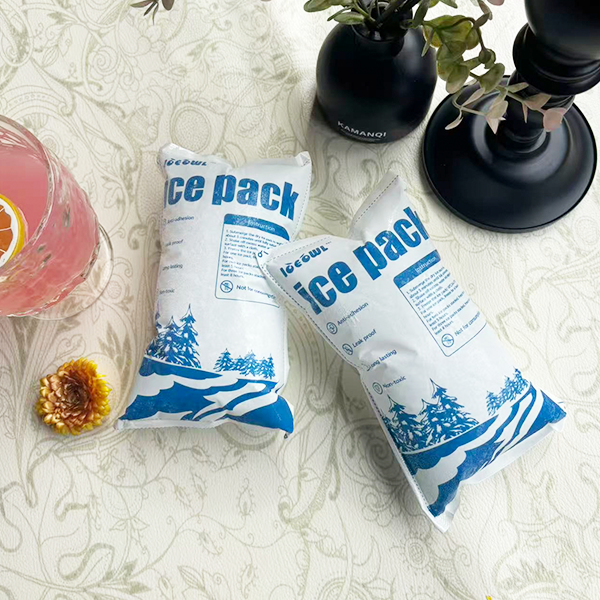
fabricant de pack de glace carbonique pour l'expédition de produits laitiers: Sélection pratique des fournisseurs et décisions d'emballage
Acheter un fabricant paquet de glace sec pour le transport de produits laitiers, ce n'est pas seulement une tâche d'approvisionnement. C'est une décision concernant la plage de température, sensibilité au produit, conception de colis, mode de transport, et de quelle preuve votre équipe de réception ou de qualité aura besoin après la livraison. La première étape consiste à définir si vous avez besoin de véritable neige carbonique solide au CO2., un pack congelé hydratable vendu sous forme de pack de glace carbonique, ou un autre PCM ou paquet de gel. Une fois que c'est clair, la sélection des fournisseurs devient plus pratique et moins risquée.
La vraie décision derrière l’achat
L’expression fabricant de pack de glace carbonique pour l’expédition de produits laitiers semble spécifique, mais ça cache plusieurs décisions. Vous avez peut-être le choix entre de la neige carbonique solide au CO2, un pack glacé hydratable, un pack de gel, un pack PCM, ou un expéditeur isolé configuration. Vous décidez peut-être également si votre envoi a besoin d’une protection contre le gel., protection réfrigérée, tampon thermique court, ou seulement une sauvegarde contre une exposition temporaire.
C'est pourquoi une conversation utile avec un fournisseur commence par la charge utile. Le transport de produits laitiers a des besoins différents en lait, yaourt, fromage, beurre, et glace. Un fabricant doit aider à séparer les cas d'utilisation réfrigérés et congelés avant de recommander un pack. Si le fournisseur ne pose aucune question à ce sujet, la recommandation peut être basée sur le catalogue plutôt que sur l'expédition.
La deuxième décision est une preuve. Un sac peut être froid et ne pas avoir fait ses preuves pour votre itinéraire. Demandez si la configuration proposée a été testée dans des conditions similaires à votre mode de transport, charge utile, exposition ambiante, et critères de réception. Sinon, traiter la première commande comme un échantillon d'essai plutôt que comme une approbation complète d'approvisionnement.
Quand les packs de glace carbonique conviennent à l'envoi
Il convient mieux aux desserts laitiers glacés ou au refroidissement d'appoint dans un expéditeur isolé que pour les colis de lait ou de yaourt réfrigérés ordinaires.. La raison est simple: la neige carbonique absorbe fortement la chaleur et ne se transforme pas en eau liquide. Cela peut être précieux lorsque les cartons doivent rester secs, quand l'état gelé est important, ou lorsque l'expéditeur dispose d'un espace limité pour la glace liquide.
La vraie neige carbonique entraîne également des obligations. Il libère du gaz CO2, l'emballage ne doit donc pas être hermétique. Pour le transport aérien, la glace carbonique nécessite normalement un marquage approprié, informations sur la quantité nette, et contrôles d'acceptation du transporteur. Les travailleurs doivent être formés pour éviter tout contact direct et les zones de stockage ou de manipulation mal ventilées..
Hydratable feuilles de glace carbonique avoir une coupe différente. Ils peuvent être utiles lorsqu'un acheteur souhaite réduire le poids d'expédition avant la préparation., stockage plus facile avant l'hydratation, ou un emballage flexible qui se congèle en une feuille. Mais l’acheteur ne doit pas assumer le même profil froid que le CO2 solide.. Demandez quel comportement en température le fournisseur attend et comment il a été testé.
Quand un autre liquide de refroidissement est plus sûr
Il ne doit pas être présenté comme une réponse unique pour chaque produit laitier sans tests de produits ni critères de réception.. Les produits laitiers réfrigérés peuvent souffrir de problèmes de texture ou de séparation s'ils gèlent., tandis que la glace carbonique directe peut également rendre les étiquettes humides ou cassantes lors des variations de température.. Dans ces cas, un pack moins froid mais plus stable peut être le meilleur choix technique.
Un pack PCM peut être utile lorsque la charge utile nécessite une plage réfrigérée étroite. Un pack de gel peut convenir aux circuits courts de produits réfrigérés. Un réutilisable récipient isolé peut-être mieux pour les livraisons en boucle fermée. Un véhicule réfrigéré peut être nécessaire lorsque la charge utile est importante ou que l'itinéraire comporte de nombreux arrêts. La banquise devrait honnêtement rivaliser avec ces options, pas comme réponse par défaut.
L'acheteur doit également penser à la présentation du produit. Même lorsque le produit reste utilisable, gel, étiquettes humides, cartons ramollis, ou la condensation peut créer un rejet ou des plaintes des clients. Pour les produits sensibles à la marque, l'expérience de l'emballage fait partie du résultat de la chaîne du froid.
Points d'évaluation des fournisseurs pour l'approvisionnement en gros ou par le fabricant
| Question de l'acheteur | Pourquoi ça compte | Preuve à demander |
|---|---|---|
| Le fabricant peut-il séparer les exigences en matière de produits laitiers congelés et réfrigérés? | Empêche qu'un mauvais liquide de refroidissement ne soit utilisé en masse | Fiche de spécifications du fournisseur et exemple de dossier d'approbation |
| Dans quelle mesure les dimensions des emballages sont-elles stables dans les lots de production ?? | Empêche qu'un mauvais liquide de refroidissement ne soit utilisé en masse | Fiche de spécifications du fournisseur et exemple de dossier d'approbation |
| Des instructions de marque privée peuvent-elles être ajoutées sans modifier les performances du pack? | Empêche qu'un mauvais liquide de refroidissement ne soit utilisé en masse | Instructions de marquage pour le transport et disposition des cartons |
| Quels contrôles de qualité sont effectués avant expédition? | Empêche qu'un mauvais liquide de refroidissement ne soit utilisé en masse | Fiche de spécifications du fournisseur et exemple de dossier d'approbation |
| Comment les modifications des composants sont-elles communiquées? | Empêche qu'un mauvais liquide de refroidissement ne soit utilisé en masse | Fiche de spécifications du fournisseur et exemple de dossier d'approbation |
Utilisez ces questions tôt. Ils aident à distinguer un fournisseur qui comprend l'expédition de celui qui ne vend qu'un composant froid.. Le bon fournisseur doit être capable d'expliquer non seulement ce que fait le pack, mais là où il ne devrait pas être utilisé.
Conception de l'emballage: les détails qui déterminent la performance
Un emballage est la disposition du produit, liquide de refroidissement, isolation, remplissage de vide, dispositif de surveillance, et emballage extérieur. Il doit être écrit suffisamment clairement pour qu'un autre travailleur qualifié puisse le répéter.. Les instructions doivent inclure le conditionnement du pack, quantité, placement, séparation du produit, méthode de fermeture, et toute action de réception.
Pour l'expédition de produits laitiers, la séparation est souvent décisive. Une couche barrière, compartiment, manchon de produit, ou un espace d'air contrôlé peut empêcher les dommages causés par le gel ou la condensation.. Le fournisseur doit expliquer comment le pack doit être placé et si la conception a été vérifiée avec une charge utile représentative..
Un suivi de la température doit être prévu, pas ajouté avec désinvolture à la fin. Un enregistreur à proximité du liquide de refroidissement peut afficher une valeur qui ne représente pas le produit. Un enregistreur enfoui dans le produit peut manquer l'exposition des bords. Le bon placement dépend de la question à laquelle le destinataire doit répondre. L'objectif est-il de prouver l'état de base du produit, identifier un bord chaud, ou documenter l'exposition de l'itinéraire?
Exemple d'examen avant de s'engager dans une commande importante
Avant de passer de l'échantillon au vrac, tester le système dans des conditions réalistes. Utilisez l'emballage extérieur prévu, isolation, Taille de la charge utile, quantité par paquet, et les étapes de manipulation. Incluez le temps de préparation normal et le délai de réception si ceux-ci se produisent dans la vie réelle. Enregistrez ce qui arrive au produit, le carton, étiquettes, et tout matériau absorbant ou vendu au détail.
L'examen devrait inclure le personnel opérationnel. L'approvisionnement peut se concentrer sur le prix et les délais de livraison, mais les équipes de l'entrepôt savent si le pack est facile à mettre en scène et à placer. Les équipes qualité savent quels enregistrements sont importants. Les équipes du service client savent quelles plaintes surviennent après la livraison. Un bref examen interfonctionnel peut éviter une longue liste de réclamations évitables.
Une fois approuvé, geler la spécification. Définir la taille du pack, matériel, méthode de conditionnement, carton, doublure, placement, et les instructions. Demandez au fournisseur comment les changements seront communiqués. Une commande groupée doit répéter le système approuvé, ne pas évoluer tranquillement vers un autre.
Exemple pratique
Un fabricant peut fournir un format de pack de glace carbonique pour les échantillons de glace surgelée et un autre pack réfrigéré ou solution PCM pour les pots de yaourt.. La marque laitière devrait tester les deux avec ses propres cartons, poids de charge utile, et itinéraire, puis gelez la spécification avant de la mettre à l'échelle. L'exemple n'est pas un pack universel. Il s'agit d'un rappel que la sélection du liquide de refroidissement doit tenir compte des risques liés au produit.. Deux expéditions peuvent utiliser le même fournisseur mais nécessitent des types d'emballage différents, méthodes de séparation, et recevoir des chèques.
Erreurs courantes pour éviter
Une erreur est d’acheter uniquement en fonction du poids du paquet. La masse du paquet compte, mais cela ne vous dit pas comment se comporte la charge utile à l'intérieur de l'expéditeur. Isolation, espace aérien, masse du produit, itinéraire, et le placement peut changer le résultat.
Une autre erreur consiste à considérer la déclaration de temps de rétention d'un fournisseur comme une garantie.. Le temps de maintien est toujours lié aux conditions de test. Si le test indiqué utilisait une charge utile différente, carton, profil ambiant, ou limite d'acceptation, il se peut qu'il ne décrive pas votre envoi.
Outils de décision utiles
Vérifiez les détails avant de choisir l'emballage
Ces outils rapides peuvent vous aider à comparer le risque d'itinéraire, besoins de dimensionnement, choix de liquide de refroidissement, et les détails de l'emballage avant de demander un devis.
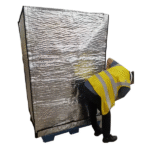
Doublure de boîte & Dimensionnement des couvertures de palettes
Vérifiez la logique de dimensionnement du revêtement de boîte et du couvercle de palette pour les projets d'emballage isotherme.
Dimensionnement estiméCalculateur d’accumulateurs de froid
Estimation de la quantité de pain de glace pour les expéditions réfrigérées et planification pratique des itinéraires.
Estimer les packs de glaceSélecteur d’emballage
Comparez les options d'emballage isotherme par produit, itinéraire, et besoin de température.
Trouver un emballageUne troisième erreur est de ne pas distinguer la protection du produit de la documentation.. Un sac de glace carbonique peut aider à créer le bon environnement, mais cela ne fournit pas de preuve. Un enregistreur fournit des preuves, mais ça ne refroidit pas le produit. Un système contrôlé utilise les deux correctement lorsque le risque le justifie.
Vérifications de mise en œuvre avant la mise à l’échelle
Un dossier d'approbation utile doit être suffisamment simple pour un usage quotidien. Conserver l'exigence du produit, spécification du paquet, instruction de conditionnement, disposition des cartons, et recevoir les critères en un seul endroit. Lorsqu'un envoi échoue, les équipes perdent du temps si les achats disposent du devis fournisseur, l'entrepôt a une note d'emballage séparée, et la qualité n'a aucune trace de l'essai. Un fichier compact est plus facile à maintenir et à former.
La saisonnalité doit être gérée intentionnellement. Un pack été peut nécessiter une quantité de liquide de refroidissement différente, date limite d'expédition, ou une isolation extérieure supérieure à celle d'un sac d'hiver. Cela ne signifie pas que l'acheteur ait besoin d'un nouveau fournisseur chaque saison.. Cela signifie que les spécifications de l'emballage doivent indiquer pour quelle saison ou condition ambiante il a été examiné., et quand une deuxième configuration est nécessaire.
Les commentaires reçus doivent être collectés lors des premières expéditions après la mise à l’échelle. Demander aux destinataires de signaler l'humidité du carton, état du produit, lisibilité de l'étiquette, liquide de refroidissement restant, et toute difficulté de déballage. Ces détails révèlent souvent des problèmes pratiques avant qu'ils ne se transforment en réclamations importantes.. Ils aident également le fournisseur à ajuster la taille des emballages, placement, ou des instructions avec des preuves au lieu de conjectures.
Enfin, éviter de traiter les emballages comme distincts des opérations. Un bon pack ne peut pas réparer un chargement tardif, mise en scène chaleureuse, capacité de congélation insuffisante, ou des instructions de réception peu claires. La meute, l'expéditeur, et le processus de travail doit être conçu ensemble. Cela est particulièrement vrai lorsque le mot clé inclut fournisseur, fabricant, de gros, ou en vrac, car la décision sera répétée pour de nombreuses expéditions.
Le premier cycle de production après l'approbation de l'échantillon doit être surveillé de plus près qu'une commande répétée normale.. Les opérateurs doivent enregistrer la durée pendant laquelle les paquets sont restés hors du congélateur, si les cartons se fermaient facilement, si un paquet a fui ou est fissuré, et si la disposition du produit correspond au dessin. Ces notes sont petites, mais ils rendent la deuxième commande beaucoup plus sûre.
La communication avec les fournisseurs doit inclure le contrôle des changements. Si l'épaisseur du film, matériau absorbant, taille du paquet, nombre de cartons, impression d'étiquettes, ou geler les modifications des instructions après approbation, l'acheteur doit être informé avant la prochaine expédition. Un sac de glace carbonique peut se ressembler tout en se comportant différemment dans la boîte, surtout lorsque la conception repose sur la masse thermique et le placement.
Pour les itinéraires avec de la vraie neige carbonique, former le personnel à la ventilation, manipulation protectrice, et la différence entre le poids de la glace carbonique et le poids total du colis. Pour les itinéraires avec des packs de glace carbonique hydratables, former le personnel au trempage, évacuation, gel, inspection, et les attentes en matière d'élimination ou de réutilisation. Les deux options nécessitent des instructions de travail; ni l'un ni l'autre ne devrait dépendre de la mémoire.
N'ignorez pas l'emballage extérieur. Résistance du carton, motif de bande, doublure interne, séparateurs, tampons absorbants, et le placement de l'étiquette influencent tous l'acceptation de l'envoi.. Une charge utile peut rester froide mais échouer si le colis arrive mouillé, déformé, difficile à ouvrir, ou peu clair pour le destinataire. Un bon approvisionnement examine l'emballage complet, non seulement le compresse froide.
Une équipe d'achat doit décider quelles preuves sont proportionnées au risque. Un colis de produits alimentaires surgelés de faible valeur peut nécessiter un essai pratique et une inspection à l'arrivée. Une voie pharmaceutique ou vaccinale peut nécessiter un examen contrôlé, enregistrements de l'enregistreur, SOP écrites, et approbation de la qualité. Demander les bonnes preuves évite à la fois la paperasse sous contrôle et inutile..
Le coût total doit inclure la réponse aux échecs. Produit de remplacement, notes de crédit, traitement des plaintes, réexpédition, élimination, et la confiance des clients peut coûter plus cher que la compresse froide elle-même. Un coût d'emballage légèrement plus élevé peut être raisonnable s'il réduit la probabilité de dommages à l'arrivée et accélère les enquêtes en cas de retard d'acheminement..
La meilleure spécification de volume est celle qu'un entrepôt peut exécuter lors d'une journée chargée. Il devrait définir le nombre de paquets, position du paquet, séparateur, orientation de la charge utile, méthode de fermeture, placement d'étiquette, et tout temps maximum entre le retrait du congélateur et le scellement final. Des instructions claires sont particulièrement importantes lorsque des travailleurs temporaires ou des équipes multiples s'occupent de l'emballage..
Lorsque l'on compare deux fournisseurs, demandez aux deux de répondre au même profil d'expédition. Donnez-leur la même description de la charge utile, taille de boîte, temps de transit, saison, destination, et recevoir la norme. Leurs réponses révéleront s'ils envisagent votre itinéraire ou s'ils envisagent uniquement de vendre un produit générique de refroidissement..
FAQ
Comment choisir un fabricant de pack de glace carbonique pour le fournisseur d'expédition de produits laitiers?
Choisissez un fournisseur qui peut définir le type de pack, expliquer la compatibilité du produit, fournir des échantillons, discuter des risques liés aux emballages, et maintenir la cohérence des lots de production. Pour l'expédition de produits laitiers, le fournisseur ne doit pas recommander un emballage pour chaque produit sans poser de questions sur l'itinéraire et les exigences de température.
Quand la vraie neige carbonique est-elle le bon choix?
La glace carbonique véritable est la plus adaptée lorsque la charge utile nécessite des conditions gelées ou très froides et que le colis peut évacuer le gaz CO2 en toute sécurité.. Il doit être utilisé avec un marquage de transport et des procédures de manutention corrects lorsque cela est nécessaire..
Quand un autre liquide de refroidissement est-il meilleur?
Un autre liquide de refroidissement est préférable lorsque le produit doit rester réfrigéré mais pas congelé.. Les produits laitiers réfrigérés peuvent souffrir de problèmes de texture ou de séparation s'ils gèlent., tandis que la glace carbonique directe peut également rendre les étiquettes humides ou cassantes lors des variations de température.. Un PCM ou un pack de gel peut fournir un profil de température plus sûr lorsqu'il est adapté au produit et à l'expéditeur..
Que doit contenir un exemple d’essai?
Un exemple d'essai doit utiliser le produit réel ou une charge utile représentative, le carton prévu, l'itinéraire ou le profil thermique prévu, le processus de conditionnement correct, et réception des critères d'inspection. Enregistrez les températures avant de passer à l’approvisionnement en gros.
Tempk peut-il recommander un emballage sans détails d'itinéraire?
Une recommandation de base est possible, mais une recommandation précise nécessite un type de produit, plage de température requise, durée de l'expédition, Taille de la charge utile, mode de transport, et conditions de manipulation. Ces détails aident à éviter le refroidissement excessif et le sous-refroidissement.
Conclusion
La bonne façon d'acheter un pack de glace carbonique d'un fabricant pour l'expédition de produits laitiers est de ralentir la décision au début et de la rendre spécifique.. Définir la condition de charge utile, confirmer si le pack est de la vraie neige carbonique ou une alternative congelée, concevoir la séparation et l'isolation, et demandez des preuves qui correspondent à votre itinéraire. Une fois ces points clairs, l'achat en gros devient une décision d'emballage contrôlée plutôt qu'un pari.
À propos du tempk
Tempk prend en charge le B2B emballage chaîne du froid projets où le liquide de refroidissement, isolation, charge utile, et le processus de manipulation doit fonctionner ensemble. Pour l'expédition de produits laitiers, cela signifie souvent clarifier si la neige carbonique est vraiment nécessaire, si la charge utile doit être protégée du gel, et comment les échantillons doivent être examinés avant une commande plus importante. L'objectif est de fournir des conseils pratiques en matière d'emballage dont les acheteurs peuvent discuter avec leurs équipes logistiques et qualité..
Pour une recommandation pratique, envoyez à Tempk votre itinéraire, état du produit, taille du carton, et le volume d'achat afin que l'emballage puisse être adapté à l'expédition réelle au lieu d'un article générique du catalogue.