Comment la livraison de chocolats réfrigérés reste-t-elle fraîche 2025?
Dans un monde où les gourmandises sont à portée de clic, livraison de chocolats réfrigérés a changé la donne. Que vous expédiiez des truffes de qualité supérieure à travers le pays ou que vous envoyiez un cadeau à travers la ville, garder le chocolat à la température idéale fait la différence entre un chef-d'œuvre brillant et un gâchis fondu. Ce guide vous montre comment la logistique de la chaîne du froid, emballage et technologie intelligents dans 2025 assurez-vous que vos chocolats arrivent parfaits, frais et prêt à déguster. De la compréhension des points de fusion à l'optimisation des itinéraires de livraison du dernier kilomètre, vous apprendrez des stratégies pratiques pour améliorer votre expérience de livraison de chocolat.
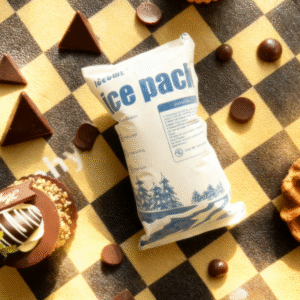
Pourquoi le chocolat doit-il être livré sous chaîne du froid? Découvrez comment la température et l'humidité affectent la qualité du chocolat et pourquoi les contrôler empêche la floraison et la fonte..
Quelles options d'emballage et d'isolation gardent les chocolats froids pendant le transport? Explorez le refroidissement passif, matériaux à changement de phase et stratégies d'emballage rentables.
Comment planifier les itinéraires de livraison et contrôler l’humidité pour éviter la perte de qualité? Découvrez des conseils pour la planification, surveillance en temps réel et prévention de la condensation pendant la livraison.
Quelles sont les dernières 2025 tendances en matière de livraison de chocolats réfrigérés? Comprendre l'impact des jumeaux numériques, durabilité, premiumisation et innovations axées sur la santé sur la chaîne du froid.
Pourquoi le chocolat a-t-il besoin d'une chaîne du froid pour la livraison?
Le chocolat est un produit délicat, et les fluctuations de température peuvent rapidement gâcher son goût, texture et aspect. Pour préserver la qualité, les installations de stockage et les centres de distribution doivent réguler la température entre 12 °C et 20 °C (54 °F – 68 °F) et maintenir l'humidité en dessous 50 %. Quand le chocolat devient trop chaud, le beurre de cacao se sépare, provoquant une floraison de graisse; s'il refroidit trop vite après avoir été très froid, l'humidité se condense à la surface et entraîne une floraison de sucre. Les deux défauts créent des stries blanches et une texture terne, réduire la satisfaction des clients.
Comprendre la sensibilité du chocolat et les points de fusion
Différents types de chocolat ont des points de fusion différents en fonction de leur teneur en cacao et en lait.. Chocolat noir, avec 86 % ou plus de cacao, fond entre 113 ° F et 120 °F (45 °C–49 °C). Le point de fusion du chocolat au lait est plus bas, 104 °F à 115 °F, tandis que le chocolat blanc fond à 100 °F à 110 °F. Maintenir les températures bien en dessous de ces seuils est essentiel pendant le transport.
| Type de chocolat | Point de fusion approximatif | Température d'expédition recommandée | Sens pratique |
| Chocolat noir | 113–120 °F (45–49 °C) | 54–68 °F (12–20 ° C) | Stable à des températures légèrement plus élevées mais toujours sensible à la floraison; permet un transport légèrement plus chaud. |
| Chocolat au lait | 104–115 °F (40–46 °C) | 54–68 °F (12–20 ° C) | Plus sensible à la chaleur; nécessite un contrôle de température et une isolation plus stricts. |
| Chocolat blanc | 100–110 °F (38–43 °C) | 54–68 °F (12–20 ° C) | Le plus sensible aux changements de température; une surveillance continue est essentielle. |
Astuces et conseils pratiques
Planifier le point de fusion: Gardez toujours votre environnement d'expédition au niveau ou en dessous 20 °C (68 °F) pour éviter de ramollir. N'oubliez pas que le chocolat commence à ramollir 30 °C (86 °F).
Contrôler l'humidité: Maintenir l'humidité relative en dessous 50 % pour éviter la floraison des sucres. Utilisez des déshydratants ou des doublures d'emballage sèches pour absorber l'excès d'humidité..
Évitez de geler: La congélation du chocolat provoque de la condensation lorsqu'il se réchauffe, menant à la floraison du sucre. Conservez les chocolats dans des caves à vin ou des chambres de refroidissement spécialisées au lieu de congélateurs.
Exemple du monde réel: Un chocolatier haut de gamme de Californie avait l'habitude d'expédier des boîtes la nuit en été sans contrôle de la température.. Les clients ont signalé des stries blanches et des surfaces ternes – une floraison de graisse classique. Après avoir opté pour une solution de chaîne du froid permettant de conserver les chocolats à 15 °C et 50 % humidité tout au long du trajet, l'entreprise a réduit les retours de produits et a vu les achats répétés augmenter de 20 %.
Quelles options d'emballage et d'isolation gardent les chocolats froids pendant le transport?
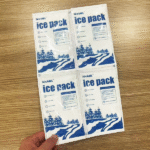
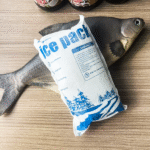
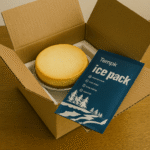
L’emballage est la défense de première ligne contre les pics de température. Emballages isothermes passifs – boîtes, conteneurs et doublures – utilise des matériaux tels que la mousse de polystyrène, fibre de coton et papier biodégradable pour ralentir le transfert de chaleur. Ils sont associés à des éléments de refroidissement comme matériaux à changement de phase (PCM) et packs froids en gel. Ces éléments absorbent ou libèrent de la chaleur à des températures spécifiques, maintenir un environnement interne stable.
Choisir les bons matériaux d'emballage
Le type d’isolation que vous choisissez affecte le temps de transit, besoins en liquide de refroidissement et taille de la boîte. Mousse de polystyrène expansé (PSE) est léger et offre une excellente résistance thermique, tandis que les doublures à base de fibres de coton ou d'amidon sont plus durables. Les doublures réfléchissantes aident à dévier la chaleur externe. À l'intérieur de la boîte, les matériaux de remplissage empêchent les chocolats de bouger et de se briser. Pendant les mois chauds, laisser de la place pour les packs de gel.
| Type d'emballage | Caractéristiques clés | Meilleure utilisation | Bénéficier à vous |
| Boîtes isolées (PSE, mousse biodégradable, fibre de coton) | Doublures rigides ou flexibles qui ralentissent le transfert de chaleur | Toute l'année; choisir l'épaisseur en fonction du climat | Fournit un contrôle de température cohérent; les options recyclables améliorent la durabilité. |
| Doublures réfléchissantes | Doublures métalliques ou en papier qui réfléchissent la chaleur | Climats chauds ou expéditions estivales | Améliore l'isolation sans ajouter de poids; réduit le gain de chaleur externe. |
| Packs de gel & Packs PCM | Liquides de refroidissement qui absorbent la chaleur; Les PCM régulent des températures spécifiques | Mois chauds ou transit plus long | Maintient la stabilité de la température; les emballages réutilisables réduisent les coûts. |
| Couches de séparation & déshydratants | Les couches de carton ou de papier bulle empêchent le contact direct avec les compresses froides; les dessicants absorbent l'humidité | Envois sensibles à la condensation | Empêche la condensation et protège l'aspect du chocolat. |
Astuces et conseils pratiques
Pré-refroidir tout: Refroidissez les chocolats et les matériaux d'emballage entre 18 et 20 °C avant de les emballer.. Un démarrage à froid prolonge la durée de vie des packs de gel.
Équilibrer l’isolation et le liquide de refroidissement: Trop d’isolation peut emprisonner la chaleur, alors que trop peu laisse le froid s'échapper. Visez un emballage équilibré et adapté au temps de transit.
Protégez l'expérience de déballage: Utilisez un emballage primaire solide et enveloppez-le dans des films de protection pour éviter les dommages causés par la condensation.. Partagez des informations sur la durabilité sur les notices d'emballage.
Cas réel: Un confiseur en ligne est passé des boîtes en carton ordinaires aux doublures isolées avec des packs PCM. En gardant les envois ci-dessous 20 ° C pour 48 heures, leur taux de fusion est passé de 15 % sous 2 %, économiser des milliers de dollars en perte de produit.
Comment planifier les itinéraires de livraison et contrôler l'humidité pour éviter toute perte de qualité?
Même le meilleur emballage ne peut compenser une mauvaise planification des itinéraires. Une livraison efficace de chocolats réfrigérés nécessite une coordination du ramassage, fenêtres de transit et de livraison pour minimiser l’exposition à la chaleur et à l’humidité. Les équipes logistiques utilisent des outils d'optimisation des itinéraires et de suivi météorologique pour planifier les expéditions pendant les heures les plus fraîches et les réacheminer en cas de canicule.. Le raccourcissement du temps de transit permet non seulement de garder les chocolats plus froids, mais réduit également le risque de condensation..
Planification d'itinéraire et meilleures pratiques du dernier kilomètre
Des outils de surveillance en temps réel avec des capteurs GPS et IoT suivent la température tout au long du trajet, permettant une intervention rapide en cas d’écarts. En pré-refroidissant les véhicules et en utilisant des couvertures thermiques, les transporteurs maintiennent des conditions stables même par temps chaud. Les micro-centres de distribution et les hubs stratégiquement situés réduisent les distances du dernier kilomètre, réduire le temps passé en dehors des environnements contrôlés.
Programmer pendant les périodes plus fraîches: Choisissez des heures de départ le matin ou le soir pour éviter la chaleur de midi.
Utiliser des outils de prévision météorologique: Surveillez les prévisions et ajustez les itinéraires pour éviter les retards liés au trafic ou à la chaleur..
Coordonner avec les transporteurs pour une livraison express: Optez pour une expédition le lendemain ou sur deux jours pour raccourcir le transit et éviter le stockage le week-end.
Gérer l'humidité et prévenir la floraison
L'humidité compte presque autant que la température. Le chocolat devient sensible à la floraison du sucre lorsque l'humidité dissout le sucre à sa surface et recristallise à mesure que le produit se réchauffe.. Pour éviter la condensation:
Maintenir une faible humidité relative: Gardez l'humidité en dessous 50 % pendant le stockage et le transport; une plage acceptable est de 15 à 75 % avec un risque plus faible ci-dessus 10 %.
Protéger le chocolat de la condensation: Enveloppez les chocolats dans du plastique ou du papier d'aluminium pour les protéger de l'humidité.. Utilisez des déshydratants à l'intérieur de la boîte.
Évitez les changements rapides de température: L'acclimatation progressive lors des déplacements entre les environnements réduit l'accumulation d'humidité.
| Stratégie de contrôle de l'humidité | Description | Comment ça vous aide |
| Stockage à faible humidité | Maintenir l'humidité relative sous 50 % | Empêche la floraison du sucre et protège la texture de la surface. |
| Barrières contre l'humidité | Emballer du chocolat et utiliser des déshydratants | Arrête la condensation des compresses froides; maintient la brillance du produit. |
| Acclimatation progressive à la température | Ajustez lentement la température entre les environnements | Empêche la condensation d'humidité lorsque les chocolats quittent le stockage réfrigéré. |
Exemple: Un chocolatier régional du nord-ouest du Pacifique expédiait des chocolats directement depuis un congélateur, provoquant une floraison de sucre. Mettre en place une période d'acclimatation de 12 heures dans un 16 Un espace de stockage à °C avant l'emballage élimine la condensation et améliore l'apparence du produit.
Quelles sont les dernières 2025 Développements et tendances dans la livraison de chocolats réfrigérés?
Aperçu de la tendance
L’industrie de la chaîne du froid connaît une transformation rapide. Technologies numériques, préoccupations en matière de durabilité, La premiumisation et l’innovation axée sur la santé remodèlent la façon dont les chocolats sont fabriqués, emballé et livré.
Intégration du jumeau numérique et de l’IoT: Les fournisseurs de la chaîne du froid utilisent des modèles jumeaux numériques pour surveiller la température, données d'humidité et de localisation en temps réel. En créant une réplique virtuelle de la supply chain, les équipes logistiques peuvent prédire les problèmes et ajuster les expéditions pour maintenir des conditions optimales.
Attentes de style Amazon: Les consommateurs exigent des livraisons plus rapides et plus transparentes. Les acteurs de la chaîne d'approvisionnement déploient des systèmes qui offrent une visibilité et un contrôle en temps quasi réel.. Maintenir des créneaux de livraison précis avec les transporteurs et les partenaires routiers est devenu essentiel.
Révolution du commerce électronique: Les entreprises de produits alimentaires et de boissons livrent désormais en quelques heures au lieu de quelques jours, obliger les 3PL à reconditionner et à gérer efficacement les petits colis. Ce changement a conduit à l'adoption de logiciels d'expédition avancés et de micro-centres de distribution..
Innovation axée sur la santé: Les consommateurs attendent du plaisir et des avantages fonctionnels. Chocolats infusés d'adaptogènes, les probiotiques ou les vitamines gagnent en popularité. Les formulations à teneur réduite en sucre et à base de plantes passent d'une niche au grand public.
Durabilité et approvisionnement éthique: Changement climatique, la déforestation et les problèmes de main-d’œuvre ont fait passer la durabilité du mot à la mode au rang d’impératif commercial. Les jeunes consommateurs considèrent de plus en plus l’approvisionnement éthique lorsqu’ils achètent du chocolat.
Premiumisation et packaging expérientiel: Les consommateurs sont prêts à payer plus pour des produits artisanaux, chocolats d'origine unique et édition limitée; le marché du chocolat haut de gamme devrait croître 8.4 % TCAC en 2025 2030. Des emballages innovants et des expériences multisensorielles améliorent la valeur perçue.
Innovation format et saveur: Formats snackables, les expériences multi-textures et les saveurs mondiales telles que le matcha ou l'eau de rose captivent les palais aventureux.
Aperçu des derniers progrès
Adoption du jumeau numérique: Les fournisseurs de chaîne du froid créent des répliques virtuelles de leurs réseaux logistiques pour un contrôle prédictif. Cette technologie aide à maintenir des températures constantes et réduit la détérioration.
Initiatives de durabilité: Les tendances en matière d'emballage incluent des doublures biodégradables, matériaux recyclables et contenants rechargeables pour réduire les déchets.
Expériences premium: Collections en édition limitée, Le savoir-faire du bean to bar et les collaborations entre chefs favorisent la premiumisation.
Boom du chocolat fonctionnel: Les chocolats adaptogènes et probiotiques s'adressent aux consommateurs soucieux de leur bien-être.
Visibilité en temps réel: Les capteurs IoT et les plateformes cloud offrent un suivi en temps réel, permettant une intervention immédiate lorsque la température s'écarte.
Insistance au marché
Le marché mondial du chocolat était évalué à NOUS $167 milliards en 2024 et devrait atteindre NOUS $219.9 milliards 2033 (un taux de croissance annuel composé de 2.8 % en 2025 2033). L’Amérique du Nord représente près de la moitié de la part de marché, tandis que l'Asie-Pacifique est la région à la croissance la plus rapide. Premiumisation, la durabilité et les avantages fonctionnels sont des moteurs clés de la croissance. Les marques alliant gourmandise, santé et éthique sauront fidéliser les consommateurs du millénaire et de la génération Z..
Questions fréquemment posées
Q1: À quelle température les chocolats doivent-ils être conservés pendant l'expédition?
Les chocolats doivent idéalement être conservés entre 18 °C et 20 °C (64 °F – 68 °F) Pendant l'expédition. Tout ce qui est ci-dessus 30 °C peut provoquer une fonte ou une prolifération de graisse. Garder l'humidité en dessous 50 % empêche la floraison du sucre.
Q2: Comment puis-je expédier des chocolats sans fondre?
Utilisez des boîtes isothermes avec des packs de gel ou PCM. Pré-refroidir les chocolats avant de les emballer, enveloppez-les dans des matériaux résistants à l'humidité et expédiez-les avec des services express. Surveiller les températures pendant le transport à l'aide de capteurs IoT.
Q3: Quel emballage est le meilleur pour la livraison de chocolat longue distance?
Boîtes isothermes rigides avec doublures réfléchissantes, les packs de liquide de refroidissement à changement de phase et les couches de séparation offrent la meilleure protection. Pour un transit prolongé, sélectionnez les packs PCM qui correspondent à la plage de température cible (Par exemple, 15–20 ° C).
Q4: Pourquoi la logistique de la chaîne du froid est-elle importante pour le chocolat?
Le maintien d'une chaîne du froid constante empêche la fonte, décoloration et perte de texture. Il protège la réputation de votre marque en garantissant que les chocolats arrivent en parfait état.
Q5: Les chocolats peuvent-ils être expédiés à l’international?
Oui. Choisissez des transporteurs avec des services à température contrôlée et assurez un emballage approprié, documentation douanière et suivi en temps réel. L'emballage passif avec PCM peut réguler la température sur de longues distances.
Résumé & Suggestions
Dans 2025, livraison de chocolats réfrigérés exige une attention méticuleuse à la température, humidité et emballage. Conservez les chocolats entre 12 °C et 20 °C et humidité en dessous 50 %. Sélectionnez l'isolation et le liquide de refroidissement en fonction du climat et du temps de transit., et pré-refroidissez le tout avant de l'emballer. Planifiez des itinéraires à l'aide d'outils prédictifs et livrez pendant les heures les plus fraîches. Adoptez la surveillance IoT pour une visibilité en temps réel. Adoptez la technologie des jumeaux numériques, des matériaux durables et des expériences haut de gamme pour répondre aux demandes changeantes des consommateurs. Enfin, innovez avec des ingrédients fonctionnels et des saveurs audacieuses pour garder une longueur d'avance sur vos concurrents.
Recommandations d'actions
Évaluez votre chaîne du froid actuelle: Auditer les processus de stockage et de transport pour garantir que les températures restent comprises entre 12 et 20 °C et l'humidité en dessous 50 %.
Améliorez votre emballage: Investissez dans des boîtes isolées passives et des packs PCM adaptés au point de fusion de votre produit. Pré-refroidissez les emballages et utilisez des barrières contre l'humidité pour éviter la condensation.
Améliorer la visibilité: Mettez en œuvre des capteurs IoT et des plateformes de jumeaux numériques pour surveiller les expéditions en temps réel et prendre des mesures correctives avant que des problèmes de qualité ne surviennent.
Optimiser les itinéraires de livraison: Utilisez un logiciel d'optimisation d'itinéraire pour planifier les expéditions pendant les heures les plus fraîches et éviter les retards.. Collaborez avec des prestataires logistiques proposant des micro-centres de distribution et des services express.
Innover et se différencier: Adopter des emballages durables, des ingrédients fonctionnels et des expériences haut de gamme pour attirer les consommateurs soucieux de leur santé et de l'environnement.
À propos de TemPK
TemPK est un leader dans les solutions passives de chaîne du froid, proposant des emballages isothermes modulaires, contenants réutilisables et éléments de refroidissement adaptés aux produits sensibles comme le chocolat. Nous sommes spécialisés dans les solutions évolutives, systèmes économes en énergie qui maintiennent des températures stables sans réfrigération mécanique, aider les entreprises à réduire leurs coûts et leurs émissions de carbone. Nos solutions prennent en charge le micro-exécution, livraison du dernier kilomètre et distribution mondiale tout en garantissant l'intégrité du produit.
Besoin de conseils d'experts sur la livraison de chocolats réfrigérés ou d'autres envois sensibles à la température? Contactez TemPK aujourd'hui pour développer une stratégie de chaîne du froid sur mesure qui permet de conserver la fraîcheur de vos produits et la satisfaction de vos clients.