Comment choisir un fabricant de pack de glace carbonique pour l'expédition de fruits
Les dommages causés par le transport des fruits commencent souvent par une instruction raisonnable mais incomplète: "Ajoutez plus de glace." Plus de réfrigérant peut prolonger le refroidissement, mais il peut aussi congeler les fruits extérieurs, déclencher des blessures par refroidissement, créer de la condensation, occuper l'espace de circulation d'air, et ajouter des frais de manutention. Choisir un fabricant paquet de glace sec pour l'expédition des fruits, il faut une séquence plus disciplinée. Définir la marchandise et l'itinéraire, identifier si le produit est de la glace carbonique véritable à base de dioxyde de carbone solide ou une feuille d'hydrate activée par l'eau, concevoir l'ensemble du pack, et prouvez-le avec des preuves de température et de qualité des fruits. Verrouillez ensuite le résultat sur les contrôles de l'usine et du site d'emballage afin que le volume de la saison de récolte se comporte comme l'échantillon approuvé..
Établir la fenêtre d'exploitation sûre du produit
Utilisez les spécifications du propriétaire du fruit et les directives post-récolte faisant autorité pour définir les conditions d'expédition.. Manuel agricole de l'USDA 66 fournit des résumés de produits individuels car les fruits varient en termes de température optimale, humidité, sensibilité au froid, comportement de l'éthylène, respiration, maturité, et potentiel de stockage. Cultivar, maturité de la récolte, conditions de croissance, et la destination peut affiner ces conseils.
Décrire le fruit en termes commerciaux ainsi qu'en termes thermiques. Enregistrez le produit et le cultivar, le cas échéant, état entier ou fraîchement coupé, maturité, méthode de pré-refroidissement, état de la pâte à l'expédition, conditionnement, évents de boîtier, masse de charge utile, et fenêtre de vente prévue. Identifier les résultats inacceptables: gel, piqûre, défaut de maturation, se ratatiner, pourriture, ecchymoses, changement de couleur, cartons humides, ou des emballages de vente au détail écrasés.
Séparer le refroidissement de la congélation. Certains produits tropicaux et subtropicaux subissent des dommages physiologiques à des températures non glaciales inférieures à leur tolérance.. Les symptômes peuvent ne pas apparaître à la réception; ils peuvent émerger pendant la maturation ou un affichage plus chaud. Un plan de qualification peut donc nécessiter une évaluation de conservation après expédition au lieu de juger les fruits immédiatement..
Gardez le pré-refroidissement distinct de la maintenance de l'expédition. Le pré-refroidissement adapté aux produits élimine la chaleur du champ avant que le colis ne soit assemblé. UN expéditeur passif devrait généralement commencer avec des fruits dans leurs conditions d'expédition approuvées. L'utilisation d'emballages congelés pour refroidir des fruits chauds peut produire un extérieur froid, centre chaleureux, condensation, et une endurance réduite contre la route.
Demandez au fournisseur de nommer le liquide de refroidissement
La glace carbonique réelle est du dioxyde de carbone, solide. Il fait extrêmement froid et se transforme directement en gaz en se réchauffant.. Cette combinaison peut être inappropriée pour les fruits frais, à moins qu'un processus spécifique au produit ne le justifie.. Un contact direct peut geler les tissus, et le gaz doit s'échapper du colis. La manipulation nécessite une protection contre le froid et une ventilation. Le transport aérien peut invoquer l'ONU 1845 marques, étiquettes, quantity declarations, documentation, entraînement, et contrôles des transporteurs.
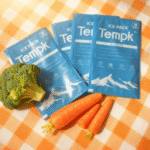
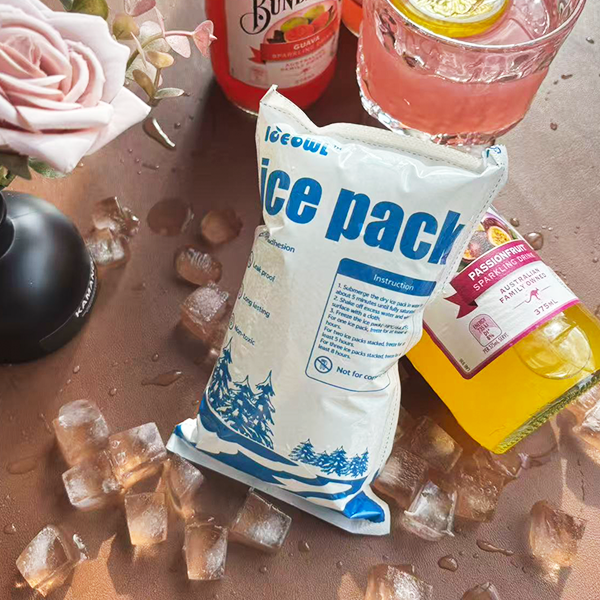
Un « bloc de glace carbonique » hydraté n’est pas du dioxyde de carbone. C'est un drap plat contenant une structure absorbante, activé avec de l'eau et conditionné au congélateur. Les cellules répartissent la masse thermique et permettent un placement flexible. Il ne crée pas de CO2 et n'hérite pas des règles de transport de glace carbonique solide. Cela introduit des besoins de processus: hydratation contrôlée, drainage, gel, stockage propre, et inspection des coutures.
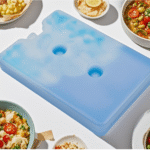
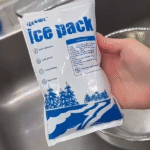
D'autres candidats incluent des pré-remplis packs de gel, packs d'eau rigides, et des PCM formulés. Leur remplissage, comportement de transition, conditionnement, géométrie, et la construction du film diffère. Demandez au fabricant l'identité technique et les instructions au lieu de déduire les performances de mots tels que glace, PCM, qualité alimentaire, ou longue durée.
| Question de décision | Réponse forte du fournisseur | Réponse faible |
|---|---|---|
| Quel est le réfrigérant? | Nomme le CO2 solide, hydrate à base d'eau, gel, ou PCM défini | « Technologie avancée de glace carbonique » |
| Qu'est-ce qui détermine la durée? | Identifie la masse du liquide de refroidissement, isolation, charge utile, profil ambiant, et gamme | Donne un numéro pour toutes les cases |
| Est-ce adapté aux fruits? | Demande des limites de produits et des tests d'emballage | Revendique l'adéquation universelle des produits |
| Est-ce que la nourriture est appropriée? | Fournit des documents pour les matériaux et le scénario de contact prévu | Utilise « qualité alimentaire » sans portée |
| Peut-il être réutilisé? | Décrit l'inspection, nettoyage, et les limites de la retraite | Promet une recongélation illimitée |
| Est-ce qualifié? | Identifie le système exact, protocole, charger, et critères | Transfère un logo de test au composant |
Cette première clarification protège à la fois l’ingénierie et la logistique. Il évite d'exposer les fruits sensibles au froid à du CO2 inutilement froid et empêche les équipes de placer des étiquettes de marchandises dangereuses sur des feuilles d'hydrates ordinaires..
Concevoir le thermique, Humidité, et interfaces de flux d'air
Le package passif est un ensemble connecté. Le carton extérieur gère les charges de distribution. L'isolation ralentit la chaleur extérieure. Le liquide de refroidissement absorbe de l'énergie. Caisses de fruits, évents, doublures, coussinets, et le fardage gèrent le flux d'air, humidité, mouvement, et contacter. Un changement sur un calque peut modifier le reste.
Cartographier les ponts thermiques probables au niveau des joints du couvercle, coins, et isolation comprimée. Distribuez le liquide de refroidissement pour gérer les régions chaudes sans placer une surface profondément conditionnée contre les fruits. Si un tampon est nécessaire, définir sa matière, épaisseur, et emplacement. Assurez-vous qu'il ne peut pas s'effondrer, changement, ou devenir saturé lors de la manipulation.
Préserver la ventilation des produits prévue. Le blocage des trous du clapet ou des évents du boîtier peut modifier le refroidissement, échange de gaz, et condensation. Inversement, un espace libre excessif peut permettre aux paquets et aux fruits de se déplacer. Utiliser des inserts ajustés qui retiennent la charge tout en conservant le chemin de flux d'air supposé lors des tests.
Planifier la vapeur d'eau. Packs froids peut provoquer de la condensation lorsqu'il est exposé à l'air humide. Une doublure peut protéger l'isolation et le carton, tandis qu'un matériau absorbant peut recueillir du liquide. Ces couches peuvent également retenir l'humidité ou modifier le flux de chaleur.. Testez-les avec de vraies étiquettes, plateaux, sacs, et les fruits plutôt que de traiter le contrôle de l'humidité comme un complément cosmétique.
Les effets mécaniques et thermiques doivent être combattus ensemble. Une brique rigide peut meurtrir les fruits ou écraser une coquille. Une feuille flexible décongelée peut glisser après retournement. Un coin endommagé peut créer une fuite de chaleur. Les tests de distribution et les essais d'itinéraire doivent confirmer que le réfrigérant reste dans sa position cartographiée..
Qualifiez-vous pour l'itinéraire, Pas la brochure
Écrivez l'itinéraire sous la forme d'une séquence d'événements de garde: retrait de rangement froid, assemblée, mise en scène en carton fermé, ramasser, véhicule, centre de tri, transport de ligne, dernier kilomètre, seuil de porte, et recevoir. Ajouter des délais crédibles, conditions saisonnières, risques le jour de l'expédition, et toute douane ou inspection demeure.
Choisir les défis externes qui représentent ce risque. ISTA 7E fournit des profils de température reconnus pour la livraison des colis emballage thermique et peut prendre en charge une comparaison standardisée. Le profilage d'itinéraire ajoute des informations locales. Un profil réussi ne garantit pas tous les climats, service, ou une marchandise.
Construisez un emballage de test contrôlé avec le carton de production, isolation, paquet de fruits, modèle et nombre de liquide de refroidissement, tampon, doublure, fardage, fermeture, et emplacements des enregistreurs. Enregistrer les conditions de démarrage des fruits et du liquide de refroidissement. Limiter le temps d’emballage. Inclure les configurations de charge utile minimale et maximale qui seront réellement vendues.
Cartographiez les points chauds et froids avec des instruments calibrés. Une sonde à l'air libre, un capteur fixé en surface, et une sonde pulpaire mesure différentes choses. Indiquer lequel conduit à l'acceptation. Examiner les traces de capteurs individuels; une moyenne acceptable ne peut pas annuler un bord gelé ou un coin chaud.
Ajouter une évaluation de la qualité des fruits. Notez les attributs pertinents du producteur à la réception et, là où c'est nécessaire, après une période de conservation ou d'affinage définie. Attention à la condensation, dommages au colis, mouvement, et fuite de réfrigérant. Un colis techniquement « froid » qui provoque des piqûres retardées, ecchymoses, ou une mauvaise maturation n'est pas qualifiée à des fins commerciales.
Utiliser des expéditions d'essai pour confirmer la manipulation réelle après des tests contrôlés. Enregistrer les événements et les écarts d'itinéraire. Un procès sans délai est la preuve de ce voyage, pas de preuve de contingence. Ajuster la conception ou restreindre son utilisation prévue lorsque les résultats ne répondent pas aux critères.
Convertir le prototype approuvé en approvisionnement d'usine
La spécification d'achat doit identifier le modèle et la révision, matériels, dimensions et tolérances, motif cellulaire, attributs de remplissage ou absorbants, critères secs et activés le cas échéant, normes de couture et de fuite, instructions de préparation, stockage, codage de lots, et emballage en carton. Lier le rapport de qualification à cette version.
Outils de décision utiles
Vérifiez les détails avant de choisir l'emballage
Ces outils rapides peuvent vous aider à comparer le risque d'itinéraire, besoins de dimensionnement, choix de liquide de refroidissement, et les détails de l'emballage avant de demander un devis.
Calculateur de banquise
Estimation de la quantité de pain de glace pour les expéditions réfrigérées et planification pratique des itinéraires.
Estimer les packs de glaceSélecteur d'emballage
Comparez les options d'emballage isotherme par produit, itinéraire, et besoin de température.
Trouver un emballageVérificateur de risque d'itinéraire
Examinez les conditions des pistes avant de sélectionner l'emballage en fonction des exigences opérationnelles réelles..
Vérifier le risque d'itinéraireDemandez comment le fabricant contrôle les attributs qui influencent les performances. Les réglages du joint affectent l’intégrité des coutures. Le dosage d'absorbant ou de remplissage affecte la masse thermique. La coupe affecte l'ajustement. Les changements de film peuvent altérer la résistance, perméabilité, ou flexibilité à basse température. Le fabricant doit être en mesure d'expliquer l'inspection et la traçabilité pertinentes sans faire de promesses de performances sans fondement..
Connectez l’approbation des échantillons à la production. Demander des échantillons représentatifs, inspectez-les en utilisant le plan prévu, et activer les feuilles d'hydrates sur le site d'emballage. Vérifier que l'article de production correspond à l'arrangement qualifié. Convenir d'un préavis pour les changements de matières premières, formulation, dimensions, motif de couture, processus, site, ou des instructions.
La planification saisonnière des approvisionnements réduit les substitutions risquées. Discuter des prévisions, quantités commandées, format d'emballage, planification des délais, libération du lot, et continuité avant le pic de récolte. Qualifier intentionnellement un remplaçant si nécessaire. Les dimensions extérieures correspondantes n’établissent pas une absorption d’eau équivalente, masse thermique, ou comportement de contact.
L'inspection à l'arrivée doit être basée sur les risques. Confirmer l'identité, révision, parcelle, état du carton, propreté, dimensions ou masse sélectionnées, aspect des coutures, et documents. Mettre en quarantaine les modèles mixtes, contamination, ou fuite. Analysez les problèmes par lot et partagez les enregistrements d'activation et les photos avec le fabricant..
Activation du contrôle et conditionnement au volume de récolte
Les feuilles d'hydratation transfèrent le volume des stocks vers les opérations du site. Définir la source d’eau propre, méthode d'activation, drainage, taille du lot, disposition du congélateur, préparation au conditionnement, stockage conditionné, et conditions de détention maximales. Mesurer la variation du processus lors d'un projet pilote à grande échelle, pas seulement avec quelques feuilles dans un congélateur vide.
Le débit d'air et la récupération du congélateur peuvent changer lorsque les racks sont encombrés. Les paquets peuvent geler ensemble s'ils ne sont pas égouttés ou séparés. Différents travailleurs peuvent interpréter différemment l’état de préparation. Utiliser un critère mesurable ou clairement observable établi par le processus, et séparer les produits par modèle et statut.
Au banc d'emballage, composants de pré-étape et conserver les fruits hors de stockage pendant une période contrôlée. Utilisez les instructions visuelles des couches indiquant le nombre de liquides de refroidissement, orientation, tampon, évents de boîtier, fardage, enregistreur, et fermeture. Empêcher les compresses froides de reposer sur les emballages de vente au détail délicats. Conserver les cartons terminés dans les conditions supposées par la qualification de l'itinéraire en attendant le ramassage.
La glace carbonique réelle appartient à un processus formé distinct avec protection contre le contact froid, ventilation, un colis qui libère du gaz, et documents de transport vérifiés. Ne laissez pas la similitude des noms de produits mélanger le CO2 solide avec l'inventaire des hydrates ou les instructions de travail..
A la réception, inspecter le temps, dommage, humidité, fuite du pack, état des fruits, et la mesure de température approuvée. Déplacez rapidement les fruits vers le bon environnement. Une alarme ou un défaut de qualité doit déclencher une ségrégation et un examen autorisé. Un paquet congelé ou décongelé ne détermine pas à lui seul la destination.
Réduire l’impact environnemental sans déplacer les risques
Prévenir d’abord la perte de fruits. Examinez ensuite chaque fonction d'emballage et retirez l'excédent avec des preuves. Des cartons de bonne taille peuvent réduire l’isolation, réfrigérant, cube de fret, et un espace vide, mais ils doivent préserver la ventilation des produits et la géométrie des zones tampons. Développer des modules contrôlés pour des tailles de commande courantes au lieu d'une boîte universelle surdimensionnée.
Les draps hydratants se rangent à plat avant l’activation, ce qui peut réduire le volume des entrées et des entrepôts par rapport à un pack pré-rempli de taille active similaire. Le résultat environnemental total comprend également les matériaux, eau, énergie de congélation, masse sortante, protection du produit, réutilisation, retours, et élimination. Limiter les revendications à la limite prise en charge par les données.
La réutilisation est une propriété de route autant qu'une propriété de produit. Une boucle d'épicerie fermée peut récupérer la plupart des paquets; un réseau de consommateurs ouvert ne peut pas. Les unités retournées doivent être mises en quarantaine, nettoyage, inspection pour perforation et contamination, reconditionnement, suivi, et la retraite. Compter les utilisations réellement réussies. Si le transport retour et les pertes sont élevés, une solution à usage unique de bonne taille peut être globalement plus performante.
Demandez au fabricant l'identification du matériau et les instructions d'élimination.. Les systèmes de recyclage locaux peuvent ne pas accepter les films multicouches ou les contenus absorbants. N'imprimez pas un large papier recyclable, compostable, ou allégation biodégradable sans preuve de l'article complet et de la destination.
Mesurer les déchets du chantier. Suivre les feuilles sèches endommagées, échec de l'activation, packs conditionnés inutilisés, espace congélateur, rebuts d'emballage, et allégations sur les fruits. Ces observations révèlent des améliorations qui manquent à une comparaison de matériaux au niveau de l'unité..
Questions fréquemment posées
Quel est le premier échantillon qu’un expéditeur de fruits devrait demander ??
Demander la construction exacte proposée pour la production dans des dimensions adaptées au carton prévu. Demandez sa spécification, instructions d'activation, documents importants, et identité du lot. Utilisez-le d'abord pour les essais d'ajustement et de préparation, puis évaluez-le dans l'emballage complet selon des critères thermiques et de qualité définis.
La neige carbonique solide est-elle appropriée pour les baies ou les fruits tropicaux ??
Ne décidez pas uniquement par catégorie, mais la vraie neige carbonique crée une frontière extrêmement froide et un risque local de gel important pour les fruits frais.. Les fruits tropicaux peuvent également subir des dommages causés par le froid sans gel. Utiliser les exigences et les tests post-récolte spécifiques au produit; un liquide de refroidissement plus doux est souvent un candidat plus logique pour les produits frais réfrigérés.
Un test ambiant peut-il couvrir toute l’année?
Uniquement si le profil et la configuration sélectionnés sont justifiés par l'exposition pertinente à la chaleur et au froid.. De nombreuses voies nécessitent des défis saisonniers ou des approches de conditionnement distinctes. Données d'itinéraire, changements de service, et les modèles de livraison doivent être revus au fil du temps, et les changements peuvent nécessiter une réévaluation. Revoir cette décision chaque année.
Que signifie « qualité alimentaire » pour une feuille de liquide de refroidissement?
Il doit faire référence à des matériaux définis et à un scénario de contact prévu soutenu par la documentation pertinente.. La feuille reste normalement intacte à l'extérieur de l'emballage du fruit.. Les acheteurs devraient examiner les matériaux extérieurs, fuites, impression, propreté, et les exigences de destination plutôt que de traiter l'expression comme une autorisation universelle pour le contact direct avec les aliments.
Comment un acheteur doit-il comparer le coût total?
Mesurer le prix unitaire, volume entrant et de stockage, travail d'activation et eau, capacité et énergie du congélateur, rejette, temps d'emballage, poids sortant et taille de la boîte, gestion des retours, élimination, et allégations sur les fruits. Utilisez un pilote avec le flux de travail réel plutôt que le pourcentage d'économies non vérifié d'un fournisseur. Incluez également les coûts de perte de qualité.
Conclusion
Un pack de glace carbonique du fabricant pour l'expédition de fruits ne convient que lorsque son matériau, géométrie, et la préparation s'alignent sur un produit et un itinéraire spécifiques. Protéger les limites inférieures et supérieures du fruit, maintenir la ventilation et l’équilibre hydrique, et inclure la qualité physique dans la qualification. Lier la conception approuvée aux spécifications d’usine, changer de contrôle, conditionnement du volume de pointe, et recevoir des preuves. Enfin, améliorer la performance environnementale grâce à un dimensionnement adéquat, réutilisation mesurée, activation efficace, et des informations précises sur la fin de vie. L'objectif n'est pas un maximum de froid; c'est une qualité d'arrivée maximale dans un processus contrôlé.
À propos du tempk
La gamme de packs d'hydrates publiée par Tempk se compose de feuilles de refroidissement flexibles activées par l'eau, fournies à plat avant préparation et congelées pour être utilisées avec des emballages isolés.. Nous pouvons aider un expéditeur de fruits à discuter de la disposition des cellules, dimensions personnalisées, flux de travail d'activation, définition de l'échantillon sur commande, et emballage en volume. Limites de température des produits, preuve d'itinéraire, acceptation de la qualité des fruits, et la qualification finale restent de la responsabilité du producteur et de ses partenaires qualité.
Partagez la fiche produit, conception du boîtier et de l'évent, matrice de charge, profil d'itinéraire, capacité de conditionnement, et limite de durabilité avec Tempk pour demander un exemple de configuration ciblé.