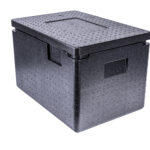
Choisir un 25 Fournisseur de glacières d'un litre avec moins d'hypothèses
La façon la plus sûre de choisir un 25 litre fournisseur de glacière consiste à remplacer l'étiquette de capacité par un cas d'utilisation contrôlée. Définir ce qui doit correspondre, comment il est refroidi, qui le porte et l'ouvre, où il voyage, comment il est nettoyé, et quelles preuves soutiennent ses affirmations. Comparez ensuite les fournisseurs en utilisant une configuration et une portée commerciale. Cette approche évite une erreur courante en matière d'approvisionnement: sélectionner un prix inférieur pour un coffre qui a moins d'espace utilisable, un système d'isolation différent, matériel manquant, emballage plus faible, ou un test de performance non pertinent.
Établir le modèle opérationnel prévu
Rédigez une description d'utilisation d'une page. Identifier le contenu, plage de charge, condition de départ, objectif de température le cas échéant, liquide de refroidissement, durée, exposition ambiante, ouvertures, nettoyage, stockage, transport, et retour. Ajoutez le canal de vente ou de service car la vente au détail, restauration, promotionnel, et les programmes de distribution contrôlée valorisent différentes fonctionnalités.
Énoncer clairement les limites des produits. Un coffre isolé ralentit le changement de température. Ce n'est pas une réfrigération active. Une coque à elle seule ne constitue pas un système thermique passif complet. Le liquide de refroidissement et le packout peuvent créer un arrangement contrôlé, mais uniquement dans les limites de fonctionnement prises en charge. Un enregistreur de température enregistre les conditions; il ne protège pas le contenu.
Classer les exigences comme critiques, préféré, et en option. Cela donne aux fournisseurs la possibilité de proposer des alternatives économiques sans modifier silencieusement les éléments essentiels.. Par exemple, les performances du handle chargé peuvent être critiques, une couleur personnalisée préférée, et roues en option.
Convertir 25 L Dans un plan de chargement vérifié
Demandez comment la capacité nominale a été déterminée. Obtenir des dimensions intérieures vides et un dessin de contour. Suivant, définir l'enveloppe de charge utile utilisable après les diviseurs, bouteilles, liquide de refroidissement, espaceurs, ou des plateaux sont installés. Enfin, mesurer la masse totale chargée.
| Étape de vérification | Sortir | Décision qu’il soutient |
|---|---|---|
| Examen des cavités vides | Définition de la capacité brute | Normalisation du catalogue |
| Dessin d'emballage complet | Volume utilisable et enveloppe de charge utile | Nombre de produits et orientation |
| Essai de condition physique | Autorisation et accès opérateur | Exemple d'approbation |
| Pesée en charge | Masse totale de manutention | Poignées, roues, fret, procédure de sécurité |
| Examen de charge partielle | Charge minimale prise en charge | Diviseur, filler, ou décision de taille alternative |
N'utilisez pas une valeur calculée en litre pour annuler un essai d'ajustement ayant échoué.. Coins arrondis, cône, évidements du couvercle, et les tolérances d'emballage peuvent laisser un espace inutilisable. De même, ne pas emballer si étroitement que les utilisateurs ne puissent pas retirer le contenu ou fermer le couvercle de manière cohérente.
Si la quantité de charge change, déterminer si le comportement thermique ou de mouvement change sensiblement. Un diviseur maîtrisé, filler, ou une poitrine plus petite peut être appropriée. Le fournisseur ne doit pas promettre que tout chargement, du vide au plein, fonctionnera de manière identique sans preuve..
Évaluer le mur, Couvercle, et interfaces comme un seul produit
Examiner une coupe transversale montrant la coque et l'isolation. Les directions courantes incluent des coques en plastique autour de la mousse, Structures moulées en PPE, Expéditeurs EPS avec emballage de protection, refroidisseurs moulés lourds, et systèmes améliorés VIP. Chacun a un équilibre différent de résistance thermique, durabilité, masse, épaisseur, réponse à l'humidité, réparation, et coûter.
Le couvercle mérite la même attention. Vérifier le chevauchement des murs, joint, compression, charnières, loquets, et isolation locale. Les chemins de chaleur au niveau des joints et de la quincaillerie peuvent réduire la valeur d'un mur large et bien isolé.. Les drains et les supports de roues affectent également la structure et le nettoyage.
Évaluer les interfaces avec une charge représentative. Faites fonctionner le couvercle et les loquets, porter la poitrine, tirez-le s'il est à roulettes, égouttez-le, nettoyez-le, et rangez-le. Inspecter les points de pincement, arêtes vives, composants lâches, pièges à eau, odeur, déformation, et abrasion. Demandez si les pièces à forte usure peuvent être remplacées et comment elles sont identifiées.
Le choix du matériau doit suivre le contact prévu. Si des aliments non emballés touchent la doublure intérieure, vérifier la formulation exacte de la résine, additifs, pigments, contenu recyclé, et conditions d'utilisation selon les règles de destination. Un nom de polymère ou un symbole de recyclage ne constitue pas une preuve réglementaire. Pour les marchandises emballées, décrire avec précision la limite de contact.
Exiger un test qui correspond à l'allégation
Répertoriez les allégations que vous envisagez de publier ou sur lesquelles vous vous appuyez. Capacité, manutention en charge, résistance aux fuites, impact, durée de vie de fermeture, compatibilité de nettoyage, et la durée thermique nécessitent chacune une définition de test différente.
Pour la rétention de glace, spécifier le profil ambiant, températures de départ, quantité et forme de glace, charge utile, ouvertures, drainage, durée, et le critère définissant la rétention. Pour un emballage sous chaîne du froid, spécifier la plage d'acceptation du produit, configuration du liquide de refroidissement, charge utile, carte des capteurs, profil ambiant, et démarche de qualification. Les ressources de transport thermique de l'ISTA peuvent prendre en charge l'évaluation des emballages de colis, mais un nom standard n'est pas une garantie de performance universelle.
Comparez les rapports au niveau de la configuration. L'identité de l'échantillon, matériels, liquide de refroidissement, charge utile, et les conditions doivent correspondre au produit proposé. Une durée issue d'un modèle plus grand, un couvercle différent, ou un test sur glace complète ne doit pas être transféré sur le coffre proposé sans justification.
Six questions pour toute réclamation relative à la durée
Quel coffre équivalent à la production exact a été utilisé?
Quoi et combien a été chargé?
Quelles étaient les conditions de départ et ambiantes?
Le couvercle a-t-il été ouvert, et à quelle fréquence?
Quels capteurs ou observations ont défini le résultat?
Quel était le critère de réussite ou de fin?
Ces questions ne rendent pas les tests inutilement complexes. Ils rendent la réponse interprétable.
Facilitez l’utilisation correcte
Un produit qui dépend d'un emballage précis a besoin d'instructions claires. Identifiez chaque composant, étape de préparation, position de chargement, règle d'ouverture, et contrôle de fermeture. Utiliser des dessins qui correspondent à la révision livrée. Si du liquide de refroidissement est fourni, définir le conditionnement et l'inspection; un pack manquant ou qui fuit doit avoir une réponse claire.
Pour la restauration et la flotte, les instructions doivent couvrir l'agent de nettoyage, concentration ou méthode selon le cas, rinçage, séchage, stockage, et inspection avant utilisation. Pour les produits de consommation, expliquer la vidange, loquet, et une manipulation sûre sans promesses non étayées. Pour usage médical, le suivi et la réponse aux excursions font partie de la procédure de qualité responsable.
Un problème typique sur le terrain se produit lorsque le personnel ajoute de la glace meuble supplémentaire parce que le coffre semble partiellement vide.. La glace supplémentaire change le poids, exposition à l'eau, et espace utilisable; pour les charges utiles sensibles, cela peut également créer un risque de froid local. Un agencement de charge supportée et une ligne de remplissage ou un séparateur visible peuvent être plus sûrs que l'improvisation.
Outils de décision utiles
Vérifiez les détails avant de choisir l'emballage
Ces outils rapides peuvent vous aider à comparer le risque d'itinéraire, besoins de dimensionnement, choix de liquide de refroidissement, et les détails de l'emballage avant de demander un devis.
Sélecteur d'emballage
Comparez les options d'emballage isotherme par produit, itinéraire, et besoin de température.
Trouver un emballageRéférence du matériau isolant
Comparez les choix de matériaux d'isolation pour différents besoins d'emballage de la chaîne du froid.
Comparez les matériauxCalculateur de banquise
Estimation de la quantité de pain de glace pour les expéditions réfrigérées et planification pratique des itinéraires.
Estimer les packs de glaceConfirmer que la production peut répéter l'échantillon
Approuver une nomenclature, dessins, norme de couleur, œuvres d'art, conditionnement, et échantillon équivalent à la production. Identifier les caractéristiques liées à l'ajustement et aux performances: matériel, poids partiel, dimensions intérieures, alignement du couvercle, compression du joint, ensemble loquet et poignée, processus d'isolation, étanchéité des canalisations, impression, et emballage.
Demandez comment l'usine contrôle les intrants et les processus. L'inspection terminée ne permet pas de voir tous les vides de mousse, problème de fusion de perles, ou panneau caché endommagé, des enregistrements de processus peuvent donc être nécessaires. Inversement, les données de processus ne remplacent pas de simples contrôles fonctionnels. Utiliser les deux selon la construction.
Définir des règles de notification de modification. Résine, contenu recyclé, pigment, mousse, VIP, joint, loquet, adhésif, liquide de refroidissement, outil, et les changements sur les sites de production peuvent être importants. Exiger une étude d’impact et des preuves appropriées avant l’approbation. L'examen peut conclure qu'aucun autre test n'est nécessaire, mais il ne faut pas l'ignorer.
L'inspection à la réception peut confirmer l'identité, composants, dimensions clés, fonction, apparence, précision de l'étiquette, et dommages dus au transport. Problèmes de tendance sur les lots. Des défauts mineurs répétés peuvent révéler une usure de l'outil, dérive du processus, ou emballage faible.
Comparez l'offre commerciale complète
Normaliser les citations pour inclure la même construction de poitrine, matériel, accessoires, marque, conditionnement, inspection, et documents. Outillage séparé, échantillons, essai, configuration des couleurs, et des œuvres d'art à partir du prix récurrent. Enregistrer la devise, validité du devis, niveau de quantité, délai de mise en œuvre, et terme commercial.
Utiliser les dimensions et le poids emballés pour calculer le coût au débarquement. L'imbrication peut réduire le fret mais peut créer des rayures ou un assemblage de destination. Les cartons de vente au détail protègent la présentation mais consomment de l'espace. Vérifier physiquement le plan de chargement là où le coût logistique est important.
Choisissez la quantité commandée par risque total. Les niveaux importants peuvent réduire le prix d'usine tout en augmentant le stockage, espèces, et inventaire obsolète. Commencez par un projet pilote si la demande ou la conception est incertaine. Un dispositif de lancement ou de prévision par étapes peut prendre en charge la planification de l'usine sans placer simultanément chaque unité dans l'entrepôt de destination..
Pour les opérations réutilisables, calculer le coût par cycle terminé en utilisant le retour, nettoyage, inspection, stockage, suivi, perte, réparation, et la retraite. Évitez de supposer la durée de vie théorique maximale. Collectez les données d'itinéraire et utilisez-les pour des achats ultérieurs et des réclamations environnementales.
Un tableau de bord pratique des fournisseurs
Notez chaque candidat sur:
- Compréhension des applications et de la charge utile
- Définition des capacités et qualité du dessin
- Transparence dans la construction
- Preuves de tests pertinentes
- Échantillon d'utilisabilité et de finition
- Contrôles de production et de matériaux
- Discipline de personnalisation
- Cube emballé et plan de livraison
- Notification de modification et action corrective
- Économie terrestre et économie du cycle de vie
Pondérer le score par rapport au programme. Un lancement au détail peut mettre l'accent sur les cosmétiques et l'emballage des colis; une flotte de services de restauration peut mettre l'accent sur le nettoyage et la réparation; une voie de la chaîne du froid peut mettre l'accent sur la preuve et la surveillance des emballages. Le prix reste important, mais il est évalué par rapport au même résultat obtenu.
Clôture des risques ouverts avant le dépôt de production
Créer un registre d'actions après scoring des fournisseurs. Chaque point non résolu doit nommer un propriétaire, preuves requises, deux rendez-vous, et conséquence s'il reste ouvert. Les exemples incluent la confirmation de la mesure de la capacité, révision de la poignée, fournir une documentation matérielle à jour, terminer un essai de carton, ou démonstration de l'agencement de liquide de refroidissement proposé. Ne laissez pas le bon de commande transformer silencieusement les questions techniques ouvertes en risque accepté..
Certaines actions peuvent être clôturées pendant la production pilote, tandis que d'autres doivent fermer avant l'outillage ou l'engagement matériel. Un manque de documentation sur le contact alimentaire, une charge utile qui ne rentre pas, ou une poignée chargée dangereuse nécessite une résolution rapide. Une référence cosmétique mineure ou une position finale de marque d'expédition peut raisonnablement être fermée plus tard si le calendrier et le processus d'approbation sont contrôlés..
Utilisez le même registre lors de l'examen de la préproduction. Confirmer que les modifications approuvées ont été entrées dans les dessins, nomenclatures, instructions, œuvres d'art, inspection, et emballage. Un échantillon corrigé sans documents mis à jour peut être perdu lors de la prochaine commande.
Établir une boucle d’apprentissage dès le premier envoi
La première livraison commerciale doit produire un feedback structuré. La réception peut enregistrer l'état du carton, dimensions, nombre de composants, problèmes de surface, et contrôles fonctionnels. Les opérateurs peuvent enregistrer le temps de chargement, manutention, accéder, drainage, nettoyage, et pièces manquantes. La logistique peut comparer le cube de fret vérifié avec le plan. La qualité peut examiner toute preuve thermique ou structurelle requise par l'application.
Effectuez un bref examen avant de publier le prochain gros lot. Non-conformité du fournisseur distinct, dommages dus au transport, lacunes dans les instructions, et préférence de l'utilisateur. Corriger la couche responsable plutôt que de redessiner toute la poitrine. La boucle d'apprentissage fait de la mise à l'échelle une étape contrôlée au lieu d'une répétition automatique du premier ordre..
Décidez de ce que vous ne voulez pas réclamer
Avant la publication ou le transfert du client, supprimer les affirmations qui dépassent les preuves. UN 25 L'étiquette ne garantit pas 25 L de produit utilisable. « HDPE » ou « qualité alimentaire » ne décrit pas la formulation complète et l'utilisation. Un test de glace à couvercle fermé ne prouve pas les performances lors d'accès de livraison répétés. Réutilisable ne signifie pas durée de vie illimitée, et recyclable ne signifie pas que le coffre complet sera récupéré sur tous les marchés.
Les revendications étroites sont plus crédibles et plus faciles à maintenir. Indiquer la méthode de capacité, construction, fonctionnalités incluses, conditions testées, pièces remplaçables, ou amélioration mesurée de l'emballage. Quand les conditions opératoires peuvent modifier le résultat, les divulguer. Cette discipline protège les spécifications de l'acheteur, les limites de la garantie du fournisseur, et les attentes de l'utilisateur final.
Questions fréquemment posées
Est nominal 25 Capacité L standardisée?
Pas nécessairement. Les fournisseurs peuvent utiliser différentes méthodes de mesure ou conventions de modèles. Demandez si la figure décrit la cavité interne vide et comment elle a été calculée.. Demandez l'enveloppe de charge utile utilisable pour votre configuration et confirmez-la avec des articles réels avant de commander.
Quel est l'échantillon de test le plus important?
Il n’existe pas de test unique pour chaque utilisation. Commencez par un essai complet d’ajustement et de manipulation en charge, car cela révèle la capacité, fermeture, équilibre, accéder, et problèmes matériels. Ajoutez ensuite des tests de fuite spécifiques à la réclamation, impact, nettoyage, ou performances thermiques selon l'application.
Une poitrine plus épaisse reste-t-elle froide plus longtemps?
Cela peut fournir plus d’isolation, mais les performances finales dépendent aussi du matériau, densité, joint de couvercle, ponts thermiques, liquide de refroidissement, charge utile, ouvertures, et exposition ambiante. Comparez les systèmes équivalents à la production en utilisant le même protocole pertinent plutôt que l'épaisseur seule.
Qu'est-ce qui devrait déclencher la réapprobation?
Modifications potentiellement significatives de la résine, contenu recyclé, isolation, liquide de refroidissement, joint, matériel, géométrie, outillage, processus, site de production, ou l'emballage devrait déclencher une étude d'impact. Le résultat peut nécessiter des documents, échantillons, tests fonctionnels, ou travaux thermiques selon le sinistre et le risque concerné.
Comment comparer les produits standards et personnalisés?
Comparez les délais de mise sur le marché, outillage, coût unitaire, ajustement de la charge utile, valeur du canal, densité d'emballage, et changer de flexibilité. Un coffre standard convient souvent aux pilotes et aux charges générales. Le développement personnalisé est plus efficace lorsque la géométrie ou les caractéristiques uniques créent une valeur opérationnelle ou commerciale mesurable..
Conclusion
Choisir un 25 Le fournisseur de glacières d'un litre est un exercice visant à éliminer les hypothèses. Définir l'utilisation, vérifier l'enveloppe de charge utile, évaluer la coquille, isolation, couvercle, et le matériel ensemble, et exigez des tests qui correspondent aux réclamations réelles. Rendre les instructions d'utilisation reproductibles, protéger l'échantillon approuvé tout au long de la production, et comparez l'offre complète débarquée ou de cycle de vie. Le résultat est un coffre sélectionné pour un travail réel plutôt qu'un numéro de catalogue.
À propos du tempk
Tempk, une partie de Shanghai Tempk, fournitures emballage chaîne du froid catégories comprenant boîtes en plastique, Formats PPE, glacières médicales, Options isolées liées aux VIP, et choix de liquide de refroidissement. UN 25 le projet litre peut commencer avec une direction existante ou personnalisée après la charge utile, manutention, thermique, contact, marque, et les exigences logistiques sont définies. Toute décision en matière de performances ou d'adéquation doit rester liée à la configuration choisie et aux preuves pertinentes.
Fournissez à Tempk une utilisation d'une page et des résumés d'appel d'offres pour discuter d'un échantillon, orientation du chantier, et périmètre commercial comparable.