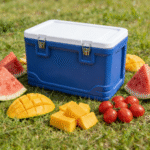
Livraison express sous chaîne du froid est au cœur de la cuisine moderne, chaînes d'approvisionnement pharmaceutiques et biotechnologiques. Lorsque vous naviguez dans le paysage logistique, tu pourrais vous demander: comment des marchandises fragiles peuvent-elles parcourir des centaines de kilomètres sans perdre en qualité? That’s the challenge that chaîne du froid express delivery solves. Il ne s’agit pas seulement de déplacer rapidement des marchandises; il s’agit de maintenir des plages de température précises pour assurer la sécurité, puissance et saveur. Dans 2025 this discipline is booming—analysts estimate the global chaîne du froid logistics market will top US$436 billion and could exceed US$1.3 trillion by 2034. Suivre ces tendances signifie comprendre comment la technologie, la durabilité et la demande des consommateurs remodèlent la livraison express à température contrôlée.
Cet article répondra pour vous:
What is chaîne du froid express delivery and why does it matter? Nous clarifierons le concept et expliquerons pourquoi les vaccins et les denrées périssables en dépendent.
How does chaîne du froid express delivery work? En savoir plus sur les étapes comme le prérefroidissement, stockage, transport et livraison du dernier kilomètre, plus l'équipement impliqué.
Which technologies are transforming chaîne du froid express delivery in 2025? Explorez les capteurs IoT, Optimisation des itinéraires grâce à l'IA, blockchain, stockage à énergie solaire et congélateurs cryogéniques portables.
How can sustainable practices improve chaîne du froid express delivery? Comprendre les emballages écologiques, changements réglementaires et pourquoi emballage durable devrait atteindre 4,97 milliards de dollars en 2025.
Quelles informations et tendances du marché devriez-vous connaître 2025? Découvrez les prévisions de croissance, les nouvelles tendances de consommation et les facteurs qui façonnent l'industrie.
What Is chaîne du froid Express Delivery and Why Does It Matter?
La livraison express sous chaîne du froid fait référence au processus de manutention, stocker et transporter des marchandises périssables dans des conditions de température contrôlée pour préserver l'intégrité et la qualité de la production à la consommation. Ce système est essentiel pour tout expédier, des vaccins et produits biologiques aux produits frais et aliments surgelés.. Le Fonds des Nations Unies pour l’enfance (UNICEF) highlights that a highquality chaîne du froid enables health workers to deliver lifesaving vaccines to every last child; les vaccins doivent être conservés dans une plage de température limitée, car des températures trop élevées ou trop basses peuvent leur faire perdre leur efficacité..
Réponse directe et points clés
Préserve la qualité du produit: Garder les marchandises dans des plages de température strictes évite leur détérioration, perte de puissance et croissance bactérienne.
Garantit la sécurité et la conformité: Pour les produits pharmaceutiques et les vaccins, les variations de température peuvent rendre les produits dangereux ou inefficaces; maintaining the chaîne du froid is often required by regulatory agencies.
Prend en charge divers produits: La livraison express sous chaîne du froid couvre les aliments, biologique, fleurs et produits chimiques, chacun avec des besoins de température uniques.
Importance économique: Dans 2025 the chaîne du froid logistics market is valued at US$436 billion and is projected to exceed US$1.3 trillion by 2034.
Valeur environnementale et sociale: Reliable chaîne du froids reduce food waste, élargir l’accès aux médicaments et permettre le commerce mondial.
Explication élargie
Think of chaîne du froid express delivery as a “moving refrigerator” that stretches from the factory to your door. Cela commence lorsqu'un producteur prérefroidit les marchandises pour stabiliser leur température.. Pendant le stockage, les produits sont conservés dans des entrepôts réfrigérés ou dans des conteneurs isolés qui empêchent les infiltrations de chaleur. Le transport s'effectue dans des camions frigorifiques, wagons réfrigérés ou colis isothermes. À chaque maillon de la chaîne, les dispositifs de surveillance enregistrent la température et l'humidité pour détecter les écarts et alerter les opérateurs. Cette approche coordonnée garantit que les vaccins parviennent efficacement aux cliniques éloignées et que les baies fraîches arrivent dans votre cuisine avec le même goût que si elles venaient d'être cueillies.. Sans ce système, les vaccins vitaux perdraient leur efficacité avant d’atteindre les patients et les aliments périssables se gâteraient, compromettant à la fois la santé publique et la rentabilité des entreprises.
Comprendre les plages de température et l'équipement
Le contrôle de la température n’est pas une solution universelle; différents produits nécessitent différentes gammes. Le tableau suivant présente les catégories courantes et ce qu'elles signifient pour vous.:
| Plage de température | Gamme typique (°F) | Exemples de produits | Ce que cela signifie pour vous |
| Ambiant | 59–86 | Aliments secs, certains produits pharmaceutiques | Coûts de réfrigération minimes; assurer une ventilation adéquate pour éviter l’accumulation de chaleur |
| Cool | 50–59 | Fromage, certains produits | Un refroidissement doux préserve la saveur; utiliser des conteneurs isothermes et des délais de transport courts |
| Réfrigéré | 32–50 | Vaccins, produits laitiers | Contrôle strict de la température; exploiter les capteurs IoT pour une surveillance en temps réel |
| Congelé | −22-32 | Viande, fruit de mer, glace | Nécessite un équipement de surgélation et des plans de redondance en cas de panne de courant |
| Ultrafroid | −80 à −150 | Biologique, thérapies géniques | Les congélateurs cryogéniques portables maintiennent des températures extrêmement basses |
Différents équipements maintiennent ces plages: les compresseurs et les évaporateurs abaissent les températures; les panneaux isolants et les systèmes de stockage automatisés minimisent les fluctuations; les véhicules isolés et les conteneurs frigorifiques maintiennent les conditions pendant le transport; et les capteurs IoT transmettent des données en temps réel pour garantir la conformité. Le choix de la bonne plage de température est important car même de légers écarts peuvent déclencher des problèmes réglementaires., gâcher les produits ou mettre les patients en danger.
Astuces et conseils pratiques
Connaître la gamme de vos produits: Identifiez si votre envoi nécessite une température ambiante, réfrigéré, conditions gelées ou ultra-froides et sélectionnez le bon emballage et le bon équipement.
Utiliser une surveillance fiable: Installez des capteurs intelligents dans les unités de stockage et les véhicules pour suivre la température et l'humidité et définir des alertes automatiques en cas d'écart..
Formez votre équipe: Former le personnel aux procédures de manipulation et aux interventions d'urgence pour maintenir l'intégrité du produit.
Planifier les imprévus: Élaborer des protocoles d’urgence en cas de panne d’équipement ou de retard de circulation; avoir des générateurs de secours ou packs de glace prêt.
Optimiser la livraison du dernier kilomètre: Choose express couriers specializing in chaîne du froid to avoid delays.
Cas du monde réel: En juillet 2025, l’UNICEF a livré sa toute première livraison de vaccins par voie maritime, transporter plus de 500 000 doses d’un vaccin antipneumococcique de la Belgique vers la Côte d’Ivoire. Le transport maritime a réduit les émissions de gaz à effet de serre jusqu'à 90 % et les coûts de fret de 50 % par rapport au transport aérien.. Cela démontre comment des stratégies logistiques innovantes peuvent rendre la distribution des vaccins plus durable tout en préservant leur efficacité..
How Does chaîne du froid Express Delivery Work?
La livraison express sous chaîne du froid implique une série d’étapes : prérefroidissement, stockage, transport et distribution du dernier kilomètre : conçus pour maintenir la température des produits tout au long du trajet. Chaque étape utilise des équipements et des protocoles spécialisés pour minimiser les chocs thermiques et préserver la qualité.
Réponse directe et points clés
Prérefroidissement: Les produits sont refroidis immédiatement après la récolte ou la production pour stabiliser la température et éviter une dégradation rapide.
Stockage: Les marchandises sont placées dans des entrepôts réfrigérés équipés de panneaux isolants et de systèmes de stockage automatisés.; cartographie des températures et FIFO (premier entré, premier sorti) les protocoles maintiennent la qualité.
Transport: Camions isothermes, les conteneurs frigorifiques et les wagons réfrigérés maintiennent des conditions froides. Certaines expéditions utilisent des congélateurs cryogéniques portables pour les besoins en ultra-froid.
Surveillance: Les capteurs IoT et les enregistreurs de données transmettent la température en temps réel, informations sur l'humidité et l'emplacement, permettant une action rapide si les conditions s’écartent.
Livraison du dernier kilomètre: Les coursiers express livrent rapidement les marchandises aux détaillants ou aux utilisateurs finaux, utilisant souvent un emballage spécialisé pour maintenir la température pendant la remise.
Explication élargie
The chaîne du froid begins at the source. Pour les produits, le prérefroidissement élimine la chaleur du champ pour ralentir les réactions enzymatiques et la croissance microbienne. Pour les produits pharmaceutiques, les lignes de fabrication peuvent inclure des congélateurs rapides pour garantir des températures uniformes. Une fois refroidi, les produits entrent dans des installations de stockage où l'automatisation réduit les erreurs humaines: systèmes automatisés de stockage et de récupération (AS/RS) déplacer efficacement les palettes tandis que les murs isolés et les compresseurs économes en énergie maintiennent des températures stables.
Pendant le transport, les marchandises voyagent dans des camions ou conteneurs réfrigérés équipés de compresseurs, condenseurs et évaporateurs. Certaines entreprises déploient des congélateurs cryogéniques portables capables de maintenir des températures aussi basses que −80 °C à −150 °C pour les produits biologiques et les thérapies géniques.. Ces appareils intègrent des modules GPS et capteurs qui alertent les opérateurs de tout écart. Modern chaîne du froid express delivery also relies on predictive analytics. Les algorithmes d'IA évaluent les conditions météorologiques, embouteillages et état des équipements pour recommander des itinéraires optimaux, minimiser les retards et prévenir les excursions de température.
Key Components of a Modern chaîne du froid Express
| Composant | Rôle | Avantages pour vous |
| Systèmes de refroidissement | Compresseurs, les évaporateurs et les condenseurs abaissent les températures aux plages souhaitées | Maintenir la qualité des produits et réduire les risques de détérioration |
| Stockage réfrigéré | Entrepôts avec panneaux isolants, systèmes de stockage/récupération automatisés et racks haute densité | Réduisez les fluctuations de température et optimisez l’espace |
| Infrastructures de transport | Camions isothermes, conteneurs frigorifiques, wagons réfrigérés et congélateurs cryogéniques portables | Maintenir les températures pendant le transport; les unités portables répondent aux besoins ultrafroids |
| Systèmes de surveillance et de contrôle | Capteurs IoT, enregistreurs de données et trackers GPS | Fournir des données en temps réel sur la température, humidité et emplacement; permettre une action corrective rapide |
| Protocoles d'assurance qualité | Cartographie de la température, plans d'intervention d'urgence, Inventaire FIFO et conformité réglementaire | Assurer une conformité continue, gaspillage minimal et sécurité des produits |
Astuces et conseils pratiques
Sélectionnez le bon transporteur: Partner with logistics providers experienced in chaîne du froid express delivery; ils devraient proposer des véhicules à température contrôlée, suivi en temps réel et plans d'urgence.
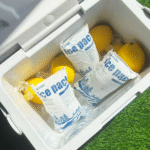
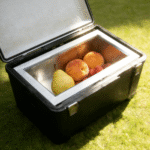
Utiliser un emballage robuste: Conteneurs isolés, matériaux à changement de phase et packs de gel aider à maintenir la température pendant les transferts.
Intégrer l'analyse des données: Utiliser l'analyse prédictive pour prévoir la demande et optimiser les itinéraires; cela réduit les coûts et améliore la vitesse de livraison.
Testez vos systèmes: Effectuer régulièrement une cartographie et une validation des températures pour identifier les points faibles et améliorer les processus.
Communiquer avec les destinataires: Fournir des fenêtres de suivi et de livraison pour minimiser le temps passé par les marchandises à température ambiante.
Cas du monde réel: Une entreprise de logistique de Kansas City a annoncé la construction d'une nouvelle installation de stockage frigorifique à 2024 doté de systèmes automatisés, réfrigération économe en énergie et surveillance de l'IoT. These technologies allowed them to cut energy consumption while improving reliability and throughput—an example of how modern chaîne du froid infrastructure supports express delivery.
What Technologies Are Shaping chaîne du froid Express Delivery in 2025?
Technologies émergentes telles que les capteurs IoT, intelligence artificielle, blockchain, chambre froide à énergie solaire, portable cryogenic freezers and sustainable packaging are transforming chaîne du froid express delivery by enhancing visibility, efficacité et durabilité.
Réponse directe et points clés
Capteurs intelligents compatibles IoT: Des réseaux de capteurs collectent et partagent des données en temps réel, alerter automatiquement les utilisateurs si les températures s'écartent.
Optimisation des itinéraires basée sur l'IA: Les algorithmes d'IA analysent les données de trafic et météorologiques pour générer des itinéraires optimaux, réduire le temps de transit et prévenir la dégradation de la qualité.
Blockchain pour la traçabilité: Les registres distribués garantissent que chaque étape d'un envoi est transparente et inviolable, réduire le risque de manipulation des données.
Stockage à énergie solaire: Les unités de stockage frigorifique solaire réduisent les coûts énergétiques et améliorent la fiabilité dans les régions où les réseaux électriques sont instables.
Congélateurs cryogéniques portables: Les unités compactes maintiennent des températures aussi basses que −80 °C à −150 °C, sauvegarder les produits biologiques, thérapies cellulaires et thérapies géniques.
Maintenance prédictive basée sur l'IA: Les modèles d'IA intégrés aux capteurs IoT détectent les anomalies des équipements en temps réel et prédisent les pannes avant qu'elles ne surviennent.
Emballage durable: Les matériaux respectueux de l'environnement et les emballages intelligents réduisent l'impact environnemental tout en maintenant le contrôle de la température..
Explication élargie
IoT et surveillance en temps réel: IoT sensors act like a digital nervous system for chaîne du froid express delivery. Installé sur les camions, palettes ou colis individuels, ils surveillent en permanence la température, humidité et emplacement. Lorsqu'un capteur détecte des niveaux de température dangereux, il envoie automatiquement des alertes par SMS ou par e-mail, permettre aux opérateurs de prendre des mesures correctives. Les capteurs compatibles GPS fournissent un positionnement en temps réel, garantir que les expéditions restent sur la bonne voie et permettre des interventions proactives.
Intelligence artificielle et analyse prédictive: AI brings datadriven decisionmaking to chaîne du froid logistics. Les modèles prédictifs analysent les données historiques et en temps réel, telles que les prévisions météorologiques., modèles de trafic, niveaux de stocks et état des équipements – pour prévoir les augmentations de la demande, optimiser les itinéraires et anticiper les pannes d'équipements. Par exemple, Les outils d'optimisation d'itinéraire basés sur l'IA combinent les données de trafic et météorologiques pour réduire les temps de transit, Réduire le risque d'excursions de température. La maintenance prédictive basée sur l'IA utilise les données des capteurs pour détecter les anomalies dans les réfrigérateurs ou les compresseurs avant qu'ils ne tombent en panne., prévenir la perte de produit.
Blockchain et traçabilité: La technologie Blockchain stocke les informations de manière distribuée, blocs inviolables. When applied to chaîne du froid express delivery, il garantit que chaque étape, du chargement au transfert, crée un enregistrement horodaté. Les parties prenantes peuvent vérifier les données de température, mises à jour de localisation et enregistrements de la chaîne de traçabilité en temps réel. Cette transparence renforce la confiance et aide les entreprises à se conformer à des réglementations strictes.
Chambre froide à énergie solaire: Les zones rurales et les marchés émergents sont souvent confrontés à une électricité peu fiable. Les unités de stockage frigorifique à énergie solaire offrent une, réfrigération hors réseau. Ces systèmes réduisent les coûts énergétiques totaux tout en répondant à une part importante des besoins en énergie.; les tarifs solaires commerciaux aux États-Unis varient entre 3.2 et 15.5 centimes par kWh, offrant des économies significatives par rapport à l’électricité du réseau. Solar units expand access to chaîne du froid services in regions that previously lacked reliable refrigeration.
Congélateurs cryogéniques portables: À mesure que la médecine personnalisée se développe, la demande de logistique ultra-froide augmente. Les congélateurs cryogéniques portables maintiennent des températures comprises entre −80 °C et −150 °C, même dans des environnements difficiles, et incluent des systèmes de suivi en temps réel et des notifications d'avertissement. Ces unités permettent le transport en toute sécurité des thérapies cellulaires et géniques vers des cliniques éloignées.
Outils de décision utiles
Vérifiez les détails avant de choisir l'emballage
Ces outils rapides peuvent vous aider à comparer le risque d'itinéraire, besoins de dimensionnement, choix de liquide de refroidissement, et les détails de l'emballage avant de demander un devis.
Liquide de refroidissement & Référence PCM
Comparez les options de liquide de refroidissement et de PCM lorsqu'un itinéraire nécessite une prise en charge supplémentaire de la température.
Comparez les optionsRéférence du matériau isolant
Comparez les choix de matériaux d'isolation pour différents besoins d'emballage de la chaîne du froid.
Comparez les matériauxSélecteur d'emballage
Comparez les options d'emballage isotherme par produit, itinéraire, et besoin de température.
Trouver un emballageEmballages durables et matériaux intelligents: Traditionnel Emballage de la chaîne du froid repose sur des plastiques et de la mousse à usage unique. Dans 2025 l'emballage durable utilise des produits biodégradables, matériaux recyclables ou réutilisables et capteurs intégrés pour surveiller les conditions. The reusable chaîne du froid packaging market is projected to reach US$4.97 billion in 2025. Matériaux avancés comme les matériaux à changement de phase (PCMS) et l'isolation en aérogel offre des performances thermiques supérieures avec moins de matériau, tandis que les modèles d'économie circulaire réduisent les déchets et les coûts.
Technologies émergentes & Leurs avantages
| Technologie | But | Avantages pour votre entreprise |
| Capteurs IoT | Surveillance en temps réel de la température, humidité et emplacement | Les alertes instantanées réduisent la perte de produits; améliorer la visibilité et la conformité |
| IA & analyse prédictive | Prévision de la demande, optimisation d'itinéraire, prédiction de maintenance | Des temps de transit plus courts, réduction des coûts de carburant, baisse de la détérioration, maintenance proactive |
| Chaîne de blocs | Traçabilité de bout en bout avec des enregistrements inviolables | Confiance accrue, conformité réglementaire, risque réduit de manipulation des données |
| Chambre froide à énergie solaire | Réfrigération hors réseau utilisant des énergies renouvelables | Coûts énergétiques réduits, portée étendue dans les zones reculées |
| Congélateurs cryogéniques portables | Transport de produits ultrafroids | Maintenir de −80 °C à −150 °C pour les thérapies cellulaires; alertes intégrées |
| Emballage durable | Matériaux écologiques et emballages intelligents | Réduction des déchets, des coûts d'élimination réduits, alignement avec les objectifs de développement durable |
Astuces et conseils pratiques
Adoptez des capteurs intelligents: Installez des appareils IoT sur chaque expédition pour surveiller les conditions et envoyer des alertes en temps réel.
Investissez dans des outils d’IA: Utilisez des plateformes basées sur l'IA pour optimiser les itinéraires, prévoir la demande et planifier la maintenance prédictive; cela réduit les coûts et les risques.
Implémenter la blockchain de manière sélective: Pour les produits de grande valeur ou hautement réglementés, la blockchain ajoute de la transparence et de la sécurité à votre chaîne d'approvisionnement.
Explorez les énergies renouvelables: Envisagez des solutions de stockage à énergie solaire pour les zones hors réseau ou pour réduire les factures d'énergie.
Choisissez un emballage durable: Évaluer les matériaux biodégradables, contenants réutilisables et emballages intelligents pour répondre aux exigences réglementaires et aux attentes des consommateurs.
Cas du monde réel: À la fin de 2024 IBM a lancé une plateforme logistique pilotée par l'IA avec des capacités de routage automatisées. Le système utilise l'apprentissage automatique pour apporter des modifications en temps réel aux décisions de routage, aider les entreprises à optimiser les processus de la chaîne du froid et à prévenir les excursions de température.
How Can Sustainable Practices Improve chaîne du froid Express Delivery?
Sustainable chaîne du froid express delivery focuses on reducing environmental impact, répondre aux exigences réglementaires et réduire les coûts grâce à des emballages respectueux de l'environnement, énergie renouvelable et efficacité améliorée.
Réponse directe et points clés
Matériaux écologiques: Sustainable chaîne du froid packaging replaces traditional plastics and foam with biodegradable, alternatives recyclables ou réutilisables.
Croissance du marché: The reusable chaîne du froid packaging market is projected to reach US$4.97 billion in 2025, tandis que le marché global de l'emballage durable devrait passer d'environ 31,69 milliards de dollars américains en 2024 à 35,49 milliards de dollars américains 2025.
Efficacité énergétique: L’entreposage frigorifique à énergie solaire réduit la consommation d’énergie et les émissions de gaz à effet de serre.
Conformité réglementaire: Début janvier 12025, certaines technologies pourraient ne plus utiliser d’hydrofluorocarbures à fort PRG (HFC); des restrictions s'appliquent à la fabrication, distribution, vente et installation de produits contenant des HFC restreints.
Logistique durable: Le transport maritime réduit les émissions jusqu'à 90 % et les coûts de transport de 50 % par rapport au transport aérien pour les expéditions de vaccins..
Explication élargie
Environmental pressure and consumer expectations are pushing companies to rethink their chaîne du froid operations. Traditional chaîne du froid packaging often ends up in landfills and uses refrigerants with high global warming potential. Sustainable chaîne du froid packaging uses ecofriendly materials—biodegradable wraps, contenants isothermes recyclables et réutilisables packs froids—pour maintenir le contrôle de la température tout en minimisant les déchets. Ces matériaux offrent une protection équivalente ou supérieure aux options traditionnelles et aident les entreprises à s'aligner sur leurs objectifs de développement durable sans compromettre la sécurité des produits..
Les organismes de réglementation appliquent également les réglementations environnementales. Les États-Unis. Le programme de transition technologique de l’Environmental Protection Agency indique qu’à partir du 1er janvier 2025, certaines technologies peuvent ne plus utiliser de réfrigérants HFC à PRG élevé; des interdictions s'appliquent à la fabrication, vente, installation, importation et exportation de produits contenant des HFC restreints. Cela signifie que les entreprises doivent adopter des réfrigérants à faible PRG et mettre à jour leurs équipements pour rester conformes..
La durabilité ne se limite pas aux emballages ou aux réfrigérants. Solutions d'énergie renouvelable, comme les unités de stockage frigorifique à énergie solaire, reduce energy costs and enable chaîne du froid operations in remote regions. Choisir le fret maritime pour les expéditions de vaccins sur de longues distances peut réduire considérablement les émissions et les coûts. Les pratiques durables incluent également des modèles d'économie circulaire dans lesquels les emballages sont retournés, nettoyé et réutilisé, réduire les déchets et les coûts au fil du temps.
Mettre en œuvre un emballage durable pour la chaîne du froid
| Phase de mise en œuvre | Actions clés | Bénéfices attendus |
| Évaluation | Auditer les emballages actuels, mesurer les coûts d'élimination | Identifier les opportunités de réduction des déchets et établir une base de référence |
| Tests pilotes | Sélectionnez des itinéraires spécifiques, tester des alternatives durables | Valider les performances et calculer le retour sur investissement avant la mise en œuvre complète |
| Mise en œuvre complète | Mettre à l’échelle des solutions efficaces, personnel de formation | Réduisez les déchets de 30 à 40 % et réduisez les coûts d’emballage à long terme |
| Amélioration continue | Surveiller l'utilisation, optimiser la logistique de retour des conteneurs | Maintenir la performance et identifier de nouveaux gains d’efficacité |
Astuces et conseils pratiques
Auditez vos opérations: Identifiez les itinéraires à volume élevé où le passage à des emballages réutilisables ou recyclables aura le plus grand impact; fixer des objectifs de durabilité mesurables.
Commencez petit: Test pilote d'emballages durables sur certains itinéraires; suivre la conformité de la température, réduction des déchets et économies de coûts.
Engager les fournisseurs: Travailler avec des fournisseurs d’emballages spécialisés dans les matériaux respectueux de l’environnement; s'assurer qu'ils répondent aux exigences réglementaires.
Tirer parti de la technologie intelligente: Utilisez des emballages intégrés à des capteurs IoT pour surveiller la température et l’humidité tout en réduisant les déchets.
Pensez aux sources d’énergie: Explorez le stockage à l’énergie solaire ou les crédits d’énergie renouvelable pour réduire les émissions opérationnelles.
Rester informé: Surveiller les changements réglementaires tels que la réduction progressive des HFC et ajuster les équipements et les processus en conséquence.
Cas du monde réel: Une entreprise pharmaceutique a opté pour des matériaux biodégradables et des conteneurs réutilisables pour la distribution mondiale de vaccins. En un an, ils ont réduit les déchets d'emballage de 40 % et réduit les coûts opérationnels de 25 % tout en gardant une parfaite maîtrise de la température tout au long de la chaîne d’approvisionnement **Réel,control throughout their supply chain » >.
Quelles sont les dernières tendances du marché et 2025 Insights for chaîne du froid Express Delivery?
The chaîne du froid express delivery industry is experiencing rapid growth driven by ecommerce, changer les préférences des consommateurs, innovation technologique et réglementations plus strictes. Comprendre ces tendances vous aide à positionner votre entreprise et à investir judicieusement.
Réponse directe et points clés
Croissance explosive du marché: The global chaîne du froid logistics market is projected to grow from US$324.85 billion in 2024 à 862,33 milliards de dollars américains d'ici 2032, représentant un taux de croissance annuel composé de 13%. Une autre analyse estime que le marché atteindra 1,19 billion de dollars d'ici 2034 avec un TCAC de 15.3 %.
Commerce électronique et épicerie en ligne: De plus en plus de consommateurs commandent des produits frais et surgelés en ligne, stimuler la demande de express Livraison de la chaîne du froid.
Aliments végétaux et spécialités: L’essor des alternatives végétales et des produits biologiques nécessite des Solutions de chaîne du froid; les aliments à base de plantes pourraient expliquer 7.7 % du marché mondial des protéines par 2030.
Infrastructure améliorée: Âgé installations de stockage frigorifique sont remplacés par des modernes, automatisé, des entrepôts économes en énergie pour répondre à la demande et respecter la réglementation.
Visibilité accrue: Les investissements dans les logiciels et l'IoT améliorent la visibilité de bout en bout, permettant une surveillance ininterrompue des marchandises sensibles à la température.
Pressions réglementaires: La suppression progressive des réfrigérants à PRG élevé et des réglementations plus strictes en matière de sécurité des aliments et des médicaments incitent à investir dans les technologies durables..
Croissance régionale: L’Asie-Pacifique est en tête avec environ 35 % de part de marché en 2024, tirée par la croissance économique et les investissements dans les infrastructures.
Explication élargie
Moteurs de croissance: La demande de produits à température contrôlée monte en flèche. Les consommateurs post-pandémiques s’attendent à des produits frais, repas prêts à manger et produits pharmaceutiques livrés rapidement et en toute sécurité. Les plateformes de commerce électronique ont normalisé les achats d'épicerie en ligne, augmenter le volume des expéditions de denrées périssables. Innovations dans les protéines végétales, les produits sans gluten et les aliments fonctionnels élargissent la gamme de produits, nécessitant divers régimes de température. Le secteur pharmaceutique continue de croître, en particulier avec les produits biologiques et les médicaments personnalisés, qui exigent une logistique ultra-froide.
Avancées technologiques: Les données montrent que les capteurs IoT, L’IA et la blockchain comptent parmi les innovations les plus marquantes, offrant une visibilité en temps réel et des capacités prédictives. IBM 2024 La plateforme logistique pilotée par l'IA illustre comment l'apprentissage automatique peut automatiser les décisions d'itinéraire et réduire les risques. Entre-temps, Les solutions de stockage à énergie solaire et d’emballage durable s’alignent sur les impératifs environnementaux et les changements réglementaires.
Les défis du marché: Malgré une forte croissance, the chaîne du froid industry faces challenges such as high capital costs for building and maintaining refrigerated facilities, pénurie de main d'œuvre, déficits d’infrastructures dans les marchés émergents et environnements réglementaires complexes. La nécessité de remplacer les réfrigérants comme les HFC entraîne des dépenses d'investissement supplémentaires. En plus, maintenir l’intégrité de la température sur de longues distances et sur de multiples transferts reste difficile, ce qui rend le suivi et la coordination cruciaux.
Facteurs et défis du marché 2025
| Facteurs | Pilotes | Défis |
| Tendances de consommation | Faire ses courses en ligne, demande d'aliments frais et d'origine végétale | Des attentes élevées pour une livraison rapide, modèles de demande variables |
| Technologie | IoT, IA, la blockchain améliore la visibilité et l'efficacité | Coûts d'intégration, problèmes de sécurité des données |
| Infrastructure | Investissements dans des entrepôts frigorifiques modernes et dans l'automatisation | Coût d’investissement élevé, infrastructures existantes dans certaines régions |
| Règlements | Des règles plus strictes en matière de sécurité alimentaire et d’environnement encouragent les investissements | Coûts de conformité, rénovations de réfrigération |
| Dynamique régionale | Croissance en Asie-Pacifique, augmentation des revenus, urbanisation | Lacunes en matière d’infrastructures, complexité logistique |
Astuces et conseils pratiques
Restez agile: Intégrez de la flexibilité à votre chaîne d’approvisionnement pour gérer les pics de demande, comme les promotions de commerce électronique ou les récoltes saisonnières.
Investir dans la formation: Les pénuries de main-d’œuvre peuvent limiter la croissance; invest in workforce training to handle sophisticated chaîne du froid equipment and software.
Collaborer avec des partenaires: Travailler avec des prestataires logistiques qui comprennent les nuances régionales en matière de réglementation et d’infrastructure, en particulier sur les marchés émergents.
Surveiller la réglementation: Se tenir au courant des calendriers de réduction progressive des réfrigérants et des normes de sécurité alimentaire pour planifier les mises à niveau des équipements de manière proactive.
Diversifier les modes de transport: Envisagez le fret maritime pour les expéditions internationales afin de réduire les coûts et les émissions tout en maintenant le contrôle de la température..
Cas du monde réel: Selon Maersk, le marché mondial de la logistique de la chaîne du froid était évalué à 293,58 milliards de dollars américains en 2023 et devrait passer de 324,85 milliards de dollars américains en 2024 à 862,33 milliards de dollars d'ici 2032. La société note que le marché résiste aux perturbations et que les investissements dans la visibilité et la modernisation des installations continueront de stimuler la croissance..
Questions fréquemment posées
Q1: How is chaîne du froid express delivery different from standard shipping?
La livraison express sous chaîne du froid maintient des plages de température spécifiques tout au long du voyage., utiliser des emballages isothermes, véhicules frigorifiques et suivi en temps réel. L'expédition standard ne contrôle pas la température, ce qui signifie que les produits périssables ou sensibles à la température peuvent se détériorer ou perdre leur efficacité. La livraison express sous chaîne du froid protège donc la qualité des produits, répond aux exigences réglementaires et réduit les déchets.
Q2: Quelle plage de température les vaccins nécessitent-ils lors d’une livraison express?
La plupart des vaccins de routine doivent rester entre 2 °C et 8 °C (36 ° F et 46 °F) de la fabrication à l'administration. Vaccins ultra-froids, comme certaines thérapies à ARNm, peut nécessiter des températures aussi basses que -80 °C à -150 °C maintenues à l'aide de congélateurs cryogéniques portables. Le maintien de ces plages préserve l’activité du vaccin et prévient sa dégradation.
Q3: How can small businesses afford chaîne du froid express delivery?
Small businesses can leverage shared chaîne du froid services offered by thirdparty logistics providers, utiliser boîtes isolées avec des packs de gel pour un transit court, et adopter des emballages réutilisables pour réduire les coûts à long terme. Les partenariats avec les réseaux de livraison locaux et l'achat coopératif d'équipement réduisent également les investissements initiaux.
Q4: Are sustainable packaging solutions reliable for longdistance chaîne du froid express delivery?
Oui. Les emballages durables modernes utilisent des matériaux avancés tels que les PCM et les aérogels qui fournissent une isolation équivalente ou supérieure à la mousse traditionnelle.. Les conteneurs réutilisables combinés à une surveillance intelligente peuvent maintenir l'intégrité de la température sur plusieurs expéditions tout en réduisant les déchets et les coûts..
Q5: Comment démarrer avec la blockchain dans ma chaîne du froid?
Commencez par cartographier les processus de votre chaîne d'approvisionnement pour identifier les points de contrôle critiques. Travailler avec un fournisseur de technologie expérimenté en blockchain; tester la solution sur une gamme de produits à forte valeur ajoutée pour évaluer l'exactitude des données et l'acceptation des parties prenantes. Assurer l'intégration avec les capteurs IoT et les systèmes existants pour capturer les données de température et de localisation.
Résumé & Étapes suivantes
La livraison express sous chaîne du froid est essentielle pour la sécurité, mouvement efficace et durable des marchandises sensibles à la température. Il préserve la qualité du produit, soutient la santé publique et stimule la croissance économique. Le secteur connaît une expansion rapide : les analystes prédisent qu'il passera d'environ 324,85 milliards de dollars en 2024 à plus de 862 milliards de dollars américains d'ici 2032 et peut-être plus de 1,3 billion de dollars américains d'ici 2034. Cette croissance est alimentée par le commerce électronique, aliments à base de plantes, produits pharmaceutiques et innovations technologiques comme l’IoT, IA et blockchain. La durabilité est devenue une priorité: les emballages réutilisables et les solutions d'énergie renouvelable réduisent non seulement l'impact environnemental, mais réduisent également les coûts, et les réglementations éliminent progressivement les réfrigérants à fort PRG. Pour rester compétitif, les entreprises devraient investir dans des équipements modernes, surveillance intelligente, analyses prédictives et matériaux respectueux de l'environnement tout en restant informé des changements réglementaires et des tendances du marché.
Étapes suivantes
Évaluez vos besoins: Déterminez les exigences de température de votre produit et évaluez les méthodes actuelles d’emballage et de transport..
Investir dans la technologie: Adoptez des capteurs IoT et des plateformes logistiques basées sur l’IA pour améliorer la visibilité, prévoir les besoins de maintenance et optimiser les itinéraires.
Planifier pour la durabilité: Explorez les emballages biodégradables ou réutilisables, options d’énergies renouvelables et respect des réductions progressives des HFC.
Se former et collaborer: Educate your team on chaîne du froid protocols and partner with experienced logistics providers.
Surveiller les tendances: Se tenir au courant des évolutions du marché et des mises à jour réglementaires pour réaliser des investissements et des ajustements stratégiques en temps opportun.
À propos du Tempk
Tempk is a chaîne du froid solutions provider specialising in insulated packaging, blocs de glace et équipements logistiques à température contrôlée. Notre R&Le centre D se concentre sur le développement de matériaux respectueux de l'environnement et de technologies d'emballage intelligentes pour aider les entreprises à maintenir la qualité de leurs produits tout en réduisant les déchets.. Nous proposons une gamme de boîtes isothermes réutilisables, matériaux à changement de phase et conteneurs intégrés IoT conçus pour les aliments, produits pharmaceutiques et chimiques. Avec un engagement envers l’innovation et la durabilité, nous vous aidons à répondre aux exigences réglementaires, réduisez les coûts et atteignez vos objectifs environnementaux.
Quelle est la prochaine étape?
To learn how Tempk’s solutions can improve your chaîne du froid express delivery, explorez notre gamme de conteneurs isothermes, packs de glace réutilisables et emballage intelligent. Nos experts peuvent vous aider à concevoir une stratégie personnalisée qui équilibre l'efficacité, conformité et durabilité.