Conserver le poisson frais de la mer à la table est un processus complexe qui exige un contrôle strict de la température., manipulation soignée et tenue de registres à jour. Réglementation sur la manipulation du poisson sous la chaîne du froid garantir que les fruits de mer restent sûrs et de haute qualité tout au long du transport, stockage et traitement. Les régulateurs comme les États-Unis. Food and Drug Administration (FDA), l'Union européenne (UE) et les autorités alimentaires nationales appliquent des limites de température spécifiques, exigences en matière de traçabilité et pratiques d’hygiène. Par exemple, le Food Code de la FDA exige que les aliments froids soient conservés à 41 °F (5 °C) ou ci-dessous, tandis que les réglementations européennes en matière d'hygiène imposent de maintenir la chaîne du froid pour les produits de la pêche.. Ce guide répond à vos questions sur la conformité, règles de température, documentation et les tendances émergentes dans 2025.
Ce que couvre ce guide
Règles de température pour le poisson frais et congelé – y compris les températures maximales et minimales, et comment gérer les écarts à court terme.
Cadres réglementaires – exigences clés de la FSMA, Règlements d'hygiène de l'UE, HACCP et autres normes.
Traçabilité et documentation – comment la Section de la FSMA 204 et les règles de l'UE en matière de numérisation affectent votre tenue de dossiers.
Pratiques et équipements de manipulation sécuritaires – méthodes pour prévenir la contamination croisée, erreur d'étiquetage et détérioration.
2025 tendances et innovations – Capteurs IoT, IA, initiatives de développement durable et nouveaux protocoles façonnant la gestion de la chaîne du froid.
Quelles sont les règles de température pour le poisson frais et congelé?
Le poisson frais doit être conservé aussi près que possible 0 °C. Le règlement de l’UE 853/2004 exige que les produits de la pêche réfrigérés non emballés et non immédiatement transformés soient stockés sous la glace et que le poisson frais emballé soit réfrigéré à une température proche de la fonte de la glace. L'Autorité alimentaire finlandaise précise que le poisson non emballé doit être conservé entre 0 °C et 2 °C (la « température de fonte des glaces »), tandis que le poisson frais emballé et les produits décongelés peuvent être conservés entre 0 °C et 3 °C. Une augmentation à court terme de 2 à 5 °C est acceptable mais doit être corrigée rapidement.
Pour poisson surgelé, la référence mondiale est −18 °C (0 °F). La règle sanitaire de transport de la FSMA exige que les véhicules et les équipements maintiennent les températures nécessaires pour éviter les aliments dangereux pendant le transport.. Le règlement européen en matière d'hygiène souligne que les aliments surgelés doivent rester congelés pendant le stockage et la distribution.. Les guides de l'industrie comme Tempk résument ces règles: le poisson frais doit rester entre 0 °C et 5 °C, tandis que le poisson congelé doit être conservé à -18 °C ou moins. La norme du FDA Food Code de 41 °F (5 °C) pour les aliments froids, s'applique également au poisson.
Catégories de température et ce qu'elles signifient pour vous
Le tableau ci-dessous résume les catégories de température courantes et leurs implications sur la qualité et la conformité du poisson..
| Plage de température | Orientation réglementaire | Impact sur la qualité du poisson & Sécurité |
| 0 °C à 2 °C (32 °F à 35.6 °F) | Idéal pour le poisson frais non emballé; doit être conservé sous la glace | Maintient une fraîcheur optimale et inhibe la croissance bactérienne; requis pour la plupart des poissons frais de grande valeur. |
| 0 °C à 3 °C (32 °F à 37.4 °F) | Acceptable pour le poisson frais emballé et les produits décongelés | Température légèrement plus élevée tolérée en raison de l'emballage; la durée de conservation dépend de l'atmosphère de l'emballage. |
| 2 °C à 5 °C (35.6 °F à 41 °F) | Catégorie d'écart à court terme; Le code alimentaire FSMA exige que les aliments froids soient ≤ 5 °C | La qualité peut diminuer; sûr si des mesures correctives sont prises rapidement. |
| ≤ −18 °C (0 °F) | Norme mondiale pour le poisson congelé; La FSMA et l’UE exigent le maintien des températures glaciales | Garde le poisson entièrement congelé, préserver la texture et les nutriments; empêche la formation d'histamine chez des espèces comme le thon. |
| > 5 °C (41 °F) | Considéré non conforme pour les aliments froids | Augmente le risque de détérioration, croissance bactérienne et histamine; action corrective requise. |
Conseils de manipulation pratiques
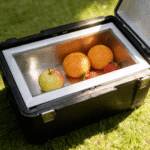
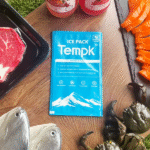
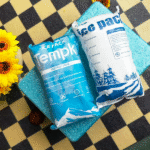
Emballez le poisson dans de la glace pilée ou des packs de gel pendant le transport et le stockage.. La NOAA recommande d'enterrer les poissons fraîchement pêchés dans la glace à 32 °F (0 °C) et les placer dans des glacières pour le transport. Reconstituez régulièrement la glace et assurez le drainage pour éviter que la chair ne soit gorgée d'eau..
Utilisez des conteneurs isothermes et surveillez la température. Conservez le poisson dans la partie la plus froide du réfrigérateur, à proximité 32 °F et évitez de laisser les fruits de mer à température ambiante.
Séparez les fruits de mer crus et cuits. Pour éviter la contamination croisée, conserver le poisson cru dans des contenants étanches sous les articles cuits ou prêts à manger.
Évitez les abus de température pendant la décongélation. Décongeler le poisson congelé au réfrigérateur ou sous l'eau froide courante, pas sur le comptoir, et fais-le cuire rapidement.
Comment les cadres réglementaires régissent-ils la chaîne du froid du poisson?
NOUS. FSMA et Code alimentaire
Le Loi sur la modernisation de la sécurité alimentaire (FSMA) les États-Unis transformés. réglementation de la sécurité alimentaire en déplaçant l’accent de la réaction vers la prévention. Pour la manipulation du poisson sous la chaîne du froid, les éléments clés de la FSMA sont:
Règle de transport sanitaire – nécessite des expéditeurs, chargeurs, les transporteurs et les récepteurs doivent utiliser des véhicules et des équipements qui maintiennent des températures appropriées et préviennent la contamination. Les procédures écrites doivent préciser les conditions de température, méthodes de surveillance et tenue de registres.
Règle de traçabilité des aliments (Section 204) – impose une tenue de registres supplémentaire pour certains aliments à haut risque, dont certains produits de la mer. Les entités doivent conserver les éléments de données clés (KDE) pour chaque événement de suivi critique (CTE) et fournissez ces informations dans 24 heures sur demande. La FDA a proposé de prolonger le délai de conformité initial de janvier 2026 à juillet 2028.
Programme de vérification des fournisseurs étrangers (FSVP) – les importateurs doivent vérifier que les fournisseurs étrangers respectent les normes américaines. normes de sécurité. Pour le poisson, cela inclut la vérification de la bonne gestion de la chaîne du froid et de la documentation.
Analyse des risques et points de contrôle critiques (HACCP) – les transformateurs de fruits de mer doivent suivre la réglementation Seafood HACCP, identifier les dangers (Par exemple, formation d'histamine, croissance d'agents pathogènes) et points de contrôle critiques (Par exemple, température de stockage, conditionnement). Le maintien de températures froides fait partie intégrante du contrôle de ces dangers.
Règlements européens sur l'hygiène et la traçabilité
Le cadre réglementaire de l’UE repose sur Règlement (CE) Non 852/2004 sur l'hygiène des denrées alimentaires et Règlement (CE) Non 853/2004, qui fixe des exigences spécifiques pour les produits de la pêche. Les points clés comprennent:
Maintenir la chaîne du froid – les aliments qui ne peuvent pas être stockés en toute sécurité à température ambiante doivent rester à des températures froides appropriées tout au long de la production, transport et stockage. Pour le poisson, cela signifie un refroidissement immédiat après la capture et une réfrigération continue.
Stockage sous glace – le poisson réfrigéré non emballé doit être conservé sous glace; le poisson frais emballé doit être réfrigéré à une température proche de la fonte de la glace.
HACCP et bonnes pratiques d'hygiène – les exploitants du secteur alimentaire doivent mettre en œuvre le système HACCP et tenir des registres démontrant leur conformité..
Traçabilité numérique – le système de contrôle des pêcheries de l’UE a été modernisé en janvier 2024, rendre obligatoires les déclarations électroniques de captures et la traçabilité numérique tout au long de la chaîne d’approvisionnement. Les importateurs doivent utiliser le système CATCH pour les certificats de capture d'ici janvier 2026.
Autres normes et certifications internationales
Codex Alimentarius fournit des lignes directrices internationales sur l’hygiène du poisson et des produits de la pêche, s'aligner sur les principes HACCP.
Consortium britannique de vente au détail (CRB) et des aliments sûrs et de qualité (SQF) les programmes de certification exigent des contrôles efficaces de la chaîne du froid et une traçabilité. Le 2025 la mise à jour note que ces normes exigent de plus en plus l'intégration de la surveillance IoT et des enregistrements numériques.
Loi sur la protection des mammifères marins (Mpamp) Dispositions d'importation – à partir de janvier 1 2026, les États-Unis. interdira les importations de poisson provenant de pêcheries dépourvues de mesures comparables de protection des mammifères marins. Bien que ce ne soit pas strictement une règle de la chaîne du froid, la conformité peut impliquer une documentation et une surveillance supplémentaires.
Pourquoi la traçabilité est-elle importante pour la conformité de la chaîne du froid?
La traçabilité garantit que chaque poisson peut être suivi depuis la capture jusqu'au consommateur.. Des enregistrements robustes aident à identifier les sources de contamination, vérifier que les contrôles de température ont été maintenus et soutenir les rappels si nécessaire. Dans 2025, la traçabilité est devenue non seulement une obligation réglementaire mais aussi un différenciateur sur le marché.
Lutter contre les erreurs d'étiquetage des fruits de mer
UN 2025 méta-analyse des États-Unis. fruits de mer a constaté qu'environ 39.1 % des fruits de mer échantillonnés étaient mal étiquetés, la substitution d'espèces représentant 26.2 %. Un étiquetage erroné implique souvent le remplacement de poissons coûteux par des espèces moins chères, ce qui peut masquer des problèmes de sécurité (Par exemple, risque d'histamine) et tromper les consommateurs. Un étiquetage précis nécessite une documentation de capture correspondante, numéros de lots, et identification des espèces grâce à des tests ADN. Le maintien des températures de la chaîne du froid contribue à préserver l’intégrité physique et génétique, faciliter l'identification.
Section FSMA 204: Éléments de données clés (KDE)
Selon la règle de traçabilité alimentaire de la FSMA, les entreprises doivent capturer et lier les KDE, tels que les codes de lot, descriptions de produits, dates de récolte, et relevés de température – pour chaque événement de suivi critique (recevoir, transformation, expédition). Ces dossiers doivent être fournis à la FDA dans les 24 heures de demande. Les systèmes numériques simplifient la conformité en automatisant la capture et la récupération des données.
Numérisation européenne et certificats de capture
L’UE 2024 la réforme impose l'enregistrement électronique et la traçabilité numérique complète de tous les produits de la pêche, y compris les certificats de capture, documents de transport et dossiers de traitement. À partir de janvier 9 2026, les importateurs doivent utiliser le ATTRAPER Outil informatique pour soumettre la documentation des captures. Le fait de ne pas fournir de documents vérifiables peut entraîner des refus d'importation ou des pénalités.. Une traçabilité efficace soutient également la demande des consommateurs en matière de durabilité et d'approvisionnement éthique..
Meilleures pratiques pour construire une chaîne du froid traçable
Sur la base des recommandations de l'industrie et Folio3 FoodTech lignes directrices pour 2025, les pratiques suivantes améliorent la traçabilité:
Documentation précise des captures – date d'enregistrement, temps, méthode de pêche, espèce et emplacement immédiatement après la récolte.
Identifiants de lots uniques – attribuer des numéros de lots, Codes QR ou étiquettes RFID pour chaque lot, mise à jour des relations parent-enfant lors du fractionnement ou de la fusion de lots.
Formats de données standardisés – adopter le codage GS1 et les modèles numériques partagés pour garantir la compatibilité des données tout au long de la chaîne d’approvisionnement.
Suivi en temps réel – utiliser le GPS, capteurs de température et blockchain pour surveiller le mouvement des produits et les conditions environnementales.
Formation et collaboration – sensibiliser toutes les parties prenantes sur leur rôle dans la traçabilité, fournir des outils numériques et maintenir une communication ouverte.
Ces pratiques réduisent les erreurs, accélérez les audits et vous aidez à répondre aux exigences de traçabilité de la FSMA et de l’UE.
Quels équipements et pratiques garantissent une manipulation sûre?
Véhicules, Conteneurs et surveillance de la température
Conformément à la règle de transport sanitaire de la FSMA, les expéditeurs doivent s'assurer que les véhicules et les équipements sont adaptés au maintien de la température des produits et à la prévention de la contamination.. Camions frigorifiques, conteneurs isolés, les packs de gel et la glace carbonique aident à maintenir la bonne plage de température. Les flottes modernes intègrent souvent Capteurs de température IoT qui fournissent des données en temps réel et des alertes lorsque des écarts se produisent. Chaîne de blocs et Analyses basées sur l'IA faciliter la maintenance prédictive et l’optimisation des itinéraires et des systèmes de refroidissement.
Emballé vs. Poisson non emballé
Comme indiqué, le poisson non emballé doit être conservé sous la glace, tandis que le poisson frais emballé peut être conservé légèrement plus chaud. L’atmosphère de l’emballage est importante: emballage sous atmosphère modifiée (CARTE) avec une réduction de l'oxygène et une augmentation du CO₂, il ralentit la croissance microbienne, permettant un stockage entre 3 et 5 °C sans compromettre la sécurité. Les sacs scellés sous vide prolongent également la durée de conservation en réduisant l'oxydation.
Prévenir la contamination croisée
Une contamination croisée peut se produire par contact avec d'autres aliments, surfaces ou eau. Les principales précautions comprennent:
Stockage séparé – conserver les poissons et crustacés crus à l’écart des produits cuits ou prêts à consommer.
Désinfecter les équipements et les surfaces – planches à découper propres, couteaux et récipients entre les utilisations. Utilisez des outils à code couleur pour séparer les fruits de mer crus et cuits.
Manipulation hygiénique – les employés doivent porter des gants, filets à cheveux et vêtements de protection; se laver les mains fréquemment; et évitez de toucher le visage ou d’autres surfaces.
Audits et formations réguliers – planifier des audits internes pour vérifier le respect des procédures d’hygiène et mettre à jour les formations en fonction des résultats.
Documentation et étalonnage
Maintenir thermomètres étalonnés et dispositifs d'enregistrement de la température est essentiel. Documenter les calendriers d'étalonnage, actions correctives et activités de maintenance. De nombreuses opérations intègrent des rappels d'étalonnage dans les systèmes de gestion numérique. En vertu de la FSMA, les enregistrements de surveillance de la température font partie du plan de contrôle préventif; des enregistrements inexacts ou manquants peuvent conduire à des citations.
Gérer les écarts de température à court terme
Des variations mineures de température peuvent survenir pendant le chargement, déchargement ou dysfonctionnement de l’équipement. Les directives réglementaires autorisent des écarts à court terme (Par exemple, 2–5 °C pour le poisson frais) si des mesures correctives sont prises rapidement. Les meilleures pratiques incluent:
Diagnostic et correction rapides – identifier la cause, ajuster l'équipement ou ajouter de la glace, et documenter l'incident.
Évaluer l'impact du produit – évaluer la qualité sensorielle et les risques potentiels pour la sécurité (Par exemple, formation d'histamine). Jeter le poisson montrant des signes de détérioration.
Enregistrer l'événement – enregistrer l’écart, actions correctives et résultats pour démontrer la diligence raisonnable lors des audits.
Comment sont 2025 Tendances et innovations façonnant la réglementation du poisson dans la chaîne du froid?
Surveillance en temps réel et IoT
Les progrès technologiques transforment la gestion de la chaîne du froid. Les capteurs IoT et les plateformes cloud fournissent désormais une température continue, données d'humidité et de localisation. Le 2025 Le rapport Arcadia Cold Storage indique que les entreprises utilisent de plus en plus capteurs intelligents, blockchain et IA pour suivre les expéditions en temps réel. Ces outils améliorent la traçabilité et permettent des réponses proactives aux écarts de température, réduire la détérioration et les rappels.
Protocole de surveillance normalisée de la température
En juillet 2025, le Alliance mondiale de la chaîne du froid (AMCC) et le Institut américain des aliments surgelés (AFFI) a publié un nouveau protocole pour standardiser la surveillance de la température tout au long de la chaîne d'approvisionnement des aliments surgelés. Le protocole fournit une approche unifiée, approche basée sur les données pour suivre les fluctuations de température de la production à la distribution et vise à améliorer l'efficacité opérationnelle, qualité et durabilité des produits. Il souligne les points de surveillance critiques, meilleures pratiques pour la gestion des données et mesures de base pour les recherches futures. La mise en œuvre de ce protocole aidera les entreprises à identifier et à corriger les écarts de température, optimiser la consommation d’énergie et soutenir la prolongation de la durée de conservation.
Techniques avancées de congélation
Les chercheurs étudient de nouvelles méthodes de congélation pour maintenir la qualité du poisson. Des techniques telles que congélation rapide individuelle (IQF), super effrayant, congélation cryogénique et congélation assistée par ultrasons peut réduire la formation de cristaux de glace, améliorer la texture et prolonger la durée de conservation. Les technologies de capteurs multifonctionnels et les systèmes IoT intégrés assurent une surveillance en temps réel de ces processus, améliorer la traçabilité et le contrôle qualité.
Traçabilité numérique et systèmes ERP
Les outils numériques sont au cœur de la gestion moderne de la chaîne du froid. Systèmes ERP avancés pour les produits de la mer, Prévisions basées sur l'IA et capteurs IoT améliorer la planification des récoltes, précision des stocks et prise de décision en temps réel, selon FoodTech 2025 rapport de tendances. Le rapport souligne également que le marché mondial des produits de la mer devrait atteindre USD 270.43 milliard dans 2025, à partir de USD 252.67 milliard dans 2024. Cette croissance, porté par une demande accrue et une premiumisation, augmente la surveillance réglementaire et souligne la nécessité de systèmes de chaîne du froid fiables.
Durabilité et réduction du gaspillage alimentaire
La durabilité est une priorité croissante. Le rapport Arcadia note une volonté de réduire la consommation d'énergie dans les entrepôts frigorifiques en abaissant les températures de stockage congelé de −18 °C à −15 °C et en utilisant des équipements économes en énergie.. Les emballages écologiques et les sources d’énergie renouvelables sont également à la mode.
En septembre 2025, le Parlement européen a approuvé un règlement contraignant ciblant un 10 % réduction du gaspillage alimentaire lors de la production/transformation et 30 % réduction au détail, restauration et ménages par 2030, mesuré par rapport à la référence 2021-2023. Pour le secteur des produits de la mer, atteindre ces objectifs nécessite d’investir dans l’optimisation de la chaîne du froid, emballage avancé et redistribution des aliments invendus mais sûrs. La loi sera transposée dans la législation nationale dans les 20 mois, inciter les entreprises à adopter des pratiques durables.
Attentes du marché et des consommateurs
Les consommateurs exigent de plus en plus de transparence, durabilité et preuve d’approvisionnement éthique. Alternatives végétales aux fruits de mer, les options de prêt-à-manger haut de gamme et l'étiquetage de provenance sont des tendances croissantes. Les outils de traçabilité numérique tels que les codes QR permettent aux acheteurs de suivre le parcours du poisson, de la capture à l'assiette., renforcer la confiance. Les entreprises qui répondent à ces attentes sont plus susceptibles de conquérir des parts de marché dans un environnement concurrentiel. 2025 paysage de fruits de mer.
Questions fréquemment posées
Q1: À quelle température dois-je conserver le poisson frais pendant le transport?
Conservez le poisson frais entre 0 °C et 2 °C (32–35,6 °F) en l'emballant dans de la glace pilée ou des packs de gel. Assurer une réfrigération continue et drainer l’eau de fonte pour empêcher la croissance bactérienne.
Q2: Combien de temps le poisson peut-il être conservé au-dessus 5 °C sans se gâter?
Les normes réglementaires exigent que les aliments froids restent à ≤ 5 °C. Des écarts à court terme allant jusqu'à 2 à 5 °C sont autorisés pour le poisson frais s'ils sont corrigés rapidement.. Exposition prolongée ci-dessus 5 °C augmente le risque de détérioration et d’histamine, les mesures correctives et l'évaluation sont donc obligatoires.
Q3: Dois-je conserver des enregistrements de surveillance de la température?
Oui. Conformément aux règles sanitaires de transport et de traçabilité alimentaire de la FSMA, vous devez documenter les conditions de température, actions correctives et éléments de données clés pour chaque événement critique. Les dossiers doivent être fournis à la FDA dans les 24 heures sur demande.
Q4: Comment puis-je éviter les erreurs d'étiquetage des produits de la mer?
Utiliser une documentation de capture précise, identifiants de lots uniques (Codes QR, Tags RFID), et des formats de données standardisés pour relier chaque produit à son origine. Les tests ADN et la vérification stricte des fournisseurs sont également utiles. Le contrôle de la température préserve la qualité et permet une identification correcte des espèces.
Q5: Quelle est la date limite pour la Section FSMA 204 conformité?
La FDA a proposé de prolonger la date de mise en conformité de la règle de traçabilité des aliments à Juillet 20 2028. Les entreprises devraient commencer dès maintenant à mettre en œuvre des systèmes de traçabilité numérique pour garantir leur préparation..
Q6: Comment le nouveau protocole GCCA affecte-t-il les entreprises de produits de la mer?
Le juillet 2025 un protocole standardise la surveillance de la température tout au long de la chaîne d’approvisionnement des aliments surgelés, fournir des conseils sur les points de surveillance critiques et la gestion des données. L’adoption du protocole peut améliorer l’efficacité, réduire la consommation d’énergie et soutenir les initiatives futures en matière de durée de conservation et de qualité.
Résumé et recommandations
Les réglementations sur la manipulation du poisson sous la chaîne du froid sont conçues pour protéger les consommateurs et maintenir la qualité des produits.. Les principaux points à retenir comprennent:
Contrôle strict de la température est fondamental. Conservez le poisson frais entre 0 °C et 2 °C, et poisson congelé à -18 °C ou moins. Les écarts à court terme doivent être corrigés immédiatement.
Se conformer à la FSMA, Règles UE et HACCP. Suivez la règle de transport sanitaire, Exigences en matière de traçabilité alimentaire et mandats de numérisation de l’UE. Adopter des plans HACCP axés sur la température comme point de contrôle critique.
Adoptez la traçabilité numérique et la surveillance en temps réel. Utiliser des capteurs, GPS et blockchain pour enregistrer la température et la localisation, et intégrer les données dans les systèmes ERP.
Investir dans la formation, hygiène et équipement. Prévenir la contamination croisée, maintenir les instruments calibrés et former le personnel à une manipulation sécuritaire.
Restez informé des tendances émergentes. Adopter le protocole GCCA/AFFI pour une surveillance standardisée de la température, explorer les techniques avancées de congélation, et s'aligner sur les initiatives de développement durable telles que les objectifs de réduction du gaspillage alimentaire de l'UE.
Plan d'action pour la conformité
Auditez votre chaîne du froid – Identifier les points de contrôle critiques, vérifier la capacité de l'équipement et corriger les lacunes. Veiller à ce que les véhicules et les conteneurs répondent aux normes FSMA et UE.
Mettre en œuvre la traçabilité numérique – Choisissez un ERP ou une plateforme de traçabilité robuste qui capture les KDE, intègre les données des capteurs et génère des rapports dans 24 heures.
Formez votre personnel – Assurer une formation régulière sur la surveillance de la température, tenue des dossiers et hygiène. Encourager la collaboration tout au long de la chaîne d’approvisionnement.
Examiner les accords avec les fournisseurs – Veiller à ce que les fournisseurs étrangers adhèrent aux normes américaines. et les réglementations de l'UE, y compris le contrôle de la température et la documentation. Le FSVP exige une vérification continue et des mesures correctives si nécessaire.
Surveiller les mises à jour réglementaires – Restez au courant des délais de conformité FSMA, Exigences de l’UE en matière de numérisation et nouveaux protocoles industriels. Rejoignez des associations industrielles comme la GCCA pour accéder à des conseils et à des formations..
Adopter des pratiques durables – Utiliser une réfrigération économe en énergie, programmes d’emballages et de dons alimentaires respectueux de l’environnement pour atteindre les objectifs de réduction des déchets. Explorez les méthodes de congélation avancées et les analyses IoT pour des opérations efficaces.
À propos du tempk
Tempk se spécialise dans solutions de gestion de la chaîne du froid pour l'industrie des produits de la mer. Nos conteneurs isothermes avancés, des capteurs de température en temps réel et un logiciel de traçabilité numérique vous aident à maintenir la conformité réglementaire et à prolonger la durée de conservation. Nous disposons d'une équipe d'experts du secteur qui se tiennent au courant des réglementations FSMA et européennes.. Nous travailler avec vous pour concevoir des solutions sur mesure qui protègent vos produits et réduisent les déchets. Nos clients apprécient notre équipement fiable, logiciel convivial et support réactif.
Entrer en contact
Prêt à renforcer votre chaîne du froid et à rencontrer 2025 règlements? Contactez-nous pour une consultation ou explorez notre gamme d'outils de surveillance de la température. Nous pouvons vous aider à construire une chaîne du froid résiliente et durable qui assure la sécurité du poisson et la satisfaction des consommateurs..