Logistique alimentaire sous chaîne du froid est l'épine dorsale invisible qui garde vos fruits croustillants, viande sûre et vaccins puissants. Alors que la demande mondiale de produits sensibles à la température augmente et que les réglementations se durcissent, maintenir des conditions précises de la fourche à la fourchette devient essentiel. Dans 2025 le marché mondial de la chaîne du froid alimentaire devrait atteindre 65,8 milliards de dollars américains, alors qu’un cinquième de l’approvisionnement alimentaire mondial est encore perdu ou gaspillé chaque année, coûte environ 1 000 milliards de dollars américains. Ce guide explique le fonctionnement de la logistique alimentaire sous chaîne du froid, pourquoi c'est important pour toi, les dernières technologies, des changements réglementaires comme FSMA 204, et des mesures pratiques pour améliorer vos opérations et réduire les déchets.

Qu'est-ce que la logistique alimentaire sous chaîne du froid et comment fonctionne-t-elle? – explorer les définitions et les normes de température avec des mots-clés à longue traîne tels que « définition de la logistique alimentaire de la chaîne du froid » et « plages de température pour les aliments de la chaîne du froid ».
Pourquoi les aliments de la chaîne du froid sont-ils importants pour vous? – mettre en avant les impacts sur le gaspillage alimentaire, sécurité et émissions de gaz à effet de serre.
Quelles tendances façonnent les aliments sous chaîne du froid 2025? – couvrant l’optimisation des itinéraires de l’IA, traçabilité de la blockchain, réfrigération à énergie solaire, conteneurs intelligents et surveillance de l'IoT.
Comment mettre en œuvre une stratégie de chaîne du froid réussie? – fournir les meilleures pratiques étape par étape pour la planification, surveillance, chargement, ségrégation, assainissement et actions correctives.
Quelles sont les dernières évolutions et réglementations du marché? – résumer les prévisions de croissance, tendances régionales et implications de la FSMA 204.
Réponses aux questions courantes – répondre aux requêtes de recherche fréquentes sur les aliments de la chaîne du froid.
Qu'est-ce que la logistique alimentaire de la chaîne du froid?
Logistique alimentaire sous chaîne du froid fait référence à la manipulation intégrée de produits sensibles à la température (comme la viande, laitier, fruit de mer, fruits, légumes et produits pharmaceutiques) à travers une série d'étapes de stockage et de transport réfrigérés pour maintenir leur qualité et leur sécurité. Contrairement à une chaîne d’approvisionnement classique, une chaîne du froid doit contrôler des plages de température spécifiques à chaque instant. Le Alliance mondiale de la chaîne du froid (AMCC) recommande que les spécifications écrites incluent des températures et des tolérances numériques – « à ne pas dépasser » (Limite de contrôle supérieure) et "pas en dessous" (Limite de contrôle inférieure)– plutôt que des termes vagues comme « congelé » ou « réfrigéré ». L'expéditeur, le chargeur et le transporteur partagent la responsabilité du maintien de ces températures pendant le transport.
Normes et catégories de température
De nombreux produits partagent des plages de température communes. D'après La Géographie des systèmes de transport, cinq normes principales dominent le transport sous chaîne du froid:
| Catégorie de température | Gamme | Produits typiques | Pourquoi ça compte pour toi |
| Congélateur | –25 à –30 °C | Fruit de mer (Par exemple, crevette), glace | Maintient des températures ultra basses pour préserver la texture et empêcher la croissance des cristaux de glace. Idéal pour les biens qui doivent rester solides comme le roc. |
| Congelé | –10 à –20 °C | Viande surgelée (bœuf, volaille, porc) et articles de boulangerie | Assure la stabilité des protéines et ralentit la croissance microbienne; utilisé pour la plupart des aliments surgelés. |
| Froideur | 2 à 4 °C | Viande fraîche, fruits et légumes | Prolonge la durée de conservation sans causer de dommages dus au gel; idéal pour les produits et les coupes fraîches. |
| Pharmaceutique | 2 à 8 °C | Vaccins et produits biologiques | Maintient la puissance des médicaments sensibles; ces produits voyagent souvent dans des emballages réfrigérés plus petits plutôt que dans des conteneurs ISO. |
| Banane/Tropical | 12 à 14 °C | Bananes, oranges, ananas, pommes de terre | Contrôle la maturation et prévient les dommages causés par le froid pour les fruits tropicaux. |
Ces catégories soulignent que des températures spécifiques sont importantes. Les directives écrites doivent inclure la gamme exacte du produit, ainsi qu'une fréquence de surveillance et des niveaux de tolérance convenus. Les plans qui font uniquement référence à « congelé » ou « réfrigéré » doivent être rejetés.
Comprendre les composants de la chaîne du froid
Une chaîne du froid alimentaire comprend généralement quatre étapes principales:
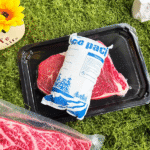
Pré-refroidissement et emballage – les produits sont rapidement refroidis après la récolte ou la production pour stopper la maturation naturelle et la croissance microbienne. Le pré-refroidissement est essentiel; le fait de ne pas refroidir les produits en quelques heures peut déclencher une détérioration rapide. Matériaux d'emballage (boîtes isolées, packs de gel, emballages sous vide) aider à maintenir la température requise.
Chambre froide – les entrepôts stockent les marchandises aux températures requises. Le stockage réfrigéré représente 58.6 % des revenus de la chaîne du froid alimentaire en 2025, motivé par une utilisation intensive dans la viande, entreposage de fruits de mer et de produits surgelés. Les installations de stockage frigorifique comprennent souvent des zones à températures multiples et des atmosphères contrôlées pour ralentir la respiration..
Transport réfrigéré – les marchandises voyagent via des camions frigorifiques, conteneurs ou fret aérien. Les options vont des véhicules utilitaires légers qui naviguent dans les zones urbaines aux grands conteneurs frigorifiques ISO pour le commerce mondial.. Les unités de transport doivent être prérefroidies, chargé rapidement et scellé pour éviter les fluctuations de température.
Surveillance et traçabilité – des capteurs, les enregistreurs de données et les systèmes télématiques suivent en permanence la température, humidité et emplacement. La surveillance compatible IoT permet des alertes en temps réel et des actions correctives lorsque des écarts se produisent, tandis que la blockchain peut enregistrer des données inviolables à des fins de traçabilité.
Exemple du monde réel: La demande laitière de l’Inde
En Inde, consommation laitière élevée par habitant (moyenne 427 g par personne et par jour par rapport à la moyenne mondiale de 305 g) a stimulé une croissance rapide des infrastructures de la chaîne du froid. Urbanisation croissante, l’agrandissement des restaurants à service rapide (QSR), et la demande d'aliments transformés ont créé un besoin urgent d'une logistique du froid fiable. Le secteur indien des QSR devrait croître 20–25 % au cours de l'exercice 2024. Sans réseaux de chaîne du froid robustes, lait, la crème glacée et autres produits laitiers pourraient se gâter pendant le transport, gaspiller à la fois des ressources et des revenus.
Pourquoi les aliments de la chaîne du froid sont-ils importants pour vous?
La chaîne du froid n’est pas seulement un mot à la mode dans l’industrie : elle a un impact direct sur votre portefeuille., votre santé et celle de la planète. Voici pourquoi:
Lutter contre le gaspillage et la perte alimentaires
Presque un cinquième de l’approvisionnement alimentaire mondial-vaut environ 1 000 milliards de dollars américains—est perdu ou gaspillé chaque année. Les pertes alimentaires surviennent tôt dans la chaîne d’approvisionnement (récolte, traitement, transport ou stockage) quand les produits se gâtent avant d'arriver chez les détaillants. Le gaspillage alimentaire se produit au niveau du consommateur ou du commerce de détail. La logistique de la chaîne du froid cible les pertes alimentaires en maintenant l'intégrité des produits de la ferme au marché. Des écarts de température, même de quelques degrés, peuvent réduire la durée de conservation de plusieurs jours ou semaines.; un froid constant réduit la détérioration, économiser de l'argent aux producteurs et aux distributeurs et garantir que davantage de produits alimentaires parviennent aux consommateurs. Des chaînes du froid efficaces réduisent également 8–10 % des émissions mondiales de gaz à effet de serre attribué aux pertes et au gaspillage alimentaires en empêchant les produits avariés de se décomposer dans les décharges.
Garantir la sécurité alimentaire et la santé publique
L'abus de température permet aux agents pathogènes de se multiplier. FSMA (Loi sur la modernisation de la sécurité alimentaire) les réglementations mettent l’accent sur le contrôle de la température et la traçabilité. Pour les aliments à haut risque sur le marché Liste de traçabilité des aliments, FSMA 204 (efficace Janvier 2026 avec le début des processus de conformité Janvier 2025) exige des entités qui fabriquent, processus, emballer ou conserver ces aliments pour conserver des traces de éléments de données clés pour événements de suivi critiques et fournissez ces informations dans 24 heures. La règle vise à retirer rapidement les aliments contaminés du marché et à réduire les maladies d'origine alimentaire.. Les chaînes du froid avec surveillance numérique aident les entreprises à respecter la FSMA 204 en enregistrant automatiquement les conditions et en créant des enregistrements inviolables.
Protéger la valeur financière et la résilience de la chaîne d’approvisionnement
Les défaillances de la chaîne du froid entraînent des pertes économiques importantes. Par exemple, les écarts de température peuvent dégrader la qualité des fruits, provoquant un ramollissement, meurtrissures et maturation indésirable. Dans le commerce international, les expéditions rejetées entraînent une perte de revenus et une réputation ternie. Par contre, les entreprises qui investissent dans des chaînes du froid modernes ont accès à de nouveaux marchés et à une durée de conservation prolongée. Les exportations de produits périssables ont augmenté 5.6 % chaque année entre 2018 et 2023, et la capacité des entrepôts réfrigérés de l’Inde a été augmentée 35 % entre 2020 et 2024, reflétant une tendance mondiale vers une infrastructure de chaîne du froid plus solide. La croissance du marché crée également des emplois – plus 26 800 nouveaux collaborateurs a rejoint le secteur de la chaîne du froid au cours de la dernière année, augmenter ses effectifs pour 576 300 personnes.
Réduire l’impact environnemental
L'amélioration de l'efficacité de la chaîne du froid réduit non seulement les déchets, mais également les émissions liées à la production et au transport inutiles.. Unités de réfrigération à énergie solaire, comme ceux déployés par Eja Ice Nigeria Limitée, réduire la dépendance aux combustibles fossiles et étendre la réfrigération aux régions hors réseau. Les matériaux d'emballage respectueux de l'environnement réduisent l'empreinte environnementale. L'optimisation des itinéraires en temps réel peut réduire la consommation de carburant et les émissions en ajustant les itinéraires en fonction du trafic et de la météo..
Principales tendances et technologies qui façonnent la chaîne du froid alimentaire 2025
La chaîne du froid évolue rapidement en réponse à une demande croissante, des réglementations plus strictes et des objectifs de développement durable. Voici les tendances les plus marquantes que vous devez connaître.
Optimisation des itinéraires basée sur l'IA
Intelligence artificielle (IA) révolutionne la logistique en analysant les schémas de trafic, prévisions météo et délais de livraison. L'optimisation des itinéraires basée sur l'IA permet des ajustements en temps réel qui réduisent la consommation de carburant, raccourcir les temps de transit et garantir que les livraisons restent dans les limites de température. Par exemple, Les algorithmes d'IA peuvent réorienter un camion pour éviter les embouteillages, préserver la qualité des produits et réduire les émissions. Cette technologie est particulièrement intéressante pour les livraisons du dernier kilomètre en zone urbaine., où les retards peuvent rapidement dégrader les marchandises périssables.
Blockchain pour une traçabilité améliorée
Technologie blockchain crée des enregistrements inviolables des parcours des produits. Chaque transaction, de la ferme au centre de distribution en passant par le détaillant, est stockée dans un registre sécurisé., améliorer la transparence et la confiance. Les solutions Blockchain garantissent le respect des réglementations comme la FSMA 204 en fournissant des données détaillées pour les événements de suivi critiques. Les consommateurs en profitent également; ils peuvent vérifier l'origine et la manipulation de leurs aliments, renforcer la confiance dans les promesses de la marque. Les entreprises mettant en œuvre la blockchain bénéficient également d’une protection contre les produits contrefaits et la fraude..
Réfrigération à énergie solaire et technologie verte
L’accès à une électricité fiable reste un défi dans de nombreuses régions. Les unités de chaîne du froid alimentées à l'énergie solaire offrent des solutions durables en utilisant des panneaux photovoltaïques pour alimenter les systèmes de réfrigération. Des entreprises telles que Eja Ice Nigeria Limitée déployer une réfrigération à énergie solaire pour réduire le gaspillage alimentaire et améliorer la sécurité alimentaire. Ces unités offrent une indépendance vis-à-vis des contraintes du réseau, des coûts d’exploitation réduits et une empreinte carbone réduite. L'intégration de l'énergie solaire avec le stockage par batterie garantit des températures constantes même pendant les périodes nuageuses ou pendant la nuit.
Léger, Conteneurs maritimes intelligents
Les innovations dans la conception des conteneurs ont produit léger, conteneurs maritimes isolés équipés de capteurs IoT. Ces conteneurs surveillent la température, humidité et localisation en temps réel, veiller à ce que les expéditions de denrées périssables restent dans des limites de sécurité. Les matériaux légers réduisent le poids d'expédition, réduire la consommation de carburant et les coûts de transport. En outre, les conceptions modulaires permettent aux conteneurs d'être empilés ou configurés pour des charges multi-températures, flexibilité croissante.
Systèmes de surveillance compatibles IoT
L'Internet des objets (IoT) transforme la surveillance de la chaîne du froid. Des capteurs intelligents enregistrent en continu les données environnementales : la température, l'humidité relative et les niveaux de gaz, et les transmettre aux plateformes cloud. Lorsque des écarts de température se produisent, Alertes basées sur l'IA déclencher des actions correctives avant que la détérioration ne s’installe. de Maersk Gestion des conteneurs à distance (MRC) la plateforme permet aux clients de visualiser les données en temps réel et d'identifier les besoins de maintenance. Environ 70 % des exportateurs de produits alimentaires en Amérique du Nord et en Europe utilisez désormais des solutions de surveillance numérique pour répondre aux normes de conformité.
Solutions d'emballage durables
Les emballages écologiques réduisent les déchets et répondent à la demande des consommateurs pour des produits plus écologiques. Les entreprises développent des matériaux isolants recyclables et des packs de gel biodégradables pour remplacer la mousse et le plastique traditionnels.. Les nouveaux matériaux maintiennent également les performances thermiques, Assurer la sécurité des produits. Les systèmes de conteneurs réutilisables pour la livraison de produits d'épicerie en ligne réduisent les emballages à usage unique. Les emballages durables s'alignent sur les objectifs ESG de l'entreprise et peuvent bénéficier d'incitations réglementaires ou de programmes de fidélisation des consommateurs..
Moteurs de croissance et paysage du marché
Le marché de la chaîne du froid alimentaire devrait connaître une croissance robuste. Persistence Market Research estime que le marché passera de 65,8 milliards de dollars américains 2025 à 205,3 milliards de dollars d'ici 2032, réaliser un taux de croissance annuel composé (TCAC) de 17.5 %. Les principaux facteurs comprennent:
Demande croissante d’aliments transformés et surgelés – la consommation mondiale d’aliments transformés a augmenté plus que 30 % depuis 2018, surtout dans les économies émergentes. L’urbanisation et les changements de mode de vie stimulent la demande de plats préparés et de produits surgelés.
Expansion des épiceries électroniques et des restaurants à service rapide – la pénétration de l'épicerie en ligne devrait dépasser 20 % des ventes mondiales de produits alimentaires par 2030, stimuler les investissements dans les infrastructures d’entreposage frigorifique et de livraison.
Des réglementations strictes en matière de sécurité alimentaire – Les réglementations FSMA et Union européenne exigent une traçabilité numérique et un contrôle de la température. Les entreprises investissent dans l’IoT et la blockchain pour se conformer.
Croissance des exportations de produits périssables – exportations de viande, les fruits de mer et les produits frais ont augmenté 5.6 % chaque année à partir de 2018 à 2023. Les investissements dans les infrastructures de la chaîne du froid permettent aux pays d’exploiter les marchés internationaux.
Investissement dans les infrastructures durables – Des entreprises leaders comme Lineage Logistics, Americold et Snowman Logistics ont annoncé des extensions d'une valeur de plus de 5 milliards de dollars américains entre 2023 et 2025 pour l'automatisation, réfrigération verte et installations alimentées par des énergies renouvelables.
Dynamique régionale – Commandes d’Amérique du Nord 32 % de la part de marché mondiale de la chaîne du froid alimentaire en 2025, grâce à une infrastructure avancée et à des réglementations strictes en matière de sécurité alimentaire. L’Asie-Pacifique est la région à la croissance la plus rapide, porté par les investissements dans les entrepôts frigorifiques en Chine et en Inde.
| Mesure du marché | Valeur (2025) | Implication |
| Taille du marché mondial de la chaîne du froid alimentaire | 65,8 milliards de dollars américains | Indique l’ampleur des opportunités commerciales pour les prestataires de services de la chaîne du froid. |
| Valeur marchande prévue 2032 | 205,3 milliards de dollars américains | Démontre un potentiel de croissance à long terme (17.5 % TCAC). |
| Part du stockage réfrigéré | 58.6 % | Suggère une forte demande d’entrepôts frigorifiques et un potentiel d’automatisation. |
| Part de volume de marché du segment congelé | 59.7 % | Souligne la popularité des aliments surgelés et la nécessité d'installations de surgélation. |
| Région leader en 2025 | Amérique du Nord (32 % partager) | Reflète une infrastructure et un environnement réglementaire matures. |
| Région à la croissance la plus rapide | Asie-Pacifique | Cela met en évidence des investissements rapides dans la logistique du stockage frigorifique et du commerce électronique. |
| Croissance annuelle de la recherche mondiale | 19.06 % | Indique un intérêt et une sensibilisation croissants aux technologies de la chaîne du froid. |
| Nombre de brevets | 2800+ brevets | Signale une forte innovation; de nouvelles technologies arrivent régulièrement sur le marché. |
| Nombre de cycles de financement | 1880+ tours, en moyenne 56,2 millions de dollars américains | Démontre un investissement actif et un financement de risque dans les startups de la chaîne du froid. |
Étude de cas: Programme britannique d'exportation de produits laitiers
Les programmes de commerce international stimulent la demande de logistique sous chaîne du froid. Le Programme britannique d’exportation de produits laitiers du gouvernement britannique, lancé dans 2023 avec le soutien de 1,2 million de dollars américains, cherche à stimuler les exportations laitières britanniques actuellement évaluées à plus de 2,47 milliards de dollars américains par an à 135 pays. Augmentation des exportations de beurre et de fromage vers les marchés asiatiques (Par exemple, un 7 % hausse des importations chinoises de beurre en 2022) nécessitent des réseaux de chaîne du froid fiables pour protéger la qualité des produits pendant les longs voyages. De tels programmes illustrent comment la politique commerciale et les campagnes de marketing peuvent accroître la demande de services de chaîne du froid dans le monde entier..
Mettre en œuvre une stratégie de chaîne du froid réussie: Guide étape par étape
L’établissement d’une chaîne du froid efficace nécessite plus que du matériel : cela demande de la planification, formation et suivi continu. Les bonnes pratiques suivantes, tiré de la Guide des meilleures pratiques de la chaîne du froid de l'AMCC et d'autres sources faisant autorité, vous aidera à concevoir une chaîne du froid robuste.
1. Élaborer des spécifications écrites claires
Définir des plages de températures exactes: Vos spécifications doivent inclure des points de consigne numériques, limites supérieures de contrôle (UCL) et limites de contrôle inférieures (LCL) plutôt que des termes génériques comme « congelé » ou « réfrigéré ». Spécifier les tolérances et les unités de mesure (°C ou °F).
Convenir des paramètres de surveillance: L'expéditeur et le transporteur doivent se mettre d'accord sur la fréquence de collecte des données., tolérances autorisées et méthodes de transmission de données pour les dispositifs de surveillance. Par exemple, collecter des données de température tous les 15 minutes et transmettre via le réseau cellulaire.
Inclure des actions correctives: Les spécifications écrites doivent indiquer comment gérer les écarts de température, y compris des évaluations basées sur les risques des temps d'exposition et des critères pour déterminer quand la sécurité alimentaire est compromise. Définir qui inspectera le produit et comment décider de la disposition du produit.
Aborder la ségrégation et les allergènes: Fournir des instructions sur le mélange de marchandises (Par exemple, éviter d'empiler des produits frais sous la volaille) et étiqueter clairement les produits contenant des allergènes. Les charges mixtes nécessitent une attention particulière pour éviter la contamination croisée.
2. Utiliser un équipement approprié et pré-refroidir les véhicules
Choisissez des unités de transport adaptées: Sélectionnez un équipement qui maintient la plage de température requise et permet une bonne circulation de l'air.. Les véhicules multi-températures permettent différents compartiments pour les produits réfrigérés et surgelés.
Remorques et conteneurs pré-refroidis: Prérefroidir les véhicules au point de consigne avant le chargement pour éviter que les intérieurs chauds n'élèvent la température des produits..
Surveiller la maintenance des équipements: Effectuer des inspections régulières avant le départ, nettoyage et entretien (PTI). Les transporteurs doivent conserver les dossiers de nettoyage (Par exemple, laver les billets) pour prouver la conformité sanitaire.
3. Optimiser les procédures de chargement
Mettre en scène correctement les produits: Les palettes doivent être mises en scène à des températures appropriées avant le chargement. S'assurer que la chambre froide et l'intérieur du véhicule sont alignés pour minimiser les chocs thermiques.
Charger rapidement et sceller correctement: Minimiser les ouvertures de porte; utiliser des rideaux d'air ou des rideaux à lanières pour réduire le gain de chaleur. Confirmez que les portes ferment hermétiquement et que les serrures sont sécurisées.
Séparer les marchandises incompatibles: Utilisez des cloisons ou des compartiments séparés pour différents produits. Éloignez les produits contenant des allergènes des produits frais.
4. Mettre en œuvre une surveillance et une traçabilité continues
Installer des capteurs IoT: Placer des capteurs de température et d'humidité sur les palettes et à l'intérieur des compartiments des véhicules. Utilisez des trackers GPS pour surveiller l'emplacement et les heures d'arrivée estimées.
Activer les alertes en temps réel: Configurez des alertes pour avertir les gestionnaires lorsque les températures approchent de l'UCL ou du LCL. Les algorithmes d'IA peuvent suggérer des actions correctives, comme l'ajustement des paramètres de réfrigération ou le réacheminement vers l'installation de stockage frigorifique la plus proche.
Tirer parti de l’analyse des données: Analyser les profils de température historiques pour identifier les points faibles (Par exemple, longs temps d'arrêt aux quais, dysfonctionnements de l'équipement). Utiliser l'analyse pour améliorer la planification et la maintenance préventive.
Adoptez la blockchain ou les plateformes cloud: Enregistrer les événements critiques (chargement, départ, arrivée) et les données de température dans un registre sécurisé. Cela améliore la traçabilité et simplifie la conformité à la FSMA. 204.
5. Planifier les écarts et les actions correctives
Aucun système n'est parfait, alors prévoyez les imprévus:
| Déviation potentielle | Action recommandée | Résultat |
| La température dépasse l'UCL pendant une durée cumulée spécifiée | Lancer une évaluation des risques; déterminer le temps d'exposition et le type de produit. Inspecter les marchandises, échantillonner les températures et suivre les procédures écrites de disposition (Par exemple, détourner vers la récupération ou refroidir). | Empêche les produits dangereux d'atteindre les consommateurs. |
| Panne de courant ou panne d’équipement | Passez à l’alimentation de secours ou déplacez la cargaison vers une autre unité réfrigérée. Utiliser des enregistreurs de données portables pour maintenir la surveillance. | Maintient l’intégrité du produit pendant les temps d’arrêt inattendus. |
| Panne de capteur ou de transmission de données | Effectuer des contrôles manuels de température à intervalles convenus jusqu'à ce que les capteurs soient de nouveau en ligne. Documenter les lectures manuelles pour la traçabilité. | Assure une surveillance continue même en cas de défaillance technologique. |
| Risque de contamination croisée identifié | Arrêter le chargement; supprimer l'élément incriminé; zone propre et désinfectée; séparer correctement les marchandises. | Assure la sécurité alimentaire et le contrôle des allergènes. |
Conseils pratiques et recommandations
Pour les petits producteurs: Investissez dans des unités de pré-refroidissement portables et des conteneurs isolés pour refroidir et transporter rapidement les produits. Collaborez avec des prestataires logistiques locaux de la chaîne du froid pour la livraison du dernier kilomètre.
Pour les distributeurs et les détaillants: Former le personnel aux procédures appropriées de manutention et de chargement. Utilisez des camions multi-températures et la surveillance IoT pour garantir la conformité. Élaborer des spécifications écrites avec les fournisseurs et les transporteurs.
Pour les exportateurs: Familiarisez-vous avec la Food Traçability List et la FSMA 204 exigences. Adoptez la blockchain ou les plateformes numériques pour enregistrer les événements de suivi critiques et partager les données avec les régulateurs du sein. 24 heures.
Étude de cas: Un distributeur alimentaire a mis en œuvre des capteurs IoT et des alertes basées sur l'IA pour ses expéditions de baies. Après la panne d'une unité de réfrigération pendant le transport, le système a immédiatement informé l'équipe des opérations. Ils ont détourné le camion vers l'entrepôt frigorifique le plus proche., économiser 35 $ US 000 en termes de perte potentielle de produits et de maintien des livraisons à temps : un exemple clair de la manière dont la surveillance en temps réel protège vos résultats..
2025 Derniers développements et perspectives futures
Résumé de 2025 tendances
Le secteur de la chaîne du froid connaît une innovation et une croissance sans précédent. Voici un aperçu concis des derniers développements:
Expansion du marché: Le marché mondial de la chaîne du froid alimentaire va croître 65,8 milliards de dollars américains 2025 à 205,3 milliards de dollars d'ici 2032 (17.5 % TCAC). L'Amérique du Nord reste le plus grand marché (32 %), tandis que l'Asie-Pacifique connaît la croissance la plus rapide.
Évolution technologique: Optimisation des itinéraires grâce à l'IA, traçabilité de la blockchain, la réfrigération à énergie solaire et la surveillance basée sur l'IoT passent du stade de projets pilotes à leur adoption généralisée. Les emballages durables et les conteneurs légers améliorent l'efficacité et réduisent l'impact environnemental.
Paysage réglementaire: FSMA 204 nécessite une traçabilité et une tenue de registres en temps réel pour les aliments à haut risque à partir de 2025, avec une date de conformité en 2026. Les entreprises investissent dans les systèmes numériques pour répondre à ces exigences.
Forte hausse des investissements: Sur 5 milliards de dollars américains s'est engagé à développer durablement la chaîne du froid entre 2023 et 2025, se concentrer sur l'automatisation, réfrigération verte et énergies renouvelables. Le financement à risque est robuste, avec 1880+ cycles de financement d'un montant moyen de 56,2 millions de dollars américains.
Tendances de consommation: La demande d'aliments transformés et surgelés a augmenté de 30 % depuis 2018, et les ventes d'épicerie en ligne devraient dépasser 20 % des ventes totales d'épicerie par 2030. L'influence des médias sociaux et l'évolution des habitudes alimentaires stimulent la demande de nouveaux produits.
De nouvelles opportunités: Élargir les programmes de commerce international, comme le programme britannique d'exportation de produits laitiers, ouvrir de nouveaux marchés et exiger des chaînes du froid fiables. Principales entreprises de la chaîne du froid – Americold, Lignée, NICHERI, Burris Logistique, Maersk, Groupe Tippmann, Coldman Logistics et United States Cold Storage augmentent leur capacité pour répondre à la demande mondiale.
Insistance au marché
Talent et main-d'œuvre: Avec plus de 576 300 salariés dans le secteur de la chaîne du froid, l'industrie est un employeur important. Les compétences requises incluent l'analyse de données, génie frigorifique, coordination logistique et conformité réglementaire.
Pipeline d’innovation: Plus que 2800 brevets ont été enregistrés dans les technologies de la chaîne du froid, montrant une forte dynamique d’innovation. Des startups axées sur la réfrigération naturelle, réseaux thermodynamiques, les chaînes du froid de la pêche et le suivi des vaccins illustrent la diversification.
Recherche et sensibilisation: L'intérêt mondial pour les recherches annuelles a augmenté 19.06 %, indiquant que de plus en plus d'entreprises et de consommateurs recherchent des informations sur les solutions liées à la chaîne du froid. Cette tendance génère des opportunités de marketing de contenu numérique.
Questions fréquemment posées (FAQ)
Qu'est-ce qu'une chaîne du froid et pourquoi est-elle importante pour les aliments?
Une chaîne du froid est une chaîne d'approvisionnement à température contrôlée qui préserve les produits périssables de la production à la consommation.. Il évite la détérioration et prolonge la durée de conservation, garantir que les aliments restent sûrs et nutritifs tout en réduisant les déchets et les émissions.
Quelles plages de températures sont utilisées dans la chaîne du froid alimentaire?
Les plages courantes incluent congélateur (–25 à –30 °C) pour les fruits de mer et les glaces, congelé (–10 à –20 °C) pour la viande, froideur (2 à 4 °C) pour les fruits et la viande fraîche, pharmaceutique (2 à 8 °C) pour les vaccins, et tropical/banane (12 à 14 °C) pour bananes et autres fruits tropicaux.
Comment la FSMA 204 affecter mes opérations de chaîne du froid?
FSMA 204 exige que les entreprises manipulant des aliments à haut risque figurant sur la liste de traçabilité des aliments conservent des enregistrements des éléments de données clés (lieux, fois, températures) pour les événements de suivi critiques et les fournir à la FDA dans les délais 24 heures. La mise en conformité commence en janvier 2025 avec des inspections de routine commençant après le mois de janvier 2026 date limite..
Quelles technologies transforment la chaîne du froid 2025?
Optimisation des itinéraires grâce à l'IA, traçabilité de la blockchain, réfrigération à énergie solaire, les conteneurs légers compatibles IoT et les emballages durables remodèlent la logistique de la chaîne du froid. Ces outils améliorent l’efficacité, réduire les émissions et soutenir la conformité réglementaire.
Comment les petites entreprises peuvent-elles bénéficier des solutions de chaîne du froid?
Les petits producteurs peuvent investir dans des unités de pré-refroidissement portables et s'associer à des fournisseurs de chaîne du froid intégrés pour accéder à des camions multi-températures et à la surveillance IoT.. La traçabilité numérique contribue à assurer la conformité sans investissements importants en capital, et l'amélioration de la qualité des produits permet l'entrée sur de nouveaux marchés.
Quels sont les défis du maintien d’une chaîne du froid?
Les défis incluent les pannes d’équipement, pannes de courant, erreur humaine lors du chargement, et assurer la propreté et la séparation. Entretien régulier, entraînement, une surveillance en temps réel et des spécifications écrites claires avec des actions correctives sont essentielles.
Les chaînes du froid contribuent-elles à réduire les émissions de gaz à effet de serre?
Oui. En minimisant les pertes et le gaspillage alimentaires, responsables de 8–10 % des émissions mondiales de gaz à effet de serre—les chaînes du froid réduisent la production inutile et les émissions de méthane provenant des aliments en décomposition. La réfrigération à énergie solaire et l'optimisation des itinéraires réduisent encore les émissions.
Résumé et recommandations
Principaux à retenir
Le secteur de la logistique alimentaire sous chaîne du froid est en plein essor, avec un marché mondial qui devrait atteindre 65,8 milliards de dollars américains 2025 et 205,3 milliards de dollars d'ici 2032. L'Amérique du Nord est en tête avec un 32 % part de marché, tandis que l’Asie-Pacifique est la région à la croissance la plus rapide.
Le gaspillage alimentaire reste un problème majeur...un cinquième de la nourriture mondiale est perdu ou gaspillé chaque année, mais la logistique de la chaîne du froid peut réduire considérablement la détérioration et les émissions de gaz à effet de serre. Le maintien de plages de température spécifiques et un refroidissement rapide sont essentiels au succès.
Des innovations telles que l'optimisation des itinéraires par l'IA, blockchain, réfrigération à énergie solaire, les conteneurs intelligents et la surveillance de l'IoT transforment le secteur. Les entreprises qui adoptent ces technologies gagnent en efficacité, avantages en matière de conformité et de durabilité.
Des réglementations comme FSMA 204 exiger des dossiers de traçabilité détaillés pour les aliments à haut risque, nécessitant une surveillance numérique et une gestion sécurisée des données.
Les meilleures pratiques incluent l'élaboration de spécifications écrites claires avec des plages de température numériques., équipement de pré-refroidissement, chargement et séparation appropriés, surveillance continue, et plans d'actions correctives. La formation et la collaboration avec les partenaires logistiques sont essentielles.
Prochaines étapes réalisables
Évaluez votre chaîne du froid actuelle – Auditer vos équipements de contrôle de température, systèmes de surveillance et spécifications écrites. Identifier les écarts par rapport à l'UCL/LCL et aux directives d'actions correctives.
Investissez dans la technologie de surveillance – Implémenter des capteurs IoT, systèmes d'alerte en temps réel et plateformes de données pour satisfaire la FSMA 204 exigences. Commencez par des programmes pilotes et évoluez en fonction du retour sur investissement.
Formez votre équipe – Fournir une formation régulière sur les procédures de chargement appropriées, nettoyage de l'équipement, séparation des marchandises, manipulation des allergènes et protocoles d’urgence.
Collaborer avec des partenaires logistiques intégrés – Choisissez des fournisseurs dotés d’optimisation d’itinéraires IA et de capacités de blockchain ou de traçabilité numérique. Pour le commerce international, garantir que les partenaires respectent les réglementations de destination et peuvent livrer la documentation rapidement.
Adopter des pratiques durables – Explorez la réfrigération à énergie solaire, emballage écologique et optimisation des itinéraires pour réduire l’impact environnemental. Communiquer les efforts de développement durable aux clients pour instaurer la confiance.
À propos du tempk
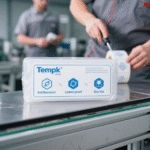
Nous sommes Tempk, une entreprise technologique spécialisée dans les solutions de chaîne du froid qui assurent la sécurité de vos produits, conforme et durable. Avec des années d'expérience dans la surveillance de la température, IoT et logistique, nos systèmes intégrés vous aident à contrôler tous les aspects de votre chaîne du froid. Nos solutions incluent des enregistreurs de données portables, des plateformes de surveillance en temps réel et des tableaux de bord analytiques qui assurent la conformité à la FSMA 204 facile. Nous investissons dans la recherche et l'innovation, travailler avec des partenaires de l'industrie pour intégrer les dernières avancées, telles que l'optimisation des itinéraires par l'IA et la réfrigération à énergie solaire, dans des outils pratiques pour votre entreprise.
Appel à l'action: Prêt à améliorer votre chaîne du froid? Contactez l'équipe Tempk dès aujourd'hui pour une évaluation sur mesure et découvrez comment nos solutions peuvent vous faire économiser de l'argent., réduisez les déchets et gardez vos clients satisfaits.