Comment la logistique des aliments surgelés sous la chaîne du froid assure-t-elle la sécurité des produits 2025?
Dernière mise à jour: 30 Novembre 2025
Maintenir une robustesse logistique des aliments surgelés sous chaîne du froid le système n'a jamais été aussi important. Dans 2025 le marché mondial de la chaîne du froid devrait atteindre environ USD 252.89 milliards de dollars et le segment de l'alimentation et des boissons à lui seul pourrait croître d'environ 100 milliards de dollars. 90.81 milliards en 2025 en USD 219.44 milliards 2034. Pourtant, un mauvais contrôle de la température provoque toujours 14 % de la nourriture mondiale à perdre entre la récolte et la vente au détail. Ce guide explique comment la logistique de la chaîne du froid protège les aliments surgelés, décrit les dernières tendances du marché et de la technologie, et fournit des étapes pratiques pour vous aider à construire une chaîne d'approvisionnement résiliente. Toutes les recommandations sont basées sur les recherches actuelles et les orientations réglementaires pour 2025, afin que vous puissiez garantir la qualité en toute confiance et vous conformer aux normes en évolution.
Que signifie la logistique des aliments surgelés sous la chaîne du froid et pourquoi c'est important: découvrez comment les étapes à température contrôlée, de la récolte à la vente au détail, préservent la qualité et réduisent les déchets.
Catégories de température et plages de sécurité alimentaire: découvrez les différences entre la surgélation, congelé, zones réfrigérées et ambiantes et quels aliments elles conviennent.
Taille du marché, moteurs de croissance et réglementations: explorer les projections du marché, les tendances régionales et 2025 paysage réglementaire, y compris la FSMA 204 et HACCP.
Des technologies qui transforment la logistique des produits surgelés: comparer les capteurs IoT, RFID, Outils basés sur le GPS et l'IA pour une visibilité en temps réel et des analyses prédictives.
Durabilité et tendances futures: voyez comment la logistique verte, le passage à −15 °C et les produits d’origine végétale remodèlent l’industrie.
Bonnes pratiques étape par étape: suivre les conseils pratiques pour recevoir, stockage, conditionnement, transport et contrôle des aliments surgelés.
FAQ et recommandations: trouvez des réponses aux questions courantes et des conseils pratiques pour améliorer vos opérations.
Qu'est-ce que la logistique des aliments surgelés sous la chaîne du froid et pourquoi est-elle essentielle?
Logistique des produits surgelés sous chaîne du froid fait référence à un système coordonné de procédés à température contrôlée—de la récolte et du pré-refroidissement au stockage, transport et livraison – qui préserve la qualité, sécurité et valeur nutritionnelle des aliments surgelés. Sans contrôle continu de la température, produits décongelés, les microbes se multiplient et la perte de nutriments s’accélère. MarketDataForecast estime que près de 14 % de l'alimentation mondiale est perdu en raison d'une gestion inadéquate de la température. Les États-Unis. Le Bureau du recensement a indiqué que plus de USD 2.7 des milliers de milliards de marchandises à température contrôlée ont été expédiées par camion en 2022, représentation 90 % de toutes les expéditions à température contrôlée, ce qui souligne l'ampleur et l'importance de la logistique de la chaîne du froid.
Comment fonctionne la chaîne du froid
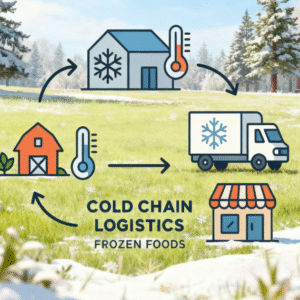
À la base, la logistique de la chaîne du froid fonctionne comme une course de relais: chaque étape doit maintenir le relais (contrôle de la température) sans plus tarder. Les étapes typiques comprennent:
| Scène | Ce qui se produit | Pourquoi ça compte |
| Récolte & Pré-refroidissement | Les produits sont récoltés ou transformés et rapidement refroidis à des températures de stockage idéales. Le pré-refroidissement arrête la respiration et la croissance microbienne. | Les retards à ce stade entraînent une détérioration rapide et des pertes de qualité.. |
| Entreposage frigorifique | Les marchandises sont stockées dans des entrepôts réfrigérés ou des centres de distribution. Dans 2024, chambre froide représentée 55.66 % du marché de la chaîne du froid alimentaire. | Fournit un stock tampon en vrac pour la viande, fruits de mer et produits; un stockage inapproprié provoque des points chauds et de la condensation. |
| Transport | Les produits voyagent via des camions réfrigérés, conteneurs maritimes, wagons et fret aérien. La surveillance en temps réel garantit que les températures restent dans les limites définies pendant les transferts multimodaux. | Toute rupture de chaîne entraîne un dégel, recongélation et perte de produit. |
| Distribution & Vente au détail | Les marchandises sont déchargées, stocké dans des zones de transit et transféré vers des congélateurs de vente au détail. La gestion des consommateurs complète la chaîne. | Le transit final doit être rapide pour éviter les chocs thermiques; l'étiquetage et la documentation assurent la traçabilité. |
Catégories de température et sécurité alimentaire
Différents aliments nécessitent des plages de température spécifiques pour maintenir leur qualité. Comprendre ces catégories vous aide à choisir le bon équipement et le bon emballage:
| Catégorie | Gamme (°C/°F) | Aliments typiques | Ce que cela signifie pour vous |
| Congélateur | En dessous de −25 °C (−13 °F) | Glace, fruits de mer de qualité sushi | Empêche les cristaux de glace et préserve la texture. |
| Congelé | −10 °C à −20 °C (−14 °F à 0 °F) | Légumes surgelés, viande | Maintient la texture et prévient la croissance microbienne. |
| Glacé | 2 °C à 4 °C (35 °F à 39 °F) | Produits frais, laitier | Maintient le croustillant et inhibe la croissance bactérienne. |
| Banane (spécial) | 12 °C à 14 °C (53 °F à 57 °F) | Bananes | Évite le brunissement et garantit la qualité. |
| Réfrigéré | 2 °C à 7 °C (35 °F à 45 °F) | Fruits, laitier | Préserve la fraîcheur; maintenir l’humidité pour éviter la déshydratation. |
| Ambiance contrôlée | 10 °C à 21 °C (50 °F à 70 °F) | Chocolat, vin | Empêche la fusion ou les changements chimiques. |
Conseils pour maintenir le contrôle de la température:
Pré-refroidir les marchandises avant le chargement. Les remorques frigorifiques maintiennent plutôt que créent des températures froides.
Contrôler l'humidité. Surveiller l'humidité pour éviter la condensation sur les produits et les emballages.
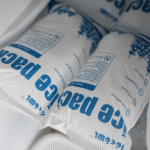
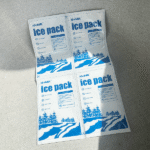
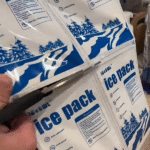
Utiliser un emballage thermique validé. Packs de gel, les matériaux à changement de phase et les conteneurs isolés maintiennent les températures cibles.
Implémenter des remorques multi zones. Des compartiments séparés maintiennent les articles réfrigérés et congelés à des températures distinctes.
Empilez correctement les produits. Assurer la circulation de l'air en laissant de l'espace autour des emballages et en évitant les bouches d'aération bloquées.
Equiper les dispositifs de surveillance. Les indicateurs de température et les balises intelligentes fournissent des alertes visuelles si les seuils sont dépassés.
Exemple du monde réel: Un exportateur d'agrumes a installé des emballages isothermes et des capteurs IoT dans des conteneurs frigorifiques. Les données de température ont alerté le personnel lorsqu'une porte de camion était laissée ouverte, éviter la détérioration et sauvegarder l’envoi.
Quelle est la taille du marché et quels segments sont en croissance?
Le secteur de la logistique sous chaîne du froid est en plein essor. Une étude de Custom Market Insights citée par Food Shippers of America indique que le marché mondial de la logistique de la chaîne du froid était évalué à plus de dollars américains 321 milliards en 2023, devrait dépasser USD 368 milliards en 2024, et pourrait surpasser USD 1.245 mille milliards par 2033, reflétant un 14.5 % taux de croissance annuel composé (TCAC). Fortune Business Insights offre une vue similaire: le marché était USD 293.58 milliards en 2023, devrait atteindre USD 324.85 milliards en 2024 et USD 862.33 milliards 2032 avec un 13 % TCAC.
Facteurs du marché
Plusieurs facteurs alimentent cette croissance:
Expansion du commerce alimentaire mondial: La demande d’aliments périssables et la mondialisation nécessitent une infrastructure de chaîne du froid robuste pour préserver la qualité.
Commerce électronique et vente au détail d'épicerie en ligne: De plus en plus de consommateurs commandent des aliments frais et surgelés en ligne, demande croissante de transport et d’entreposage sensibles à la température.
Avancées technologiques: Traçabilité de la blockchain, Surveillance de l'IoT, une réfrigération avancée et un emballage intelligent améliorent la transparence et réduisent la détérioration.
Marchés émergents et urbanisation: La hausse des revenus et la croissance des populations urbaines en Asie et en Amérique latine créent des opportunités pour la logistique de la chaîne du froid.
Des réglementations plus strictes: FSMA, HACCP et règles similaires imposent des exigences plus strictes en matière de surveillance de la température et de tenue de registres.
Segmentation et tendances du marché
Les revenus de la chaîne du froid proviennent à la fois du stockage et du transport. Dans 2024 installations de stockage frigorifique commandées environ 55.66 % du marché de la chaîne du froid alimentaire. Cependant, le transport connaît une croissance plus rapide à mesure que les fournisseurs investissent dans des flottes multi-températures et des réseaux du dernier kilomètre. D'autres tendances notables incluent:
Les aliments réfrigérés dominent les revenus dans 2024 avec un 60.15 % partager, alors que les aliments surgelés devraient voir 15.49 % TCAC à 2030.
Croissance régionale: L’Amérique du Nord représente actuellement la plus grande part des revenus de la logistique de la chaîne du froid, mais les marchés de l'Asie-Pacifique devraient connaître une croissance supérieure à 16 % TCAC en raison de la hausse des revenus et de l’adoption du commerce électronique.
Aliments à base de plantes et spécialités: Un rapport de Maersk note que les produits à base de protéines végétales pourraient capturer 7.7 % du marché mondial des protéines par 2030 avec une valeur supérieure à USD 162 milliard. Ces produits proviennent souvent de petits et moyens producteurs qui ont besoin de partenaires fiables dans la chaîne du froid..
Croissance pharmaceutique: Environ 20 % de nouveaux médicaments des thérapies géniques et cellulaires nécessitant un stockage ultra-froid sont en cours de développement, et le marché de la chaîne du froid pharmaceutique pourrait atteindre USD 1.454 mille milliards par 2029.
Investissement dans la logistique des produits frais: Le marché nord-américain de la logistique de la chaîne du froid alimentaire devrait atteindre USD 86.67 milliards en 2025, reflétant l'essor de la livraison directe au consommateur et de la logistique du dernier kilomètre.
Quelles réglementations et normes régissent la logistique des aliments surgelés en 2025?
La conformité réglementaire garantit à la fois la sécurité alimentaire et la confiance des consommateurs. Le Loi sur la modernisation de la sécurité alimentaire (FSMA) Règle 204, Analyse des risques et points de contrôle critiques (HACCP), Bonnes pratiques de distribution (PIB) et ISO 9001/22000 les normes de qualité constituent l’épine dorsale de la conformité. FSMA 204, également connue sous le nom de Règle finale de traçabilité—oblige les entreprises manipulant des aliments à haut risque à enregistrer les événements de suivi clés (récolte, emballage, expédition, recevoir) et éléments de données clés (quoi, où, quand, OMS), conserver des enregistrements numériques pendant au moins deux ans et les fournir aux régulateurs dans les délais 24 heures. La date de mise en conformité, à l'origine janvier 2026, a été prolongé par 30 mois pour laisser le temps aux systèmes numériques.
Exigences réglementaires clés
Tenue de registres: Conserver des enregistrements numériques des événements de suivi critiques et fournir des données dans 24 heures sur demande.
Codes de lot de traçabilité: Attribuez des codes uniques aux aliments figurant sur la liste de traçabilité des aliments de la FDA pour permettre des rappels rapides.
Plans HACCP: Identifier les dangers, établir des limites de température/durée critiques et développer des actions correctives.
Audits de documentation et de fournisseurs: Conserver l'historique des transactions et auditer les fournisseurs pour garantir que les exigences de température sont respectées.
Formation du personnel: Former le personnel au contrôle de la température, documentation et procédures d'urgence.
Systèmes de gestion de la qualité (SGQ): Documenter les responsabilités, procédures et processus d’amélioration continue.
Le respect de ces réglementations favorise la transparence, réduit la responsabilité et aide les entreprises à se qualifier pour les contrats du gouvernement et des détaillants.
Quelles technologies transforment la logistique des aliments surgelés?
La transformation numérique de la logistique de la chaîne du froid repose sur visibilité en temps réel et analyse prédictive. La surveillance traditionnelle reposait sur des enregistreurs de données alimentés par batterie qui enregistraient les conditions pour une récupération ultérieure., fournissant des données historiques mais ne parvenant pas à prévenir les incidents. Les systèmes modernes intègrent Capteurs basés sur l'IoT, RFID, Suivi GPS, Balises BLE et conteneurs frigorifiques intelligents qui transmettent des données en continu via Wi-Fi, réseaux cellulaires ou LoRaWAN.
Comparaison des technologies de surveillance
| Méthode de surveillance | Caractéristiques clés | Limites | Utilisation pratique |
| Enregistreurs de données | Des appareils abordables enregistrent la température et l’humidité; données téléchargées via USB ou NFC. | Aucune alerte en temps réel; la récupération manuelle retarde la réponse. | Idéal pour les dossiers de conformité et comme sauvegarde dans les zones manquant de connectivité. |
| Capteurs IoT | Envoyez des données en continu via des réseaux sans fil; intégrer aux plateformes cloud pour l'analyse. | Nécessite un réseau robuste; coûts plus élevés et considérations de cybersécurité. | Idéal pour les envois de grande valeur nécessitant des alertes proactives. |
| Capteurs RFID | Tags passifs avec capteurs de température intégrés; scanné aux points de contrôle. | Portée limitée; interférence du signal provenant de métaux ou de liquides. | Utile pour le suivi du niveau des palettes dans les entrepôts. |
| Traceurs GPS | Combinez la surveillance de la localisation et de la température; assurer la visibilité de l'itinéraire et la sécurité du fret. | Besoin d’électricité et engager des coûts de transmission. | Idéal pour les expéditions longue distance et la prévention du vol. |
| Capteurs BLE | Les appareils à faible consommation d'énergie transmettent des données aux passerelles ou aux smartphones à proximité. | Courte portée (30–100 m) et problèmes d'interférences. | Rentable pour les entrepôts et la surveillance du dernier kilomètre. |
| Réfrigérateurs intelligents | Conteneurs réfrigérés avec systèmes automatisés de refroidissement et de surveillance. | Consommation d’énergie et coûts de maintenance élevés. | Assurer des températures stables pour le transport maritime de produits pharmaceutiques et de fruits de mer. |
Avantages de la surveillance en temps réel: Les données continues permettent aux opérateurs d'intervenir lorsque des écarts de température se produisent. Sur 25 % des écarts de température se produisent lors de la livraison du dernier kilomètre, les alertes en temps réel sont donc cruciales. Le marché mondial de la surveillance de la chaîne du froid devrait passer de USD 6.8 milliards en 2025 en USD 13.4 milliards 2032 (12.1 % TCAC).
Intelligence artificielle, Robotique et analyse prédictive
La numérisation s'étend au-delà des capteurs. IA et analyse prédictive optimiser le routage, prévoir la demande et anticiper les pannes d’équipements. Le rapport Trackonomy note que les systèmes automatisés de stockage et de récupération et les robots de manutention réduisent les coûts de main-d'œuvre et les erreurs., encore à propos 80 % des entrepôts restent non automatisés. La prévision de la demande basée sur l'IA aide les entreprises à répartir efficacement les stocks, tandis que la maintenance prédictive évite les pannes coûteuses des équipements. Ces technologies s'intègrent aux données IoT pour affiner la prise de décision et offrir une vue globale de la chaîne d'approvisionnement..
Blockchain et plateformes cloud
La blockchain améliore la traçabilité en enregistrant les transactions immuables pour chaque événement de suivi critique. Couplé aux plateformes cloud, la blockchain permet le partage sécurisé des données de température et de localisation entre les parties prenantes. Par exemple, un distributeur de produits a utilisé la blockchain pour attribuer des codes de lot et capturer des éléments de données clés lors de la récolte, emballage et expédition. L'entreprise a réduit le temps de réponse aux rappels de quelques jours à quelques heures et a satisfait les auditeurs..
Comment la durabilité et la logistique verte façonnent-elles la chaîne des produits surgelés?
Les opérations de la chaîne du froid consomment beaucoup d’énergie. La réfrigération représente environ 15 % de la consommation énergétique mondiale, et l'infrastructure de la chaîne du froid alimentaire contribue environ 2 % des émissions mondiales de CO₂. Avec l’intensification du changement climatique et le durcissement des réglementations, la durabilité est devenue une priorité absolue.
Innovations en logistique verte
Le rapport Emergent Cold LatAm souligne que la durabilité n’est plus une option: les opérateurs de la chaîne du froid doivent adopter des pratiques plus écologiques, réduire l’empreinte carbone et améliorer l’efficacité énergétique. Les principales initiatives comprennent:
Énergies renouvelables et gestion de l'énergie: Les entrepôts intègrent des panneaux solaires et des éoliennes; les flottes adoptent les biocarburants et les véhicules électriques.
Réfrigérants verts: Les réfrigérants naturels tels que le CO₂ et l’ammoniac remplacent les HFC à fort potentiel de réchauffement climatique. La suppression progressive de la réglementation accélère les conversions.
L’initiative Passer à –15 °C: Une coalition d'entreprises promeut l'augmentation des températures de stockage des aliments surgelés de −18 °C à −15 °C. Les recherches suggèrent que ce changement pourrait réduire la consommation d'énergie d'environ 10 % mais peut raccourcir la durée de conservation d'environ 30 % et nécessitent un emballage plus épais.
Emballage réutilisable et recyclable: Le marché des emballages réutilisables pour la chaîne du froid devrait croître de USD 4.97 milliards en 2025 en USD 9.13 milliards 2034, avec des entreprises déployant des transporteurs de palettes, bacs isothermes et caisses pliables. Les matériaux durables comme les films biodégradables et les plastiques recyclés réduisent les déchets.
Réduire les pertes et le gaspillage alimentaires
Chaque année, plus de 1 milliards de tonnes de nourriture est gaspillé, contribuer 8 10 % des émissions mondiales de gaz à effet de serre. La logistique de la chaîne du froid joue un rôle crucial dans la préservation de la qualité des aliments et la réduction des pertes. Pratiques efficaces, telles que le maintien de températures appropriées, contrôler l'humidité, minimiser le temps d'arrêt et intégrer la surveillance en temps réel : aide à réduire le gaspillage à chaque étape. Investir dans des installations et des formations modernisées améliore également la résilience face aux événements météorologiques extrêmes et aux perturbations géopolitiques..
Conçu pour répondre aux solutions et à la résilience
Les coûts élevés d’infrastructure et de maintenance rendent l’externalisation du stockage frigorifique attrayante. Construit pour convenir (BTS) les installations adaptent la conception aux besoins opérationnels, optimiser l'efficacité et les coûts. Entre-temps, le maintien de stocks stratégiques et la diversification des chaînes d’approvisionnement sont essentiels pour atténuer les risques liés aux perturbations des expéditions et aux restrictions portuaires.
2025 et au-delà: Principales tendances qui façonnent la logistique des produits surgelés
En avant, plusieurs tendances définiront le paysage de la chaîne du froid des aliments surgelés:
Changements du marché et pressions géopolitiques: Les troubles géopolitiques affectent les temps de transit et la disponibilité des capacités; cependant, les leaders de l'industrie rapportent que la logistique de la chaîne du froid devient plus résiliente.
Une visibilité accrue: L'investissement dans des logiciels améliorant la visibilité de bout en bout se poursuivra, permettant aux entreprises de surveiller les expéditions en temps réel et de réagir rapidement aux perturbations.
Nouveaux produits et aliments à base de plantes: À base de plantes, les produits sans gluten et biologiques nécessitent un stockage et un transport spécialisés; les petits et moyens producteurs recherchent des partenaires logistiques dotés de réseaux solides et de capacités d'innovation.
Installations améliorées: Les entrepôts frigorifiques vieillissants construits il y a 40 à 50 ans sont remplacés par des entrepôts modernes., installations automatisées dotées de systèmes économes en énergie et de réfrigérants naturels. L’élimination progressive des réfrigérants HFC est à l’origine de cette mise à niveau.
Meilleures solutions de distribution et du dernier kilomètre: La proximité avec les clients, qu'elle soit centrée sur le port pour l'export ou plus proche des zones de production, reste vitale. Des investissements en grand, les installations automatisées et les réseaux du dernier kilomètre se développeront pour répondre directement à la demande des consommateurs.
Automatisation et robotique: Les entrepôts déploient de plus en plus de systèmes de stockage et de récupération automatisés, des manipulateurs robotisés et des palettiseurs automatisés pour remédier aux pénuries de main-d'œuvre et améliorer le débit.
Visibilité de bout en bout et suivi en temps réel: Adoption plus large des dispositifs de suivi compatibles IoT, les plateformes cloud et l'analyse prédictive permettent un meilleur contrôle de la localisation, température et humidité.
Modernisation des infrastructures et efficacité énergétique: Investissements en isolation, collecte de données, les énergies renouvelables et les réfrigérants naturels améliorent les infrastructures vieillissantes.
Croissance de la chaîne du froid pharmaceutique: La demande de produits biologiques et de thérapies géniques/cellulaires stimule l’expansion de la logistique ultra-froide.
Partenariats stratégiques et intégration de données: Collaboration entre fabricants de produits alimentaires, les fournisseurs d’emballages et les fournisseurs de technologies améliorent le développement et la résilience des produits. Par 2025, 74 % des données logistiques devrait être standardisé, faciliter une intégration transparente.
Meilleures pratiques pour la logistique des aliments surgelés
Garantir la qualité des produits nécessite une gestion minutieuse à chaque étape de la chaîne d’approvisionnement. Le guide étape par étape suivant synthétise les meilleures pratiques éprouvées issues des guides de recherche et de l'industrie..
Réception et inspection
Inspecter les marchandises entrantes: Vérifier la température et l'état physique à la réception; rejeter les charges en dehors des plages spécifiées.
Utiliser des zones de préparation à température contrôlée: Gardez une zone de préparation réfrigérée près des quais de chargement pour minimiser l'exposition pendant le transfert..
Étiqueter avec précision: Inclure le type de produit, code de lot, exigences de stockage et date de péremption.
Stockage et inventaire
Entrepôts zonaux: Séparer les zones de stockage par catégorie de température (froideur, congelé, surgelé).
Rotation de l'inventaire: Suivez d'abord, premier sorti (FIFO) principes pour minimiser le vieillissement des stocks.
Surveiller l'humidité: Maintenir l'humidité pour éviter la déshydratation et la condensation.
Mettre en œuvre des systèmes de gestion d'entrepôt (WMS): Suivre l'emplacement de l'inventaire, température et état en temps réel.
Emballage et préparation
Sélectionnez l'emballage en fonction du voyage: Choisissez actif (refroidissement mécanique) ou passif (packs de gel, glace carbonique) solutions; les approches hybrides fonctionnent souvent mieux.
Assurer l’intégrité de l’étanchéité: Utiliser des techniques de thermoscellage ou à ultrasons calibrées pour les basses températures afin d'éviter les brûlures de congélation.
Contrôler l'humidité: La déshydratation ou l'excès d'humidité peuvent endommager les aliments; humidité contrôlée et congélation plus rapide (Par exemple, IQF) minimiser la formation de cristaux de glace.
Choisissez des matériaux résistants à la température: Les mélanges de polyéthylène et de polypropylène offrent flexibilité et résistance à la fissuration; les films multicouches ajoutent des barrières contre l'oxygène et l'humidité.
Gardez les zones d'emballage au frais: Maintenir des températures ambiantes plus basses pour réduire le choc thermique lorsque les produits sortent des congélateurs.
Chargement et transport
Effectuer des inspections avant le départ: Les conducteurs doivent vérifier les paramètres du conteneur frigorifique, niveaux de carburant, joints de porte et fonctionnalité des capteurs.
Utiliser des véhicules multizones ou cloisonnés: Conservez différents aliments à leurs températures spécifiques.
Intégrer l’optimisation des itinéraires: Utilisez un logiciel pour minimiser le temps de transit et éviter le trafic; s'adapter aux conditions météorologiques et routières.
Fournir des mises à jour en temps réel: Communiquer les heures d'arrivée estimées aux clients et partager des alertes en cas d'écart.
Emportez des fournitures de secours: Inclure des packs de gel de rechange, glace carbonique et générateurs portables pour les urgences.
Surveillance et tenue de registres
Utiliser une surveillance en couches: Combinez des capteurs IoT pour des alertes en temps réel avec des enregistreurs de données pour les enregistrements de sauvegarde.
Tirer parti de l’analyse prédictive: Analyser les tendances de température pour prévoir les pannes d’équipement et planifier la maintenance.
Intégrer des plateformes blockchain ou cloud: Garantir que les données de température et de localisation sont immuables et interopérables entre les partenaires.
Violations de documents: En cas d'excursions de température, documenter la durée, cause et actions correctives pour soutenir la traçabilité.
Former le personnel: Fournir une formation spécifique au rôle sur les technologies de surveillance, procédures d'urgence et exigences réglementaires.
Amélioration continue
Fournisseurs d'audit: Effectuer des audits réguliers pour vérifier la conformité des fournisseurs et l’étalonnage des équipements.
Réviser et mettre à jour les protocoles: Évaluez périodiquement votre système de gestion de la qualité et mettez à jour les procédures pour intégrer les nouvelles technologies et réglementations..
Investissez dans la mise à niveau des infrastructures: Moderniser l'isolation, systèmes de réfrigération et dispositifs de collecte de données; envisager les énergies renouvelables et les réfrigérants naturels.
Établir des partenariats stratégiques: Collaborer avec les fournisseurs d'emballages, fournisseurs de technologies et partenaires logistiques tiers pour élargir la portée et la résilience du marché.
Étude de cas pratique: Un transformateur laitier a réduit les retours de produits en installant des capteurs d'humidité dans des remorques réfrigérées. La surveillance de l'humidité a empêché la condensation qui provoquait la détérioration des étiquettes, améliorer l'apparence du produit et la satisfaction du client.
2025 Développements et tendances: Un aperçu rapide
Le tableau ci-dessous résume les notables 2025 développements, les innovations et leurs implications pratiques.
| S'orienter | Description | Importance pratique |
| Automation & Robotique | Adoption de systèmes automatisés de stockage et de récupération, manutention robotisée et palettisation. | Répond aux pénuries de main-d’œuvre, réduit les erreurs et améliore le débit; 80 % des entrepôts manquent encore d'automatisation. |
| Suivi en temps réel & Visibilité | Utilisation plus large des capteurs IoT, les plateformes cloud et l'analyse prédictive assurent une surveillance continue. | Réduit la détérioration et améliore la conformité; 25 % des écarts de température se produisent lors de la livraison du dernier kilomètre. |
| Pratiques durables | Énergie renouvelable, réfrigérants naturels, emballages réutilisables et initiative Move to −15 °C. | Réduit la consommation d’énergie (10 % économies à −15 °C) mais nécessite une gestion minutieuse de la durée de conservation. |
| À base de plantes & Aliments de spécialité | Marché en croissance pour les produits à base de plantes, aliments sans gluten et biologiques; 7.7 % part du marché mondial des protéines par 2030. | Nécessite des partenaires de la chaîne du froid expérimentés avec les petits producteurs et des conditions de stockage spécialisées. |
| Chaîne du froid pharmaceutique | Demande croissante de produits biologiques et de thérapies géniques/cellulaires; le marché devrait atteindre le dollar 1.454 mille milliards par 2029. | Stimule les investissements dans le stockage ultra-froid et le contrôle précis de la température. |
| Conçu pour convenir & Résilience | Des installations personnalisées et des chaînes d'approvisionnement diversifiées atténuent les perturbations. | Offre de la flexibilité, optimisation des coûts et protection contre les chocs géopolitiques ou liés au climat. |
FAQ sur la logistique des aliments surgelés sous la chaîne du froid
Q1: Quelles sont les plages de température typiques pour les aliments surgelés et surgelés? Les produits surgelés se conservent entre −10 °C et −20 °C (14 °F à 0 °F), tandis que les produits surgelés comme les glaces et les fruits de mer nécessitent des températures inférieures à −25 °C.. Le maintien de ces plages empêche la formation de cristaux de glace et préserve la texture.
Q2: Comment le passage de −18 °C à −15 °C affecte-t-il les aliments surgelés? Les recherches suggèrent qu'une augmentation de la température de stockage à −15 °C peut réduire la consommation d'énergie d'environ 10 % mais peut raccourcir la durée de conservation d'environ 30 % et nécessitent un emballage plus épais. Les entreprises doivent évaluer la sensibilité des produits et envisager des approches différenciées pour les produits à faible, aliments de sensibilité moyenne et élevée.
Q3: Pourquoi la surveillance en temps réel est-elle meilleure que l'enregistrement des données traditionnel? Les enregistreurs traditionnels enregistrent la température et l'humidité pour une récupération ultérieure, tandis que les capteurs IoT transmettent des données en continu et déclenchent des alertes lorsque les températures dérivent en dehors des plages acceptables. La visibilité en temps réel permet une intervention immédiate, réduire la détérioration et assurer la conformité réglementaire.
Q4: Quelles réglementations s’appliquent à la logistique des produits surgelés en 2025? La FSMA 204 règle de traçabilité, HACCP, Les normes GDP et ISO exigent la tenue de registres numériques, codes de traçabilité uniques, analyse des dangers et formation du personnel. Les entreprises doivent conserver des registres pendant au moins deux ans et fournir des données aux régulateurs dans les délais 24 heures.
Q5: Comment les petits producteurs peuvent-ils bénéficier de la logistique de la chaîne du froid? Les petits et moyens producteurs, en particulier ceux des marchés de niche ou à base de plantes, peuvent faire appel à des fournisseurs tiers de chaîne du froid dotés de réseaux avancés de surveillance et de distribution.. Les partenariats stratégiques fournissent une expertise, étendre la portée du marché et assurer la conformité.
Résumé et recommandations
La logistique des aliments surgelés sous la chaîne du froid est au cœur de la sécurité alimentaire, qualité et expansion du marché. Les principaux points à retenir comprennent:
Investissez dans une gestion complète de la température. Mettre en œuvre le pré-refroidissement, stockage multizone et emballage validé pour maintenir des plages de température sûres.
Tirer parti des technologies numériques. Utiliser des capteurs IoT, GPS, Plateformes RFID et cloud pour la surveillance en temps réel et l'analyse prédictive; compléter avec des enregistreurs de données pour la redondance.
Restez conforme. Adopter la FSMA 204 mesures de traçabilité, Plans HACCP et systèmes qualité basés sur ISO; tenir des registres numériques et former le personnel.
Poursuivre la durabilité. Moderniser les installations avec des énergies renouvelables et des réfrigérants verts; envisager le passage à –15 °C lors de l’évaluation des impacts spécifiques au produit.
Planifier la résilience. Diversifier les chaînes d'approvisionnement, investir dans des installations construites sur mesure et adopter l’automatisation pour résister aux perturbations géopolitiques et climatiques.
Étapes suivantes
Cartographiez vos besoins en produits en répertoriant tous les articles et leurs exigences idéales en matière de température et d'humidité.
Évaluez votre infrastructure et planifier les mises à niveau (isolation, réfrigération, énergie renouvelable). Évaluer de nouvelles solutions d'emballage pour la durabilité et la durabilité.
Piloter un système de surveillance en utilisant des capteurs IoT intégrés à votre WMS ou TMS; commencer par une gamme de produits de grande valeur pour démontrer le retour sur investissement.
Formez votre équipe sur un chargement correct, suivi et tenue de registres. Élaborer des plans d’urgence en cas de panne d’équipement ou de retards.
Consulter des experts pour des installations adaptées aux installations ou pour concevoir des solutions personnalisées pour la chaîne du froid. Les partenariats collaboratifs peuvent ouvrir de nouveaux marchés et renforcer la résilience.
À propos du tempk
Tempk est un innovateur mondial dans les solutions de chaîne du froid, proposer des systèmes d'isolation réutilisables, des blocs de glace et des emballages intelligents conçus pour maintenir les produits à des températures précises. Notre centre de recherche et développement se concentre sur produits écologiques de la chaîne du froid et nous sommes certifiés sous Trois et autres programmes de qualité. Nos solutions sont utilisées dans le secteur alimentaire, industries pharmaceutiques et biotechnologiques, aider les clients à réduire leurs déchets, se conformer à la réglementation et améliorer la satisfaction client.
Appel à l'action: Intéressé à améliorer vos opérations de chaîne du froid? Contactez les experts de Tempk pour une évaluation personnalisée et découvrez comment nos emballages réutilisables et nos systèmes de surveillance intelligents peuvent protéger vos aliments surgelés..