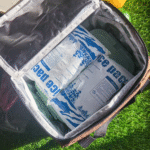
Sécurité de la viande dans la chaîne du froid: Comment bien faire les choses 2025
Sécurité de la viande dans la chaîne du froid c'est ainsi que vous gardez la viande en sécurité, frais, et vendable de l'usine au client. Le moyen le plus rapide d’échouer est de laisser la viande rester dans la « zone dangereuse » (40°F – 140 °F), où les bactéries peuvent se multiplier rapidement. Un autre échec courant est la dérive temporelle lors des transferts, parce que « juste 10 minutes" devient une heure. Dans 2025, la sécurité de la viande dans la chaîne du froid est moins une question de promesses que de preuves: nettoyer les remorques, températures stables, et des enregistrements clairs.
Cet article vous aidera à répondre:
-
Comment définir limites de température pour la sécurité de la viande dans la chaîne du froid sur les voies réfrigérées ou congelées?
-
Où faire transferts rompre le plus souvent la sécurité de la viande de la chaîne du froid (quai, cross-dock, dernier mile)?
-
Qu'est-ce qu'un simple liste de contrôle d'hygiène de la remorque on dirait de la viande?
-
Lequel niveau de surveillance s'adapte à votre risque et à votre budget (étiquettes, bûcherons, capteurs en temps réel)?
-
Que devez-vous faire lors d'un excursion de température (sans deviner)?
-
Comment faire enregistrements de traçabilité réduire les rappels, litiges, et les déchets?
Quelles règles de température définissent la sécurité de la viande dans la chaîne du froid?
Réponse de base: La sécurité de la viande dans la chaîne du froid dépend du maintien de la viande hors de la « zone dangereuse » et de la limitation du temps de réchauffement à chaque transfert.. La zone dangereuse est communément décrite comme 40°F – 140 °F, et les aliments périssables ne doivent pas rester de côté plus que 2 heures (ou 1 heure si au-dessus de 90°F).
La sécurité de la viande dans la chaîne du froid fonctionne mieux lorsque vous utilisez objectifs de réussite/échec simples, pas de vagues moyennes. Vos équipes ont besoin de règles qu'elles peuvent répéter sous pression. Pensez à la température comme à un compte bancaire: chaque minute chaude est un retrait, et tu ne peux pas "déposer" la sécurité plus tard.
Réfrigéré ou congelé: quelles cibles devriez-vous utiliser?
Utilisez des objectifs écrits liés à votre catégorie de produits et aux spécifications du client. Vérifiez ensuite avec de vrais chèques.
| Catégorie de viande | Objectif pratique que vous pouvez appliquer | Que regarder | Ce que cela signifie pour vous |
|---|---|---|---|
| Viande réfrigérée | Garder constamment au froid (souvent ≤4°C / ≤40 ° F) | Temps de séjour au quai + échantillons de température du produit | Durée de conservation plus longue, moins de plaintes concernant les odeurs |
| Viande surgelée | Conserver congelé et éviter la décongélation partielle | Signes de décongélation/recongélation + les endroits les plus chauds pour les palettes | Moins de litiges « dégâts de texture » |
| Charges mixtes | Zones séparées ou cartons séparés | Points chauds + mauvaises décisions de manipulation | Moins d’événements « échec d’une palette » |
Conseils pratiques que vous pouvez appliquer aujourd'hui
-
Rendre une règle visible: "S'il fait chaud, l’horloge démarre.
-
Mesurer le produit, pas seulement de l'air: l'air de la remorque peut être froid pendant que le produit se réchauffe.
-
Suivre le temps d’ouverture des portes: les minutes sont plus faciles à gérer que les « sentiments ».
Scénario du monde réel: Votre reefer est correctement réglé, mais le quai est sauvegardé. La charge se réchauffe silencieusement pendant la mise en scène. C’est là que la sécurité de la viande dans la chaîne du froid est généralement rompue.
Où la sécurité de la viande dans la chaîne du froid échoue-t-elle le plus souvent dans les opérations réelles ??
Réponse de base: la sécurité de la viande dans la chaîne du froid échoue transferts-quand personne ne « possède » les minutes. Chargement, transbordement, recevoir, et les tentatives de livraison créent les pics les plus importants.
Vous pouvez utiliser la remorque parfaite tout en perdant la charge si la mise en scène n'est pas contrôlée.. Le risque caché réside dans de petites augmentations de température répétées encore et encore. Ces fluctuations raccourcissent la durée de conservation et augmentent les taux de plaintes.
Carte des risques de transfert pour la sécurité de la viande dans la chaîne du froid
| Point de transfert | Qu'est-ce qui ne va pas | Signe d’alerte précoce | Que faire ensuite |
|---|---|---|---|
| Quai d'expédition | Les palettes attendent à l'air ambiant | Portes ouvertes >10 minutes | Pré-étape à froid; charger rapidement |
| Cross-dock | Long séjour + remaniement | Variabilité d'une voie à l'autre | Raccourcir le séjour; donner la priorité aux couloirs de viande |
| Réception | Pas de contrôle de température | Acceptation « ça a l’air bien » | Exemples de températures de produit; enregistrer les résultats |
| Dernier kilomètre | L'heure du porche + nouvelles tentatives | Codes « Tentative de livraison » | Des plages horaires serrées; meilleure isolation |
Conseils pratiques pour le contrôle du transfert
-
Attribuer la propriété du transfert: une personne signe le temps de préparation par quart de travail.
-
Paperasse après le placement de la palette: déplacer le produit en premier, la paperasse en deuxième.
-
Séparer physiquement les produits réfrigérés et congelés: une gestion mixte entraîne de mauvaises décisions.
Exemple de style de cas: Un distributeur a réduit les excursions récurrentes après avoir fixé une limite d'étape stricte et affiché des minuteries dans chaque baie..
Comment la réception et le stockage protègent-ils la sécurité de la viande dans la chaîne du froid dans un entrepôt?
Réponse de base: recevoir est votre « porte »,"pas un couloir. La sécurité de la viande dans la chaîne du froid s'améliore lorsque vous rejetez ou conservez tôt un produit à risque, avant que cela ne devienne votre responsabilité.
Si vous acceptez un produit chaud parce qu'il « a l'air bien,« Vous achetez un risque caché. Un système de réception rapide ne nécessite pas d'étapes compliquées. Il a besoin échantillonnage, vitesse, et la discipline.
Une liste de contrôle de réception rapide que vous pouvez exécuter sans ralentir le dock
-
État de la remorque (faire le ménage, sec, pas d'odeur)
-
Température de l'air de la remorque (contexte, pas une preuve)
-
Échantillons de température du produit (surface + noyau sur un plan simple)
-
État du carton (les cartons mouillés peuvent signaler un dégel/condensation)
-
Temps de rangement (minutes du quai à la chambre froide)
À quoi ressemble le « bien »
| Réception du contrôle | Idée simple réussite/échec | Ce que ça empêche | Ce que cela signifie pour vous |
|---|---|---|---|
| Temps de rangement | Définir une limite maximale de minutes | Réchauffement « dérive des quais » | Moins de retenues et de radiations |
| Échantillonnage de la température du produit | Dans vos spécifications | Charges chaudes cachées | Meilleure défense des réclamations |
| Empilage sans danger pour la circulation de l'air | Ne bloquez pas les bouches d'aération | Poches chaudes dans le rangement | Une qualité plus constante |
Conseils pratiques pour les équipes de l'entrepôt
-
Créer un arbre de décision produit chaleureux avant l'incident.
-
Gardez la viande crue séparée des articles prêts à manger, le cas échéant.
-
Considérez les cartons mouillés comme un signal pour faire une pause et enquêter.
Comment le transport sanitaire contribue-t-il à la sécurité de la viande dans la chaîne du froid?
Réponse de base: la sécurité de la viande dans la chaîne du froid n’est pas seulement une question de température, c’est aussi prévenir la contamination. La règle de transport sanitaire de la FDA se concentre sur la prévention des pratiques risquées telles que le fait de ne pas réfrigérer correctement, nettoyage inadéquat entre les charges, et une mauvaise protection pendant le transport. NOUS. Food and Drug Administration
Même des températures parfaites ne peuvent pas vous sauver si la remorque est sale ou si les charges sont mal protégées.. L'hygiène doit être reproductible, pas héroïque.
"Faire le ménage, désinfecter, vérifier »en langage clair
-
Faire le ménage: enlever la saleté et les résidus visibles
-
Désinfecter: réduire les microbes en utilisant des méthodes approuvées
-
Vérifier: prouver que c'est arrivé (une liste de contrôle + inspection rapide)
Liste de contrôle d'hygiène des remorques pour les chargements de viande
-
Aucun résidu visible, eau stagnante, ou des odeurs fortes
-
Les murs et le sol sont secs (l'humidité augmente le risque de contamination)
-
Palettes intactes; aucun dommage sur l'emballage du produit exposé
-
Plan de séparation pour les opérations mixtes (crus vs autres aliments)
Réalité réglementaire: les chargeurs devront peut-être vérifier que le compartiment réfrigéré est correctement préparé (y compris le pré-refroidissement si nécessaire) et sanitaire avant le transport. réglementation fédérale électronique
Des conseils pratiques que vous pouvez appliquer immédiatement
-
Faites un 90-deuxième contrôle de précharge à chaque fois.
-
Évitez les remorques « dernier chargement inconnu » lorsque cela est possible.
-
Tenir un simple registre de nettoyage: date, méthode, opérateur, étape de vérification.
Comment les choix d’emballage renforcent-ils la sécurité de la viande dans la chaîne du froid?
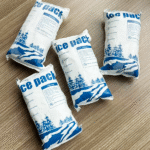
Réponse de base: l'emballage est une défense de première ligne dans la sécurité de la viande dans la chaîne du froid. Il ralentit le changement de température, évite les fuites, et protège la viande pendant les retards.
L'emballage doit être conçu pour la vie réelle: trafic, le quai attend, l'heure du porche, et équipement cyclisme. Pensez à l'emballage comme à une ceinture de sécurité. Ça ne conduit pas pour toi, mais il vous protège lorsque les conditions sont imparfaites.
Comparaison des « systèmes » d’emballage (comparaison de produits proches)
| Système d'emballage | Mieux pour | Le plus grand risque qu'il réduit | Ce que cela signifie pour vous |
|---|---|---|---|
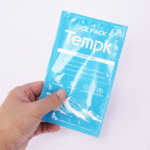
| Isolation de base + packs de gel | Voies réfrigérées courtes | Petites pointes chaudes | Coût inférieur, protection de base |
| PCM réglé + isolation plus forte | Des voies réfrigérées avec un long dernier kilomètre | Variations de température + l'heure du porche | Résultats de livraison plus stables |
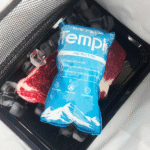
| Isolation de qualité export + liquide de refroidissement gelé | Fenêtres de transit plus longues | Événements de dégel partiel | Moins de refus et de remboursements |
| Doublure résistante aux fuites + absorbant | Coupes à fort débit | Contamination croisée + cartons détrempés | Des livraisons plus propres, moins de plaintes |
Règles pratiques de rangement que les équipes peuvent suivre
-
Faites correspondre l'emballage à temps de couloir, pas le « meilleur des cas ».
-
Standardiser le placement du liquide de refroidissement. Le placement aléatoire crée des résultats aléatoires.
-
Protégez les étiquettes et les codes de lot. Si tu ne peux pas le lire, tu ne peux pas le retracer.
Scénario: Si les clients reçoivent de la viande à la porte, l'isolation vous fait gagner du temps. Des instructions claires « déballer maintenant » réduisent les minutes chaudes.
De quel niveau de surveillance avez-vous besoin pour la sécurité de la viande dans la chaîne du froid?
Réponse de base: la surveillance transforme la sécurité de la viande dans la chaîne du froid en un processus mesurable. Cela vous donne des preuves, corrections plus rapides des causes profondes, et moins de litiges.
Commencez simplement, puis à l'échelle. Vous n’avez pas besoin d’un maximum de technologie partout. Vous avez besoin du bon outil sur les voies qui vous coûtent le plus cher.
Comparaison des options de surveillance
| Type de surveillance | Coût | Profondeur des données | Meilleur cas d'utilisation |
|---|---|---|---|
| Indicateurs temps-température | Faible | Basique | Court, livraisons locales |
| Enregistreurs de données réutilisables | Moyen | Détaillé | Voies régionales, réclamations récurrentes |
| Capteurs en temps réel | Plus haut | Continu | Exporter, de grande valeur, voies à haut risque |
Outil de décision interactif: choisissez votre niveau de surveillance dans 60 secondes
-
Expédiez-vous de la viande au-delà 24 heures de transit?
-
Oui → passer au T2
-
Non → passer au 3ème trimestre
-
-
As-tu >1% réclamations/retenues liées à la température?
-
Oui → surveillez chaque expédition au top 3 voies + valider l'emballage
-
Non → surveillance par contrôle ponctuel + validation saisonnière sur la pire voie
-
-
Les livraisons ont-elles lieu à l'extérieur ? (porche/casier) régulièrement?
-
Oui → ajouter une surveillance des exceptions + resserrer les délais de livraison
-
Non → une surveillance de base peut suffire
-
-
Expédiez-vous des mélanges réfrigérés et congelés dans un seul carton?
-
Oui → surveillance plus élevée + des SOP plus fortes
-
Non → surveillance standard + validation périodique
-
Que devez-vous faire lorsque la sécurité de la viande dans la chaîne du froid est compromise?
Réponse de base: répondre rapidement, documenter tout, et suivre un ensemble de règles écrites. Lorsque les denrées périssables restent trop longtemps à des températures à risque, le risque pour la sécurité augmente, donc les preuves de temps et de température sont importantes. Centres de contrôle et de prévention des maladies
Le pire, c'est de deviner. La meilleure solution consiste à tenir le produit et à utiliser des preuves de temps/température pour décider.
Livre de jeu sur les excursions de température (simple et reproductible)
-
Arrêtez-vous et isolez-vous: mettre le lot en attente.
-
Recueillir des faits: température maximale, temps hors de contrôle, type de produit, voie, saison.
-
Décidez en utilisant des règles: votre POS + spécification du client + attentes réglementaires.
-
Actions sur les documents: ce qui s'est passé, ce que tu as fait, comment éviter les répétitions.
| Situation | Question clé | Action plus sûre | Ce que cela signifie pour vous |
|---|---|---|---|
| Temps chaud inconnu | "Combien de temps a-t-il fait chaud?» | Prise + enquêter | Évitez les décisions de libération dangereuses |
| Court événement chaleureux | « En dessous de votre limite?» | Document + libération si autorisé | Moins d’élimination inutile |
| Événement long et chaleureux | « Au-delà des limites?» | Élimination/rappel selon la politique | Protéger les clients et la marque |
| Pannes répétées de voie | « Pourquoi récurrent?» | Revalider + processus de changement | Coût réduit à long terme |
Conseils pratiques pour des décisions plus rapides
-
Ne comptez pas uniquement sur la température de l’air. Le produit se réchauffe différemment de l'air.
-
Nommer un propriétaire de décision. Trop de voix ralentit l'action.
-
Corrigez rapidement la cause première. La même voie échouera à nouveau.
Comment la traçabilité améliore-t-elle la sécurité de la viande dans la chaîne du froid 2025?
Réponse de base: la traçabilité rend chaque palette responsable et chaque décision explicable. Cela réduit la taille du rappel, accélère les enquêtes, et renforce la confiance des clients.
Aux États-Unis, Les informations de la FDA indiquent une proposition de prolongation de la date de conformité à la règle de traçabilité des aliments jusqu'à Juillet 20, 2028, et note la directive du Congrès de ne pas appliquer avant cette date. NOUS. Food and Drug Administration Même si les délais évoluent, les acheteurs s'attendent toujours à de meilleurs records maintenant.
Ce qu'il faut enregistrer pour la sécurité pratique de la viande dans la chaîne du froid
Restez simple et cohérent:
-
Numéro de lot/lot
-
Date et heure d'expédition
-
Transporteur + identifiant de la remorque
-
Preuve de température (résumé de l'enregistreur ou données de l'enregistreur)
-
Dossier de vérification de l'hygiène de la remorque
-
Journal des exceptions + décision de disposition
| Enregistrer | Pourquoi ça compte | Ce que cela signifie pour vous |
|---|---|---|
| Numéro de lot | Limite la portée du rappel | Moins de déchets, moins de litiges |
| Horodatages | Prouve le contrôle en direct | Des enquêtes plus rapides |
| Preuve temporaire | Montre le contrôle | Une confiance client renforcée |
| Preuve de nettoyage | Empêche les réclamations de contamination | De meilleurs résultats d’audit |
Auto-audit interactif: évaluez les risques liés à la sécurité de la viande dans la chaîne du froid 3 minutes
Notez chaque élément: 0 (Non), 1 (parfois), 2 (Oui)
-
Nous vérifions la propreté des remorques avant chaque chargement de viande.
-
Nous conservons la viande dans les limites de température documentées de bout en bout.
-
Nous suivons le temps d'ouverture des portes aux quais de chargement et de réception.
-
Nous utilisons un plan d'actions correctives écrit pour les excursions.
-
Nous pouvons isoler les lots concernés en quelques minutes à l'aide des registres d'expédition..
Votre score (0–10):
-
0–4: Risque élevé : corrigez d'abord les fondamentaux
-
5–7: Risque moyen – améliorer la cohérence et la documentation
-
8–10: Fort – se concentrer sur la surveillance, vérification, et optimisation
2025 tendances en matière de sécurité de la viande dans la chaîne du froid sur lesquelles vous devriez agir
La sécurité sanitaire de la viande dans la chaîne du froid est importante car les aliments dangereux restent un énorme fardeau mondial. Estimations de l'OMS 600 million maladies d'origine alimentaire et 420,000 décès chaque année. Dans 2025, la pression est plus élevée dans trois directions: attentes en matière de santé publique, avis clients à la porte, et visibilité sur les coûts des déchets.
Aperçu des derniers développements
-
Plus de preuves, moins de conjectures: les preuves de température réduisent les litiges et accélèrent les enquêtes.
-
Plus de discipline en matière d'hygiène dans les transports: les attentes en matière de nettoyage et de protection restent centrales.
-
Plus de planification de la traçabilité: de nombreuses équipes préparent les lots avant les délais. NOUS. Food and Drug Administration
-
Des « recettes » plus spécifiques aux voies: emballages et SOP adaptés à la saison et au temps de transit.
Un aperçu du marché que vous pouvez utiliser
Les clients ne séparent pas la « qualité » de la « sécurité ». Si la boîte arrive chaude, la confiance chute vite. C'est pourquoi les investissements dans la sécurité de la viande dans la chaîne du froid sont souvent rentables grâce à moins de remboursements., moins de tickets de service, et des taux de réachat plus élevés.
Questions fréquemment posées
Q1: Quelle est la température sécuritaire du réfrigérateur pour la viande?
Un objectif de sécurité commun consiste à maintenir la réfrigération à 40°F (4°C) ou ci-dessous, vérifié avec un thermomètre.
Q2: Quelle est la température de la zone dangereuse pour la viande?
La zone dangereuse est communément décrite comme 40°F – 140 °F, où les bactéries peuvent se multiplier rapidement.
Q3: Combien de temps la viande peut-elle reposer pendant la réception ou l'emballage?
Une règle de santé publique largement utilisée est pas plus que 2 heures, ou 1 heure si au-dessus de 90°F. Considérez la mise en scène comme un événement chronométré. Centres de contrôle et de prévention des maladies
Q4: La température de l’air dans la remorque est-elle suffisante pour prouver la sécurité de la viande dans la chaîne du froid?
Non. L'air peut être froid tandis que le produit se réchauffe. Utiliser les contrôles de produits et les preuves d'expédition.
Q5: Avez-vous besoin de capteurs en temps réel sur chaque expédition?
Pas toujours. Commencez par vos voies les plus réclamées, valider les emballages, puis étendre le suivi en fonction des résultats.
Q6: Quelle est la « victoire rapide » la plus rapide pour la sécurité de la viande sous la chaîne du froid ??
Définir une règle visible: objectif de température + délai de mise en scène + vérifications quotidiennes du thermomètre. Centres de contrôle et de prévention des maladies
Résumé et recommandations
La sécurité de la viande dans la chaîne du froid n'est pas un grand projet. Il s'agit d'un ensemble de petites commandes qui empêchent les minutes chaudes de s'accumuler.. Gardez la viande hors de la zone dangereuse et limitez le temps lors des transferts. Protégez les charges avec une hygiène et une discipline de transport reproductibles. NOUS. Food and Drug Administration Utiliser la surveillance pour trouver des modèles, ne pas blâmer les gens. Créez ensuite des enregistrements de traçabilité afin que les problèmes soient isolés rapidement..
Vos prochaines étapes (CTA)
-
Écrire une spécification de température par type de produit (réfrigéré ou congelé).
-
Définir un délai de mise en scène strict aux quais et aux stations d'emballage.
-
Mettre en œuvre un contrôle d'hygiène de la remorque avant chargement chaque expédition.
-
Validez votre pire voie (saison la plus chaude + retard réaliste).
-
Surveillez les voies à haut risque pour 30 jours, puis standardisez la « recette de voie ».
À propos du tempk
Et tempk, nous vous aidons à rendre la sécurité de la viande sous la chaîne du froid plus facile à mettre en œuvre chaque jour. Nous soutenons les emballages thermiques adaptés aux voies, liquides de refroidissement stabilisant la température, et des flux de travail conviviaux qui s'adaptent à de vrais quais et à de vraies fenêtres de livraison. Notre objectif est pratique: moins d'excursions de température, des transferts plus propres, et des recettes d'emballage que votre équipe peut répéter sans deviner.
Prochaine étape: Partagez votre haut 3 couloirs de viande (temps de transit, climat de destination, réfrigéré ou congelé). Nous vous aiderons à définir un plan de contrôle spécifique à une voie que vous pourrez valider rapidement..