Cold Chain Packaging Solutions Built Around Your Shipment
Emballage de la chaîne froide is not a carton plus something cold. A workable solution starts with the product limits and turns them into one controlled packout. The outer container, isolation, fluide de refroidissement, internal arrangement and packing instructions must work together through the real route, handoffs and receiving process.
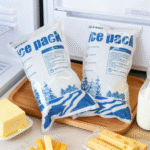
Tempk supplies passive temperature-control packaging, y compris expéditeurs isolés, sacs, doublures, cooling media and practical packout support. The aim is to help buyers move from a product-family choice to a defined configuration: le système d'emballage sous chaîne du froid needed for a particular shipment, rather than a generic hold-time promise.
Start With the Shipment Rather Than a Product List
Two shipments can use the same boîte isotherme yet need different packouts. A freeze-sensitive product, a dense liquid payload, a long airport handoff, a hot loading dock or a frequently opened sac de livraison can each change the correct packaging path. Avant de comparer les matériaux, define the shipment conditions that make a difference.
- Exigence du produit: approved temperature limits, sensibilité au gel, allowable excursions and required arrival condition.
- Charge utile: dimensions utilisables, masse, température de départ, primary packaging and fill pattern.
- Itinéraire: planned door-to-door time, credible delay allowance, saison, transferts, ambient exposure and receiving conditions.
- Opérations: conditionnement du liquide de refroidissement, séquence d'emballage, temps de mise en scène, étapes de travail, reuse or return process and storage constraints.
- Preuve: besoins de surveillance, test or route-trial scope, acceptance criteria and the team responsible for approval.
A Cold Chain Packaging System Has Five Linked Parts
Une chaîne du froid solution d'emballage is a coordinated system, not a single component. The table below separates the decisions that should be made together. This prevents a common error: treating a liner, paquet de gel, brique de glace or rigid cooler as proof of a shipment outcome on its own.
| Élément du système | What must be defined | Pourquoi ça compte |
|---|---|---|
| Boundary and insulation | Expéditeur extérieur, liner or rigid container, fermeture, usable internal volume and any exposed seams. | The thermal barrier and package geometry set the space available for the load and cold source. |
| Média de refroidissement | Taper, méthode de conditionnement, masse, placement, separation and protection from direct contact. | Cold source behavior changes with preparation and layout; more coolant is not automatically safer for a freeze-sensitive load. |
| Product interface | Pack primaire, séparateurs, amorti, capacité d'absorption, leak control and product starting condition. | The load must be protected from physical damage, condensation and localized hot or cold spots. |
| Méthode d'emballage | Assembly order, fermeture, temps de mise en scène, handoff instructions and receiving checks. | A capable component set can still fail when daily packing steps are inconsistent. |
| Contrôle des preuves et des changements | Plan enregistreur, critères d'acceptation, portée du test, packout record and changes that trigger review. | A component specification is not proof of the completed system on a real route. |
Choose the Starting Path by Operating Conditions
Start with a packaging family that fits the way the product moves, then define the configuration. The following paths are planning directions, not thermal-performance guarantees.
- Local and last-mile delivery: sacs isolés, thermal totes or liners can be a useful starting point when the load is handled frequently and the packing process must stay simple.
- Envois de colis: carton-based liners, insulated shippers and structured cooling-media layouts may suit shipments that need protection through sorting, transfer and delivery.
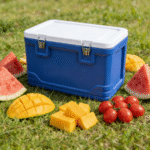
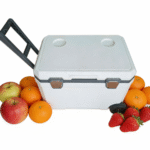
- Repeated distribution: reusable rigid containers such as EPP formats may be considered where cleaning, récupération, stacking and repeatable loading matter.
- High-value or quality-managed shipments: use the product requirement, monitoring plan and agreed evidence standard to define the packaging path before procurement.
- Pallet and bulk freight: add the load configuration, séjour dans l'entrepôt, airport or dock exposure, and protection of the outer faces to the initial review.
This page focuses on passive packaging and packout support. Véhicules frigorifiques, active equipment and carrier services are separate controls. Tempk supplies packaging systems and related technical support; customers arrange freight and carrier services with their chosen logistics providers.
Turn Components Into a Controlled Packout
- Define the requirement. Record the approved product limits and the shipment conditions before selecting a material or cold source. Do not infer the required temperature band from a product category alone.
- Build and compare candidate configurations. Choose container, isolation, liquide de refroidissement, séparateurs, loading pattern and closure together. Record what changes between candidates so results can be interpreted later.
- Review the configuration under an agreed scope. Confirmer le conditionnement du liquide de refroidissement, condition de départ du produit, positions des enregistreurs, exposition ambiante, test duration and physical checks. Pour les expéditions pharmaceutiques, the quality team should set the approved product limits and relevant quality requirements.
- Release a repeatable method. Keep packing instructions, a configuration record, acceptance criteria and a clear trigger for review when the product, charger, liquide de refroidissement, itinéraire, season or handling method changes.
Provide These Details Before Requesting a Quote or Sample
A useful request for quotation is also a design brief. It lets a supplier distinguish a component request from a packaging-system review and reduces the risk of samples that fit the carton but not the route.
Outils de décision utiles
Vérifiez les détails avant de choisir l'emballage
Ces outils rapides peuvent vous aider à comparer le risque d'itinéraire, besoins de dimensionnement, choix de liquide de refroidissement, et les détails de l'emballage avant de demander un devis.
Calculateur de glace carbonique
Estimer les besoins en glace carbonique pour les envois congelés ou ultra-froids avant l'emballage.
Estimation de la neige carboniqueDoublure de boîte & Dimensionnement des couvertures de palettes
Vérifiez la logique de dimensionnement du revêtement de boîte et du couvercle de palette pour les projets d'emballage isotherme.
Dimensionnement estiméGénérateur de liste de contrôle
Créer une liste de contrôle pratique pour l'examen des emballages, expédition, et documentation.
Construire une liste de contrôle| Informations à fournir | Useful detail | Ce que ça change |
|---|---|---|
| Limites de produit | Plage de température autorisée, sensibilité au gel, permitted excursions and required arrival condition. | Defines the thermal target and guards against over-cooling as well as warming. |
| Payload and primary pack | Dimensions utilisables, masse, fill pattern, primary packaging and starting temperature. | Change la masse thermique, espace utilisable, separation needs and product protection. |
| Route and exposure | Durée du porte-à-porte, credible delay allowance, saison, transfer points and receiving conditions. | Sets the exposure assumptions that the configuration must address. |
| Packing operations | Équipement de conditionnement, taux d'emballage, temps de mise en scène, labor steps and whether the package is reused. | Determines whether a packout can be repeated consistently outside a test environment. |
| Preuve requise | Dépistage, enregistrement de données, travail en chambre, essai routier, customer protocol or quality approval path. | Aligns the test plan and documentation with the decision that must be made. |
| Supply requirements | Expected volume, preferred format, taille personnalisée, printing or OEM needs. | Separates a technically suitable concept from the sourcing and implementation plan. |
Testing and Qualification Need an Agreed Scope
Une fiche matière, a cold-source specification or one successful shipment does not establish performance for every route. The complete configuration must be assessed with the intended payload, preparation method and exposure assumptions. For a pharmaceutical context, the World Health Organization's guidance on transport à température dirigée describes active and passive shipping containers and states that packaging systems should be qualified before use.
When a formal thermal profile is required, review ISTA thermal standards alongside the relevant product, route and quality requirements. ISTA décrit la norme 20 comme processus de conception et de qualification pour conteneurs d'expédition isolés and 7E as a thermal transport packaging standard for parcel delivery. Select a test approach that fits the decision being made; do not treat a general profile as an all-route guarantee.
For pharmaceutical transport context, see the WHO temperature-controlled transport guidance. Confirm market-specific regulatory obligations and product approval requirements with the responsible quality and regulatory teams.
- Document the tested packout: composants, conditionnement du liquide de refroidissement, mise en page, charge utile, closure and logger locations.
- Record the exposure profile, plage de réussite, measured temperature trace and physical arrival checks.
- State the limitations: itinéraire, saison, charge de produit, conditioning method and operating steps covered by the evidence.
- Review meaningful changes before reusing the conclusion for a new configuration or lane.
Choose the Next Step
If the packaging family is still unclear, use the Packaging Selector to compare practical starting directions by cargo, température cible, transit time and shipment format. If you already have the product, payload and route details, prepare a packout design and testing brief so that the next discussion begins with the actual decision conditions.
Explore the Packaging Selector, start a packout design and testing brief, or browse cold chain packaging products before asking for samples, a custom format or a bulk quotation.
Envoyer le type de produit, approved temperature limits, charge utile, durée de l'itinéraire, credible delay allowance, condition de départ, packout format and the evidence you need. That is the information that turns a list of components into a cold chain packaging solution built for your shipment.