Le maintien de l’efficacité du vaccin dépend stockage et manipulation des vaccins sous chaîne du froid. Dans 2025, les programmes de vaccination continuent de se développer, et le marché des expéditeurs de vaccins à lui seul devrait passer de USD 1.5 milliards en 2024 en USD 3.5 milliards 2033. Pourtant, une excursion de température hors plage peut détruire un flacon.. La plupart des vaccins nécessitent des températures réfrigérées entre 2 °C et 8 °C, certains gèlent ci-dessous –15 °C et quelques formulations d'ARNm nécessitent un stockage ultra-froid aussi bas que –90 °C. Manipulation appropriée, le suivi et la planification d’urgence sont essentiels. Ce guide démystifie le processus, se concentrer sur l'équipement, procédures et innovations qui garantissent la sécurité des vaccins.
Plages de température: Quelles sont les plages de température recommandées pour le stockage des vaccins, et pourquoi une plage étroite est-elle critique?
Choix d'équipement: Comment choisir les réfrigérateurs, congélateurs et unités ultra froides adaptés aux différents types de vaccins?
Surveillance & Sops: Quels dispositifs et procédures garantissent que les températures restent dans la plage, et comment devriez-vous réagir quand ils ne le font pas?
Entraînement & Coordination: Qui est responsable de la gestion de la chaîne du froid, et quelle formation et quelles procédures opérationnelles standard (Sops) sont requis?
Tendances émergentes: Quelles innovations, dynamique du marché et évolution de la réglementation 2025 influencer la gestion de la chaîne du froid des vaccins?
Conseils pratiques & FAQ: Comment appliquer les meilleures pratiques, évitez les pièges et protégez votre inventaire en cas d’urgence?
Quelles sont les plages de température recommandées et pourquoi sont-elles importantes?
Les vaccins sont des produits biologiques qui perdent leur efficacité en dehors des plages de température prescrites.. Les réfrigérateurs standards doivent maintenir 2 ° C - 8 ° C (36 °F – 46 °F). Les vaccins congelés comme la varicelle et certaines formulations contre la COVID-19 nécessitent –50 °C à –15 °C (–58 °F à 5 °F), tandis que les vaccins à ARNm ultra froids sont stockés entre –90 ° C et –60 ° C (–130 °F à –76 °F). Une exposition au-dessus ou en dessous de ces plages peut dégrader les protéines, déstabiliser les lipides et rendre le vaccin inefficace. La surchauffe, c'est comme laisser un gâteau au soleil : les ingrédients essentiels se décomposent; la congélation de certains vaccins forme des cristaux de glace qui endommagent les structures moléculaires.
Le maintien de ces plages n’est pas facultatif. Le CDC recommande d'enregistrer les températures minimales et maximales au moins deux fois par jour et d'utiliser des enregistreurs de données numériques calibrés. (DDL) pour suivre les températures en continu. Dans 2025, quelques flacons de vaccin (tels que les vaccins à ARNm contre la COVID-19) peut être transféré de conditions ultra froides à réfrigérées pendant des périodes limitées; Par exemple, le vaccin Pfizer BioNTech Comirnaty peut être conservé entre 2 °C et 8 °C jusqu'à 10 semaines après décongélation. Le respect de ces directives évite une revaccination coûteuse et protège la confiance du public..
Choisir un équipement de stockage approprié
La sélection de la bonne unité de stockage dépend des exigences de température du vaccin et de la capacité de l’installation.. Construit à cet effet, les réfrigérateurs et congélateurs de qualité pharmaceutique sont préférés; si indisponible, des unités domestiques autonomes peuvent être utilisées, mais les réfrigérateurs/congélateurs combinés ne sont pas recommandés. Les unités de style dortoir avec une seule porte extérieure ne doivent jamais être utilisées car elles présentent un risque important de gel des vaccins.. Chaque unité de stockage doit disposer de suffisamment d'espace pour contenir le plus grand inventaire attendu (Par exemple, pendant la saison de la grippe) sans encombrement.
| Type d'équipement | Plage de température recommandée | Vaccins stockés | Importance pratique |
| Réfrigérateur de qualité pharmaceutique | 2 ° C - 8 ° C (36 °F – 46 °F) | Grippe, DTaP, VPH, ROR et la plupart des vaccins courants | Des températures stables protègent la puissance; une unité autonome empêche le gel d'un compartiment congélateur partagé |
| Congélateur médical | –50 °C– –15 °C (–58 °F–5 °F) | Varicelle, mpox (Jynnéos) et certains vaccins COVID 19 comme Moderna Spikevax | Un congélateur séparé empêche l'air chaud de circuler sur les vaccins réfrigérés; les unités de dégivrage manuel nécessitent un entretien régulier |
| Congélateur ultra froid | –90 °C– –60 °C (–130 °F– –76 °F) | vaccins d'ARNm (Par exemple, Pfizer BioNTech Comirnaty), produits biologiques avancés | Unités spécialisées avec alarmes et alimentation de secours; vital pour les produits biologiques de grande valeur |
Astuces et conseils pratiques
Utiliser des unités spécialement conçues: Choisissez des réfrigérateurs et congélateurs de qualité pharmaceutique; éviter les dortoirs ou les « bars » qui risquent de geler les vaccins.
Régler les thermostats à mi-gamme: Ajuster à environ 5 °C pour les réfrigérateurs et –25 °C pour les congélateurs afin de minimiser les fluctuations
Organiser l'inventaire: Conservez les vaccins dans leur boîte d'origine pour les protéger de la lumière et suivre les dates de péremption; organiser par type et expiration pour pratiquer en premier expiré, premier sorti (FEFO).
Évitez la surpopulation: Laissez de l'espace pour la circulation de l'air en stockant les vaccins au centre des étagères et en utilisant des bouteilles d'eau pour aider à stabiliser la température..
Étiqueter clairement: Désigner des étagères pour les vaccins réfrigérés et congelés; ne stockez pas de diluants ou de nourriture dans les unités de vaccination.
Exemple du monde réel: Dans 2024 une clinique du nord de l'État de New York a évité l'émaciation plus de dollars américains 20,000 valeur des vaccins lorsqu'un congélateur tombe en panne. Le personnel disposait d'une unité de secours, documentation conservée montrant que la sauvegarde pouvait maintenir 2 ° C - 8 ° C, et exécuté leur plan d'urgence pour transférer l'inventaire rapidement.
Comment surveiller et gérer les chaînes du froid des vaccins?
Une surveillance continue et des procédures claires sont au cœur de la gestion de la chaîne du froid des vaccins. La CDC exige que chaque unité de stockage soit équipée d'un Enregistreur de données numériques (DDL) qui enregistre les températures au moins tous les 30 minutes. Un DDL doit avoir une sonde de température tamponnée, alarme hors de portée, indicateur de batterie faible, affichage du courant, températures minimales et maximales, et une incertitude de ±0,5 °C. Les installations doivent également conserver des DDL de sauvegarde et s'assurer que les certificats d'étalonnage sont à jour..
Les données de température doivent être examinées et téléchargées au moins toutes les deux semaines et chaque fois qu'une excursion a lieu.. La documentation doit être conservée pendant au moins trois ans pour se conformer aux exigences d'audit.. Le personnel doit vérifier et enregistrer les températures min/max au début de chaque journée de travail.. Si un appareil n'affiche pas les lectures min/max, les températures doivent être vérifiées au moins deux fois par jour. Un étalonnage régulier garantit la précision.
Élaboration de procédures opérationnelles standard et formation du personnel
Chaque établissement doit créer et maintenir des informations écrites Procédures opérationnelles standard (Sops) couvrant le stockage et la manipulation de routine, procédures d'urgence et informations générales. Les SOP doivent être mises à jour chaque année par le coordinateur des vaccins et examinées par le personnel.. La formation est essentielle: tout le personnel qui manipule les vaccins doit recevoir une orientation et une formation de recyclage annuelle; une formation supplémentaire est requise lorsque de nouveaux vaccins sont introduits ou que les directives changent.
Un désigné coordonnateur des vaccins et commande de supervision suppléante, recevoir et surveiller les vaccins; ils veillent à ce que les journaux de température soient enregistrés, faire tourner les stocks, répondre aux excursions et gérer les transports. De bonnes procédures mettent l'accent sur la vérification de l'emballage à la livraison, vérifier les indicateurs de température et signaler les écarts.
| Fonctionnalité DDL | Pourquoi ça compte | Bénéfice pour votre installation |
| Sonde tamponnée | Mesure la température du liquide plutôt que celle de l'air, reflétant la véritable température du vaccin | Empêche les fausses alarmes lorsque les portes s'ouvrent; protège les vaccins des transferts inutiles |
| Alarme pour températures hors plage | Alerte immédiatement le personnel lorsque les températures s'écartent de la plage de sécurité | Permet une action corrective rapide pour sauver les vaccins |
| Intervalle d'enregistrement programmable | Permet l'enregistrement de la température au moins tous les 30 minutes | Fournit des données de tendance détaillées pour analyser les fluctuations et se conformer aux réglementations |
| Certificat d'étalonnage | Confirme la précision de l'appareil avec une incertitude de ±0,5 °C | Garantit la préparation à l’audit et prend en charge l’assurance qualité |
| Données téléchargeables & connectivité | Fournit un accès à distance et une analyse à long terme | Permet une maintenance prédictive et des rapports plus faciles |
Préparation aux situations d'urgence: Répondre aux excursions
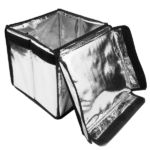
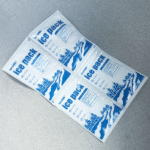
Malgré tous les efforts, des pannes d'équipement ou des pannes de courant peuvent survenir. Le CDC conseille aux installations d'avoir des plans d'urgence comprenant une alimentation de secours (Par exemple, générateurs capables de maintenir une chambre froide pour 72 heures) et une installation de stockage alternative dans la plage de température requise. Les plans de transport doivent indiquer comment emballer les vaccins avec des bouteilles d'eau conditionnées ou des compresses froides et séparer les vaccins réfrigérés et congelés.. Tenir à jour une liste de contacts pour la gestion du bâtiment, départements de sécurité et de santé. Les vaccins exposés à des températures douteuses doivent être étiquetés « Ne PAS utiliser » jusqu'à ce que leur viabilité soit confirmée..
Scénario pratique: Une pharmacie communautaire a remarqué une alarme DDL à 6 SUIS. Le personnel a enregistré les températures min/max (34 ° F et 39 °F) et j'ai découvert que la porte du réfrigérateur était légèrement entrouverte pendant la nuit. Parce qu'ils ont documenté les températures et ont réagi rapidement, les vaccins sont restés à portée et n’ont pas été gaspillés.
Qui est responsable de la gestion de la chaîne du froid?
La responsabilité est essentielle pour protéger les vaccins. Un coordonnateur principal des vaccins et un remplaçant doivent être nommés pour assurer un stockage et une manipulation appropriés.. Les coordonnateurs sont responsables de commander les vaccins, organisation et rotation des stocks, mettre en place des dispositifs de surveillance de la température et répondre aux excursions. Ils doivent également développer et mettre à jour des SOP, former le personnel et superviser les préparatifs d’urgence.
Les installations doivent proposer une formation régulière afin que tout le personnel comprenne les procédures et sache où trouver les SOP.. La formation doit avoir lieu lors de l'orientation des nouveaux employés, chaque année pour tout le personnel impliqué dans les activités de vaccination et chaque fois que de nouveaux vaccins ou des recommandations mises à jour sont introduites. Cela garantit que tout le monde sait comment lire les alarmes DDL, enregistrer les températures et mettre en œuvre des plans d’urgence.
Audits internes et amélioration continue
Des audits internes périodiques aident à identifier les lacunes et les opportunités d'amélioration. Examiner les journaux de température pour connaître les tendances, vérifier les dates d'étalonnage, vérifier que la documentation du personnel est complète et tester les procédures d'urgence. Évaluer la performance des unités de stockage, y compris les joints de porte, stabilité de la température et fonctionnalité d'alarme. L’amélioration continue favorise la résilience et réduit le gaspillage.
Quelles innovations et tendances façonnent la gestion de la chaîne du froid des vaccins 2025?
Les progrès technologiques rapides et la dynamique du marché transforment les chaînes du froid des vaccins. Le marché des expéditeurs de vaccins devrait croître à un rythme TCAC d'environ 10 %, s'élevant de USD 1.5 milliards en 2024 en USD 3.5 milliards 2033. La demande est alimentée par l’augmentation de la production de vaccins, nouveaux produits biologiques et programmes mondiaux de vaccination. L'Amérique du Nord détient actuellement 40 % du marché des expéditeurs de vaccins, avec une croissance plus rapide en Asie-Pacifique 10 % TCAC, reflétant l’augmentation des investissements dans les soins de santé. Les expéditeurs passifs de vaccins dominent avec un 60 % part de marché, tandis que les unités réutilisables constituent le sous-segment qui connaît la croissance la plus rapide en raison des objectifs de durabilité..
Technologies émergentes
IA et analyse prédictive: Les DDL et les plateformes cloud modernes utilisent l'apprentissage automatique pour identifier les modèles de données de température et prédire les pannes d'équipement., permettant une maintenance proactive. L'IA prend également en charge l'optimisation des itinéraires et la visibilité en temps réel tout au long de la chaîne d'approvisionnement..
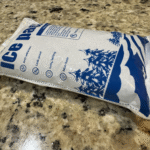
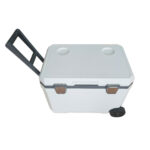
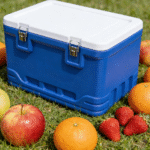
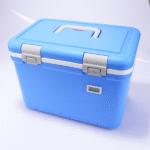
Emballage isotherme haute performance: Les expéditeurs passifs dotés de matériaux avancés à changement de phase et d'une isolation sous vide peuvent maintenir des températures ultra froides pendant 96 heures ou plus sans glace carbonique, réduire l'empreinte carbone. Les expéditeurs réutilisables contribuent à réduire les déchets et à réduire le coût de possession.
Réfrigérateurs à énergie solaire et hors réseau: Les réfrigérateurs solaires à entraînement direct et les refroidisseurs de vaccins sont de plus en plus adoptés dans les zones reculées pour garantir un stockage frigorifique fiable là où l'électricité n'est pas fiable..
Traçabilité numérique et blockchain: La blockchain et les appareils connectés créent des enregistrements immuables des données de température et de la chaîne de contrôle, améliorer le respect des bonnes pratiques de distribution et favoriser la confiance entre les parties prenantes.
Transport compatible IoT: Des capteurs de température compatibles GPS suivent les expéditions en temps réel, envoi d'alertes lorsque les seuils sont dépassés. Ces systèmes s'intègrent aux plateformes logistiques pour offrir une vue globale de la chaîne du froid et faciliter des interventions rapides..
Croissance du marché et tendances régionales
| Indicateur | Valeur et tendance | Implication |
| Taille du marché (Expéditeurs de vaccins) | USD 1.5 B dans 2024, projeté en USD 3.5 B par 2033 | Signale un besoin croissant de solutions d’emballage et de transport spécialisées |
| Valeur de l'industrie | Le CDC prévoit que l’industrie du stockage et du transport des vaccins atteindra USD 2.4 B par 2025 | Met en évidence les investissements dans les infrastructures et la technologie |
| Région dominante | L’Amérique du Nord détient 40 % part de marché; Europe 30 %; Asie-Pacifique 20 % | Les marchés développés sont en tête mais l’Asie rattrape son retard |
| Région à la croissance la plus rapide | Asie-Pacifique, avec un 10 % TCAC depuis 2023 à 2028 | Reflète l’expansion des programmes de vaccination et des investissements logistiques |
| Sous-segment supérieur | Les expéditeurs passifs de vaccins retiennent 60 % part de marché; les unités réutilisables connaissent la croissance la plus rapide | Indique des initiatives de développement durable et des économies de coûts |
Exemple d'innovation dans le monde réel
Lors du déploiement initial des vaccins à ARNm contre la COVID-19, l'accès limité aux congélateurs ultra froids a conduit au développement de boîtes d'expédition spécialisées remplies de neige carbonique. Ces boîtes permettaient des vaccins nécessitant –70 °C stockage à transporter dans le monde entier sans congélateurs dédiés, démontrer comment l’innovation en matière d’emballage peut combler les lacunes en matière d’infrastructures.
2025 Développements et tendances en matière de stockage et de manipulation de la chaîne du froid des vaccins
Dans 2025, la gestion de la chaîne du froid des vaccins continue d’évoluer à mesure que de nouvelles technologies et réglementations s’imposent. Bonne pratique de distribution (PIB) lignes directrices nécessitent désormais un équipement validé, cartographie des températures et documentation robuste pour la logistique pharmaceutique. Les réglementations cGMP de la FDA mettent l'accent sur les procédures appropriées de stockage et de distribution.. Ces règles soulignent la nécessité d'un contrôle continu et d'une assurance qualité tout au long de la chaîne d'approvisionnement..
Les programmes de vaccination se développent dans les pays à revenu faible ou intermédiaire, créer une demande pour une réfrigération durable hors réseau et des expéditeurs passifs rentables. L'investissement dans l'infrastructure de santé numérique signifie que davantage d'établissements intègrent des DDL connectés au cloud et des outils de gestion à distance. Avec le développement de la médecine personnalisée et des thérapies géniques, la demande d’entrepôts ultra-froids va probablement augmenter.
Aperçu des dernières avancées
Surveillance basée sur l'IA: Les DDL dotés d'analyses prédictives prédisent les pannes potentielles des équipements, réduire les temps d'arrêt et la perte de vaccins.
Expéditeurs passifs réutilisables: Les conteneurs haute performance utilisant des matériaux à changement de phase et une isolation sous vide fournissent jusqu'à 96 heures de maintien de la température sans glace carbonique.
Étiquettes intelligentes & Indicateurs: Indicateurs temps-température (ITT) et les tags NFC signalent visuellement les excursions de température, améliorer le contrôle qualité du dernier kilomètre.
Solaire & Réfrigération alimentée par batterie: Les solutions hors réseau soutiennent les campagnes de vaccination dans les zones reculées dépourvues d'électricité stable.
Blockchain pour la traçabilité: Des enregistrements immuables de température et de conservation créent des chaînes d'approvisionnement transparentes et améliorent la conformité réglementaire.
Insistance au marché
Le marché de la chaîne du froid des vaccins bénéficie d’initiatives mondiales telles que le programme COVAX de Gavi et le programme de vaccination de l’OMS. 2030, qui visent à élargir l’accès aux vaccins et à renforcer les chaînes d’approvisionnement. Cependant, presque 20 millions d’enfants dans le monde n’ont pas reçu les vaccins de base 2021, soulignant les défis logistiques. Alors que les gouvernements investissent dans les infrastructures de la chaîne du froid, le marché des expéditeurs de vaccins et des dispositifs de surveillance continuera de croître, avec des solutions réutilisables et durables qui gagnent du terrain.
Questions fréquemment posées
Q1: Quelle plage de température la plupart des vaccins nécessitent-ils ??
La plupart des vaccins de routine, comme celui contre la grippe, rougeole, oreillons, la rubéole et le tétanos doivent être conservés dans des réfrigérateurs maintenus à 2 ° C - 8 ° C (36 °F – 46 °F). Les vaccins vivants atténués comme la varicelle et certains produits contre la COVID 19 nécessitent des congélateurs placés entre –50 °C et –15 °C, tandis que certains vaccins à ARNm nécessitent un stockage ultra-froid entre –90 ° C et –60 ° C. Vérifiez toujours la notice du fabricant pour des produits spécifiques..
Q2: À quelle fréquence dois-je vérifier et enregistrer les températures de stockage des vaccins?
Vous devez vérifier et enregistrer les températures minimales et maximales au début de chaque journée de travail.. Si votre appareil n'affiche pas les températures min/max, enregistrer la température actuelle au moins deux fois par jour. En plus, téléchargez les données de votre enregistreur de données numériques au moins toutes les deux semaines ou chaque fois qu'une excursion se produit.
Q3: De quel équipement ai-je besoin pour conserver les vaccins à ARNm?
Les vaccins à ARNm comme Pfizer BioNTech Comirnaty nécessitent des congélateurs ultra froids capables de maintenir –90 ° C à –60 ° C. Ces unités doivent avoir des alarmes, alimentation de secours et enregistreurs de données numériques dédiés. Si les vaccins sont réfrigérés, suivez les directives du fabricant – Comirnaty peut être stocké à 2 °C–8 °C jusqu'à 10 semaines après décongélation.
Q4: Qui est responsable de la gestion de la chaîne du froid des vaccins dans mon établissement ??
Chaque établissement doit désigner un coordinateur principal des vaccins et un remplaçant qui superviseront les commandes., réception et stockage des vaccins, températures record, répondre aux excursions, former le personnel et maintenir les SOP. Ils doivent veiller au respect des directives et coordonner les plans d’urgence.
Résumé & Recommandations
Maintenir l’activité du vaccin dans 2025 exige de la vigilance stockage et manipulation des vaccins sous chaîne du froid. Principaux à retenir:
Suivez des plages de température spécifiques: Conserver les vaccins réfrigérés à 2 ° C - 8 ° C et utilisez des congélateurs séparés pour –50 °C– –15 °C vaccins; utiliser des unités ultra froides pour –90 °C– –60 °C biologique.
Utiliser un équipement et une surveillance appropriés: Choisissez des unités spécialement construites, installer des DDL avec des sondes mises en mémoire tampon, alarmes et certificats d'étalonnage et enregistrement des températures au moins deux fois par jour.
Élaborer des SOP et former le personnel: Créer des procédures écrites couvrant la gestion de routine et d'urgence, affecter des coordonnateurs des vaccins et assurer une formation annuelle.
Préparez-vous aux urgences: Maintenir une alimentation de secours et des sites de stockage alternatifs, emballer correctement les vaccins pour le transport et étiqueter les doses douteuses « Ne PAS utiliser ».
Adoptez l’innovation: Adoptez la surveillance activée par l’IA, des expéditeurs passifs réutilisables et une réfrigération à énergie solaire pour améliorer la résilience et la durabilité.
Étapes suivantes: Auditez les équipements et les protocoles de la chaîne du froid de votre établissement. Mettre à jour les SOPS, vérifier les certificats d'étalonnage DDL, planifiez la formation du personnel et investissez dans les technologies émergentes qui correspondent à votre mission. Une approche proactive réduit le gaspillage, protège les patients et veille au respect des réglementations évolutives.
À propos du tempk
Tempk propose des solutions intégrées de chaîne du froid pour les produits pharmaceutiques et biologiques. Nous proposer des réfrigérateurs spécialement conçus, congélateurs et unités ultra froides, expéditeurs isolés haute performance et plates-formes de surveillance compatibles IoT. Nos produits sont validés pour répondre aux exigences des bonnes pratiques de distribution et sont accompagnés de certificats d'étalonnage pour les audits réglementaires.. Nous fournir également des services de formation et de conseil pour aider les installations à mettre en œuvre les SOP et les plans d'urgence. En combinant des matériaux durables avec une technologie de pointe, Tempk aide les prestataires de soins de santé à protéger les vaccins et à réduire l'impact environnemental.
Prêt à optimiser la chaîne du froid de vos vaccins? Contactez-nous pour une évaluation personnalisée et découvrez comment Tempk peut vous aider à maintenir la conformité et à protéger la sécurité des patients..