Comment choisir la bonne entreprise de glacières en 2026?
Choisir un entreprise de glacières dans 2026 il ne s’agit pas d’acheter une « boîte ». Il s'agit d'acheter stabilité de la température, moins de réclamations, et des résultats de livraison prévisibles. Une seule excursion de température peut nuire à la qualité des aliments ou réduire l'efficacité du produit.. Le bon partenaire vous aide à maintenir la température malgré les retards, quais chauds, et une manipulation brutale. Ce guide vous donne une liste de contrôle pratique, un outil de décision, et des étapes pilotes que vous pouvez utiliser immédiatement.
Cet article vous aidera à répondre:
Comment choisir un entreprise de glacières Pour votre voie, durée, et niveau de risque
Comment un tests thermiques d'une entreprise de glacières le rapport doit être rédigé en anglais simple
Comment choisir des matériaux comme Boîte isolée Epp et Expéditeur VIP sans deviner
Comment construire un programme d'entreprise de glacières réutilisables ça marche effectivement
Comment réduire la détérioration, réexpédie, et coût total au débarquement avec de meilleurs emballages
Que devrait offrir une entreprise de glacières 2026?
Un moderne entreprise de glacières devrait livrer performances à froid reproductibles, pas seulement des matériaux. Vous devriez voir des spécifications claires, instructions d'emballage, et la preuve que les performances sont valables dans des conditions similaires à celles d'une piste. En termes simples, vous voulez une « recette » qui fonctionne à chaque fois, pas une démo unique. Si un fournisseur ne parle que de numéros d'isolation sans contexte de voie, traitez-le comme un risque.
Un fort entreprise de glacières prend également en charge les opérations. Ils vous aident à réduire les erreurs d’emballage, simplifier les SKU, et conception pour une véritable gestion des abus. Ce soutien compte souvent plus qu’une petite différence de prix unitaire.
Livrables de l'entreprise de glacières que vous pouvez vérifier
| Livrable | Ce qu'il comprend | Ce que vous pouvez vérifier | Ce que cela signifie pour vous |
| Spécification de performances | Bande de température + durée | Règles de réussite/échec claires | Moins de débats plus tard |
| Preuve de test | Thermique + gestion des résultats | Profil + rapport de synthèse | Moins de surprises en haute saison |
| SOP d'emballage | Mesures + des photos | Répétabilité de l'opérateur | Moins d’erreurs de travail |
| Contrôles CQ | Chèques + critères d'acceptation | Enregistrements + traçabilité des lots | Performances stables à grande échelle |
| Changer le contrôle | Règles de notification des modifications | Politique écrite | Risque de validation inférieur |
Conseils pratiques que vous pouvez utiliser aujourd'hui
Si vous expédiez chaque semaine: Demandez à votre entreprise de glacières pour un « plan de répétabilité » sur les lots de production.
Si vous expédiez des produits de grande valeur: Exiger une politique écrite de contrôle des modifications avant de signer les prix.
Si vous expédiez pendant la chaleur estivale: Exiger un scénario de retard dans le plan de test, pas seulement des courbes de laboratoire idéales.
Exemple concret: Un opérateur a réduit les plaintes liées à la détérioration après avoir standardisé un seul emballage et des étapes de formation..
Comment choisir une entreprise de glacières pour votre voie de navigation?
Pour choisir un entreprise de glacières, commencez par la réalité de votre voie, pas un catalogue. Notez le temps de transit, pires retards, et comment l'envoi est traité. Ensuite, faites correspondre l'emballage à la voie, pas l'inverse. Cela permet à votre décision de s'appuyer sur des résultats que vous pouvez mesurer. Cela vous aide également à éviter de suremballer « juste au cas où ».
Un fiable entreprise de glacières je devrais d'abord te poser des questions. S'ils passent directement à un devis, ils peuvent deviner. Vos données de voie sont ce qui transforme l'emballage en contrôle des risques.
Un auto-test d'ajustement de voie de 60 secondes (interactif)
Marquez-vous de 0 à 2 pour chaque article, alors total 0–10:
Clarté des voies: Connaissez-vous le pire des cas de transit + temps de séjourner? (0–2)
Bande de température: Votre plage cible est-elle écrite et convenue en interne? (0–2)
Coût d'échec: Connaissez-vous le remboursement + impact de la réexpédition par échec? (0–2)
Gérer la réalité: Gouttes, empilement, les quais chauds : sont-ils cartographiés ?? (0–2)
Plan pilote: Avez-vous défini une fenêtre pilote de 2 à 4 semaines ?? (0–2)
Comment lire votre score
8–10: Vous êtes prêt à présélectionner un entreprise de glacières avec confiance.
5–7: Vous pouvez présélectionner, mais attendez-vous à plus d'itérations pilotes.
0–4: Corrigez d'abord les entrées de voie, ou vos résultats seront bruyants et coûteux.
Outil de décision: choisissez l'entreprise de glacières la mieux adaptée (0–20)
Notez chaque fournisseur de 0 à 2 par question:
Preuve: Données de temps de parcours adaptées à la voie?
Emballages: Des emballages à faible coût et à sécurité réduite sont disponibles?
QC: Traçabilité des lots et contrôles documentés?
Échelle: Peuvent-ils augmenter leur volume sans dérive des spécifications?
Soutien: Accès direct à un ingénieur packaging?
Entraînement: Étapes d'emballage avec photos et étiquettes?
Clarté: Des délais stables, Quantité minimale de commande, et niveaux de tarification?
Pleine saison: Planification d'urgence en cas de surtensions?
Durabilité: Réutilisation, réparations, ou réduction des déchets avec justificatif?
Simplification: Peuvent-ils réduire les SKU et le temps d'emballage?
Interprétation
16–20: Fort à long terme entreprise de glacières candidat
11–15: Prometteur, mais lancez un pilote plus strict et ajoutez des contrôles
0–10: Risque élevé pour les voies critiques
Quels matériaux votre entreprise de glacières devrait-elle proposer?
Un capable entreprise de glacières devrait proposer plus d’une boîte à outils d’isolation. Aucun matériau n’est gagnant pour chaque voie, budget, et objectif de durabilité. Votre objectif est de faire correspondre le choix des matériaux au risque et au coût total. Leur objectif est d’expliquer les compromis sans proposer une réponse universelle..
Pensez à l’isolation comme à une veste. Une veste fine convient pour une courte promenade. Une meilleure veste fonctionne quand il y a du vent, temps, et les retards augmentent.
Comparaison de matériaux conviviale pour l'acheteur
| Matériel | Mieux pour | Attention | Ce que cela signifie pour vous |
| PSE | Aller simple à faible coût | Fragile, volumineux, pression des déchets | Coût initial le plus bas |
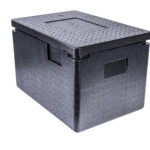
| Boîte isolée Epp | Réutilisation + manipulation brutale | Prix initial plus élevé | Coût par voyage réduit |
| Unité centrale | Parois minces + force | La cohérence des processus est importante | Meilleure efficacité de l'espace |
| Expéditeur VIP | Longue durée + petite taille | Sensibilité aux dommages | Temps de maintien maximum |
Astuces et conseils pratiques
Si vous expédiez un colis: Donner la priorité à la force des coins et à la survie, pas d'isolation seule.
Si vous envisagez de réutiliser: Choisissez des surfaces qui se nettoient facilement et résistent à l’accumulation d’eau.
Si vous expédiez des aliments surgelés: Demandez à votre entreprise de glacières pour l'expédition de produits surgelés sur les budgets de fusion et la marge de retard.
Exemple concret: Certains expéditeurs sont passés de la mousse à sens unique à des constructions réutilisables pour réduire les bris et les fuites..
Comment vérifier les tests thermiques de Ice Box Company?
Si un entreprise de glacières ne peut pas montrer de preuve de test, tu achètes une histoire. Tu veux temps dans la plage résultats, ce qui signifie combien de temps votre charge utile reste dans la bande requise. Cette mesure est conviviale pour l'acheteur car elle correspond directement à la durée de conservation et aux risques.. Cela permet également de comparer facilement deux offres.
Les tests thermiques ne représentent que la moitié de l’histoire. La manipulation peut écraser les coins, joints pop, et détruire les performances réelles. Demandez un plan de traitement adapté à vos risques de distribution.
Outils de décision utiles
Vérifiez les détails avant de choisir l'emballage
Ces outils rapides peuvent vous aider à comparer le risque d'itinéraire, besoins de dimensionnement, choix de liquide de refroidissement, et les détails de l'emballage avant de demander un devis.
Résistance aux chutes du matériau isolant
Examinez la résistance aux chutes et les facteurs de manipulation avant de choisir des matériaux d'isolation..
Vérifier la résistanceOutil d’évaluation du risque d’itinéraire
Examinez les conditions des pistes avant de sélectionner l'emballage en fonction des exigences opérationnelles réelles..
Vérifier le risque d’itinéraireCalculateur d’accumulateurs de froid
Estimation de la quantité de pain de glace pour les expéditions réfrigérées et planification pratique des itinéraires.
Estimer les packs de glace« Décodeur de rapport de test » en anglais simple (0–10)
Marquez chacun entreprise de glacières rapport:
La méthode thermique reconnue est nommée (0–2)
Les critères de réussite/échec sont écrits clairement (0–2)
La charge utile est définie (masse, remplir, température de démarrage) (0–2)
Le diagramme d'emballage et la liste des composants sont inclus (0–2)
Un plan pilote sur une voie réelle est inclus (0–2)
8–10: Des preuves solides. 5–7: Utilisable mais manque à confirmer. 0–4: Risque élevé.
À quoi ressemblent de bonnes preuves (table rapide)
| Élément de preuve | Minimum que vous devriez demander | Mieux | Ce qu'il protège |
| Résultat thermique | Résumé de la plage de temps | Ajouter un scénario de retard | Intégrité du produit |
| Profil | Été ou hiver | Été + hiver | Risque de haute saison |
| Emballage | Diagramme + Nager | Photos + étiquettes | Répétabilité |
| Plan enregistreur | Règle de placement | Plusieurs emplacements | Points chauds cachés |
| Manutention | Dépôt de base | Baisse + empiler + vibration | Rupture du joint et des coins |
Une entreprise de glacières peut-elle réduire le coût total au débarquement?
Oui, s'ils pensent au-delà du prix unitaire. Un intelligent entreprise de glacières vous aide à réduire le coût total au débarquement pour le fret, travail, dommage, réexpédie, et temps de service. Le prix unitaire est visible, mais les frais de réexpédition sont pénibles. Une panne peut coûter plus cher que des dizaines d’expéditeurs. C'est pourquoi les données de performance sont un levier de coûts, pas un « agréable à avoir ».
Le coût se cache souvent dans la complexité. Trop de SKU et trop de variantes de conditionnement créent des erreurs. Les meilleures économies proviennent généralement de la simplification., puis négociation.
Où se cache le coût (et que mesurer)
| Inducteur de coûts | Ce que vous mesurez | Ce qu'il faut améliorer avec l'entreprise de glacières | Ce que tu gagnes |
| Fret | Poids DIM + zone | Taille extérieure plus petite | Dépenses d'expédition réduites |
| Travail | Temps d'emballage par commande | Moins d'étapes + meilleur ajustement | Débit plus rapide |
| Réclamations | Remboursement + taux de réexpédition | De meilleures preuves + marge | Moins de pertes |
| Inventaire | Nombre de SKU | Inserts modulaires | Moins de frais de stockage |
Calcul rapide du retour sur investissement (simple, utilisable)
Coût de réutilisation par cycle = (coût de l'expéditeur ÷ cycles attendus) + nettoyage + expédition de retour + allocation pour perte
Économies par expédition = coût jetable − coût de réutilisation par cycle
Expéditions au seuil de rentabilité = coût initial du programme ÷ économies par expédition
Astuces et conseils pratiques
Demandez un emballage à moindre coût ça dépasse toujours ta pire voie.
Réduisez le nombre de SKU avant de pousser plus fort les prix.
Réduisez les dimensions extérieures lorsque vous le pouvez, parce que le fret évolue rapidement.
Exemple concret: Certaines marques réduisent les coûts en réduisant le poids du DIM tout en conservant la même durée de vie.
Comment exécuter un projet pilote avec une entreprise de glacières
Traitez le pilote comme un mini-lancement, pas un exemple de test. Vous voulez prouver vos performances, ajustement du processus, et préparation à l'approvisionnement. Un sérieux entreprise de glacières désigne un ingénieur, pas seulement un contact commercial. Ils documentent clairement les résultats et verrouillent les spécifications avant de les mettre à l'échelle. C’est ainsi qu’on évite les « travaux en laboratoire », échoue dans l’entrepôt.
Définir réussite/échec avant de commencer. Sinon, les résultats deviennent un débat plutôt qu'une décision.
Un plan pilote simple en 7 étapes (Howto)
Définissez votre voie: temps de transit, demeurer, et les étapes de manipulation.
Définissez votre plage de température et votre seuil de défaillance.
Définir des règles de charge utile: masse, température de départ, et contraintes.
Choisissez deux packs: à faible coût et sécurité.
Test en conditions réelles, incluant un scénario de retard.
Passez en revue les modes de défaillance avec le entreprise de glacières et itérer.
Spécification de verrouillage, entraînement, et changer de contrôle avant de mettre à l'échelle.
Liste de contrôle des critères de réussite du projet pilote (interactif)
Le temps dans la plage dépasse votre règle écrite
Le taux de dégâts reste inférieur à votre seuil
Le temps d'emballage reste conforme à votre objectif de travail
Plusieurs opérateurs peuvent répéter le conditionnement
Les matériaux et l'ajustement sont cohérents dans tous les échantillons
Exemple concret: Certains pilotes échouent uniquement pendant le temps de séjour, pas pendant le transport.
Liste de contrôle de conformité de Ice Box Company pour les secteurs alimentaire et pharmaceutique
La conformité n’est pas seulement une question de réglementation. C'est aussi une question de documentation, traçabilité, et changer de contrôle. Un crédible entreprise de glacières devrait montrer ce qui touche le produit, comment les matériaux sont contrôlés, et comment les changements sont communiqués. C’est le plus important pour le contact alimentaire, expéditions de soins de santé, et voies transfrontalières. Si votre envoi utilise glace carbonique, l'étiquetage et les règles de ventilation sûre sont également importants.
Les politiques d’emballage évoluent également avec le temps. Certaines régions restreignent certains formats de mousse ou certains groupes chimiques dans les emballages. Votre solution la plus sûre consiste à exiger un paquet de conformité et une cadence de mise à jour.
Liste de contrôle des paquets de conformité à demander
| Document | Ce qu'il couvre | Pourquoi ça compte |
| Déclaration matérielle | Type de résine/mousse + politique des additifs | Réduit le risque lié aux substances réglementées |
| Déclaration de contact alimentaire | Ce qui touche à la nourriture et aux données probantes | Réduit le risque de responsabilité |
| Conseils de nettoyage | Pour les systèmes réutilisables | Réduit les odeurs et la contamination croisée |
| Liste de contrôle pour l’expédition de glace carbonique | Poids UN1845 + marques + ventilation | Évite le rejet du transporteur |
| Plan de contrôle des changements | Règles de notification des modifications | Protège les emballages validés |
Astuces et conseils pratiques
Si vous expédiez de la nourriture de qualité supérieure, demander comment le entreprise de glacières empêche la capture des odeurs et les taches.
Si vous expédiez des produits pharmaceutiques, nécessitent un contrôle des modifications car de petits échanges peuvent interrompre la validation.
Si vous expédiez du fret aérien, demander une liste de contrôle d'acceptation de la glace carbonique et un modèle d'étiquette.
2026 Tendances de l'entreprise Ice Box que les acheteurs devraient surveiller
Dans 2026, les acheteurs s’attendent à une réflexion systémique, pièces non isolées. De plus en plus d'équipes veulent des emballages qualifiés, modulaire, et plus facile à utiliser. Ils souhaitent également une meilleure visibilité sur la température et les résultats de manipulation.. Cela pousse chaque entreprise de glacières pour mettre à niveau l'ingénierie et la documentation. La durabilité passe également du marketing à la mesure, spécialement pour les programmes de réutilisation.
Le plus grand changement est la comparabilité. Les acheteurs veulent une évaluation comparative entre les fournisseurs. Cela signifie des preuves plus claires, spécifications plus claires, et moins d'hypothèses cachées.
Aperçu des derniers progrès (ce que cela signifie pour toi)
Qualification plus spécifique à la voie: La preuve des pointes estivales et des scénarios de retard devient la norme.
Demande accrue de produits réutilisables: Les programmes se développent là où les retours sont contrôlables et nettoyables.
Simplification du rangement: Moins d'étapes réduisent les erreurs de l'opérateur pendant la haute saison.
Efficacité dimensionnelle: Des conceptions plus serrées aident à réduire les dépenses de transport.
Une traçabilité renforcée: Le suivi des lots et le contrôle des modifications réduisent le risque de dérive des performances.
FAQ sur la société Ice Box
Q1: Quelle est la première chose à demander à une entreprise de glacières?
Demandez des résultats de temps de parcours correspondant à la voie avec des critères de réussite/échec clairs. S'ils ne peuvent pas définir la charge utile et les règles, pause.
Q2: Combien de temps une glacière professionnelle doit-elle maintenir la température?
La plupart des systèmes ciblent 24 à 72 heures, selon la voie, isolation, et liquide de refroidissement. Adaptez la conception à votre pire retard.
Q3: Quel est le plus grand signal d'alarme dans une citation d'une entreprise de glacières?
Documentation manquante. Si les contrôles QC et le contrôle des modifications ne sont pas clairs, la dérive des performances devient votre problème plus tard.
Q4: Comment choisir une entreprise de glacières pour l'expédition de produits surgelés?
Commencez par la plage de congélation requise et le pire des cas. Demandez ensuite une preuve d'emballage et de manipulation sécuritaire..
Q5: Les systèmes réutilisables sont-ils toujours moins chers 2026?
Pas toujours. La réutilisation gagne au retour, nettoyage, et les contrôles des pertes sont réalistes. Demandez un modèle d'équilibre.
Q6: Dois-je conserver plusieurs tailles de boîtes pour plus de flexibilité?
Généralement non. Moins de tailles avec des inserts modulaires réduisent souvent les erreurs et les coûts d'inventaire.
Résumé: Plan d'action de votre entreprise Ice Box
Choisir un entreprise de glacières dans 2026 est une décision commerciale, pas un détail d'emballage. Concentrez-vous sur les preuves de temps de parcours correspondant à la voie, emballages répétables, et contrôles de qualité documentés. Utilisez un pilote pour exposer les modes de défaillance comme le temps de séjour, coup de cœur dans un coin, et scellement des dérives. Verrouillez ensuite la spécification et exigez le contrôle des modifications avant de mettre à l'échelle. Cette approche protège le produit, confiance dans la marque, et marge.
Prochaine étape (CTA): Présélectionnez 2 à 3 fournisseurs ce mois-ci et lancez un projet pilote sur la pire voie. Utilisez le tableau de bord ci-dessus pour classer chacun entreprise de glacières avec les mêmes critères. Si vous voulez progresser plus vite, standardiser une voie pilote et répéter les emballages chaque semaine.
À propos du Tempk
Tempk est un Emballage de la chaîne du froid équipe axée sur la fiabilité Expédition à température contrôlée. Nous prenons en charge des systèmes comme Boîtes isolées EPP et conceptions d'expéditeurs VIP, ainsi que des conseils d'emballage que les équipes d'entrepôt peuvent suivre. Notre approche met l'accent sur les tests documentés, étapes d'emballage répétables, et des contrôles de qualité qui résistent à grande échelle. Si vous partagez votre voie, bande de température cible, et méthode d'expédition, nous pouvons vous aider à définir un plan prêt pour le projet pilote.