Contrôles cool des exportateurs de briques pour l'approvisionnement transfrontalier
Un exportateur de briques cool doit conserver bien plus que des cartons pendant le transport. L'identité du composant approuvé, informations sur le liquide de refroidissement, beaucoup d'histoire, descriptif commercial, et l'état de l'emballage doit tous arriver intact. Après l'importation, l'acheteur a encore un deuxième emploi: prouvant que la brique fonctionne à l'intérieur de l'emballage isolé prévu. Le dédouanement est la preuve que les marchandises ont traversé une frontière, pas qu'ils puissent protéger la nourriture, médecine, ou échantillons. Un sourcing export important s'articule donc autour de deux axes liés : l'exécution commerciale pour le composant et la qualification technique pour son emballage final, sans permettre à l'un de se substituer à l'autre..
Dessinez deux pistes d'approvisionnement avant de comparer les devis
Déterminez d’abord ce qui traverse réellement la frontière. Un acheteur peut importer des briques de refroidissement comme marchandise pour l'inventaire local, coquilles vides ou remplissables pour la préparation à destination, ou des envois complets sensibles à la température qui contiennent déjà des briques conditionnées. Ces mouvements ont des descriptions différentes, responsabilités, et les risques.
Pour la fourniture de marchandises, l'exportateur doit protéger la brique du mélange, contamination, fuite, distorsion, et étiqueter les dégâts. L'acheteur a besoin d'une description précise de l'état fourni et de suffisamment d'informations sur la composition pour les douanes., transporteur, sécurité, et examen du marché de destination. Le produit n'a peut-être pas besoin d'être thermiquement actif pendant ce voyage, mais une chaleur inhabituelle, froid, compression, ou un stockage prolongé peut toujours affecter une coque, fermeture, étiquette, ou liquide de refroidissement. Demander au fabricant de définir toutes les limitations pertinentes en matière de transport et de stockage.
Les formats vides ou remplis localement modifient la carte des responsabilités. Une masse entrante plus faible peut sembler attrayante, mais l'opération de destination prend le contrôle du matériau de remplissage, quantité de remplissage, fermeture, contrôles d'intégrité, identification, et préparation. Ce processus local doit être spécifié et vérifié. Une facture de transport inférieure ne constitue pas une économie si elle crée une composante thermique incontrôlée.
Quand les briques voyagent à l’intérieur d’un envoi sensible à la température, l'expéditeur exporte un système d'emballage, pas seulement un élément de liquide de refroidissement. Les conditions de transport approuvées proviennent du propriétaire de la charge utile. La configuration complète comprend l'isolation, modèle et nombre de liquide de refroidissement, conditionnement, masse de la charge utile et état de départ, séparateurs, arrangement, fermeture, surveillance, exposition externe, et le timing. Le rapport sur les composants d’un exportateur ne peut pas combler les lacunes de la définition de ce système..
Cartographier les acteurs juridiques et opérationnels à côté de ces pistes. Identifier le fabricant, remplissage si différent, propriétaire de la marque, vendeur, exportateur officiel, importateur, représentant en douane, transporteur, distributeur local, et propriétaire final du pack. État qui libère la production, qui prépare les documents commerciaux, qui examine la classification, qui détient les dossiers techniques, et qui approuve l'utilisation du pack. Un exportateur commercial peut être un canal viable, mais le chemin de retour vers l'usine responsable doit être démontrable.
Les règles Incoterms peuvent clarifier la livraison, transfert de risque, coûts sélectionnés, modalités de transport, et formalités douanières entre vendeur et acheteur. Utiliser la règle convenue avec un lieu nommé et un ensemble de règles actuel. Les Incoterms ne définissent pas la conformité des produits, titre, recours en matière de paiement, qualification thermique, ou les preuves requises suite à un défaut. Ces articles appartiennent aux accords de vente et de qualité.
Faire en sorte que chaque document d'exportation pointe vers le même élément
Les noms génériques constituent une base fragile pour le contrôle transfrontalier. "Brique de glace," "bloc congélateur," "Panneau PCM," et "paquet de gel» peut décrire différentes constructions. Le bon de commande doit identifier un modèle de fabricant, révisions des dessins et des spécifications, état de livraison, famille de liquides de refroidissement à un niveau de divulgation convenu, coque et fermeture, étiquette de l'unité, format de lot, emballage unitaire et principal, et site de fabrication ou de remplissage agréé.
Utilisez cette définition pour réconcilier le fichier d'exportation:
| Enregistrer | Informations qui doivent convenir | Vérification de la portée de l'acheteur |
|---|---|---|
| Devis et bon de commande | Modèle, révision, base de quantité, état de remplissage, emballage, lieu de livraison convenu | L'offre commerciale décrit le composant approuvé |
| Facture commerciale | Parties juridiques, description précise des marchandises, valeur, devise, quantité, terme commercial | La description prend en charge l'examen douanier sans allégations inventées |
| Liste de colisage | Cartons, palettes, nombre d'unités, définitions de masse nette et brute, marques | Les totaux sont rapprochés des étiquettes physiques et des données de réservation |
| Spécification technique | Géométrie, tolérances, contrôle d'identité du liquide de refroidissement, fermeture, étiquette, emballage | La même révision a été échantillonnée, libéré, et expédié |
| Informations sur la sécurité ou la composition | Formulation réellement fournie et révision actuelle | Prise en charge de l'évaluation; ne crée pas une approbation universelle du marché |
| Preuve de libération du lot | Modèle, parcelle, quantité, critères appliqués, écarts, autorisation | Les résultats remontent à l'envoi de fabrication |
| Registres de transport et d’origine | Destinataire, packages, itinéraire, origine déclarée si nécessaire | Les parties compétentes confirment le traitement spécifique à la destination |
| Index du rapport de test | Identité du composant ou du pack, méthode, configuration, date | Chaque conclusion reste dans le périmètre testé |
Il ne s’agit pas d’une liste de contrôle douanière universelle. Permis requis, déclarations, langue, prise en charge de l'origine, ou les preuves matérielles varient selon les marchandises, itinéraire, destination, et le rôle de l’acheteur. La valeur du tableau est la cohérence: le carton arrivant à la réception doit être le même article contrôlé décrit dans les dossiers techniques et commerciaux.
Clarifier la terminologie de masse. Remplissage de liquide de refroidissement, masse de coquille vide, masse unitaire remplie, masse nette du carton, et la masse brute de l'expédition répondent à différentes questions. Une divergence peut être une simple erreur de rédaction, mais cela peut également révéler un remplissage ou un nombre modifié. Convenir des unités et des conventions décimales, surtout lorsque les documents sont multilingues.
La classification doit suivre le produit réel, pas le mot marketing « glace ». Obtenir une composition suffisamment détaillée et des informations sous forme fournie, alors demandez à l'importateur, spécialiste des douanes, et le transporteur confirme le traitement actuel. Une eau scellée- ou la brique de liquide de refroidissement à changement de phase n'est pas glace carbonique. La glace sèche est un dioxyde de carbone solide, produit du gaz en se sublimant, et comporte des considérations distinctes en matière de transport aérien. Si la formulation ou l'état fourni change, réévaluer la conclusion précédente.
Le contrôle des documents se poursuit après la traduction. Identifier la langue faisant autorité, approuver les étiquettes et les instructions locales, et supprimer les révisions obsolètes des distributeurs. Des termes tels que gelé, conditionné, plage de stockage, gamme de transport, et le comportement de changement de phase ne doit pas être utilisé de manière interchangeable. Une instruction de préparation mal traduite peut modifier l’état de départ de chaque emballage local.
Ingénieur Fret autour de l'intégrité des composants et de l'utilisation au sol
Les briques remplies peuvent rendre la masse du fret entrant importante, alors comparez les offres à l'unité emballée, carton, et les informations sur les palettes plutôt que le prix unitaire seul. Le coût d'utilisation au débarquement peut inclure le produit, développement ou œuvre d’art, emballage principal, fret, assurance si sélectionnée, devoirs, courtage, gestion des destinations, inspection, stockage, capacité de conditionnement, stock rejeté, et élimination ou retour. Conservez des estimations spécifiques à chaque voie et vérifiez les engagements des fournisseurs au lieu de publier un coût standard ou une commande minimum..
L’emballage secondaire a besoin de preuves propres. L'empilement concentré peut presser les bouchons, coutures, ou bords moulés. Les cartons en vrac peuvent subir des chocs et une abrasion. Demandez la construction du carton, séparateurs, orientation de l'unité, modèle de palette, protection des bords, emballage, limites d'empilement, et méthode de chargement du conteneur. Une expédition pilote doit utiliser l'emballage de production proposé; les échantillons de salle d'exposition transportés par courrier ne testent pas la réalité des palettes.
Emballages en bois, marques, et l'élimination à destination peut introduire des exigences spécifiques aux voies. Confirmez-les auprès des responsables logistiques et douaniers. N'ajoutez pas de tampon ou de symbole de recyclage d'apparence officielle sans base valable.. Si une palette non bois est proposée, vérifier la charge, matériel de manutention, stabilité, et hypothèses de rétablissement local.
Inspecter les endroits où le risque peut différer selon une charge. Cartons aux bords des palettes, couches supérieures, et près d'une paroi de conteneur, il peut y avoir une pression ou une exposition environnementale différente de celle des cartons au centre. Une inspection avant expédition doit avoir un plan d'échantillonnage défini, méthodes, classes de défauts, et pouvoir de disposition. Les photographies sont des documents utiles mais ne peuvent remplacer les contrôles d’identité, quantité, dimensions, contrôles liés à la masse, ou l'intégrité des fuites lorsque ces caractéristiques sont importantes.
L'inspection à l'arrivée complète le projet pilote. Réconcilier les codes de palette et de lot, examiner les cartons à travers les positions, vérifier l'humidité, odeur, déformation, dommages à la fermeture, contamination, et perte d'étiquette, et effectuer des contrôles de composants sélectionnés à partir du plan convenu. Les cartons ouverts par les douanes ou visiblement perturbés nécessitent un examen défini avant leur libération. Congeler une brique endommagée plus tard ne répare pas les dommages causés par la chaleur., incompatibilité chimique, ou une fermeture compromise.
Les conditions de non-conformité doivent être convenues avant l'expédition. Le retour des marchandises lourdes peut être inefficace, tandis que l'élimination locale peut nécessiter une approbation. Définir la préservation des preuves, quarantaine, enquête, crédit ou remplacement, répartition du fret, disposition sécuritaire, et actions correctives. Le règlement commercial et le travail technique sur les causes profondes résolvent différentes parties du problème.
N'exportez pas la qualification au-delà de ses limites testées
Un rapport thermique n'est utile que lorsque sa configuration peut être reconstituée. Déterminer s'il s'agit de matériau de refroidissement, un composant rempli, un récipient isolé, un package complet en chambre, ou un vrai itinéraire. Chaque niveau soutient une conclusion plus étroite.
Pour les preuves d'emballage, examiner le conteneur exact, isolation, charge utile ou simulant justifié, état de départ de la charge utile, coolant model, nombre et état, arrangement, barrières, emplacements des capteurs, profil externe, durée, critères d'acceptation, écarts, et approbation du rapport. Si la brique de production importée diffère de l'échantillon de test, effectuer une comparaison documentée et les travaux supplémentaires justifiés par le risque.
La norme ISTA 7E traite des problèmes thermiques emballage de transport en livraison de colis, et norme 20 fournit un processus de conception et de qualification pour conteneurs d'expédition isolés. Ces frameworks peuvent prendre en charge un package défini. Ils ne certifient pas une brique en vrac ou chaque emballage vendu par un exportateur.. Vérifier le laboratoire, rapport, édition standard, configuration, et toute autorisation derrière une revendication ou une marque de certification.
Un ISO 9001 le certificat fournit la preuve d'un système de gestion de la qualité au sein de son entité juridique déclarée, site, et la portée. Il ne certifie pas les propriétés thermiques des composants, contact alimentaire, classement douanier, ou une voie de soins de santé. Demandez des contrôles de produits et des enregistrements de tests en plus de vérifier la validité et la portée du certificat.
Outils de décision utiles
Vérifiez les détails avant de choisir l'emballage
Ces outils rapides peuvent vous aider à comparer le risque d'itinéraire, besoins de dimensionnement, choix de liquide de refroidissement, et les détails de l'emballage avant de demander un devis.
Liquide de refroidissement & Référence PCM
Comparez les options de liquide de refroidissement et de PCM lorsqu'un itinéraire nécessite une prise en charge supplémentaire de la température.
Comparez les optionsRéférence du matériau isolant
Comparez les choix de matériaux d'isolation pour différents besoins d'emballage de la chaîne du froid.
Comparez les matériauxCalculateur de glace carbonique
Estimer les besoins en glace carbonique pour les envois congelés ou ultra-froids avant l'emballage.
Estimation de la neige carboniqueLes expéditions aériennes de soins de santé introduisent une autre couche distincte. Les réglementations sur le contrôle de la température de l'IATA couvrent les exigences de transport et de manutention des marchandises médicales sensibles à la température.. L'étiquette sensible au temps et à la température est utilisée pour les envois réservés dans cette catégorie et indique la plage de température de transport externe.. Il n'affiche pas la plage d'acceptation interne de la charge utile et ne qualifie pas le packout.. Confirmer les procédures actuelles du transporteur, y compris l'acceptation de toutes les piles, bûcherons de données, appareils de transmission, ou des marchandises dangereuses dans l'envoi complet.
La distribution à destination peut nécessiter un nouveau travail. Une brique qualifiée dans une boîte d'origine ne transporte pas cette preuve dans une autre boîte locale, congélateur, charge utile, ou itinéraire du dernier kilomètre. Les équipes locales ont besoin de la définition des composants contrôlés, méthode de préparation, instructions d'emballage, plan de surveillance, entraînement, et processus de changement. Il s'agit du transfert d'une configuration qualifiée, et non du transfert d'une revendication marketing..
Une importation pilote devrait tester la destination, Pas seulement le port
Imaginez qu'un importateur envisage de fournir une brique à deux sites de conditionnement régionaux. L'exportateur envoie un échantillon adapté qui correspond aux deux boîtes à température ambiante, et le devis de palette semble favorable. Pendant l'examen de l'état de préparation, un site révèle que les briques sont conditionnées verticalement avec un large flux d'air; l'autre les empile à plat dans des caisses denses. Un site reconditionne des kits de laboratoire légers, tandis que l'autre utilise une charge utile de nourriture plus lourde. Leurs itinéraires du dernier kilomètre et leurs pratiques d'ouverture diffèrent également.
L'importateur ne considère pas une déclaration d'origine comme une approbation pour les deux systèmes.. Il verrouille la révision du composant, envoie des unités pilotes représentatives de la production via l'emballage d'exportation proposé, et vérifie l'adéquation à l'état préparé sur chaque site. Chaque opération documente la capacité et l’état de préparation du conditionnement, effectue ensuite l'évaluation du système appropriée à sa boîte, charge utile, exposition saisonnière, cas de retard, et manipulation.
Le pilote teste également le flux d'informations. Les projets de factures et listes de colisage sont adressés au représentant en douane avant expédition. Les codes de palette et de lot sont rapprochés à l'arrivée. Les instructions en langue locale sont vérifiées par les emballeurs qui ne les ont pas rédigées. Une plainte simulée teste si l'exportateur peut connecter une unité de destination à la sortie d'usine et si l'usine peut conserver des preuves.
La même brique peut finalement fonctionner dans les deux programmes, mais la décision repose désormais sur deux demandes contrôlées. Si ce n'est pas le cas, l'importateur se renseigne avant d'engager un conteneur plein ou de faire des réclamations clients.
Qualifier l'exportateur grâce à un essai reproductible
Utiliser un échantillon représentatif de la production et un cycle pilote pour tester à la fois la discipline technique et commerciale:
Demander à l'exportateur d'indiquer le fabricant, site, révision du produit, niveau de contrôle de la formulation, et toutes les hypothèses derrière le langage de performance.
Réconcilier l'échantillon avec son dessin, parcelle, étiquette, informations de sécurité, et emballage de production proposé.
Faire examiner par les équipes des douanes et des transporteurs l'état et la description réelle de la livraison., pas une catégorie de catalogue générique.
Testez l'ajustement gelé ou conditionné, état de fermeture, identification, et manutention dans l'opération de destination.
Examinez le package complet par rapport à sa charge utile et à son itinéraire prévus plutôt que d'évaluer la brique seule..
Approuver les projets de documents d'expédition avant la libération de la cargaison et effectuer une inspection à l'arrivée sur les positions des palettes.
Retracer une unité pilote à travers les enregistrements d'exportation jusqu'à la sortie d'usine.
Simuler un matériau, site, ou changement d'emballage et confirmer que l'approvisionnement s'arrête pour évaluation de l'acheteur si nécessaire.
Pour un approvisionnement récurrent, erreurs du document de tendance, cartons endommagés, fuites, déformation, échecs d'identification, événements de livraison, et réponse aux réclamations par lot et par voie. Enregistrer les performances réelles du transport en commun, mais ne transformez pas une importation fluide en un délai de livraison fixe ou une réclamation de durabilité. Les plans de continuité doivent identifier des alternatives qualifiées et des règles d'activation; un substitut disponible n'est pas utile si son statut technique est inconnu.
FAQ
Comment les acheteurs doivent-ils confirmer le code douanier d'une brique cool?
Fournir à l'importateur ou au spécialiste des douanes qualifié une construction précise, composition, état fourni, et utiliser la description. La classification dépend des règles tarifaires nationales applicables et des faits concernant les marchandises.. Conservez la justification avec le fichier d'importation et examinez-la après des modifications de matériau ou de formulation.. Un code utilisé par un autre acheteur ou copié depuis une place de marché ne constitue pas une preuve suffisante.
Les briques de liquide de refroidissement sont-elles remplies de marchandises dangereuses dans le fret aérien?
Il n'y a pas de réponse responsable basée uniquement sur le nom. Vérifiez les ingrédients réels, concentration, forme physique, quantité, conditionnement, et les règles actuelles en matière de mode et de transporteur. Obtenir les informations actuelles sur la composition et la sécurité auprès du fabricant, puis confirmer auprès du personnel compétent en matière de marchandises dangereuses et de transporteur. D'autres articles dans l'envoi peuvent créer des restrictions distinctes.
Un importateur doit-il acheter des briques remplies ou remplies à destination?
Les unités remplies peuvent simplifier la formulation et la consistance du remplissage, mais augmenter la masse transportée. Les unités remplies à destination peuvent modifier l'économie du fret lors du transfert de matériel, remplissage, fermeture, intégrité, et contrôles de traçabilité jusqu'à l'importateur. Comparez le processus opérationnel complet et les preuves requises. La modification de l'emplacement ou de la méthode de remplissage peut également nécessiter une nouvelle évaluation des composants et de l'emballage..
Le rapport thermique d’un exportateur peut-il qualifier le colis de l’acheteur?
Uniquement lorsqu'un examen documenté montre que le composant testé, boîte, charge utile, préparation, arrangement, capteurs, défi externe, et les critères d’acceptation représentent la configuration commerciale de l’acheteur. Sinon, le rapport est une information de développement. Le propriétaire du produit doit autoriser le protocole et la conclusion pour sa propre expédition et définir quand les changements futurs déclencheront une réévaluation..
Le contrôle transfrontalier est le véritable objectif de l’exportateur
Le meilleur exportateur de briques cool préserve une identité technique grâce à la fabrication, dossiers commerciaux, fret, arrivée, et usage local. Il indique ce qui est connu, fournit des preuves dans les limites du champ d'application, et empêche les substitutions de traverser la frontière avant l'examen de l'acheteur. L'importateur ajoute une classification de destination, recevoir des contrôles, préparation locale, et qualification de pack complet.
Cette division transforme un achat en une voie d'approvisionnement reproductible. Comparez les exportateurs sur la qualité de leurs produits, documents, palettes, traçabilité, et le processus de changement reste synchronisé, et non sur une réclamation de durée non justifiée ou sur le prix de composant le plus bas.
À propos du tempk
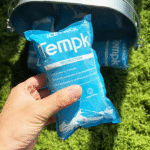
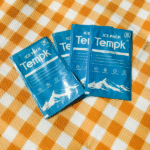
Nous proposons des options de briques de glace rigides dans la gamme d'emballages à température contrôlée de Tempk et pouvons discuter de la sélection du modèle., étiquettes, exigences en matière de liquide de refroidissement, et emballage export pour un projet défini. Nous gardons la recommandation liée au conteneur, charge utile, destination, processus de préparation, et documenter les besoins que vous partagez; l'acheteur confirme quand même le traitement douanier et qualifie l'emballage complet. Pour le contrôle des exportateurs, nous pouvons également identifier les détails techniques qui doivent rester verrouillés depuis l'échantillon approuvé jusqu'à la production et ceux qui nécessitent une confirmation de la destination ou du transporteur..
Envoyez à Tempk votre flux d'origine à destination et votre proposition d'utilisation locale pour demander un échantillon spécifique au modèle et un examen du document d'exportation avant la mise à l'échelle..