Diligence raisonnable du distributeur Cool Brick pour les acheteurs
Le meilleur distributeur de cool brick n'est pas forcément celui qui a le stock le plus proche ou le catalogue le plus large. C'est le partenaire de distribution qui peut prouver quel produit il a livré, conserver sa révision et son lot, conserver les allégations dans les preuves, et contactez le fabricant responsable lorsque quelque chose change. Ce contrôle est essentiel car une brique froide n'est qu'une source de stockage thermique à l'intérieur d'un packout passif.. Il ne qualifie pas indépendamment le récipient isolé, charge utile, préparation, profil ambiant, ou itinéraire. La sélection du distributeur doit tester la responsabilité aussi soigneusement que la disponibilité.
Identifiez le modèle de service que vous achetez réellement
Le mot « distributeur » peut décrire plusieurs entreprises. Une entreprise peut détenir un stock fini et assurer une livraison locale. Un autre peut importer sur commande sans posséder de stock. Un vendeur de marque privée peut contrôler les spécifications tout en faisant appel à une usine sous contrat. Certains partenaires divisent les cartons, traduire les étiquettes, assembler des kits, conditionner les briques, organiser des tests, ou fournir une formation complète. Chaque service ajouté modifie les preuves et les responsabilités que les acheteurs doivent examiner.
Tracez le chemin avant de demander un prix. Identifiez le fabricant ou le propriétaire de la marque responsable, site de remplissage et de fermeture si différent, vendeur légal, importateur, lieu de stockage, et l'entité qui effectue la version finale. Confirmer à qui appartient le dessin contrôlé, qui peut approuver un changement important, et qui enquête sur un défaut. Si le distributeur ne nomme pas une usine parce que le produit est une marque privée, il devrait toujours montrer comment il qualifie et supervise la fabrication.
Décidez ensuite quels avantages locaux sont importants. Versions plus petites, facturation nationale, réapprovisionnement plus court, prise en charge linguistique, fret consolidé, retours locaux, ou l'accès aux échantillons peut justifier une marge de canal. Un service n'a de valeur que lorsqu'il est spécifié. « Assistance technique," Par exemple, cela pourrait signifier transmettre une fiche technique, coordination avec un ingénieur emballage, emballeurs de formation, ou exploiter un laboratoire d'essais. Demandez ce qui est inclus et qui est qualifié pour le faire.
Le préconditionnement crée une frontière particulièrement importante. Un distributeur qui vend des briques en stockage ambiant contrôle un composant. Un distributeur qui les congèle ou les conditionne pour une utilisation immédiate contrôle également un processus de préparation thermique.. Revoir le matériel, modèle de chargement, critère de libération, ségrégation de statut, surveillance, allocation d'étape, et transfert. L'air froid de l'entrepôt ne prouve pas que chaque brique a atteint l'état requis.
Écrivez les rôles convenus dans l'accord d'approvisionnement ou de qualité. Sinon fabricant, distributeur, et l'acheteur peut chacun supposer qu'une autre partie détient le rapport actuel, bloque beaucoup de choses changées, ou décide si un substitut est acceptable.
Exécutez trois tests avant d'approuver la chaîne
Les brochures montrent ce qu'un partenaire souhaite vendre. De courts exercices montrent comment se comporte la chaîne.
Le test d'identité
Commandez un échantillon par le même itinéraire qui approvisionnera la production. Enregistrer son code distributeur, code du fabricant d'origine, le cas échéant, révision, parcelle, étiquette, et documents d'accompagnement. Demandez au distributeur de le retracer jusqu'à sa réception et les informations de sortie du fabricant.. Si les cartons principaux sont divisés, inspecter la façon dont l'identité du produit et les instructions sont transférées vers le plus petit emballage.
Suivant, choisissez un document technique et demandez comment le distributeur confirme qu'il est à jour. Le dessin, spécification, conseils de manipulation, informations de sécurité, et le résumé du test doivent tous identifier le même produit. Une feuille de liquide de refroidissement générique ou un graphique de chambre sans étiquette ne peut pas établir l'identité de l'unité sur votre bureau..
Le test du jugement
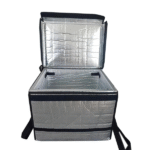
Fournir un dossier incomplet: un partiellement chargé boîte isotherme, un produit sensible au gel, un couloir de colis avec un possible retard de nuit, et pas de disposition finale des briques. Demander une recommandation. Un interlocuteur compétent demandera les exigences du Product Owner, dimensions et isolation du conteneur, masse de la charge utile et condition de départ, limites de contact direct, exposition ambiante, ressources de préparation, cas de retard, et statut de qualification.
Une promesse immédiate d’une durée déterminée est une réponse faible. Un point de changement de phase, masse de brique, ou le réglage du congélateur ne détermine pas l'historique de température d'une charge utile non spécifiée. Un support technique utile reconnaît quand une question doit être renvoyée au propriétaire du produit, fabricant, laboratoire, transporteur, ou un spécialiste local de la réglementation.
Le test des incidents
Simuler une plainte. Déclarer que plusieurs briques d'une livraison récente semblent déformées et qu'une d'entre elles a coulé. Demandez qui bloque les stocks locaux, quelles informations l'acheteur doit conserver, comment les livraisons concernées sont identifiées, lorsque le fabricant est contacté, et comment le remplacement et l'enquête se déroulent en parallèle. Simulez ensuite une proposition de changement de fabricant et observez si le distributeur peut identifier les clients qui ont reçu la révision précédente..
Ces tests ne nécessitent pas la divulgation de données confidentielles non pertinentes. Ils nécessitent une chaîne d’identité fonctionnelle, escalade, et appropriation des décisions.
Contrôles de score pouvant être démontrés
Utilisez des portes non négociables pour l'identité, traçabilité, documents requis, et changer la communication. Notez les préférences de service uniquement après le passage de ces portes.
| Porte de décision | Preuve à examiner | Une forte réponse de la chaîne | Une raison de faire une pause |
|---|---|---|---|
| Origine et révision du produit | Exemple d'enregistrement, document source, dessin, chemin du lot | Les codes et les documents se rapprochent tout au long de la route d'approvisionnement | Les produits similaires sont regroupés sous un seul nom local |
| Contrôle technique des réclamations | Contexte de test complet et formulation de vente approuvée | Les instructions de durée et de plage restent liées à un packout nommé | Les fonctionnalités des composants sont promues comme garanties d'itinéraire |
| État des stocks | Réception, libérer, quarantaine, rotation, et choisir des disques | Moyens disponibles détenus physiquement, libéré, et identifiable | Le « Stock » comprend les commandes d'usine non confirmées |
| Remplacement et changement | Parcours de révision écrite et exemple passé | L'inventaire concerné est bloqué jusqu'à ce que l'acheteur en dispose. | Les soldes peuvent remplacer un modèle par taille ou couleur |
| Traitement des réclamations | Formulaire d'admission, preuves conservées, contacts d'escalade | Endiguement, remplacement, et le travail sur les causes profondes sont distincts | Le crédit est émis mais aucune enquête technique n'a lieu |
| Service ajouté local | Portée, compétence, équipement, et des enregistrements | Mise en kit, étiquetage, ou le conditionnement est contrôlé et vérifiable | Le service est décrit mais aucun processus responsable n'existe |
Le tableau évite que la taille de l'entreprise ou le statut d'autorisation ne devienne un raccourci. Un partenaire agréé peut toujours mal gérer les stocks; un distributeur indépendant ou sous marque privée peut être crédible lorsqu'il contrôle le produit et la chaîne d'approvisionnement de manière transparente. L'acheteur a besoin de preuves du modèle qui existe réellement.
Le langage de la certification doit rester précis. Un certificat de système de gestion concerne son entité nommée, site, et la portée; il n'établit pas la température de la charge utile. Norme ISTA 20 et 7E concernent la qualification définie des conteneurs d'expédition isolés et les tests thermiques des colis, pas une brique en vrac. Les directives de l'OMS concernant les packs de liquide de refroidissement s'appliquent à certains équipements de vaccination et ne doivent pas être étendues à tous les gels commerciaux ou packs à changement de phase.. Un distributeur ajoute de la crédibilité en gardant ces limites visibles.
Rendre l’inventaire local traçable et utilisable
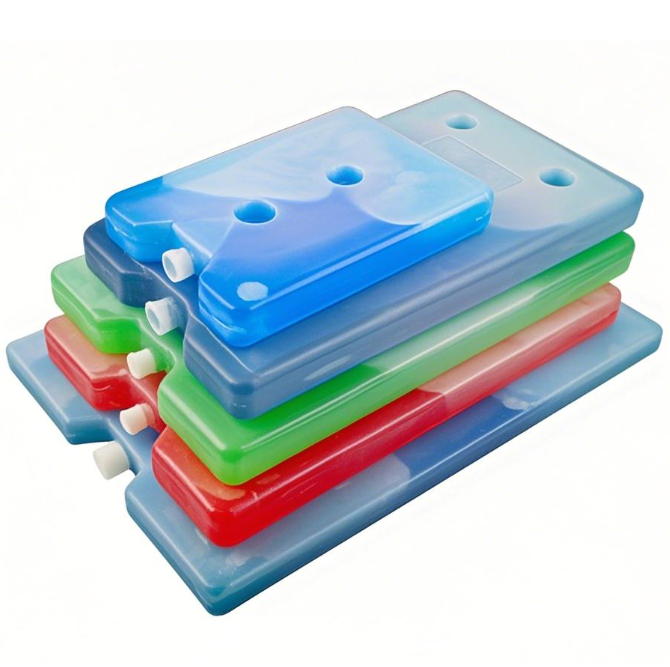
L’approvisionnement local ne réduit la distance que si l’état des stocks est fiable. Vérifiez comment l'entrepôt reçoit, inspecte, protège, et sépare les produits. Des coques similaires peuvent contenir différents médias ou représenter différentes révisions, les contrôles de localisation et de sélection ne doivent donc pas reposer uniquement sur la couleur. Mis en quarantaine, revenu, endommagé, et les unités vendables nécessitent une séparation claire.
Les conditions de stockage doivent suivre les informations actuelles du fabricant. Même les briques non conditionnées peuvent être endommagées par écrasement, contamination, exposition inappropriée, ou un mauvais reconditionnement. Les cartons doivent protéger les fermetures et les bords, et la manutention des palettes doit préserver les étiquettes. Si le distributeur reconditionne pour les petites commandes, le nouveau pack doit conserver l'identité de l'article, association de lots, instructions pertinentes, et une protection physique sûre.
Demandez ce que signifie « disponible » dans son système. Est-ce qu'il y a du stock physiquement dans l'installation locale? Est-ce qu'il a réussi à recevoir? Est-ce réservé à un autre acheteur? Est-ce qu'il correspond à la révision approuvée? Comment l'allocation est-elle gérée en cas de pénurie? Un accord écrit sur les actions peut couvrir les prévisions, version ferme, possession, rotation, et stocks excédentaires, mais il ne faut pas la confondre avec une garantie illimitée.
Le produit retourné nécessite une décision avant la revente. Manipulation inconnue, contamination, dégâts d'obus, et la perte d'identité peut rendre une unité retournée inutilisable même si elle semble intacte. Un distributeur exploitant une boucle de réutilisation ou de location a besoin d'être nettoyé, inspection, quarantaine, et des règles de retraite adaptées à l'application. Un retour reçu d'une route alimentaire ne doit pas automatiquement entrer dans un canal clinique.
Outils de décision utiles
Vérifiez les détails avant de choisir l'emballage
Ces outils rapides peuvent vous aider à comparer le risque d'itinéraire, besoins de dimensionnement, choix de liquide de refroidissement, et les détails de l'emballage avant de demander un devis.
Vérificateur de risque d'itinéraire
Examinez les conditions des pistes avant de sélectionner l'emballage en fonction des exigences opérationnelles réelles..
Vérifier le risque d'itinéraireCalculateur de banquise
Estimation de la quantité de pain de glace pour les expéditions réfrigérées et planification pratique des itinéraires.
Estimer les packs de glaceRéférence du matériau isolant
Comparez les choix de matériaux d'isolation pour différents besoins d'emballage de la chaîne du froid.
Comparez les matériauxLa traçabilité doit parvenir au reçu de l’acheteur. Décidez si le carton, paquet, ou un suivi de l'unité est nécessaire. Le niveau choisi doit rendre pratique un rappel ou une enquête sans imposer de dossiers qui ne réduisent pas les risques.. Si les étiquettes locales remplacent les étiquettes d'origine, la base de données du distributeur doit préserver la relation entre eux.
Contrôler ce qui se passe en cas de pénurie et de changement
Les pénuries révèlent si l’urgence commerciale l’emporte sur le contrôle technique. Un distributeur peut proposer une brique de mêmes dimensions, couleur, ou capacité nominale. Ces similitudes ne prouvent pas l'équivalence. Formulation du liquide de refroidissement, masse remplie, superficie, coquille, fermeture, comportement de phase, et la géométrie conditionnée peut affecter l'emballage.
Exiger du distributeur qu'il identifie les clients et les configurations pour lesquels la substitution est interdite sans examen. Un remplaçant doit fournir une comparaison documentée avec la spécification contrôlée et les preuves de l'ensemble complet.. En fonction des différences, le propriétaire du produit peut avoir besoin d'une révision des documents, vérifications des composants, une étude de ponts thermiques, ou requalification plus large. Jusqu'à la disposition, une commande en souffrance ou un autre plan d'expédition approuvé est plus sûr qu'un remplacement silencieux.
Les changements de fabricant nécessitent le même itinéraire. Le propriétaire de la marque initie la notice technique, le distributeur identifie les stocks et les clients concernés, et l'acheteur évalue le formulaire, ajuster, fonction, sécurité, documentation, et qualification. L'accord devrait couvrir le liquide de refroidissement, résine de coquille, pigment, fermeture, moule, site, processus critique, étiquette, et les changements d'emballage qui peuvent avoir de l'importance. Le distributeur ne doit pas décider seul qu'une révision est mineure simplement parce que le nom du produit reste inchangé..
Les revendications et les traductions sont également des changements. Un catalogue local qui raccourcit un rapport en « garde au froid pendant des jours » a modifié le sens. Approuver la formulation destinée au client, contrôle traductions, et examiner les listes de marchés ainsi que les brochures officielles. « Réutilisable » ne doit pas devenir un inventaire cyclique non vérifié ou une conclusion environnementale.
Scénario pratique: le substitut pratique
Un expéditeur de produits alimentaires spécialisés achète une brique rigide nommée auprès d'un distributeur local pour un fourre-tout isolé bien établi.. Le distributeur s'épuise plus tard et propose un autre panneau bleu qui s'adapte à la même poche. Le remplacement peut arriver immédiatement, alors que l'original peut manquer la fenêtre de promotion.
Les achats voient initialement un échange à faible risque, mais le dossier technique montre des différences de masse totale, fermeture, et description du liquide de refroidissement. Le rapport de conditionnement existant identifie la pièce d'origine et sa préparation. Aucune preuve n'établit que le panneau proposé créera les mêmes endroits chauds et froids.
L’acheteur sépare la question urgente de l’approvisionnement du développement de sources alternatives. La planification utilise un stock approuvé confirmé pour une expédition réduite et envisage une autre option de service contrôlé pour le reste.. L'ingénierie reçoit des échantillons traçables du candidat, vérifie l'ajustement conditionné et les attributs des composants, et définit la comparaison thermique nécessaire pour le fourre-tout et la charge utile réels. Le distributeur formalise un signalement de non-substitution pour ce compte.
Si l’alternative réussit plus tard l’examen de l’acheteur, cela devient une éventualité contrôlée. Jusque-là, son aspect pratique n'est pas considéré comme une preuve technique. L'épisode devient un test utile pour le distributeur: le partenaire aide à préserver l'identité et à coordonner l'évaluation au lieu de pousser une vente sans support.
Évaluer la valeur commerciale après le passage des barrières techniques
Un distributeur local peut coûter plus cher par unité tout en réduisant l'administration des importations, taille de la commande, exposition aux devises, fragmentation du fret, et temps de réponse. Comparez les coûts de livraison et d'exploitation sur le même périmètre. Inclure la livraison locale, impôts, suppléments, inspection, stock réservé, support documentaire, retours, travail de plainte, et le coût des stocks détenus par rapport à une révision approuvée.
Les arrangements territoriaux sont importants lorsqu'ils affectent l'accès au produit ou au fabricant. Confirmez si le partenaire est autorisé pour la famille de produits et la zone géographique exactes, quelles informations techniques il peut partager, et si les sous-distributeurs sont autorisés. L'exclusivité peut simplifier la responsabilité mais peut augmenter le risque lié au canal unique. Plusieurs vendeurs peuvent améliorer le choix mais créer des réclamations incohérentes ou une visibilité des lots. Le bon modèle est celui que les parties peuvent contrôler.
Définir des mesures de performances qui révèlent la qualité de la chaîne. Les exemples incluent l'exactitude des documents, livraison à temps par rapport aux engagements convenus, écarts de stocks, substitutions non autorisées, exercices de traçabilité, confinement des plaintes, remise d'un avis de modification, et l'achèvement de la formation. Examinez les modes de défaillance séparément plutôt que de les cacher dans un large score de service..
Le support après la livraison doit rester dans les limites de l'expertise. Un distributeur peut fournir des documents produits, expliquer son processus de manipulation, coordonner l'entrée du fabricant, et aider à préserver les preuves. Il ne devrait pas décider si un médicament, échantillon, ou l'aliment est utilisable après une excursion de température, sauf s'il en a la responsabilité formelle et les informations nécessaires sur le produit. Cette disposition appartient au propriétaire du produit autorisé ou au processus qualité..
Questions fréquemment posées
L'autorisation du fabricant prouve-t-elle la qualité du distributeur?
L'autorisation confirme une relation commerciale sur son territoire et sa portée de produit déclarés. Il peut améliorer l'accès aux documents et au support d'usine, mais cela ne prouve pas le stockage local, traçabilité, libérer, entraînement, ou contrôles de plaintes. Vérifier l'autorisation le cas échéant, puis évaluez les propres opérations du distributeur et le composant exact proposé.
Chaque livraison doit-elle inclure un certificat d'analyse?
Cela dépend de la stratégie de contrôle convenue. Un document de lot n'est utile que lorsqu'il nomme des attributs significatifs, méthodes, limites, et le lot de production. Certains programmes peuvent utiliser un certificat de conformité ainsi que des contrôles des fournisseurs et des chèques de réception; d'autres peuvent nécessiter des résultats supplémentaires spécifiques au lot. Définir les preuves avec la fonction qualité de l’acheteur au lieu de collecter un certificat générique.
Un distributeur peut-il organiser la qualification des emballages?
Il peut coordonner des échantillons, un laboratoire, ou support technique, mais les rôles doivent être clairs. L'étude a besoin du conteneur réel, charge utile ou simulateur justifié, liquide de refroidissement, préparation, arrangement, défi ambiant, capteurs, et critères. Confirmer à qui appartient le protocole, données brutes, écarts, rapport, et approbation finale. La coordination des fournisseurs ne transfère pas automatiquement la responsabilité du propriétaire du produit.
Le stock local est-il toujours moins risqué que l’importation directe?
Non. Le stock local peut améliorer le réapprovisionnement et la communication, tandis que l'approvisionnement direct peut offrir un accès plus clair aux fabricants. Comparer le contrôle des révisions, traçabilité des lots, stockage, allocation, flux de documents, notification de changement, escalade des plaintes, coût livré, et exposition dans les délais. La proximité physique n'a de valeur que lorsque l'inventaire local est publié et vérifiable.
Choisissez la chaîne qui peut répondre plus tard
Un distributeur fiable peut répondre, après la livraison, quel composant et révision vous avez reçu, d'où ça vient, comment il a été stocké, quelles affirmations soutiennent ses preuves, quels acheteurs un changement affecte, et comment une plainte parvient au fabricant responsable. Ces réponses comptent plus qu'un catalogue soigné. Testez-les avec un échantillon de trace, une demande incomplète, et un incident simulé avant l'approbation du volume. Le résultat est une commodité locale sans perdre le contrôle de la base d'emballage..
À propos du tempk
Tempk fournit du rigide briques de glace et des emballages isolés à température contrôlée et peuvent discuter des projets de distributeurs impliquant la sélection de produits, étiquetage, emballage, et informations sur la candidature. Nous encourageons les acheteurs et les partenaires de distribution à définir le territoire, utilisations cibles, modèle d'origine, portée du support technique, et flux de documents avant le lancement. Nous pouvons vous aider à organiser les modèles candidats et les documents produits pour une évaluation locale tout en gardant les revendications d'application dans les limites des preuves disponibles.. Chaque brique proposée doit rester liée à ses spécifications exactes et évaluée dans le cadre de l'emballage prévu..
Pour explorer l’adéquation du distributeur, partagez vos segments de clientèle, formats de conteneurs, conditions d'itinéraire, attentes en matière de service, et les besoins en matière de contrôle des changements avec Tempk.