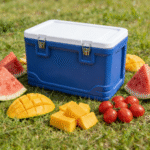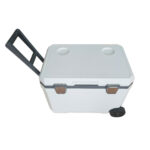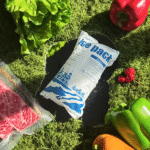
Un fournisseur de briques cool doit conserver la pièce approuvée
Un fournisseur fiable de briques froides fait plus que fournir du liquide de refroidissement de la bonne couleur et de la bonne taille nominale.. Il préserve l'identité de la pièce approuvée depuis le devis jusqu'à chaque nouvelle commande., fournit des documents à jour, planifie honnêtement les stocks et les délais de livraison, trace les réclamations jusqu'aux lots de fabrication, et vous avertit avant qu'un changement n'atteigne la ligne de conditionnement. Le fournisseur peut être une usine, distributeur, exportateur, ou intégrateur packaging; n’importe quel modèle peut fonctionner lorsque les responsabilités sont visibles. Le brique de refroidissement reste une composante d’un système plus vaste, les performances finales doivent donc encore être établies avec l'isolation prévue, charge utile, conditionnement, itinéraire, et assemblage.
Cartographier le canal d'approvisionnement derrière le devis
Demandez qui fabrique la coque ou le film, prépare le liquide de refroidissement, remplit et scelle la brique, libère le lot, détient l'inventaire, l'exporte, et est propriétaire de la plainte du client. Le vendeur légal peut ne pas contrôler toutes ces étapes. Ce n'est pas automatiquement un problème, mais les transferts cachés créent un risque de substitution et de traçabilité.
Un fabricant direct peut offrir un accès détaillé au processus et une personnalisation. Cela peut nécessiter des commandes plus importantes, planification plus longue, ou capacité d'importation directe. Un distributeur régional peut fournir un inventaire local, versions plus petites, fret consolidé, et service dans le même fuseau horaire. Il doit conserver l'identité d'origine du fabricant et du lot., stocker le produit de manière appropriée, et passer par les mises à jour techniques.
Un exportateur ou une société commerciale peut coordonner les usines et les documents internationaux, mais les acheteurs doivent savoir quel site approuvé fabrique chaque pièce. Un intégrateur packaging peut fournir des briques avec un boîtier et un support de test; clarifier à qui appartient la nomenclature et qui peut autoriser les substitutions. Un fournisseur ponctuel ne peut aider en cas de pénurie que lorsqu'il existe un processus alternatif approuvé.. L’urgence ne rend pas équivalentes des briques d’apparence similaire.
Documenter au moins:
entreprise contractante et site de fabrication;
numéros de pièces et révisions du fournisseur et de l'acheteur;
lieu d'expédition et propriétaire de l'inventaire;
importateur, douane, et responsabilités de livraison;
technique, qualité, logistique, et contacts d'urgence;
garantie, plainte, et itinéraire d'action corrective;
règles pour l'usine, matériel, ou substitution de produit.
Cette carte de canal doit rester connectée à l'approbation du packout. Si le site de production change, l'impact technique doit être examiné avant que la nouvelle source ne soit utilisée.
Émettez une demande de prix qui produit des offres comparables
« Citation d'une brique bleue cool » invite différents produits sous une seule comparaison de prix. Envoyer un brief d'utilisation expliquant l'état du produit, sensibilité au gel, plage de charge utile, récipient isolé, dimensions de la cavité, positions des briques, parcours et ouvertures, équipement de conditionnement, plan de réutilisation, demande, marchés de livraison, étiquettes, et besoins en documentation. Demander aux fournisseurs d'énoncer explicitement les hypothèses et les écarts.
Puis normalisez l'enchère:
| Zone de décision | Informations à comparer sur la même base | Pourquoi cela affecte la valeur du programme |
|---|---|---|
| Identité technique | Dimensions et tolérances remplies, masse, construction, famille de liquides de refroidissement, fermeture, conditionnement | Les noms de catalogue similaires peuvent se comporter et s'adapter différemment |
| Prise en charge des applications | Hypothèses de charge utile et de boîtier, portée du test, limites de contact | Une réclamation relative à un composant peut ne pas s'appliquer à l'emballage prévu |
| Contrôles de qualité | Code de lot, inspection, libérer, non-conformité, processus de plainte | La cohérence protège la nomenclature approuvée |
| Documents | Pièce exacte, site, marché, révision, émetteur, et disponibilité | Les fichiers génériques peuvent retarder l'approbation ou indiquer de manière erronée la portée |
| Quantité commerciale | Échantillons, pilote, minimum de commande, quantités de caisses et de palettes | Des prix bas peuvent créer un excédent de stocks ou une obsolescence |
| Livraison | Production, emplacement des stocks, terme de fret, transit, douane, et inspection | Le délai de livraison et le prix unitaire indiqués peuvent omettre des étapes majeures |
| Changer le contrôle | Avis, échantillon, approbation, et identification du lot modifié | Des changements invisibles peuvent invalider l’ajustement ou les preuves thermiques |
| Prise en charge du cycle de vie | Nettoyage, inspection, retraite, matériel, et conseils d'élimination | La réutilisation et la récupération nécessitent des informations opérationnelles |
| Service | Contacts nommés, qualité de la réponse, prévision, et escalade | Rapide, des décisions précises réduisent les risques de lancement et de déviation |
Utilisez la même devise, quantité, point de livraison, base de fret, et spécification. Ajouter des outils, œuvres d'art, échantillon de fret, devoirs, courtage, inspection à l'arrivée, travail de qualification, inventaire, rejette, et fret d'urgence. Si un candidat est techniquement différent, affichez-le comme alternative au lieu de le forcer dans la colonne de l'élément de base.
Pondérer les catégories avant d'ouvrir les prix finaux. Une flotte locale de livraison de nourriture peut donner la priorité au réapprovisionnement et au soutien au retour. Un expéditeur de soins de santé peut accorder davantage d’importance à la traçabilité, contrôle des documents, et notification. Les barrières obligatoires devraient être distinctes des préférences pondérées; un document de sécurité manquant ne peut pas être compensé par un prix de dossier attractif.
Vérifier les preuves par portée et objectif
Demander une spécification ou un dessin contrôlé identifiant la brique remplie, dimensions et tolérances, masse, construction matérielle, description du liquide de refroidissement adaptée à l'application, sceau ou fermeture, conditionnement, identification du lot, stockage, et emballage entrant. Confirmez que le même code article apparaît sur le devis, échantillon, facture, étiquette de cas, et pièces justificatives.
Fiches de données de sécurité, déclarations de transport, déclarations de contact alimentaire, informations sur les substances réglementées, certificats de qualité, dossiers d'inspection, et les rapports thermiques répondent à différentes questions. L'ensemble requis dépend de la formulation, utiliser, mode, et le marché. Vérifiez l'émetteur, pièce ou matériau exact, site, juridiction, date, révision, et conditions. Un certificat de système de gestion n'établit pas la durée du package. Une déclaration de contact alimentaire ne qualifie pas un envoi. Une allégation de recyclage peut ne pas s'appliquer lorsque le destinataire ne dispose pas d'un flux de collecte approprié..
Lisez n’importe quel rapport de test plutôt que d’accepter son titre. Identifiez la brique, quantité, condition, isolation, charge utile, profil externe, durée, positions des capteurs, ouvertures, et critères d'acceptation. Les résultats des fournisseurs peuvent sélectionner un candidat, mais votre emballage commercial a besoin de preuves adaptées à son produit et à sa voie.
Pour le développement de parcelles, ISTA 7E fournit des profils thermiques standardisés, et norme ISTA 20 décrit un processus structuré de conteneur isotherme. Les orientations techniques de l’OMS abordent également les concepts de qualification et de surveillance des systèmes d’expédition passifs.. Ces sources prennent en charge la conception du système; ils ne donnent pas à chaque brique cool un temps de maintien universel ou un statut de conformité.
Traitez les étiquettes telles que non toxiques, à sa sécurité, écologique, approuvé, ou certifiés comme invites pour les questions de portée. Demandez quel document précis et quelle condition d'utilisation soutiennent la déclaration. Briques en gel et la glace carbonique ne sont pas des classifications de liquide de refroidissement interchangeables., et les règles de charge utile doivent être revues séparément de la brique.
Utilisez des échantillons pour protéger les futures commandes
L’échantillonnage devrait passer de l’ajustement à la cohérence commerciale.
Examen du bureau et de l'ajustement: Confirmer l'identité, documentation, dimensions remplies, forme conditionnée, fermeture, manutention, et rentre dans le sac lui-même, doublure, boîte, ou titulaire.
Travaux de développement: Utilisez suffisamment d'unités traçables pour comparer les positions, séparation, quantité de liquide de refroidissement, et les défis chauds et froids pertinents. Affiner ensemble les spécifications d'emballage et d'achat.
Projet pilote d'intention de production: Commandez un lot réaliste à l'usine proposée, doubler, matériel, étiquetage, et coffret. Inspecter les variations entre les cas et utiliser des unités commerciales pour l'évaluation finale, si nécessaire.. Vérifier l'exactitude de la livraison et les documents en même temps.
Enregistrez le fabricant agréé, site, partie, révision, parcelle, et nomenclature d'emballage. Un prototype poli et fabriqué à la main n'est pas une norme de commande fiable. Les échantillons conservés peuvent aider à améliorer l'apparence, mais des exigences et des méthodes mesurables devraient régir l'acceptation.
Imaginez qu'un distributeur manque de brique approuvée et envoie une alternative de même taille sans préavis.. À température ambiante, les emballeurs ne voient aucune différence. Après conditionnement, le remplaçant s'incline, comprime un séparateur, et touche un produit sensible au gel. L'alarme de température semble être un problème de performance du liquide de refroidissement, mais l'échec racine s'est produit lors de l'exécution de la commande. Numéros de pièces verrouillés, termes sans substitution, identité de fabrication, limites d'ajustement conditionné, et les chèques entrants empêchent ce chemin.
Le double sourcing nécessite également du contrôle. Deux briques avec des dimensions extérieures correspondantes peuvent différer dans leur formulation, masse, coquille, comportement de phase, s'incliner, et conditionnement. Approuver chaque source via le document approprié, ajuster, et évaluation du système. S'ils nécessitent des instructions différentes, gérez-les comme deux packouts plutôt que de les appeler des équivalents drop-in.
Outils de décision utiles
Vérifiez les détails avant de choisir l'emballage
Ces outils rapides peuvent vous aider à comparer le risque d'itinéraire, besoins de dimensionnement, choix de liquide de refroidissement, et les détails de l'emballage avant de demander un devis.
Vérificateur de risque d'itinéraire
Examinez les conditions des pistes avant de sélectionner l'emballage en fonction des exigences opérationnelles réelles..
Vérifier le risque d'itinéraireSélecteur d'emballage
Comparez les options d'emballage isotherme par produit, itinéraire, et besoin de température.
Trouver un emballageRéférence du matériau isolant
Comparez les choix de matériaux d'isolation pour différents besoins d'emballage de la chaîne du froid.
Comparez les matériauxDévelopper la disponibilité autour du conditionnement, Pas de livraison seule
Le délai de livraison doit être décomposé en revue de commande, approvisionnement matériel, file d'attente de production, fabrication, inspection, gestion des exportations, réservation, transit, douane, livraison intérieure, version à venir, et conditionnement. Déterminer quand l'horloge indiquée commence. Oeuvre, outillage, dépôt, engagement prévisionnel, ou l'approbation de l'échantillon peut le précéder.
Utiliser la demande observée et la variation de réapprovisionnement pour définir l'inventaire. Un pourcentage générique ou un nombre arbitraire de semaines ne constitue pas une méthode de stockage de sécurité fiable.. Inclure les conséquences de la pénurie, espace de stockage, commande minimum, changement de produit, et obsolescence. Vérifiez si le stock local est dédié ou partagé et comment le fournisseur le fait tourner et le protège.
Le débit du congélateur peut être la véritable contrainte. Une livraison ambiante importante ne devient pas immédiatement un stock prêt. Modéliser la demande quotidienne, timing de retour, espace de stockage, lot maximum de congélateur, récupération d'équipement, et inspection. Un fournisseur peut emballer des briques pour supporter la circulation de l'air et la manipulation, mais l'acheteur doit vérifier le processus d'installation.
Demandez un plan de continuité qui identifie les goulots d'étranglement et les sauvegardes contrôlées. Une deuxième ligne, outil, ingrédient, ou l'usine n'est utile que si elle produit la pièce approuvée ou entre dans le processus de changement. Se mettre d'accord sur l'état des prévisions, propriété du tampon, règles de rappel, arrêts planifiés, communication de pointe, et les propriétaires de décisions d'urgence.
Comparez le coût total au niveau de la ligne d'emballage et au niveau de l'expédition réussie:
prix des briques au débarquement et emballage entrant;
stockage, équipement de congélation, énergie, et du travail;
masse du fret sortant et effet dimensionnel;
efficacité de l'emballage et risque de pièces manquantes;
inspection, quarantaine, et travail de documentation;
fuites, dommage, et remplacement d'urgence;
requalification après un changement alternatif ou important;
retour, nettoyage, perte, et mise hors service des unités réutilisables;
enquête sur le produit et exposition au remplacement.
Un prix unitaire plus élevé peut être économique lorsque l'ajustement réduit la taille du carton ou que le stock local empêche le transport d'urgence.. Les prix premium ne sont pas non plus la preuve d’un faible risque. Les preuves et les propres données d'exploitation de l'acheteur doivent décider.
Contrat d'identité, Changement, et réponse
Les conditions d'achat et de qualité doivent faire référence au dessin approuvé, part number, révision, usine, tolérances, inspection, code de lot, documents, coffret, stockage, base de livraison, et processus de plainte. Définir les exigences de notification pour la formulation, source ou qualité du matériau, dimensions, remplir la masse, coque ou film, fermeture, colorant, outillage, processus, méthode d'essai, étiquette, site de fabrication, sous-traitant, et emballage sortant le cas échéant.
Quand un avis arrive, l'acheteur évalue la sécurité, état du transport, ajuster, conditionnement, comportement thermique, nettoyage, et qualification. La réponse peut être une analyse documentaire, inspection comparative, test ciblé, ou requalification complète. Tous les changements ne nécessitent pas le même travail, mais aucun impact ne devrait être une conclusion motivée.
Les contrôles à la réception doivent vérifier le fournisseur, fabricant, partie, révision, parcelle, quantité, état du cas, étiquettes, fuite, documents requis, et attributs physiques sélectionnés dans le cadre d'un plan d'échantillonnage approuvé. Ségrégation libérée, quarantaine, revenu, sale, prêt, et stock rejeté. Conserver les photographies et les étiquettes lorsque le fret arrive endommagé.
Testez le processus de réclamation avant le lancement. Demandez ce qui se passe si une brique qui fuit et un code de lot illisible sont trouvés.. Un fournisseur utile explique le confinement immédiat, les informations dont il a besoin, traçabilité, revue des stocks concernés, enquête, action corrective, et communications. Remplacer un cas sans trouver la cause du processus n'est pas une réponse complète.
Suivre la livraison à temps, précision de la commande, exhaustivité du document, dommage, fuite, variation dimensionnelle, réponse à la plainte, efficacité des mesures correctives, et performances de notification de changement. La fréquence des examens doit suivre le risque produit, volume, changement, et les performances plutôt qu'un seul calendrier fixe.
Rendre la réutilisation et la durabilité spécifiques
Un fournisseur peut fournir des informations importantes, conseils de nettoyage compatibles, points de contrôle, et critères de départ à la retraite. L'acheteur contrôle si les briques retournées sont effectivement collectées, nettoyé, reconditionné, identifié, et réutilisé. Compter les cycles terminés, pertes, énergie de lavage et de congélation, transport inverse, dommage, et la gestion en fin de vie plutôt que de compter sur une étiquette réutilisable.
La réduction à la source pourrait être l’amélioration la plus directe. Une meilleure géométrie des briques peut réduire le fardage ou permettre un expéditeur plus petit. Les commandes entrantes consolidées peuvent améliorer l’efficacité du fret. Tout changement affectant les performances thermiques ou le contact du produit doit être examiné avant utilisation..
Les réclamations de fin de vie doivent refléter l'ensemble du composant et de sa destination.. Une coque en plastique ne peut pas être acceptée avec du liquide de refroidissement résiduel, capuchon, étiquette, ou matériaux mixtes. Les acheteurs desservant les marchés réglementés doivent confirmer l'emballage actuel, chimique, transport, et gaspiller les responsabilités de leur rôle. Demandez aux fournisseurs des données précises plutôt qu’un langage environnemental universel.
Questions fréquemment posées
Un fournisseur local de briques cool est-il toujours plus fiable?
Non. L'inventaire local peut raccourcir le réapprovisionnement et simplifier la communication, tandis qu'une source directe ou étrangère peut offrir un meilleur accès au processus, personnalisation, ou capacité. Comparez le contrôle de fabrication, stock dédié, délai de livraison, traçabilité, assistance technique, portée du document, et continuité. L'emplacement est un facteur de risque, pas une preuve de fiabilité.
Quels documents devraient être obligatoires dans une demande de prix?
L'ensemble dépend de la formulation, produit, mode, marché, et système qualité acheteur. Il peut inclure une spécification contrôlée, dessin, instructions de conditionnement, informations de sécurité ou de manipulation spécifiques à la pièce, déclaration de transport, déclarations de matières délimitées, documentation du lot, conseils de stockage et de réutilisation, et modifier les conditions. Exiger que chaque document identifie son produit et sa révision.
Un fournisseur doit-il garantir une durée de refroidissement?
Seule une instruction liée à une configuration entièrement définie est significative. Demandez quelle quantité de briques, conditionnement, enceinte, charge utile, profil ambiant, placement du capteur, ouvertures, et la plage d'acceptation a produit le résultat. Votre itinéraire peut différer. Le fournisseur peut fournir des données sur les composants et des tests pertinents, pendant que l'acheteur vérifie le système final exact.
Comment gérer un remplacement d’urgence?
Mettez-le en quarantaine ou évaluez-le avant utilisation dans un emballage contrôlé. Comparer l'identité, documents, dimensions, masse, forme conditionnée, comportement de formulation, fermeture, contact produit, et effet thermique. Les propriétaires autorisés de qualité et de produits doivent déterminer la vérification requise et identifier les expéditions concernées.. Une urgence d’achat ne doit pas contourner le contrôle du changement.
Un approvisionnement fiable fait partie du contrôle thermique
Le bon fournisseur de briques cool conserve le composant exact et les informations qui l'entourent. Cartographier le canal, émettre une demande de prix technique, comparer le coût du programme au débarquement, évaluer les lots destinés à la production, préserver la traçabilité, planifier la capacité de conditionnement, approuver les suppléants, et contrat de changement. Ces contrôles permettent de maintenir les commandes commerciales alignées sur l'emballage réellement testé..
Le service du fournisseur devient plus précieux lorsque les conditions changent ou que quelque chose ne va pas. Choisissez un partenaire dont les réponses restent précises sous pression, pas celui dont le catalogue fait la promesse la plus large.
À propos du tempk
Nous fournissons packs de gel réutilisables, rigide briques de glace, packs d'injection d'eau, sacs isolés, doublures de boîte, Boîtes EPP, boîtes d'expédition à froid, et couvertures de palettes pour emballage à température contrôlée. Tempk peut discuter des formats de liquide de refroidissement standard et personnalisés, compatibilité des emballages, échantillons, planification des commandes, et les informations disponibles sur le produit à partir du cas d'utilisation défini par un acheteur. Les acheteurs doivent confirmer que la pièce citée, itinéraire de production, documentation, et le système d'expédition final répondent à leurs propres exigences techniques et de qualité.
Envoyez à Tempk les dimensions de votre cavité, état requis du produit, charge utile, emplacement du liquide de refroidissement, processus de conditionnement, demande annuelle et de pointe, marchés de livraison, liste de contrôle des documents, contr?les de lot, et les conditions de notification des modifications. Demandez une proposition liée à une pièce spécifique et à un échantillon de production afin que votre équipe puisse comparer la valeur totale de l'approvisionnement.