Distributeur de pack de glace carbonique pour le transport de produits laitiers: Comment choisir avant la mise à l'échelle
Un distributeur glace carbonique l'emballage pour la commande de transport de produits laitiers doit être traité comme une décision d'emballage contrôlée, pas seulement un achat de pack froid. Pour les produits laitiers, aliments cultivés, fromage, et produits laitiers surgelés, un mauvais liquide de refroidissement peut être aussi dommageable qu'un refroidissement insuffisant. L'acheteur doit confirmer ce qu'est le pack, quel effet de température cela crée, comment il se trouve à l'intérieur de l'emballage isolé, et si le processus d'expédition peut répéter le même résultat après l'étape d'échantillonnage. Cet article donne un chemin de décision pratique pour les achats, opérations, et des équipes de qualité se préparant à évoluer.
Décidez d’abord si la glace sèche est le bon niveau de refroidissement
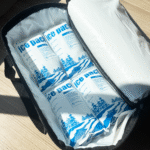
L’expression « bloc de glace carbonique » est ambiguë. Il peut s'agir de dioxyde de carbone solide, une feuille de PCM hydratée, un pack de gel, ou une alternative à la glace carbonique. Cette différence est importante car le risque d'expédition change immédiatement. Glace carbonique ou feuilles de glace carbonique peut s'adapter aux allées de produits laitiers surgelés et de crème glacée, tandis que les produits laitiers réfrigérés ont souvent besoin d'un pcm ou d'un packs de gel avec isolation et contrôle de l'humidité. La neige carbonique solide peut geler ou endommager les produits laitiers et les emballages réfrigérés si elle est utilisée sans séparation ni validation de l'itinéraire.
Un acheteur doit demander au fournisseur d'écrire l'identité du liquide de refroidissement en termes clairs. Est-ce du dioxyde de carbone solide? Est-ce une feuille PCM absorbant l'eau? Est-ce un pack de gel qui doit être congelé avant utilisation? Est-il prévu de toucher le carton du produit ou de s'asseoir derrière une barrière? Si la réponse n'est pas claire, la commande n'est pas prête à être approuvée.
La bonne décision commence par la stabilité au réfrigéré ou l'intégrité congelée selon le SKU. Cette condition doit être définie par le propriétaire du produit, spécification du client, étiquette, ou exigence de sécurité alimentaire. Un fournisseur peut recommander une source froide, mais le fournisseur ne doit pas deviner la température acceptable du produit.
Construire l'ordre autour de l'itinéraire, Charge utile, et manipulation
Une fois que le besoin de température est clair, la prochaine étape est l'itinéraire. Produits laitiers pré-refroidis, garder les cartons scellés, gérer la condensation, et concevoir des contrôles de réception portant sur l'état du produit plutôt que sur la seule température de l'emballage.. L'itinéraire doit être écrit de manière suffisamment détaillée pour montrer où la chaleur pénètre et où la manipulation peut perturber le sac.. Un itinéraire avec une livraison directe présente un profil de risque différent d'un itinéraire de distributeur à arrêts multiples ou d'un envoi aérien avec transfert cross-dock..
La charge utile modifie également le packout. La masse du produit peut agir comme masse thermique, mais seulement s'il est préconditionné correctement. L'espace vide peut permettre la circulation de l'air chaud et le déplacement du pack. Cartons intérieurs, plateaux, bouteilles, flacons, pochettes, et les coffrets cadeaux changent tous la façon dont le froid passe de l'emballage au produit. Une commande groupée couvrant plusieurs formats de carton ne doit pas reposer sur une seule configuration non testée..
La crème glacée peut justifier un emballage surgelé agressif, tandis que le yaourt et les produits laitiers liquides ont besoin d'être protégés de la chaleur sans geler.. La spécification d'achat doit séparer ces deux cas d'utilisation. Ce type de comparaison est ce qui différencie un package pratique d'une recommandation générique.. Le même compresse froide peut être approprié dans une voie et inapproprié dans une autre.
À quoi ressemble une évaluation solide d'un fournisseur
Un examen des fournisseurs pour un programme de distribution ne doit pas se limiter à la disponibilité du catalogue.. L'acheteur doit se renseigner sur la construction du pack, préconditionnement, utilisation prévue, compatibilité avec l'isolation, cohérence de l'échantillon, contrôle des lots de production, et notification de changement. Un fournisseur qui explique les limites est plus utile qu'un fournisseur qui affirme que chaque itinéraire est adapté.
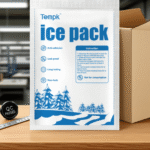
Pour une hydratation de style Tempk packs de glace sec, des questions utiles incluent comment le drap absorbe l’eau, comment il devrait être congelé, s'il peut être coupé ou plié, comment il doit être séparé des produits sensibles, et si le matériau extérieur correspond aux attentes de l'acheteur en matière de manipulation et d'élimination. Pour la glace carbonique solide, l'acheteur devrait plutôt se concentrer sur la ventilation, sécurité des travailleurs, étiquetage, masse nette, et acceptation du transporteur.
| Chèque de l'acheteur | Que demander avant de commander | Raison pratique |
|---|---|---|
| Sensibilité du produit | Les produits laitiers peuvent-ils, aliments cultivés, fromage, et les produits laitiers surgelés tolèrent la congélation directe ou uniquement une protection réfrigérée? | Un mauvais niveau de refroidissement peut nuire à la qualité du produit avant la livraison. |
| Format du paquet | L'article est-il de la neige carbonique solide, une feuille de PCM hydratée, paquet de gel, ou une autre source froide? | Les noms varient selon les catalogues, et les règles de manipulation changent selon le type de produit. |
| Ajustement de l'isolation | Quelle boîte, doublure, sac, ou l’expéditeur a été utilisé dans la recommandation du fournisseur? | Les réclamations de temps de rétention n'ont aucun sens sans l'emballage environnant. |
| Ajustement de l'itinéraire | Quelle durée du parcours, exposition ambiante, et les points de transfert ont été supposés? | Un couloir d'entrepôt à entrepôt diffère de la livraison directe à porte. |
| Contrôle de l'échelle | Les unités de production correspondront-elles à la taille de l'échantillon, disposition des cellules, membrane, et comportement de remplissage? | Une commande en gros ou chez un distributeur doit être répétitive, pas un échantillon unique. |
Cet examen transforme la sélection des fournisseurs en une décision documentée. Cela donne également aux opérations un point de départ clair pour les tests d'échantillons., parce que l'équipe sait quelles hypothèses doivent être vérifiées plutôt que de se fier à une allégation générale de performance.
Les tests sur échantillons doivent imiter l’envoi réel
Un essai sur échantillon n'est pas significatif s'il utilise la mauvaise masse de produit, un carton vide, un différent matériau isolant, ou un itinéraire plus facile que la production. Utilisez le vrai produit ou un substitut réaliste, le paquet extérieur prévu, l'emplacement prévu du liquide de refroidissement, et le même processus de chargement. Si le produit est de grande valeur ou réglementé, impliquer l’équipe qualité avant le début de l’essai.
Pour les produits laitiers, aliments cultivés, fromage, et produits laitiers surgelés, l'inspection doit inclure la température à la réception, changement de texture, fuite, gonflement, et les modèles de plaintes des clients. La température à elle seule ne dit peut-être pas tout. Un article réfrigéré peut être techniquement froid mais endommagé par le gel. Un article congelé peut sembler acceptable alors que l'emballage a été stressé. Un article cadeau peut être sûr mais inacceptable pour le client car la condensation affecte la présentation..
- Définir les critères d’acceptation avant l’essai, y compris l'état du produit à la réception.
- Utiliser la quantité et la position prévues des packs, pas un arrangement approximatif.
- Enregistrer le temps de préconditionnement, temps d'emballage, exposition par voie, et heure de réception.
- Inspecter le produit, étiquettes, emballage intérieur, et condensation après livraison.
- Répétez l'essai lorsque la saison, transporteur, charge utile, ou modifications de la conception du carton.
Ne confondez pas le marquage du transport avec la protection du produit
Les programmes de sécurité alimentaire séparent généralement les besoins en matière de contrôle des produits réfrigérés et congelés.. Les acheteurs doivent confirmer la température requise du produit, règles d'état ou de destination, et la spécification de réception. Ces références sont importantes, mais il ne faut pas les mal comprendre. Les règles relatives au transport de glace carbonique aident les transporteurs à gérer le dioxyde de carbone en toute sécurité. Ils ne prouvent pas que l'emballage maintient le produit dans son état requis. Un médical, nourriture, ou le produit spécialisé nécessite toujours son propre examen spécifique au produit.
La même limite s'applique aux documents fournisseurs. Une déclaration matérielle, fiche de sécurité, ou la brochure du produit peut expliquer ce qu'est le pack, mais cela ne qualifie pas automatiquement le parcours de l’acheteur. Lorsque l’envoi est sensible, l'acheteur doit demander si les performances déclarées ont été testées avec la même charge utile, isolation, profil ambiant, et satisfaire aux critères que l'acheteur envisage d'utiliser.
Quand ne pas utiliser cette approche de refroidissement
Une approche de glace carbonique doit être reconsidérée lorsque le produit ne peut pas tolérer la source froide., lorsque le récepteur ne peut pas gérer le réfrigérant en toute sécurité, lorsque le transporteur n'acceptera pas l'envoi, ou lorsque la commande ne contient pas d'instructions d'emballage répétables. La glace carbonique n'est pas une solution laitière universelle; le SKU et l'emballage décident si cela aide ou nuit.
Outils de décision utiles
Vérifiez les détails avant de choisir l'emballage
Ces outils rapides peuvent vous aider à comparer le risque d'itinéraire, besoins de dimensionnement, choix de liquide de refroidissement, et les détails de l'emballage avant de demander un devis.
Sélecteur d’emballage
Comparez les options d'emballage isotherme par produit, itinéraire, et besoin de température.
Trouver un emballageRésistance aux chutes du matériau isolant
Examinez la résistance aux chutes et les facteurs de manipulation avant de choisir des matériaux d'isolation..
Vérifier la résistanceRéférence du matériau isolant
Comparez les choix de matériaux d'isolation pour différents besoins d'emballage de la chaîne du froid.
Comparez les matériauxUn acheteur doit également faire une pause lorsque le fournisseur ne peut pas définir le type de produit ou lorsque la réclamation commerciale n'est qu'un numéro de durée de conservation sans conditions.. Le temps de maintien dépend de l'isolation, profil ambiant, masse du produit, quantité par paquet, et critères d'acceptation. Sans ces conditions, le numéro peut induire l'équipe d'achat en erreur.
FAQ
La glace carbonique peut-elle être utilisée pour le transport des produits laitiers?
Cela dépend du SKU. Les produits laitiers surgelés tels que la crème glacée peuvent justifier de la glace carbonique ou un emballage congelé, tandis que les produits laitiers réfrigérés tels que le yaourt ou le lait peuvent être endommagés par la congélation. Le propriétaire du produit doit définir la gamme cible et les limites de qualité avant qu'un distributeur ne commande des packs..
Quels problèmes de qualité des produits laitiers sont faciles à ignorer?
Changement de texture, séparation, gonflement du colis, condensation, dommages à l'étiquette, et un gel partiel peut apparaître même lorsqu'un produit est encore froid. Les chèques de réception doivent inclure l'état du produit, non seulement la présence de liquide de refroidissement restant.
Ce qui devrait être inclus dans un essai de distributeur?
Utilisez le même mélange de SKU, taille du carton, isolation, charge utile, temps de parcours, et processus de livraison prévus pour la production. Enregistrez l'état du produit à la réception et vérifiez si le placement du liquide de refroidissement crée des points froids à proximité des produits laitiers délicats..
Un sac de glace carbonique réutilisable est-il suffisant pour assurer la conformité?
Non. Le pack n'est qu'un composant. Le transport des produits laitiers dépend également du pré-refroidissement des produits, manipulation hygiénique, isolation, durée de l'itinéraire, procédures de réception, et la documentation requise par l'acheteur ou le marché de destination.
Notes d'approbation opérationnelle
Avant d'approuver le pack de glace carbonique du distributeur pour le transport des produits laitiers, l'acheteur doit vérifier si le côté destinataire peut gérer le colis comme prévu. Un envoi peut passer la liste de contrôle de la salle d'emballage et échouer quand même parce que le destinataire laisse le carton non ouvert., enlève la compresse froide trop tôt, stocke le produit au mauvais endroit, ou manque l'avertissement de glace carbonique. Pour les produits laitiers, aliments cultivés, fromage, et produits laitiers surgelés, l'instruction de réception doit être suffisamment courte pour être suivie immédiatement mais suffisamment spécifique pour éviter des dommages évitables.
La propriété doit également être claire. Les achats peuvent gérer les prix, quantité commandée, et communication avec les fournisseurs. Les opérations peuvent valider le placement des packs, étapes de travail, et fermeture du carton. Qualité, sécurité alimentaire, ou les équipes pharmaceutiques peuvent définir des critères d'acceptation et de gestion des écarts. Le service client peut suivre les réclamations par itinéraire et par période météorologique. Lorsque ces rôles ne sont pas attribués, une problématique d’emballage devient un argument logistique général au lieu d’un projet d’amélioration maîtrisé.
L'acheteur doit conserver un simple enregistrement de révision pour l'emballage approuvé.. Enregistrez le type de paquet, nombre de paquets, méthode de préconditionnement, isolation utilisée, disposition des produits, matériau barrière, fermeture du carton, langue de l'étiquette, et réception du chèque. Si le fournisseur modifie ultérieurement le matériau de l'emballage, disposition des feuilles, nombre de cartons, ou instructions de préparation, le dossier aide l'acheteur à décider si le changement est mineur ou si un autre essai d'échantillon est nécessaire.
L’inspection à la réception mérite la même attention que l’emballage. Le destinataire doit savoir si le colis peut contenir de la neige carbonique solide., si des gants sont nécessaires, où la température du produit doit être vérifiée, et quelles preuves doivent être enregistrées si le produit semble chaud, congelé, mouillé, écrasé, ou autrement anormal. Des instructions claires réduisent les disputes entre fournisseurs, transporteur, expéditeur, et client après une livraison difficile.
Comment maintenir le programme stable au fil du temps
Emballages sous chaîne du froid les programmes dérivent lorsque les équipes considèrent le premier essai réussi comme permanent. Changement d'itinéraire, changement de transporteur, les tailles de commande changent, et changements d'exposition saisonniers. Un calendrier d'examen pratique aide l'acheteur à détecter ces changements avant qu'il ne crée des retours ou des réclamations sur les produits.. L'examen peut être simple pour les expéditions alimentaires à faible risque et plus formel pour les produits de grande valeur ou réglementés..
Pour les produits laitiers, aliments cultivés, fromage, et produits laitiers surgelés, les questions d'évaluation les plus utiles sont directes: Le produit est-il toujours emballé dans le même état de départ? La même isolation est-elle toujours utilisée? Le personnel de l'entrepôt suit-il la même étape de préconditionnement? L'itinéraire a-t-il gagné un nouveau point de transfert? Les destinataires vérifient-ils toujours le produit rapidement? Ces questions maintiennent le programme de pack de glace carbonique lié à l'expédition réelle plutôt qu'à un ancien résultat d'échantillon..
Le bon de commande doit également protéger la configuration approuvée. Il peut indiquer que les substitutions dans le matériel d'emballage, format de feuille, membrane, nombre de cartons, ou les instructions de préparation nécessitent un avis et une approbation de l'échantillon. Ce langage n'a pas besoin d'être complexe, mais cela permet d'éviter des changements silencieux qui modifient le comportement de la chaîne du froid une fois que l'acheteur a déjà formé le personnel de l'entrepôt..
Enfin, l'acheteur doit conserver les données de la réclamation liées au colis. Une plainte concernant la décongélation, gel, fusion, condensation, gel, dommages à l'étiquette, ou la réception retardée doit être étiquetée par voie et par date d'expédition. Au fil du temps, cette petite habitude montre si le problème est la qualité du fournisseur, exposition par voie, exécution d'entrepôt, ou gestion des clients.
Conclusion
La décision du meilleur distributeur de glace carbonique pour le transport des produits laitiers est spécifique. Identifier le type de liquide de refroidissement, définir le besoin en température du produit, tracer l'itinéraire, tester le pack complet, et documenter ce qui doit rester cohérent lorsque la commande évolue. Si le produit est sensible, réglementé, ou axé sur la présentation, un examen prudent de l'emballage n'est pas un travail supplémentaire. C'est la différence entre acheter du matériel froid et protéger l'expédition.
À propos du Tempk
Tempk aide les acheteurs B2B à examiner les packs de glace carbonique et emballage isolé options pour les produits laitiers, aliments cultivés, fromage, et produits laitiers surgelés. Le point de départ pratique est votre produit, itinéraire, charge utile, et tolérance au risque de température. Parce que les packs de glace sèche d'hydratation de Tempk sont des produits en feuilles à base de PCM plutôt que du dioxyde de carbone solide en vrac, les acheteurs doivent les traiter comme faisant partie d'une conception d'emballage et vérifier les performances par rapport à la voie spécifique avant leur utilisation en production.
Pour une meilleure recommandation, partagez votre catégorie de produit, itinéraire, charge utile, taille du carton, et les exigences de température avec Tempk avant de s'engager dans un programme de distribution. Tempk peut vous aider à comparer si un sac de glace carbonique hydratant, une autre option PCM, glace carbonique solide, ou un système isolé différent doit être examiné en premier.