Faire la fuite de glace sèche lors de la décongélation? | 2025 Guide de sécurité
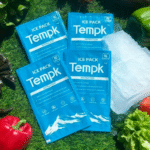
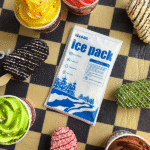
Dry ice packs are essential for cold chain logistics, en particulier lors du transport de marchandises sensibles à la température. Cependant, une question courante parmi les expéditeurs est: Faire les packs de glace carbonique fuient lors de la décongélation? Dans ce guide complet, nous aborderons le processus de décongélation, facteurs pouvant entraîner des fuites, et les meilleures pratiques pour garantir une manipulation sûre de la neige carbonique.
Les packs de glace carbonique sont conçus pour maintenir des températures ultra-basses sans laisser de résidus liquides, ce qui en fait une solution idéale pour conserver les aliments, médicaments, et échantillons médicaux pendant le transport. Cependant, il y a des inquiétudes concernant les fuites pendant le processus de décongélation. Entrons dans les détails pour comprendre le comportement des blocs de glace carbonique et les principales considérations pour les manipuler en toute sécurité..

Que se passe-t-il lorsque les blocs de glace sèche dégèlent?
Les packs de glace carbonique ne fuient pas au sens traditionnel du terme car ils ne fondent pas en un liquide comme la glace ordinaire.. Plutôt, dry ice undergoes a process called sublimation, where it transitions directly from a solid to a gas at temperatures of -78.5°C (-109.3°F). This unique property ensures there is no liquid that can leak out.
Cependant, certain factors such as packaging integrity, manutention, and environmental conditions can influence whether the pack appears to leak.
Key Factors Influencing Leakage
1. Intégrité de l'emballage:
Dry ice packs with compromised seals are more likely to experience leakage. Whether it’s during the freezing process, mishandling during transport, or storage in improper conditions, damage to the packaging can lead to a slight seepage of moisture or polymer gel from the pack. Inspecting the packaging before use and ensuring it’s intact can prevent most of these issues.
2. Handling and Storage Conditions:
Mishandling of dry ice packs can result in punctures or tears in the packaging. Storage in unstable environments with fluctuating temperatures can also stress the seals, contributing to potential leaks. Proper care should be taken to handle and store the packs safely.
3. Fluctuations de température:
Dry ice sublimates at a rate influenced by external temperatures. Rapid changes in temperature, such as exposure to direct sunlight or inconsistent storage conditions, can cause the dry ice to sublimate unevenly. This uneven sublimation might result in a buildup of gas pressure, which could lead to ruptures or leaks from sealed containers.
Why Do Dry Ice Packs Appear to Leak?
Though dry ice packs don’t leak in the traditional sense, there are several conditions under which they may appear to do so:
1. Condensation Formation:
If dry ice is exposed to moisture or humidity, condensation can form around the pack. This moisture, which pools around the container, may give the appearance of leakage, even though it’s just water from the environment. Pour atténuer cela, it’s important to store dry ice in dry, des zones bien ventilées.
2. Pressure Buildup from Sublimation:
Alors que la neige carbonique se sublime en gaz CO₂, it can generate pressure within its container. If the container is not properly vented, this pressure may cause it to rupture. Pour éviter cela, ensure the packaging allows for adequate venting, Permettre au gaz de s'échapper en toute sécurité.
Best Practices to Prevent Dry Ice Leaks
Here are several best practices to ensure dry ice doesn’t leak during thawing:
1. Choisissez la haute qualité, Emballage ventilé
Always opt for dry ice containers that are specifically designed for sublimation. These containers should have built-in ventilation to allow CO₂ gas to escape safely and prevent dangerous pressure buildup.
2. Manipuler avec soin
Dry ice packs should be handled gently to avoid punctures or stress on the seals. Always use gloves when handling dry ice to avoid direct skin contact.
3. Store Dry Ice Packs in Stable Temperature Conditions
To ensure consistent sublimation rates, store dry ice packs in environments where temperatures are stable. Avoid exposure to rapid changes in temperature to prevent irregular sublimation and potential leaks.
4. Inspect Packaging Before Use
Inspect dry ice packs before use for any visible damage. If the pack has any tears, perforation, or bulging seams, discard it immediately to prevent leakage.
5. Avoid Direct Contact with Moisture
Ensure dry ice packs are kept in moisture-free environments. Moisture can cause condensation to form around the pack, which may lead to water pooling at the bottom of the container, giving the false appearance of leakage.
Are Leaked Contents Harmful?
Most dry ice packs are filled with non-toxic materials such as sodium polyacrylate, a superabsorbent polymer. In case of leakage, the gel is generally safe to handle. Cependant, you should avoid prolonged contact with skin or ingestion of any leaked contents. En cas de fuite, carefully follow these steps:
-
Évitez le contact direct: Wash any exposed skin immediately with soap and water.
-
Inspect Your Shipment: If the leaked material comes into contact with temperature-sensitive goods, assess the situation carefully to determine whether the items are still safe to use.
How to Properly Handle Dry Ice During Shipping
Lors de l’expédition d’articles sensibles à la température, follow these practices to ensure safe use of dry ice:
1. Use Proper Insulation and Ventilation
Proper insulation helps maintain low temperatures for extended periods. En plus, ensure your dry ice containers are vented to allow CO₂ gas to escape safely.
2. Conservez correctement la glace carbonique
Conservez la glace carbonique dans un endroit bien ventilé, and never in completely sealed containers. Always store it away from heat sources to slow the rate of sublimation.
3. Surveiller les taux de sublimation
Keep an eye on the sublimation rate, especially if the dry ice is exposed to warmer conditions. This helps to ensure there is no excessive gas buildup.
Comparaison des packs de glace carbonique, Packs de gel, and Traditional Dry Ice
To better understand the differences and advantages of dry ice packs, let’s compare them with other cooling methods:
| Fonctionnalité | Packs de glace sec (Gel à base de gel) | Packs de gel traditionnels | Glace sèche (Co₂ solide) |
|---|---|---|---|
| Composition | Dehydrated polymer sheet activated by water | Water-based gel with thickening agents | Solid CO₂ that sublimates to gas |
| Leak Potential | Non-leaking under normal conditions | Leaks if punctured or seals fail | Pas de liquide, sublimer le gaz |
| Plage de température | Freezes at about -21°C (-6°F) | 0° C - 8 ° C (32°F–46°F) | -78.5°C (-109.3°F) |
| Réutilisable | Oui, can be refrozen and reused | Souvent réutilisable, but can degrade | Non, used once |
| Impact environnemental | Often made from plastic, some are compostable | Made from synthetic materials | Sublimates CO₂, no solid waste |
2025 Innovations and Sustainability Trends in Cold Chain Logistics
À mesure que la demande d'expédition sensibles à la température augmente, the cold chain industry continues to evolve. Here are some of the latest trends in the use of dry ice:
-
Surveillance de la température intelligente: New technologies incorporate sensors to monitor the temperature of dry ice packs during transit, ensuring proper cooling throughout the shipping process.
-
Pratiques durables: Companies are increasingly using biodegradable and reusable packaging options, helping to reduce the environmental impact of shipping materials.
-
Carbon-negative Dry Ice: Advances in carbon capture technology are leading to the production of carbon-negative dry ice, which reduces the overall carbon footprint of cold chain operations.
Questions fréquemment posées
Q1: Les blocs de glace carbonique fuient-ils lors de la décongélation?
Dry ice packs are designed not to leak during thawing. Cependant, minor condensation might occur if the pack is exposed to moisture, which can be easily wiped away.
Q2: Can dry ice be used for shipping perishable food?
Oui, dry ice is perfect for shipping frozen or ultra-cold food items, as it can maintain subzero temperatures for extended periods.
Q3: How should I handle dry ice safely during shipment?
Always ensure that dry ice is stored in vented containers, loin des sources de chaleur, and handle it with insulated gloves to avoid direct contact with skin.
Conclusion
Dry ice packs are an effective solution for maintaining cold temperatures during transit. While they don’t leak in the traditional sense, mauvaise manipulation, packaging issues, or environmental factors can cause problems. By following best practices such as using vented packaging, storing in stable temperature conditions, and handling with care, vous pouvez assurer la sécurité, leak-free shipping.
Étapes suivantes: Always inspect dry ice packs before use, assurer un emballage approprié, and choose quality products designed for your shipping needs. For more details on safe shipping practices, consult our articles on related topics such as using dry ice with gel packs and shipping temperature-sensitive goods.
À propos du tempk
Le tempk est un leader de la logistique de la chaîne du froid, providing innovative packaging solutions that balance performance, durabilité, et la sécurité. Our team offers decades of expertise to design leakproof dry ice packs and advanced cooling solutions. Contact us today to discover how Tempk can enhance your cold chain efficiency.