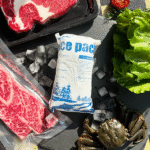
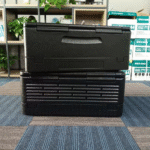
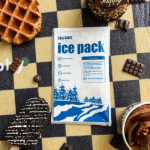
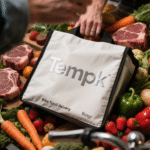
If you’re considering a dry ice pack lunch box for daily use, Voici l'essentiel: Utilisez du gel ou +5 ° C PCM emballe dans un sac isolé pour conserver les aliments ≤ 40 ° F; réserver de la glace sèche réelle pour les adultes, ventilé hard coolers in special cases only. Deux sources froides (haut + bas) Coupez le risque et prolongez le temps de maintien.
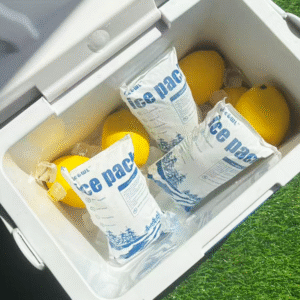
-
When a dry ice pack lunch box makes sense and when gel/PCM is safer (La nourriture reste ≤40 ° F).
-
How to size an 8-hour setup using a simple, estimateur pratique.
-
Comment emballer et placer des sources froides (haut + bas) Pour éviter les coins chauds.
-
Règles de voyage et de sécurité (ventilation, gants, CO₂ Précautions, FAA 2.5 limite de kg).
-
2025 mises à niveau (Points de consigne PCM, Vips, aérogels) Ce moment de retenue.
Quand devriez-vous utiliser une boîte à lunch à glace sèche?
Réponse courte: Pas pour les déjeuners de l'école ou du bureau de routine. La glace sèche sublime à Co₂, Besoin de ventilation, et peut sur-pression les conteneurs scellés; Frostbite est également un risque. Pour un usage quotidien, gel or +5 °C PCM in an insulated bag keeps food ≤40 °F with fewer hazards. Use dry ice only in vented, adult-supervised hard coolers for frozen items or special trips.
Pourquoi ça compte pour toi: The food-safety “danger zone” starts above 40 °F. Classrooms, buses, and hot job sites warm bags quickly, so two cold sources—e.g., a gel pack plus a frozen bottle—are the dependable way to stay safe until lunch. Si tu doit transporter de la neige carbonique, assurer la circulation de l'air, gants, and a vented container; never in an airtight lunch box or an unventilated trunk.
What risks come with a dry ice pack lunch box?
CO₂ gas and contact freezing are the two big ones. CO₂ can displace oxygen and, in sealed spaces, build pressure; bare-hand contact can burn skin at −109 °F (−78,5 ° C). Si de la glace carbonique est utilisée, run a ventilé récipient, keep it upright, and crack a window when transporting—never in sealed trunks or closets. Gloves are non-negotiable.
| Option de refroidissement | Typical window | Safety must-do | Ce que cela signifie pour vous |
|---|---|---|---|
| Packs de gel (0 °C) | 4–8 h with two sources | Insulated bag; replace daily | Bon marché, kid-safe anchor choice |
| PCM +5 °C packs | Steady 2–8 °C | Condition to +5 °C | Stable temps for dairy/yogurt |
| Glace sèche (Co₂, solide) | Longue tenue gelée | Vented hard cooler; gants | Specialist use, not daily lunches |
Conseils pratiques que vous pouvez utiliser aujourd'hui
-
School day: Two cold sources in an insulated bag; perishables between them.
-
Hot job site: Switch top pack to +5 °C PCM for a steadier “fridge” plateau.
-
Travel with dry ice (adult only): Vent the cooler and label; max 2.5 kg (5.5 kg) on flights with airline approval.
Cas réel: A field tech doubled cold sources (haut + bas) in the same insulated bag; noon temps stayed below 40 °F on a 90 °F day—mirroring two-source guidance.
How do you size a dry ice pack lunch box for 4–8 hours?
Commencez simplement: For most lunch boxes, utiliser two frozen cold sources totaling ~10–20 oz (280–560 g). Add a third small pack for desert-heat, large bags, ou ouvertures fréquentes. If you’re keeping items congelé and insist on dry ice, use a small piece in a ventilé mini-cooler—never a sealed lunch box.
Make it precise with this estimator: Begin with your bag volume, exposition à la chaleur, and how often you’ll open it. Size gel/PCM mass, trial for a day, then adjust.
This mirrors practical field experience: size → test → refine. It outperforms guessing and reduces waste and risk.
Placement that works in a dry ice pack lunch box
Top-and-bottom placement cools evenly, reduces warm corners, and protects textures. Fill side voids with a slim pack or a frozen bottle. Si tu jamais Positionner la glace sèche, add a thin tray between ice and food so CO₂ can vent and surfaces don’t freeze-burn.
| Layout goal | Faire | Évitez cela | Pourquoi ça aide |
|---|---|---|---|
| Refroidissement uniforme | Haut du sac + bas; center perishables | One pack on one side | Eliminates hot spots |
| Moins d'ouvertures | Stage utensils outside | Digging around repeatedly | Preserves hold time |
| Manipulation sûre | Use insulated gloves with dry ice | Contact à main nue | Prévient les engelures |
How do you pack a dry ice pack lunch box step by step?
Étapes de base (gel/PCM for daily use):
-
Préfabriqué foods and freeze packs overnight.
-
Couche: bottom pack → food → top pack; fill side gaps.
-
Fermer & porter: keep closed until lunch; stash in shade.
-
Vérifier: drop in a small thermometer for a trial day; aim ≤40 °F by lunchtime.
If dry ice is necessary (adult only): Utiliser un refroidisseur dur ventilé, gants, et étiquettes; never in sealed containers or cramped rooms/cars. Airline travel allows up to 2.5 kg (5.5 kg) with venting and approval; marque « Glace carbonique/Dioxyde de carbone, solid” with net weight.
Are there safer alternatives to a dry ice pack lunch box?
Yes—gel packs and +5 Briques PCM °C are built for school and office realities. Gel is inexpensive and widely available; +5 °C PCM maintains a steady “fridge-like” plateau that protects yogurt and milk from edge freezing. Both avoid CO₂ hazards and airline paperwork.
2025 developments and trends that help you
Quoi de neuf: +5 PCM °C are moving mainstream for steadier lunch temps, et VIP/aerogel insulation from pharma is migrating into consumer coolers, improving hold at lower weight. Expect better stability with less pack mass—great for commuters and outdoor crews. Validate claims in your use case before switching gear.
Dernier en un coup d'œil
-
Adoption du PCM: Smoother temperature profiles in portable boxes when packs are placed correctly.
-
Panneaux VIP: Vendors report multi-fold R-value vs. mousse; test before you rely on it.
-
Aérogels: Ultra-low conductivity suggests lighter, longer-lasting lunch kits ahead.
Perspicacité du marché: Demand for higher-performance lunch coolers tracks remote work, field jobs, and meal-prep habits. The winners pair smarter insulation with right-sized, safer cold sources—no drama, just reliable noon temps.
Questions fréquemment posées
1) Can I put dry ice in a lunch box with a tight lid?
Non. La glace carbonique doit s'évacuer; sealed containers can crack or rupture as CO₂ builds. Use vented hard coolers only, and keep spaces ventilated.
2) Quelle est l'alternative quotidienne la plus sûre à une boîte à lunch avec un sac de glace carbonique?
Two gel packs or a +5 °C PCM + gel combo in an insulated bag, placé en haut et en bas. Essayez de conserver les aliments à une température ≤ 40 °F.
3) Combien de temps les aliments périssables peuvent-ils rester en attente?
Follow the “2-hour rule” (1 hour if >90 °F). Conservez les denrées périssables à ou en dessous 40 °F jusqu'à ce qu'il soit mangé.
4) Le CO₂ provenant de la neige carbonique est-il dangereux dans un coffre ou un casier de voiture?
Le CO₂ peut déplacer l'oxygène; ventilation is essential. Avoid unventilated spaces and sealed trunks.
5) Can I fly with a dry ice pack lunch box?
Oui, jusqu'à 2.5 kg (5.5 kg) avec approbation des compagnies aériennes, emballage ventilé, and “Dry ice/Carbon dioxide, marquage "solide". Sinon, use gel/PCM and skip the paperwork.
Résumé & recommandations
Souviens-toi: UN dry ice pack lunch box is rarely the best everyday choice. For daily meals, use an insulated bag plus two cold sources to keep food ≤40 °F; reserve dry ice for adult-supervised, vented hard coolers and special frozen loads. Size your packs, place them top and bottom, and validate with one thermometer-logged day.
Étapes suivantes (do this today):
-
Pick a right-sized insulated bag and two packs (gel or +5 °C PCM).
-
Run a one-day test and adjust mass/placement.
-
Pour voyager, follow venting and labelling rules—or default to gel/PCM.
À propos du tempk
We design practical cold-chain packouts for lunch, meal-kit, and field operations. Our team tunes +5 °C PCM elements and lightweight insulation to your route and climate, then validates against real-world profiles to reduce warm-spot incidents and weight. SOP simples, fewer risks, better noon temps.
CTA: Want a one-page packout spec for your menu and climate? Contact Tempk for a free checklist and fast field validation.