Mis à jour: Décembre 4, 2025
Une gestion efficace de la chaîne du froid est la base des produits biologiques. Sans contrôle approprié de la température et de l’humidité, jusqu'à 40 % of perishable bio vegetables can spoil en transit, et à propos 25 % des aliments transportés sous chaîne du froid sont gaspillés chaque année. This guide helps you navigate the evolving regulations and technologies so toi can achieve chaîne du froid bio vegetables compliance dans 2025. We’ll cover what compliance means, pourquoi c'est important, how to implement it and how emerging tools like AI, blockchain and IoT sensors can reduce waste and costs while keeping your produce fresh.
Understanding chaîne du froid compliance: What it entails and how it relates to biovegetables, including temperature and humidity requirements.
Drivers and costs: Why organic vegetables are expensive and which factors inflate chaîne du froid costs.
Étapes de mise en œuvre: Practical actions to build a compliant chaîne du froid from farm to consumer, including infrastructure, staff training and recordkeeping.
Solutions technologiques: How AIpowered route optimization, blockchain and IoT monitoring can ensure compliance and save money.
Benefits of compliance: How a robust chaîne du froid increases farmer profits, lowers prices and builds consumer trust.
2025 tendances et réglementations: Key regulatory deadlines like FSMA 204, SOE and the Food Traceability Rule, plus emerging market trends and sustainability drivers.
What Does chaîne du froid BioVegetables Compliance Mean?
Cold chain biovegetables compliance refers to consistently meeting regulations and standards for storing and transporting organic vegetables at controlled temperatures and humidity levels throughout the supply chain. The chaîne du froid is a temperaturecontrolled supply chain; it involves uninterrupted storage and distribution to maintain a given temperature range. Pour les légumes frais, that typically means 0–5 °C avec 90–95 % humidité relative, though leafy greens may require 0–2 °C and nearly 100 % humidité. Compliance ensures that products stay within these ranges and are traceable from farm to table.
Why Compliance Matters
Keeping produce safe and fresh: When temperatures fluctuate outside the safe range, vegetables lose moisture, texture et nutriments. À propos 25 % of all food products transported in chaîne du froids are wasted due to breaches in integrity. Such waste represents lost revenue and environmental harm.
Meeting regulatory obligations: Several regulatory frameworks govern chaîne du froid compliance. Le FDA’s Food Traceability Final Rule requires entities handling foods on the Food Traceability List to maintain key data elements for critical tracking eventsfda.gov. Le date de conformité has been proposed for extension to Juillet 20 2028fda.gov, but entities must still be ready by January 20 2026 and start recordkeeping now. Le FSMA 204 règle will apply to all foods on the traceability list from Janvier 6 2025, with routine inspections expected in 2027. Pour les exploitations biologiques, le Strengthening Organic Enforcement (SOE) règle entered its full compliance phase on Mars 19 2024, requiring operations to be certified and to maintain electronic import certificates. En plus, importers of organic products must be certified under USDA regulations by Juillet 15 2025.
Protecting your brand: Failing to comply can lead to product degradation, recalls and fines. Maintaining compliance builds consumer confidence and differentiates your organic produce.
Key Components of BioVegetables chaîne du froid Compliance
Compliance hinges on controlling temperature, humidité, packaging and documentation throughout the supply chain. The table below summarizes typical parameters and their practical significance.
| Paramètre | Gamme recommandée | Raison | Avantage pratique |
| Fresh vegetables | 0–5 °C; 90–95 % RH | Low temperatures slow respiration, while high humidity prevents dehydration | Keeps vegetables crisp, retains nutrients and reduces waste |
| Légumes-feuilles & herbes | 0–2 °C; 95–100 % RH | Extremely sensitive to moisture loss; nearfreezing temperatures maintain texture | Minimizes wilting, preserves color and flavor |
| Mixed logistics cargo | –25 °C à +15 °C (depending on cargo) | Mixed goods in transit require flexible ranges; realtime monitoring adjusts settings | Ensures compliance for diverse shipments and reduces spoilage across categories |
Conseils et suggestions pratiques
Utiliser du matériel calibré: Follow Good Distribution Practices (PIB) and calibrate sensors to standards like NIST or UKAS.
Surveiller en continu: Deploy data loggers and IoT sensors to track temperature and humidity in real time.
Formez votre équipe: Ensure everyone handling produce understands chaîne du froid protocols and emergency procedures.
Planifier les imprévus: Develop protocols for power failures and equipment breakdowns to minimize temperature excursions.
Documentation et audit: Keep detailed records of critical tracking events, calibration certificates and training; these records may be requested within 24 hours during an audit.
Exemple du monde réel: A European organic vegetable cooperative implemented AIpowered route optimization and IoT sensors across its distribution network. En consolidant les livraisons et en suivant la température en temps réel, il consommation de carburant réduite de 20 %, réduction des taux de détérioration de 15 % et réduire les coûts logistiques en 18 %. These savings allowed the cooperative to lower retail prices and attract new customers.
Why Is Compliance Essential for Organic Vegetables’ chaîne du froid?
Compliance is essential because it protects integrity, supports certification and manages costs. Organic certification involves strict rules on production, handling and recordkeeping. Le SOE final rule mandates electronic import certificates and requires all entities in the organic supply chain to be certified; noncompliance results in penalties. Frais de certification, fragmented supply chains and inadequate chaîne du froid infrastructure can make organic vegetables quatre fois plus cher que les produits conventionnels. Understanding these drivers helps you plan for compliance and cost control.
The cost and compliance drivers
Organic vegetables are priced higher due to multiple factors:
| Inducteur de coûts | Impact on bio vegetables | Pourquoi ça compte pour toi |
| Certification & compliance fees | Soil tests, documentation and group certification add overhead to farm operations | Higher costs per unit reduce affordability and discourage farmers from entering the organic market |
| Des chaînes d'approvisionnement fragmentées | Extra transport and handling layers increase margins at each stage | Longer routes lead to higher fuel usage and greater risk of spoilage |
| Capacité limitée de la chaîne du froid | Jusqu'à 40 % of perishable organic produce is wasted due to inadequate cold storage | Le gaspillage oblige les producteurs à augmenter les prix, reducing accessibility for consumers |
| Opérations énergivores | Refrigeration and insulated transport require significant energy and maintenance | High operational costs discourage small distributors and can lead to penalties for noncompliance |
| Longer routes to niche markets | Organic produce often travels further to reach urban customers | More time in transit increases fuel consumption and the risk of temperature excursions |
These factors compound to make organic vegetables seem unaffordable. Surveys have shown that 62 % of households consider organic food too expensive due to price differences of 30–300 %. Addressing chaîne du froid inefficiencies can help close this gap.
How compliance protects your business
By adhering to chaîne du froid regulations and implementing best practices you can:
Ensure product integrity: Proper temperature control maintains vitamins, texture and flavor.
Avoid penalties: The SOE and FSMA 204 rules require documentation and certification. Noncompliance may lead to fines and import restrictions.
Improve profitability: Efficient chaîne du froid systems reduce spoilage and support direct marketing models that can lower consumer prices by 15–20 % and increase farmer earnings by 25–30 %.
Bâtir la confiance des consommateurs: Transparent traceability and certified organic status reassure buyers and differentiate your brand.
Cas pratique: Aux États-Unis, the USDA confirmed that from Juillet 15 2025, all importers of organic products must hold USDA certification. This enforcement deadline underscores the importance of obtaining proper certification for anyone trading organic vegetables internationally.
How to Implement chaîne du froid Compliance for BioVegetables
Implementing compliance involves strategic planning, infrastructure investment, staff training and ongoing monitoring. Below is a stepbystep framework.
Direct steps for building a compliant chaîne du froid
Évaluez votre chaîne d'approvisionnement: Map every step from harvest to consumer and identify where produce waits or travels unnecessarily. Long distances or multiple middlemen signal inefficiencies.
Mettre à niveau l'infrastructure: Invest in modern refrigeration units, conteneurs isolés and microfulfillment centers near urban markets. Centres de micro-exécution situés au sein 10 miles of consumers shorten lastmile delivery times and preserve freshness.
Adopter des solutions d’énergies renouvelables: Use solarpowered rangement froid and electric or solarpowered refrigerated vehicles to lower operating costs and emissions.
Mettre en œuvre une surveillance en temps réel: Deploy IoT sensors to track temperature and humidity continuously and send alerts when parameters deviate. Use machine learning models to predict equipment failure and plan preventive maintenance.
Leverage digital traceability: Use blockchain to create immutable records of each shipment, enabling rapid recall and compliance with traceability regulations.
Former le personnel et les partenaires: Provide training on chaîne du froid handling, procédures d'urgence et tenue de dossiers. Ensure all partners, from farmers to carriers, understand their obligations.
Document, audit and improve: Maintain Key Data Elements (KDE) for critical tracking events and be prepared to produce them within 24 hours during an audit. Review performance metrics regularly to identify areas for improvement.
Recommended interactive elements
Compliance checklist tool: Offer an online selfassessment where users answer questions about their equipment, procédures et documentation. The tool provides a compliance score and suggests actions to close gaps.
Temperature excursion calculator: Create a simple tool that estimates the quality loss if produce stays outside the target temperature range for a given time. This helps users visualize the financial impact of small breaches.
Route optimization demo: Provide a demo that shows how AI can reorder delivery stops to minimize travel time and fuel consumption.
Outils de décision utiles
Vérifiez les détails avant de choisir l'emballage
Ces outils rapides peuvent vous aider à comparer le risque d'itinéraire, besoins de dimensionnement, choix de liquide de refroidissement, et les détails de l'emballage avant de demander un devis.
Calculateur de glace carbonique
Estimer les besoins en glace carbonique pour les envois congelés ou ultra-froids avant l'emballage.
Estimation de la neige carboniqueRéférence du matériau isolant
Comparez les choix de matériaux d'isolation pour différents besoins d'emballage de la chaîne du froid.
Comparez les matériauxVérificateur de risque d'itinéraire
Examinez les conditions des pistes avant de sélectionner l'emballage en fonction des exigences opérationnelles réelles..
Vérifier le risque d'itinéraireActionable insight: UN 2024 research paper used kmeans clustering and Gaussian Process Regression to group sellers by geography and predict sales volumes. The method reduced logistics costs by 34.76 % et le gaspillage des ressources par 15.6 %. Applying similar algorithms to biovegetables can drastically cut transportation and holding costs.
Which Technology Tools Ensure chaîne du froid Compliance?
La technologie transforme la logistique de la chaîne du froid, making compliance easier and more costeffective. Below we outline key tools and their benefits.
Key technologies for chaîne du froid compliance
| Technologie | Ce que ça fait | Avantage pratique |
| Optimisation des itinéraires grâce à l'IA | Analyse le trafic, conditions météorologiques et fenêtres de livraison pour planifier des itinéraires efficaces | Réduit la consommation de carburant, shortens transit time and minimizes temperature fluctuations |
| Blockchain pour la traçabilité | Creates immutable records of product journeys and automates payments via smart contracts | Ensures compliance with traceability rules, enables rapid recalls and builds consumer trust |
| Capteurs IoT & surveillance en temps réel | Surveiller en permanence la température, humidité et emplacement; permettre la maintenance prédictive | Allows immediate corrective actions and prevents equipment failure |
| Demand forecasting algorithms | Use machine learning to analyze sales, tendances météorologiques et du marché | Avoids overstocking, prevents stockouts and reduces waste |
| Réfrigération à énergie solaire & energyefficient containers | Provide cooling in offgrid regions and reduce energy consumption | Lowers operating costs and enables farmers in remote areas to participate in organic trade |
| Réfrigérants à faible PRG & systèmes de récupération de chaleur | Use environmentally friendly refrigerants and recover waste heat | Reduce greenhouse gas emissions and cut utility spending by more than 40 % |
| Mobile directmarketing apps | Connect farmers directly with consumers via subscription boxes | Reduce intermediaries, increase farmer earnings by up to 30 % and lower consumer prices |
Practical tips for choosing technology
Commencez petit: Pilot IoT sensors or route optimization software in a limited area to test benefits before scaling.
Prioritize interoperability: Choose systems that integrate with existing ERP and warehouse management systems; lack of interoperability is a major barrier to traceability.
Tenez compte du coût total de possession: Evaluate not just purchase price but also maintenance, energy consumption and training costs.
Restez à jour: Monitor regulatory changes like FSMA 204 and SOE; choose tools with features designed for compliance.
Par exemple: Companies like Eja Ice Nigeria are deploying réfrigérateurs à énergie solaire to reduce food waste and improve food security in regions with unreliable electricity. Lightweight insulated containers with IoT sensors further reduce energy use and ensure product integrity.
How Does chaîne du froid Compliance Benefit Farmers and Consumers?
Effective compliance strategies not only meet regulatory requirements but also create economic and social value.
Benefits for farmers and supply chains
Higher yield retention: Reducing spoilage increases the percentage of produce sold, augmenter les revenus.
Expansion du marché: Reliable chaîne du froids enable farmers to reach distant markets without compromising quality.
Investment reinvestment: Additional income from reduced waste funds sustainable practices such as smart irrigation.
Cost sharing: Cooperatives and aggregation centers allow farmers to share certification and transportation costs, making organic farming more viable.
Benefits for consumers and society
Lower prices: When less produce is lost, more is available for sale; this increased supply lowers retail prices.
Consistent safety: Proper temperature management inhibits pathogen growth and reduces foodborne illness risk.
Greater trust: Transparent traceability builds consumer confidence; people are willing to pay fair prices for reliably fresh bio vegetables.
Impact environnemental réduit: Less waste means fewer resources are squandered, and sustainable refrigeration systems lower energy use.
Summary of benefits
| Partie prenante | Benefits from compliance | Preuve |
| Agriculteurs | Increased revenue through reduced spoilage and access to distant markets; ability to reinvest in sustainable practices | Analysis of cooperative models showed that direct marketing lowered consumer prices by 15–20 % and increased farmer earnings by 25–30 % |
| Consommateurs | Lower prices, fresher produce, reduced risk of foodborne illness | Proper chaîne du froid management prevents up to 40 % of biovegetable spoilage and reduces waste in the supply chain |
| Environnement | Lower energy use and reduced greenhouse gas emissions through renewable energy and lowGWP refrigerants | Sustainable practices like heatrecovery systems can lower utility spending by more than 40 % |
2025 Trends in chaîne du froid BioVegetables Compliance
Aperçu de la tendance
Le marché mondial de la chaîne du froid est en plein essor. Il était évalué à USD 228.3 milliards en 2024 et devrait atteindre USD 372 milliards 2029, grandir à un 10.3 % TCAC. Expansion of organized retail and international trade drives this growth, and advances in technology are reshaping the market.
Derniers développements en un coup d'œil
Optimisation des itinéraires grâce à l'IA: Realtime route adjustments improve efficiency and reduce fuel consumption.
Traçabilité de la blockchain: Immutable records ensure compliance and build consumer trust.
Réfrigération à énergie solaire: Adoption of solar chaîne du froid units reduces food waste and supports energy independence.
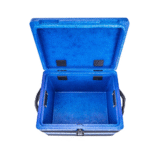
Conteneurs intelligents: Léger, insulated containers equipped with IoT sensors provide realtime monitoring and enhance shipment integrity.
Surveillance de l'IoT: Continuous tracking of temperature and humidity prevents spoilage.
Emballage durable: Ecofriendly packaging reduces environmental impact and meets consumer expectations.
Growth in refrigerated light commercial vehicles (Véhicules utilitaires): Fuelefficient LCVs offer lowcost lastmile transport and are expected to grow rapidly.
Market insights and regulatory drivers
Commerce international: Lower trade barriers and interconnected supply chains enable global transport of perishable goods, increasing demand for advanced Solutions de chaîne du froid.
Expanding quickservice restaurant (QSR) secteur: En Inde, the QSR sector is projected to grow 20–25 % en fiscalité 2024, highlighting the need for robust chaîne du froids to supply restaurants.
Urbanization and microfulfillment: Consumers in big cities demand rapid delivery; microfulfillment centers within 10 miles ensure temperaturecontrolled delivery.
Objectif réglementaire: Laws such as California’s SB 1383 exiger un 75 % réduction des déchets organiques and penalize noncompliance, pushing retailers to invest in controlledatmosphere storage and specialized sensors.
FSMA 204 chronologie: Although the compliance date is Janvier 20 2026, the FDA will not begin routine inspections until 2027. This gives industry players time to collaborate on implementation, but recordkeeping must begin by 2025.
SOE enforcement: The SOE rule requires all organic handlers to be certified and use electronic import certificates; penalties apply for noncompliance. Importers must be certified by Juillet 15 2025.
Questions fréquemment posées
Q 1: Why is chaîne du froid crucial for biovegetables?
Proper chaîne du froid logistics maintain temperature and humidity to preserve organic produce. Sans réfrigération, jusqu'à 40 % of bio vegetables can spoil in transit. Compliance reduces waste, protects nutrients and ensures food safety.
Q 2: Comment les petits agriculteurs peuvent-ils se permettre la technologie de la chaîne du froid ??
Small farmers can form cooperatives to share certification and transportation costs. Direct marketing channels and subscription platforms can increase farmer earnings by 25–30 %. Solarpowered cold storage and government subsidies also lower the barrier to entry.
Q 3: What role does AI play in chaîne du froid compliance?
L'IA optimise les itinéraires, forecasts demand and predicts maintenance needs. A study using kmeans clustering and Gaussian Process Regression reduced logistics costs by 34.76 % et le gaspillage des ressources par 15.6 %. AI can also automate recordkeeping and assist with FSMA 204 conformité.
Q 4: How do blockchain and IoT improve transparency?
Blockchain provides an immutable ledger of each shipment, while IoT sensors transmit realtime temperature and location data. Ensemble, they enable rapid recalls, build consumer trust and facilitate compliance with traceability rules.
Q 5: What are the consequences of noncompliance?
Noncompliance can lead to product degradation, public health risks and financial losses. It may trigger regulatory action, including audits, fines or license suspension. Maintaining compliance protects your reputation and reduces waste.
Résumé et recommandations
Cold chain biovegetables compliance in 2025 nécessite une approche globale. The chaîne du froid is a science, technology and process; it involves maintaining specific temperature and humidity ranges for fresh produce, deploying continuous monitoring and keeping detailed records for traceability. Organic certification and regulations like FSMA 204 and SOE mandate electronic documentation and importer certification. By investing in AIpowered route optimization, blockchain, IoT sensors and renewable energy solutions, vous pouvez réduire les coûts, réduire les déchets, lower emissions and build consumer trust. Cooperation among farmers, carriers and regulators is essential to meet the 2025–2028 compliance deadlines.
Plan d'action
Evaluate your current operations: Conduct a comprehensive audit to identify inefficiencies and monitor spoilage rates.
Élaborer une feuille de route de conformité: Align your processes with FSMA 204 and SOE requirements, y compris la certification, recordkeeping and importer registration.
Investir dans la technologie: Adoptez les capteurs IoT, AI route optimization and blockchain traceability to enhance visibility and reduce waste.
Collaborate and train: Form cooperatives, share resources and educate staff on chaîne du froid best practices.
Collaborer avec les régulateurs: Stay informed about rule changes and participate in industry collaborations to streamline compliance.
Appel à l'action: Start by assessing your chaîne du froid readiness today. The sooner you implement these steps, the better positioned you’ll be to meet upcoming regulations and delight customers with fresh, affordable bio vegetables.
À propos du Tempk
Tempk is a global leader in chaîne du froid technology, specializing in energyefficient refrigeration equipment, IoT monitoring systems and AIenabled supplychain software. We work with farmers, distributors and retailers to design sustainable chaîne du froid solutions that réduire les déchets, réduire les coûts d’exploitation et respecter des réglementations environnementales strictes. Nos produits comprennent des conteneurs isothermes, solarpowered refrigeration units and datadriven logistics tools. En mettant l’accent sur l’innovation et la durabilité, we help make organic and bio vegetables more accessible and affordable for everyone.
Action: Reach out to Tempk for tailored advice on optimizing your biovegetable chaîne du froid and achieving full compliance.