Fournisseur de packs de glace carbonique en Chine: Un guide d'achat pratique
Si vous évaluez fournisseur de pack de glace carbonique en Chine, commencer par un principe: acheter le résultat de l'expédition, pas seulement le pack. Dans cette catégorie, le prix unitaire ne signifie pas grand-chose sans dimensions claires, poids hydraté, construction matérielle, ajustement de l'itinéraire, et la preuve que le fournisseur peut reproduire le même pack encore et encore. La Chine offre une grande profondeur de fabrication, flexibilité du format personnalisé, et une solide expérience à l'exportation, mais les acheteurs doivent toujours vérifier qui convertit réellement le pack, contrôle les scellés, et gère la cohérence d'un lot à l'autre.
D'abord, Définir correctement le produit
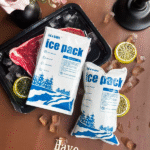
Avant de comparer les fournisseurs ou les prix, assurez-vous que tout le monde parle du même produit. Dans de nombreuses listes industrielles, un sac de glace carbonique est un paquet ou une feuille sous forme sèche hydratée avec de l'eau, congelé, puis utilisé comme réfrigérant à l'intérieur d'un expéditeur isolé. Il peut arriver sous forme de petite feuille de cellules, une couverture plus grande, une pochette façon brique, ou un autre format à base de gel. Ce n'est pas la même chose que la neige carbonique au dioxyde de carbone, qui atteint des températures beaucoup plus basses, évacue le gaz en se sublimant, et est soumis à des règles de transport et de sécurité spécifiques. Confondre les deux termes peut créer des erreurs de spécification, surprises en termes de coûts, et même des problèmes de conformité dans les expéditions aériennes.
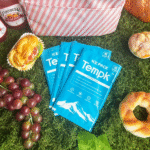
La plupart des produits de cette catégorie utilisent un film scellé ou une structure film plus non tissé qui contient un support absorbant l'eau.. Dans de nombreuses conceptions commerciales, ce support est un polymère superabsorbant., parfois associé à un gel ou à une formulation à changement de phase. Après que l'eau entre dans le pack, le matériau interne gonfle et emprisonne le liquide dans des cellules séparées. Une fois congelé, ces cellules absorbent la chaleur de la charge utile et aident à ralentir la montée en température. Les formats de feuilles peuvent s'enrouler autour des coins et répartir le refroidissement plus uniformément que les briques rigides, tandis que les formats de brique ou de pochette sont plus faciles à empiler en couches reproductibles.
Comparez les principales options de réfrigérant avant d’acheter
Une feuille à l'état sec est intéressante lorsque vous souhaitez une couverture flexible et un faible volume de stockage entrant.. Un pack de gel prérempli est intéressant lorsque vous souhaitez une préparation simple et une manipulation reproductible. Une brique rigide ou une brique PCM est utile lorsque la discipline d'empilement est importante. La neige carbonique au dioxyde de carbone appartient à une classe différente: c'est le choix pour les applications beaucoup plus froides, mais ça apporte de l'aération, manutention, et obligations de transport qui n'appartiennent pas aux packs de gel hydraté ordinaires.
| Format | Itinéraires concernés | Attention principale |
|---|---|---|
| Pack de feuilles hydratées | Couverture enveloppante et volume de stockage entrant réduit | A besoin d’un flux de travail d’hydratation et d’espace pour gonfler |
| Pack de gel prérempli | Déploiement rapide et manipulation cohérente | Cube de stockage et poids du fret plus élevés |
| Brique rigide ou brique PCM | Emballage de couches reproductibles et support solide | Moins flexible dans les coins et les formes étranges |
| Glace sèche au dioxyde de carbone | Applications surgelées à très froid | Secouer, sécurité, et règles de transport de glace carbonique |
Où ces packs s'adaptent le mieux à la pratique
Les packs à l'état sec et les réfrigérants en feuilles sont couramment utilisés lorsque les équipes ont besoin d'une source de froid légère pour les expéditions aller simple ou répétées de fruits de mer., viande, laitier, garnitures de boulangerie, kits de repas, produits frais, et articles de laboratoire ou de diagnostic. Ils sont également utilisés dans les emballages pharmaceutiques secondaires lorsque l'expéditeur complet a été adapté à une plage de température et une durée d'acheminement connues.. Les formats de feuilles flexibles sont particulièrement utiles lorsque la charge utile est de forme irrégulière ou lorsque la couverture autour du dessus et des côtés est plus importante que la construction d'un mur rigide de briques froides..
Ils sont moins adaptés lorsque vous avez besoin d’un véritable transport à ultra basse température, lorsque vous ne contrôlez pas le flux de travail d'hydratation et de congélation, ou lorsque la voie est si difficile qu'un expéditeur isolé plus performant et une stratégie de réfrigérant mieux définie sont nécessaires. Dans de nombreux cas, la bonne réponse n'est pas "plus de paquets." C'est une meilleure combinaison de préconditionnement, placement des paquets, isolation, et le délai d'expédition.
Pour les programmes orientés vers l'exportation en provenance de Chine, le colis devra peut-être également survivre à de longues fenêtres de manutention avant l'exportation et à des conditions d'entrepôt variables avant d'atteindre le transfert final par le transporteur ou la compagnie aérienne.. Les acheteurs devraient concevoir en fonction de la véritable chaîne d'exploitation plutôt que du seul tronçon du dernier kilomètre..
Le flux de travail de conditionnement est plus important que ce à quoi de nombreux acheteurs s'attendent
Les packs à l'état sec introduisent une étape opérationnelle supplémentaire par rapport aux packs de gel pré-remplis: activation. Cette étape semble simple, pourtant, il peut déterminer si le programme fonctionne correctement. Les équipes ont besoin d'une méthode reproductible pour tremper ou hydrater le sac., éliminer l'excès d'eau de surface, et congeler le pack suffisamment longtemps pour atteindre l'état prévu. Si l’hydratation est incohérente, certaines cellules peuvent rester sous-remplies. Si les paquets sont empilés de manière trop dense dans le congélateur, la congélation peut être inégale. Si l'excès d'eau de surface reste à l'extérieur, le pack peut geler avec les packs voisins ou créer du gel inutile.
Pour les programmes à faible volume, ces problèmes sont gérables. Pour les programmes de vente en gros ou en vrac, elles deviennent des questions de processus. Les acheteurs doivent se demander si leurs propres opérations peuvent prendre en charge à grande échelle la routine recommandée par le fournisseur.. Une feuille sèche très compacte peut sembler idéale lors de l'approvisionnement, mais devenir gênante si l'entrepôt dispose d'une capacité de congélation limitée ou si les opérateurs ont besoin d'un délai d'exécution rapide.. Cela ne rend pas le produit médiocre. Cela signifie simplement que le produit et le processus doivent être conçus ensemble..
La performance thermique est toujours une question de système, ce n'est pas une question qui concerne uniquement le pack. Un même emballage peut se comporter très différemment selon la température de départ de la marchandise, le type d'isolation, à quel point la charge utile est chargée, combien d'air vide reste dans la boîte, et si l'envoi se trouve dans une camionnette, sur un tarmac, ou dans une cage de dépôt. C'est pourquoi les acheteurs expérimentés ignorent les allégations de temps d'attente et demandent une logique d'emballage spécifique à l'itinéraire., pas seulement une seule déclaration marketing.
À quoi ressemblent de bonnes preuves
Les preuves de la chaîne du froid n’ont pas besoin d’être compliquées, mais il faut que ce soit pertinent. Des preuves utiles expliquent la méthode de conditionnement, le type d'expéditeur, la quantité de charge utile, l'emplacement du réfrigérant, et l'exposition ambiante utilisée pendant l'essai. De meilleures preuves font également la distinction entre les voies faciles et difficiles plutôt que de présenter une seule affirmation générale pour chaque cas d'utilisation..
Pour les acheteurs, la solution pratique consiste à demander deux niveaux de preuve. La première est la preuve au niveau du fournisseur: fiches techniques, informations importantes, et tout test ou conseil de manipulation que le fournisseur a déjà. La seconde est une preuve au niveau du programme: un envoi pilote ou un contrôle thermique utilisant votre propre logique d'emballage et d'itinéraire. C'est à ce deuxième niveau que les décisions d'achat deviennent fiables, car il montre si le format survit à une manipulation réelle et prend en charge la bande cible dans des conditions réalistes.
Route Réalité En Chine
L'approvisionnement en Chine est souvent judicieux lorsque vous souhaitez une flexibilité de format, impression de marque privée, ou volume à l'échelle de l'usine. Le défi opérationnel consiste à s'assurer que l'échantillon que vous approuvez est représentatif de la production répétée et de l'emballage pour l'exportation., pas seulement un lot de développement trié sur le volet. Pour les acheteurs expédiant dans le monde entier, il vaut également la peine de vérifier la protection contre l'humidité pendant le stockage en mer ou sur de longues distances et de planifier en fonction des risques de vacances ou de perturbations portuaires..
Pour les commandes de conteneurs ou de palettes, nombre de cartons, modèle de palette, protection contre l'humidité, et la clarté des Incoterms comptent presque autant que le prix unitaire.
Outils de décision utiles
Vérifiez les détails avant de choisir l'emballage
Ces outils rapides peuvent vous aider à comparer le risque d'itinéraire, besoins de dimensionnement, choix de liquide de refroidissement, et les détails de l'emballage avant de demander un devis.
Outil d’évaluation du risque d’itinéraire
Examinez les conditions des pistes avant de sélectionner l'emballage en fonction des exigences opérationnelles réelles..
Vérifier le risque d’itinéraireCalculateur d’accumulateurs de froid
Estimation de la quantité de pain de glace pour les expéditions réfrigérées et planification pratique des itinéraires.
Estimer les packs de glaceRéférence du matériau isolant
Comparez les choix de matériaux d'isolation pour différents besoins d'emballage de la chaîne du froid.
Comparez les matériauxComment présélectionner un fournisseur en Chine
Le prix compte, mais l'adéquation du fournisseur est plus large que le prix. Lorsque vous présélectionnez un fournisseur de blocs de glace carbonique en Chine, commencez par confirmer si l’entreprise est un fabricant, un convertisseur, un distributeur de bas, ou un intermédiaire commercial. Ce point affecte tout le reste: délai de mise en œuvre, profondeur technique, changer de contrôle, et la rapidité avec laquelle les problèmes sont corrigés. La Chine offre une grande profondeur de fabrication, flexibilité du format personnalisé, et une solide expérience à l'exportation, mais les acheteurs doivent toujours vérifier qui convertit réellement le pack, contrôle les scellés, et gère la cohérence d'un lot à l'autre.
Un fournisseur crédible doit être prêt à vous fournir des dimensions sèches et hydratées, poids hydraté, nombre de cellules, construction en matériau extérieur, et une explication claire de l'utilisation recommandée. Vous devriez également demander comment ils testent l'intégrité du sceau., résistance aux fuites, et consistance congelée. De nombreux acheteurs font l'erreur de ne demander qu'un échantillon et un devis.. Une meilleure approche consiste à demander un échantillon, une fiche technique, une méthode d'emballage, beaucoup de méthode d'identification, et une explication simple des changements contrôlés entre une exécution et la suivante.
Demandez si vous faites affaire avec l'usine elle-même ou avec une société commerciale, examiner les contrôles de l'échantillon à la production de masse, et planifier l'emballage pour l'exportation, documentation, et les fluctuations des délais de livraison pendant les vacances. Demandez également ce que le fournisseur attend de vous que vous fassiez de votre côté: temps d'hydratation, point de consigne du congélateur, pré-refroidissement du produit, disposition recommandée à l’intérieur de l’expéditeur isolé, et durée maximale pratique du parcours. Si ces directives opérationnelles manquent, vous êtes encore au stade de l'achat de produits, pas une étape de solution d'expédition.
Une liste restreinte utile comprend généralement ces contrôles:
- Qualité de l'échantillon: nettoyer les joints, cellules uniformes, pas de coins faibles, et pas d'odeur étrange ou de surface collante.
- Clarté technique: le vendeur peut expliquer la pile de matériaux, méthode d'hydratation recommandée, et geler le flux de travail.
- Documentation: fiche technique, FDS, logique de codage des lots, et toutes déclarations de contact alimentaire ou de matériaux dont vous avez besoin.
- Préparation commerciale: délai réaliste, nombre de cartons, configuration de palette, et des termes clairs pour l'impression personnalisée ou les formats spéciaux.
- Action corrective: une réponse pratique à ce qui se passe si les échantillons de production et d'approbation ne correspondent pas.
Une liste de contrôle pratique pour les fournisseurs
Avant de passer de l'étape d'échantillonnage à la production ou à un nouvel achat, assurez-vous que l'examen couvre la plupart de ces points:
- Ajustement interne et externe: taille sèche, taille hydratée, et comment le paquet se trouve à l'intérieur de l'expéditeur réel.
- Masse froide utilisable: poids hydraté, température conditionnée, et quelle part du volume de la boîte le réfrigérant consomme.
- Construction matérielle: type de film ou de stratifié, renfort non tissé, et toute résine ou système absorbant indiqué.
- Fermeture et intégrité: modèle de sceau, résistance aux fuites, contrôle des rafales, et tolérance aux cellules faibles.
- Efficacité de la manipulation: empilabilité, conseils de coupe sur mesure, aptitude enveloppante, et si le pack décongelé reste propre à manipuler.
- Hygiène et traçabilité: FDS, codage de lots, étiquettes de carton, et toutes déclarations matérielles ou alimentaires dont vous avez besoin.
- Conditions commerciales: Quantité minimale de commande, stock par rapport au délai de livraison personnalisé, conditions de configuration de l'impression, et quantités de cartons ou de palettes.
- Cohérence: comment les échantillons d'approbation sont adaptés à la production et comment les modifications sont communiquées.
- Adéquation de l'itinéraire: si le pack a été sélectionné pour votre plage de température réelle, durée du transit, et environnement de manipulation.
Conformité, Qualification, et documentation
Les compresses froides sont des composants, pas de raccourcis de conformité. Pour usage pharmaceutique ou de santé, la question cruciale est de savoir si la configuration d'expédition complète peut maintenir la plage de température prévue sur l'itinéraire prévu.. Les directives publiques de Santé Canada et les documents réglementaires axés sur le PIB mettent l'accent sur le transport conformément aux conditions de stockage étiquetées ou aux conditions de transport étayées par des données.. Ce principe s'applique que vous utilisiez un simple pack de gel., une feuille hydratée, une brique PCM, ou de la vraie neige carbonique au dioxyde de carbone.
La documentation doit donc être adaptée à la demande. Pour la distribution alimentaire, les acheteurs peuvent avoir besoin de déclarations importantes, Informations FDS, et les déclarations pertinentes concernant le contact alimentaire ou le contact indirect. Pour les programmes de laboratoire et pharmaceutiques, traçabilité, instructions d'emballage, preuve thermique, et la discipline en matière de contrôle des changements sont plus importantes que les certificats de marketing génériques. Si l’envoi utilise de la glace sèche au dioxyde de carbone, des obligations de transport supplémentaires s'appliquent car le colis doit évacuer le gaz et respecter les exigences de marquage et de manipulation spécifiques à la neige carbonique. Les packs de gel hydraté évitent ce profil particulier de risque de glace carbonique, mais ils ont encore besoin de preuves adaptées.
Un examen de conformité pratique fait également la distinction entre un conteneur de manutention réutilisable et un système de contrôle de température qualifié.. Une caisse réutilisable propre peut améliorer la manipulation et l’hygiène, mais n'offrent toujours aucune protection thermique significative. Une feuille sèche flexible peut fournir un refroidissement utile, mais cela reste insuffisant sans la bonne boîte isolée et la validation de l'itinéraire. Les acheteurs des secteurs réglementés devraient considérer ces distinctions comme fondamentales., pas facultatif.
FAQ
Les packs de glace carbonique sont-ils les mêmes que la neige carbonique?
Non. Dans de nombreux catalogues d'emballages, un sac de glace carbonique est un gel à l'état sec ou un sac réfrigérant qui est hydraté et congelé avant utilisation. La neige carbonique au dioxyde de carbone est un réfrigérant totalement différent. Il sublime, nécessite une ventilation, et dispose de règles de transport et de sécurité qui ne s'appliquent pas de la même manière aux packs de gel hydraté.
Ces packs peuvent-ils être utilisés pour les expéditions pharmaceutiques?
Ils peuvent convenir dans le cadre d’un expéditeur isolé qualifié, mais l'adéquation dépend du produit, plage de température, durée de l'itinéraire, et conception d'emballage. Pour les produits pharmaceutiques, les acheteurs doivent travailler à partir des conditions de stockage étiquetées ou des conditions de transport étayées par des données plutôt que de supposer qu'une compresse froide est automatiquement acceptable..
Que dois-je tester avant d'approuver une commande groupée?
Testez l'emballage réel sur la boîte ou la doublure isolée prévue. Inclure la température de départ du produit, méthode de conditionnement, exposition saisonnière au chaud et au froid, traitement des colis si pertinent, et recevoir des chèques. Comparez également les échantillons d'approbation avec les échantillons de production afin de dimensionner, masse hydratée, et la qualité du joint ne dérive pas plus tard.
Quelle est l'erreur d'achat la plus courante?
L'erreur la plus courante consiste à comparer les packs uniquement en fonction du temps de conservation indiqué ou du prix par pièce.. Un acheteur obtient de meilleurs résultats en comparant les dimensions sèches et hydratées, construction de films, flux de travail d'hydratation et de congélation, et la preuve que le fournisseur peut reproduire le même pack de manière cohérente.
Conclusion
Une décision d'achat solide dans cette catégorie consiste rarement à trouver le pack le plus froid ou le moins cher.. Il s’agit d’adapter le bon format de réfrigérant au bon système isolé, puis choisir un fournisseur capable de reproduire cette spécification de manière cohérente. Une fois que vous avez défini la voie, la plage de température cible, et le flux de travail d'emballage clairement, la comparaison devient beaucoup plus objective.
À propos du Tempk
Et Tempk, nous travaillons sur emballage à température contrôlée pour la nourriture, pharmaceutique, et autres envois sensibles. Notre gamme de produits publics comprend packs de glace en gel, hydratation packs de glace sec, sacs isolés, glacières, couvertures thermiques de palettes, et des solutions d'emballage personnalisées plus larges dans plusieurs zones de température. Nous nous efforçons d'adapter le format du réfrigérant et la structure de l'expéditeur aux conditions de transport réelles afin que les acheteurs puissent comparer les options pratiques avant de développer un programme..
Prochaine étape
Si vous comparez des formats de packs ou des fournisseurs, demandez une recommandation construite autour de votre température cible, temps de transit, et conditions de manipulation. Cela rend les décisions d'achat en gros et de personnalisation beaucoup plus faciles à prendre.