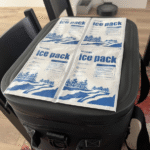
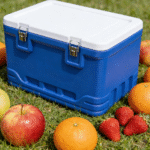
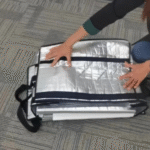
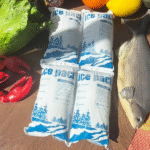
Dry ice packs for travel keep food, fruit de mer, Et la médecine vraiment gelée lors de longs voyages. Dans la plupart des itinéraires, vous pouvez ramener 2.5 kg par passager si le colis est ventilé et clairement étiqueté, Et un pack-out intelligent peut prolonger l'exécution d'un jour ou plus par rapport aux packs de gel. Vous trouverez ci-dessous les règles des compagnies aériennes, un estimateur de dimensionnement, et l'emballage étape par étape que vous pouvez utiliser aujourd'hui.
Cet article vous aidera:
-
Choisir dry ice packs for travel contre. PCM VS. gel for your route and duration
-
Size how much dry ice you need using a day-by-day estimator
-
Pack and label correctly to meet airline dry ice rules
-
Prevent thawing with pre-chill, superposition, and void fill techniques
-
Travel safely by car, former, or cruise with proper ventilation
-
Piste 2025 trends in reusable PCM systems and policy continuity
Sont dry ice packs for travel allowed on planes in 2025?
Oui. Vous pouvez généralement transporter à 2.5 kg (5.5 kg) per passenger in carry-on or checked baggage if the container is vented, labeled “Dry ice / Dioxyde de carbone, solide,” and the airline is notified. Label the net weight or state “≤ 2.5 kg.” At security, gel packs are allowed only if fully frozen at screening. Plan ahead and confirm carrier specifics.
Ce que cela signifie pour vous: use a vented hard cooler (Jamais hermétique), add a visible label and weight, and note the dry ice with your airline before departure. Keep any gel packs rock-solid at screening to avoid the liquids rule. These practices line up with airline and airport guidance in 2025 and keep you compliant without surprises.
How much dry ice packs for travel do you need?
Règle: planifier sur 5–10 lb par 24 heures in a quality cooler. Commencer par 8 lb / jour for a mid‑size hard cooler, ajouter +2 lb / jour for hot weather or frequent openings, and keep a 25% tampon pour les retards. A five‑pound block often covers a roughly 18–24 hour flight day in a good cooler.
| Durée du voyage | Base de base (refroidisseur dur) | Hot/Opened Often | Suggested Total (incl. 25% tampon) | Ce que cela signifie pour vous |
|---|---|---|---|---|
| 12 heures | 4 kg | 6 kg | 5–8 lb | Overnight hop or long layover |
| 24 heures | 8 kg | 12 kg | 10–15 lb | Typical door‑to‑door flight day |
| 36 heures | 12 kg | 18 kg | 15–22 lb | Long itinerary with connections |
| 48 heures | 16 kg | 24 kg | 20–30 livres | Add pre‑chill and minimize openings |
Conseils pratiques que vous pouvez utiliser aujourd'hui
-
Utilisez un conteneur ventilé: latch the lid but don’t tape seams airtight.
-
Placer la glace sèche sur le dessus: puits d'air froid; keep food/medicine below with a spacer.
-
Combler les trous d'air: towels or paper reduce heat gain and extend hold time.
-
Carry a thermometer: verify ≤40°F for chilled goods or <0°F for frozen.
Cas réel: A traveler on a 28‑hour route used a 45‑quart rotomolded cooler, ~12 lb dry ice on top, and minimal openings. The contents arrived rock‑solid with 8–10 hours of margin thanks to pre‑chill and tight packing.
How should you pack dry ice packs for travel to maximize runtime?
Keep items frozen solid, pre‑chill the cooler 12–24 hours, layer a spacer above the goods, stack dry ice on top, and fill voids. Add a simple label before check‑in and avoid any airtight seals so CO₂ can vent safely. This set‑up materially extends runtime and reduces waste.
Pourquoi ça marche: insulation absorbs heat; pre‑chilling reduces the load your dry ice must absorb. A spacer (rack/cardboard) prevents freeze damage, while void fill limits warm air exchange. Checking temperature on arrival is the easiest confidence check after a long layover.
Emballage étape par étape (5–10 minutes)
-
Pre‑chill cooler 12–24 hours (sacrificial ice or a walk‑in freezer).
-
Load frozen items in sealed, leak‑proof bags at the bottom.
-
Ajouter une entretoise (cardboard or rack).
-
Break a block into large chunks; lieu glace sèche sur le dessus.
-
Fill remaining voids with towels or clothing.
-
Latch the lid; ne pas sceller hermétiquement.
-
Label “Dry ice” + poids; notify the airline.
-
Place a small appliance thermometer inside.
| Matériel | Ce que ça fait | Quand utiliser | Avantage pratique |
|---|---|---|---|
| Butcher paper/cardboard | Prevents sticking/frostbite marks | Toujours | Safer access, cleaner packaging |
| Foam spacer or rack | Improves circulation | Delicate items | Reduces freeze burn |
| Soft fill (serviettes) | Eliminates air gaps | Partially filled coolers | Temps de maintien plus long |
| Refroidisseur dur (rotomolded) | Lowers heat load | Flights/long drives | Less dry ice per day needed |
Dry ice packs for travel vs. PCM VS. gel: Lequel devez-vous choisir?
Utiliser dry ice packs for travel when you must keep goods frozen for 24–48+ hours. Choisir Packs PCM (matériaux à changement de phase) for precise set points (Par exemple, +5°C for medicine), et packs de gel for short trips or when you need the simplest airport experience. PCM and reusable systems continue to expand in 2025 for sustainability and reliability.
Sélecteur rapide
-
Frozen food/seafood 24–48h: Dry ice = best runtime; label and vent.
-
2–8°C medicine (insulin/biologics): PCM +5°C = tight range, aucun risque de gel.
-
Houblons courts & easy screening: Fully frozen gel packs, no dry‑ice label needed.
Staying safe with dry ice packs for travel in cars, les trains, and cruises
La ventilation n'est pas négociable. Dry ice becomes CO₂ gas that can displace oxygen, especially in trunks, cabins, and small rooms. Transport in a ventilated area, fissurer les fenêtres, and open containers cautiously. Always keep out of reach of children, Portez des gants isolés, and never use airtight vessels. Policies for trains or cruises may differ—ask first.
2025 developments and trends in dry ice travel solutions
Quoi de neuf cette année: Reusable PCM systems are growing fast on sustainability and precision, alors que airline dry‑ice limits (2.5 kg) remain largely unchanged. Expect broader consumer access to −21°C and +5°C PCM packs Et plus sensor‑enabled packaging for visibility across long routes.
Points forts en un coup d'œil
-
PCM growth: Wider retail access to travel‑ready set‑point packs.
-
Systèmes réutilisables: Passif, data‑logged solutions for bulk moves.
-
Policy continuity: Consistent venting/labeling and 2.5 kg/person limits.
Perspicacité du marché: Advanced PCM and reusable shippers continue double‑digit growth into 2030, moving from pharma into consumer food travel and outdoor recreation. That means more choices—and less waste—whenever you need frozen reliability on the go.
FAQ
Can I take dry ice packs for travel in carry‑on?
Oui. Jusqu'à 2.5 kg (5.5 kg) par passager avec ventilation, étiquetage, and airline approval. Check carrier specifics.
Do gel packs pass security?
Oui, si complètement gelé lors du dépistage; partially melted packs must follow liquids rules.
What temperature keeps food safe?
Keep cold foods ≤40 ° F (4°C), hot foods ≥140°F, and use a thermometer in the cooler.
How much dry ice should I buy?
Utiliser 5–10 lb / jour as a planner and add a 25% tampon for delays and warm weather.
La glace carbonique est-elle sans danger dans une voiture?
Yes—with ventilation. Avoid sealed trunks and crack windows; CO₂ can accumulate in confined spaces.
Résumé & recommandations
Points clés: Dry ice packs for travel are airline‑legal up to 2.5 kg per traveler with proper venting and labeling; pré-refroidissement, layer a spacer, and fill voids to stretch runtime; taille à 5–10 lb / jour avec un 25% tampon; prendre PCM +5°C for medicine and gel for short/simple trips; always ventilate and monitor temperature.
Étapes suivantes (choose your path):
-
Flying with frozen food: Pack items solid‑frozen, glace sèche sur le dessus, add label + poids, notify airline.
-
Traveling with medicine (2–8 ° C): Use a qualified +5°C PCM pack and keep it in carry‑on; add a data logger if needed.
-
Road‑tripping with seafood: Vented hard cooler, windows cracked, minimal lid openings; check temperature at stops.
Planificateur rapide (liste de contrôle interactive)
À propos du tempk
We help organizations and travelers move temperature‑sensitive goods with validated pack‑outs, reusable PCM options, and compliant labeling kits. Our designs prioritize performance and practicality—fewer surprises and longer hold times—backed by testing data and hands‑on guidance so your trip runs cold and smooth. Need a pack‑out checklist or a quick sizing quote? Contact Tempk for a travel‑ready plan today.