Un cadre d'approvisionnement pour le fabricant de blocs de glace carbonique pour la livraison de vaccins
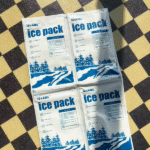
L'approvisionnement doit traiter le fabricant paquet de glace sec pour la livraison des vaccins en tant que contrôle terminologique à haut risque, ce n'est pas une catégorie de produits prêts à l'emploi. La feuille d'hydratation de Tempk est activée avec de l'eau et congelée. Ce n'est pas du dioxyde de carbone solide, n'est pas de la neige carbonique UN1845, et n'est pas automatiquement un pack de vaccins conditionné. Cette distinction est essentielle car les exigences en matière de vaccins sont spécifiques au produit., et de nombreux vaccins réfrigérés peuvent être endommagés par la congélation. Le cadre d'approvisionnement ci-dessous commence par l'étiquette du vaccin approuvé et le programme de gouvernance., puis passe par la qualification du système, preuve du fournisseur, mise en œuvre, et sortie en cours. Si un composant ne peut pas passer une étape, le prix et la disponibilité ne devraient pas l'avancer au suivant.
Scène 1: établir l'exigence applicable
Créer un fichier d'exigences pour la présentation et le mouvement exacts du vaccin. Il devrait inclure:
étiquette actuelle du produit et instructions du fabricant;
conditions de stockage d'origine et de destination;
réfrigéré, congelé, ultra-froid, ou état à température contrôlée;
durée de transport autorisée et tout processus d'excursion approuvé;
instructions sur les diluants et les composants auxiliaires;
exigences du programme national de vaccination ou des autorités sanitaires;
SOP organisationnelle et appropriation de la qualité;
itinéraire, mode, transferts, et conditions d'accueil.
Ne pas utiliser une gamme empruntée à un autre vaccin. De nombreux vaccins américains sont régulièrement réfrigérés entre 2°C et 8°C., mais d'autres ne le sont pas, et les conditions du produit peuvent changer après décongélation ou préparation. Le dossier d'exigences doit avoir une date d'examen et un approbateur responsable.
Cette étape détermine également si l'emballage passif est autorisé. Un réfrigérateur ou un congélateur portable alimenté pour les vaccins peut être préférable.. Pour le transport planifié non urgent vers des installations américaines, Juillet du CDC 2026 une boîte à outils recommande des unités de vaccination portables, avec des conteneurs et des emballages qualifiés comme alternative lorsqu'une unité portable n'est pas disponible.
Scène 2: sélectionner la famille technologique
Seulement après l'étape 1 les achats peuvent-ils classer le réfrigérant.
Feuille d'hydratation activée par l'eau. Un flexible, composant d'eau gelée. Il peut être évalué dans le cadre d’une conception formelle, mais n’a pas de statut inhérent à un système de vaccination..
Pack de glace conditionné. Un pack d'eau congelée amené à un état conditionné défini pour les supports et procédures de vaccins standard spécifiés.
Pack d'eau fraîche. Un pack réfrigérant non congelé utilisé en particulier dans les contextes de l'OMS/UNICEF pour éviter le gel, avec une durée de vie au froid plus courte qu'un pack congelé.
PCM spécifique à la température. Un composant à changement de phase conçu et conditionné autour d'une plage de transition définie. Le CDC note les PCM disponibles dans le commerce entre 4°C et 5°C pour le transport réfrigéré des vaccins, utilisé conformément aux instructions du fabricant dans le système requis.
CO2 solide. Glace carbonique réelle pour les systèmes surgelés ou ultra-froids spécifiques au produit. Il sublime, nécessite un emballage ventilé, et invoque les contrôles applicables des marchandises dangereuses de l'IATA dans le transport aérien.
Rejeter l'équivalence par apparence. Une feuille d'eau plate n'est pas la même chose qu'un sac d'eau rigide répertorié pour un transporteur préqualifié par l'OMS., et un produit appelé "paquet de glace sec" ce n'est pas du dioxyde de carbone.
Scène 3: consulter les directives officielles applicables
Pour les fournisseurs américains, Juillet du CDC 2026 la boîte à outils dit gelé packs de gel et packs de liquide de refroidissement les vaccins provenant des expéditions originales ne doivent pas être utilisés pour emballer des vaccins réfrigérés.. Même les paquets conditionnés ou en sueur peuvent geler le vaccin. Il rejette également les refroidisseurs d'aliments ou de boissons et la réutilisation courante du conteneur d'expédition d'origine du fabricant pour un transport planifié non urgent..
Pour les programmes de vaccination OMS/UNICEF, le choix du liquide de refroidissement dépend de la conception du support. Les transporteurs standards utilisent correctement conditionnés packs de glace ou des packs d'eau fraîche pour les vaccins sensibles au gel selon les instructions du programme. Les supports antigel utilisent une barrière interne et sont conçus pour les emballages congelés; les packs conditionnés ou réfrigérés peuvent réduire leur durée de vie au froid.
Pour le transport aérien utilisant du CO2 solide, Les exigences de l'IATA incluent un package conçu pour libérer du gaz, marquage UN1845 correct, Nom d'expédition approprié, quantité nette de glace carbonique, et classe 9 étiquetage selon les instructions applicables. Les variations de transporteur et d’état doivent être vérifiées.
Ces règles ne peuvent pas être regroupées dans une seule liste de contrôle globale. Enregistrez quelles directives s’appliquent et pourquoi.
Scène 4: exiger un dossier de preuve complet
| Dossier section | Contenu requis | Question d'approbation |
|---|---|---|
| Identité du composant | Nom technique, construction, dimensions, matériels, activation, et état prévu | Est-ce la technologie autorisée? |
| Contrôles de qualité | Codage des lots, inspection, non-conformité, traçabilité, et notification de changement | La production peut-elle rester équivalente à l'article évalué? |
| Définition du système | Récipient, isolation, barrières, quantité et emplacement du liquide de refroidissement, plage de charge utile, et fermeture | La configuration est-elle reproductible? |
| Etude thermique | Profils chauds et froids, durée, capteurs, données brutes, écarts, et critères d'acceptation | Protège-t-il de la chaleur et du gel? |
| Procédure opérationnelle | Emballage, conditionnement, mise en scène, surveillance, transport, reçu, et réponse à l'excursion | Les sites peuvent-ils exécuter le processus testé? |
| Statut de qualification | Conception, opérationnel, et preuves de performance avec approbations | Les preuves couvrent-elles ce vaccin et cette voie? |
| Contrôles du cycle de vie | Fréquence de vérification, plaintes, changements, et critères de départ à la retraite | L'état approuvé sera-t-il maintenu? |
Le dossier rend visibles les preuves manquantes. Un fabricant est responsable des informations et des contrôles sur les composants. Le propriétaire du système est responsable de la qualification et de l'approbation. Dans certains marchés, un fournisseur d'emballages peut prendre en charge les deux, mais la responsabilité doit toujours être explicite.
Norme ISTA 20 et ISTA 7E peuvent structurer la qualification des conteneurs maritimes isolés et les défis thermiques des colis. ASTM D3103 propose une méthode pour tester les performances thermiques sous exposition ambiante variable. Les orientations du comité pharmaceutique de l'ISTA traitent de la qualification opérationnelle et de la qualification ou de la vérification des performances. Utiliser la méthode appropriée au système de distribution et documenter la justification.
Scène 5: défier les pires configurations crédibles
La qualification doit tester ce qui est le plus susceptible d'échouer, non seulement l'envoi moyen. Considérer:
charge utile minimale, qui peut avoir moins de masse thermique;
charge utile maximale, ce qui peut restreindre la circulation ou modifier le placement;
positions à côté du liquide de refroidissement et dans les coins chauds;
hypothèses approuvées en matière de retard et d’ouverture des portes;
expositions en saison chaude et en saison froide;
tolérances et conditionnement réalistes des composants;
orientation et manutention du transport, le cas échéant;
délai de réception avant stockage contrôlé.
Une carte de capteurs doit détecter les zones locales froides et chaudes. Le propriétaire du vaccin définit les critères d'acceptation sur la base des instructions approuvées et des informations sur la stabilité. Si une faible excursion se produit, ne faites pas la moyenne avec des capteurs conformes à moins que le protocole et la science du produit justifient explicitement ce traitement.
La qualification du système doit inclure l'observation du processus. Un emballage qui réussit uniquement lorsqu'un ingénieur le prépare lentement peut échouer dans une clinique lors d'un transfert réel.. Instructions, composants, et les contrôles doivent rendre pratique une exécution correcte.
Exemple pratique: une décision d'approvisionnement en expéditeurs réfrigérés
Imaginez une équipe d'approvisionnement comparant deux propositions de liquides de refroidissement pour un expéditeur réfrigéré qualifié.. La proposition A est le PCM spécifique à la température actuellement approuvé.. La proposition B est une feuille activée par l'eau à moindre coût, présentée comme un "pack de glace sèche pour vaccins."
La proposition B fournit des documents matériels et une démonstration d'expédition de produits alimentaires, mais aucun rapport thermique sur le système de vaccination.. Sa géométrie rapproche également les cellules congelées des cartons des flacons.. L'équipe ne le marque pas comme remplaçant équivalent. Il enregistre les lacunes en matière de preuves et conserve la proposition A pour l'approvisionnement opérationnel..
Outils de décision utiles
Vérifiez les détails avant de choisir l'emballage
Ces outils rapides peuvent vous aider à comparer le risque d'itinéraire, besoins de dimensionnement, choix de liquide de refroidissement, et les détails de l'emballage avant de demander un devis.
Sélecteur d'emballage
Comparez les options d'emballage isotherme par produit, itinéraire, et besoin de température.
Trouver un emballageRéférence du matériau isolant
Comparez les choix de matériaux d'isolation pour différents besoins d'emballage de la chaîne du froid.
Comparez les matériauxDoublure de boîte & Dimensionnement des couvertures de palettes
Vérifiez la logique de dimensionnement du revêtement de boîte et du couvercle de palette pour les projets d'emballage isotherme.
Dimensionnement estiméSi l’ingénierie souhaite développer la proposition B, cela crée un projet séparé: vérifier la technologie autorisée selon les directives actuelles, définir les barrières, exécuter des profils chauds et froids avec la cartographie des capteurs, évaluer les charges minimales et maximales, qualifier le processus opératoire, et obtenir l'approbation de la qualité. Les économies commerciales ne sont envisagées qu’après faisabilité technique. Ce cas fictif illustre un séquençage discipliné.
Scène 6: qualifier le constructeur comme partenaire du changement
Les contrôles de fabrication sont importants car un liquide de refroidissement n'est pas statique. Film, absorbant, paramètres du joint, dimensions des cellules, fournisseurs, et les sites peuvent changer. L'accord doit définir les délais de notification et les modifications qui nécessitent l'approbation de l'acheteur..
Auditer ou évaluer:
contrôle des matières entrantes;
instructions de processus et formation;
contrôles d'étanchéité et dimensionnels;
activation ou échantillonnage fonctionnel;
entretien et étalonnage de l'équipement, le cas échéant;
libération et identification des lots;
déviation, plainte, et systèmes d’actions correctives;
contrôle des documents;
continuité des activités et gouvernance des approvisionnements alternatifs.
La cohérence de l’échantillon à la production doit être démontrée. Un échantillon de vente réalisé sur une ligne de développement ne peut pas représenter un volume d'approvisionnement sans preuve appropriée..
La personnalisation mérite un contrôle particulier. L'impression peut masquer les lignes de coupe ou les marques de lot; les changements dimensionnels peuvent modifier l'ajustement; un nouveau film peut changer la manipulation. Traitez les variantes personnalisées comme de nouvelles configurations jusqu'à ce que l'équipe qualité documente l'équivalence ou la vérification..
Scène 7: mettre en œuvre sans affaiblir la conception qualifiée
La formation doit couvrir la raison des étapes critiques. Le personnel est plus susceptible de suivre le conditionnement et les gestes barrières lorsqu'il comprend le risque de gel..
À l'emballage:
Vérifier le vaccin, quantité, récipient, article de liquide de refroidissement, et version de la procédure.
Confirmer le conditionnement des composants grâce au contrôle approuvé.
Charger le liquide de refroidissement et les barrières dans l'orientation spécifiée.
Positionnez le dispositif de surveillance de la température de manière qualifiée.
Réduire au minimum l’ouverture de la porte de l’unité de stockage et protéger les vaccins de la lumière si nécessaire.
Fermer, identifier, et sécurisez le conteneur.
Enregistrez le transfert et démarrez la surveillance comme indiqué.
Pendant le mouvement, protéger le conteneur de la lumière directe du soleil et des emplacements de véhicules non approuvés. Le CDC conseille d'utiliser la cabine passagers plutôt qu'un coffre ou une plateforme de camion pour le transport de véhicules concernés, car ces zones peuvent devenir trop chaudes ou trop froides..
A la réception, revoir le moniteur, inspecter le conteneur, et transférer immédiatement le vaccin vers un lieu de stockage approuvé. Suivez la procédure d'excursion avant utilisation si les résultats sont manquants, alarmant, ou en dehors des limites.
Scène 8: contrôler les changements, écarts, et durabilité
Créer une matrice de changement couvrant la présentation des vaccins, charge utile, liquide de refroidissement, isolation, barrière, récipient, capteur, itinéraire, transporteur, et procédure. Chaque changement fait l’objet d’une évaluation d’impact documentée. La décision peut être sans action, vérification ciblée, partial requalification, ou requalification complète.
Écarts de tendance par configuration et cause. Les erreurs de conditionnement peuvent nécessiter une formation ou un système plus simple. Les excursions chaudes sur une voie peuvent nécessiter des changements de service. Des fuites répétées sur un lot nécessitent une enquête du fournisseur. Ne modifiez pas la quantité du pack de manière informelle pendant qu'un examen des causes profondes est ouvert..
La durabilité vient après la protection du produit mais doit être incluse dans la conception. Comparer le matériel, volume entrant, eau d'activation, énergie de congélation, masse sortante, réutilisation et remise à neuf, transport de retour, élimination, et risque de perte de vaccins. Le stockage compact à sec d'une feuille d'hydratation peut être avantageux, mais cet attribut à lui seul ne prouve pas un impact moindre sur le cycle de vie.
Les systèmes réutilisables doivent être qualifiés tout au long de leur durée de vie prévue, inspection, nettoyage ou remise à neuf le cas échéant, traçabilité, et critères de départ à la retraite. Un général de constructeur "réutilisable" la déclaration est insuffisante pour le service de vaccination.
Un examen périodique doit relier les preuves du fournisseur et de l'expédition. Confirmez que les lots récents correspondent au composant qualifié, les enregistrements de conditionnement restent acceptables, les dispositifs de surveillance sont gérés dans le cadre du système qualité, et les hypothèses d'itinéraire reflètent toujours les opérations. Examiner les quasi-accidents ainsi que les excursions: un paquet mal préparé mais détecté avant utilisation révèle une faiblesse du processus qui mérite d'être corrigée. Si les performances dérivent, suspendre les ajustements informels et utiliser le contrôle du changement pour décider si la formation, vérification, ou une requalification est requise.
L'examen doit également rapprocher l'inventaire physique des documents approuvés.. Retrait des révisions remplacées du liquide de refroidissement, mettre en quarantaine les packs non identifiés, et vérifier que les kits d'urgence contiennent les mêmes composants nommés dans la procédure actuelle. Pratiquez la procédure d'escalade avec une simulation de réception retardée afin que le personnel sache qui évalue les données de surveillance et qui contacte le fabricant du vaccin ou le programme de vaccination.. La préparation est démontrée par des décisions correctes sous pression, pas par le nombre de composants de rechange sur une étagère.
Questions fréquemment posées
L'approvisionnement peut-il approuver un liquide de refroidissement à partir d'une fiche technique de composant?
Non. La fiche technique peut établir l'identité et le traitement, mais l'utilisation du vaccin nécessite la technologie autorisée, un système complet défini, qualification thermique, procédures opérationnelles, surveillance, et approbation de la qualité. Les achats doivent conserver le document constitutif comme une section du dossier de preuves..
Un paquet congelé en sueur signifie-t-il qu'il est conditionné en toute sécurité?
Non. Juillet du CDC 2026 la boîte à outils prévient que les packs de gel ou de liquide de refroidissement congelés peuvent toujours congeler les vaccins réfrigérés même s'ils sont conditionnés ou transpirants. Utilisez uniquement le contrôle du liquide de refroidissement et du conditionnement approuvé par la procédure qualifiée..
Les matériaux d'expédition d'origine du fabricant peuvent-ils être réutilisés?
CDC déconseille d'utiliser un distributeur ou un fabricant d'origine conteneurs maritimes pour les transports planifiés non urgents. Leurs composants ont été conditionnés et placés pour l'expédition originale validée, et cet état peut ne pas être reproductible. Utilisez une unité portable ou un emballage de transport qualifié, le cas échéant.
Quel est le rôle d'un enregistreur de température?
Il documente la température pendant un mouvement et prend en charge les décisions de réception et de déviation. Il ne refroidit pas le vaccin et ne compense pas un emballage non qualifié. Type d'appareil, placement, limites, aide à l'étalonnage, et l'examen des données doit être défini dans la procédure du système.
Que devrait dire un fabricant sur l’adéquation d’un vaccin?
Il doit décrire uniquement les faits vérifiés sur les composants et les configurations testées exactes.. Il doit identifier les limites et éviter les prétentions à l’approbation universelle, conformité, ou durée. L'adéquation finale est déterminée par le propriétaire du vaccin selon l'étiquette actuelle., orientations régissant, système qualifié, et processus qualité.
Conclusion: le sourcing suit la qualification
La séquence d'approvisionnement correcte est l'exigence en matière de vaccins, technologie autorisée, directives applicables, preuve complète, défi thermique, contrôle du fabricant, mise en œuvre, et revue du cycle de vie. Inverser cette séquence crée une pression pour qu'un composant disponible s'adapte à un système pour lequel il n'a jamais été conçu..
Gardez les noms précis. Une feuille d'hydratation activée par l'eau n'est pas un paquet de vaccins conditionné par défaut et n'est pas de la neige carbonique UN1845.. Une qualification spécifique au produit et des opérations disciplinées – et non une expression catalogue – protègent l’efficacité du vaccin.
À propos du tempk
Tempk fournit des feuilles de liquide de refroidissement hydratantes activées par l'eau et emballage isolé composants pour la logistique sensible à la température. Nous pouvons fournir des informations actuelles sur les composants et des échantillons pour une évaluation formelle, mais nous ne prétendons pas qu'une feuille d'hydratation s'adapte à tous les vaccins ou remplace un emballage qualifié. Les propriétaires de vaccins doivent définir la gamme approuvée et la procédure de gouvernance, évaluer les risques de gel et de chaleur, qualifier le système complet, et contrôler la surveillance et les changements.
Apporter à Tempk une exigence de composant de qualité approuvée plutôt qu'une demande de vaccin générique. Nous pouvons ensuite discuter si un échantillon est approprié pour un examen technique contrôlé..