Un plan axé sur la culture pour un pack de glace sèche pour distributeur destiné à l'emballage de légumes
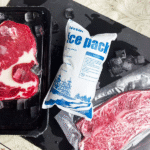
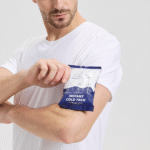
Traiter tous les légumes comme une seule charge utile réfrigérée est le moyen le plus rapide de concevoir le mauvais emballage. Un distributeur paquet de glace sec pour l'emballage de légumes ne doit entrer dans le processus qu'après la récolte, itinéraire, et le carton sont définis. Le sac de glace carbonique d'hydratation de Tempk est une feuille de liquide de refroidissement gelée activée par l'eau, pas de dioxyde de carbone ni de neige carbonique UN1845. Il peut ajouter une surface de refroidissement flexible à l'intérieur d'un emballage isolé, mais il ne peut pas choisir un point de consigne sûr, supprimer la chaleur de champ illimitée, réguler l'humidité, ou prouver la conformité alimentaire. Ce plan relie la physiologie des produits, carton zones, preuve du fournisseur, et exécution quotidienne.
Première étape: Rédiger un passeport de culture et d'itinéraire
Avant de demander un échantillon de feuille, préparer une page de faits pour l'expédition. Le passeport doit nommer le légume, variété ou type commercial le cas échéant, maturité, état entier ou fraîchement coupé, emballage primaire, condition de départ, plage de charge utile, et qualité d'arrivée requise. Il convient également d'identifier la sensibilité au froid et à la congélation, besoins en ventilation et en humidité, et incompatibilités connues au sein des charges mixtes.
Utiliser les informations post-récolte spécifiques aux produits et les propres spécifications de qualité de l'entreprise. Les références de l'USDA indiquent clairement que les dommages causés par le froid varient selon les produits et peuvent survenir au-dessus du point de congélation.. Les symptômes peuvent apparaître plus tard, après le retour de la culture à des conditions plus chaudes. Un colis qui semble froid à la réception peut quand même raccourcir la durée de conservation.
Ajouter l'itinéraire. Enregistrer chaque période hors stockage contrôlé: mise en scène, chargement, collecte de transporteurs, transfert de hub, séjour à la frontière ou à l'aéroport, véhicule du dernier kilomètre, déchargement, et retard de réception. Inclure des informations chaleureuses pertinentes- et des conditions de saison froide et une marge de perturbation crédible. "Lendemain" est une promesse de service, pas un profil ambiant.
Enfin, indiquer la capacité du site d'emballage. Le personnel peut-il hydrater et égoutter les draps de manière hygiénique? Y a-t-il suffisamment de capacité de congélation au volume maximal? Les feuilles préparées peuvent-elles être séparées par statut? La ligne a-t-elle de la place pour une barrière ou une entretoise? Un produit qui correspond à la théorie thermique mais pas à l'opération d'origine n'est pas un choix évolutif.
Deuxième étape: Cartographier le carton en zones thermiques
Un carton isotherme a rarement une température uniforme. Joints du couvercle, coins, murs, évents, et les interfaces du liquide de refroidissement se comportent différemment. Les légumes situés à proximité d'une large feuille congelée peuvent être confrontés à un risque de froid, tandis que le produit près d'une couture ou d'une ouverture peut d'abord se réchauffer. L’espace libre et les voies d’air internes peuvent amplifier la différence.
Esquissez le carton emballé du haut et du côté. Marque:
voies probables d’entrée de chaleur;
aérations qui doivent rester ouvertes;
contact direct et indirect avec le liquide de refroidissement;
produits délicats ou sensibles au froid;
haut- et géométrie à faible charge utile;
mouvement potentiel de la feuille;
points de collecte de condensation;
emplacements des capteurs pour les essais de développement.
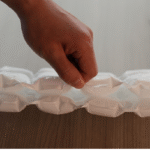
L'esquisse transforme le placement des feuilles en une décision technique. Une feuille de cellules flexible peut envelopper ou couvrir une zone, mais une plus grande couverture n'est pas automatiquement meilleure. Le pliage peut créer une double masse de liquide de refroidissement. Les cellules hydratées peuvent se développer dans les canaux de ventilation. Une couche supérieure peut réduire l'entrée de chaleur radiante et convective tout en refroidissant excessivement la couche supérieure des produits..
Utiliser une barrière définie lorsque le développement montre qu'une barrière est nécessaire. Le matériau de la barrière, épaisseur, position, et le comportement en matière d'humidité fait partie de l'emballage contrôlé. Un morceau de carton en vrac inséré par un opérateur n'équivaut pas à un tampon thermique spécifié.
Troisième étape: Décidez de ce que la feuille doit prouver
La documentation du distributeur peut établir ce qu'est le composant et comment il est destiné à être préparé.. Il ne peut pas établir la qualité de votre récolte après votre itinéraire. Créer un plan de preuves qui sépare les questions de composants des questions de système.
| Question de preuve | Meilleure source ou étude | Décision d'acceptation |
|---|---|---|
| Quelle feuille exacte est proposée? | Spécification et dessin du produit contrôlé | Contrôle de l'identité et de l'échantillon à la production |
| Comment est-il activé et conditionné? | Instruction du fournisseur et essai sur site | Méthode de préparation reproductible |
| La limite de contact est-elle acceptable? | Documentation matérielle exacte examinée pour le marché visé | Utilisation directe ou indirecte approuvée par des spécialistes responsables |
| Est-ce que ça rentre après hydratation? | Contrôle de banc dans le vrai carton | Pas d'écrasement, bouches d'aération bloquées, ou interférence de fermeture |
| Le packout gère-t-il les emplacements chauds et froids? | Test thermique instrumenté de l’ensemble du système | Les températures des produits répondent aux critères spécifiques à la culture |
| Les produits conservent-ils une qualité acceptable? | Évaluation représentative des cultures, y compris les effets différés le cas échéant | Les critères de qualité commerciale sont respectés |
| L'arrangement survit-il à la distribution? | Vibration pertinente, choc, compression, et tests d'orientation | Le liquide de refroidissement reste intact et en place |
| La ligne peut-elle le reproduire? | Pilote représentatif de la production | Capacité du processus, entraînement, et la capacité est adéquate |
Cette séquence empêche un raccourci commun: poser un document matériel pour répondre à une question thermique ou poser un graphique de chambre pour répondre à une question de contact alimentaire. Chaque réclamation nécessite le bon type de preuves.
Lorsqu'un distributeur fournit une déclaration de temps de rétention, demander le contexte complet. Quantité de feuilles, activation de l'eau, conditionnement, isolation, charge utile, conditions de départ, profil ambiant, carte des capteurs, durée, et l'acceptation limite tout ce qui compte. Si ces conditions ne correspondent pas au système prévu, utiliser le résultat pour guider le développement plutôt que d’approuver une utilisation courante.
Quatrième étape: Protéger les deux limites de température
Le refroidissement passif est un équilibre, pas une course vers la température la plus basse. L'eau gelée dans une feuille d'hydratation absorbe la chaleur en se réchauffant et en fondant. Cette capacité thermique peut ralentir le réchauffement, tandis qu'un contact étroit peut rendre le produit à proximité plus froid que la moyenne du carton.
Concevoir des tests pour trouver les deux extrêmes. Des risques de chaleur peuvent survenir près du couvercle, coins, ou ouvertures de ventilation tard dans le parcours. Des risques liés au côté froid peuvent survenir à côté d'une feuille, sous une cellule pliée, ou dans un carton légèrement chargé. La température du produit et la température de l'air doivent être distinguées car les tissus végétaux changent plus lentement que l'air..
Les charges utiles minimales et maximales méritent une étude délibérée. Un carton plein a plus de masse thermique mais peut restreindre la circulation de l'air et laisser moins de place au liquide de refroidissement.. Une petite commande peut avoir plus d'espace libre et moins de mise en mémoire tampon, réponse accrue aux surfaces gelées et aux conditions ambiantes. Si le même pack ne peut pas couvrir la plage, créer des recettes claires plutôt qu'une règle informelle telle que "ajoutez une autre feuille quand elle est chaude."
Les tests par temps chaud seuls ne suffisent pas là où une exposition hivernale peut survenir. Liquide de refroidissement gelé, un camion froid, et un produit sensible peut se combiner en une défaillance du côté froid. Les emballages saisonniers peuvent être légitimes, mais les dates de transition, déclencheurs météorologiques, identités des composants, et les instructions de travail doivent être contrôlées afin que la bonne recette soit utilisée.
Outils de décision utiles
Vérifiez les détails avant de choisir l'emballage
Ces outils rapides peuvent vous aider à comparer le risque d'itinéraire, besoins de dimensionnement, choix de liquide de refroidissement, et les détails de l'emballage avant de demander un devis.
Liquide de refroidissement & Référence PCM
Comparez les options de liquide de refroidissement et de PCM lorsqu'un itinéraire nécessite une prise en charge supplémentaire de la température.
Comparez les optionsCalculateur de banquise
Estimation de la quantité de pain de glace pour les expéditions réfrigérées et planification pratique des itinéraires.
Estimer les packs de glaceRésistance aux chutes du matériau isolant
Examinez la résistance aux chutes et les facteurs de manipulation avant de choisir des matériaux d'isolation..
Vérifier la résistanceCinquième étape: Traiter l'eau et l'air comme des intrants de conception
L'hydratation ajoute de l'eau à la feuille, et les légumes libèrent de l'humidité par la transpiration et la respiration. Les surfaces froides peuvent accumuler de la condensation. Le carton peut donc contenir plusieurs sources d'eau en interaction.
Égoutter les feuilles activées comme indiqué et inspecter les coutures avant de les congeler.. Gardez les feuilles préparées hors des surfaces inappropriées. Concevoir une limite de contact indirect si nécessaire, et empêche le condensat de s'accumuler contre les cartons de produits ou d'affaiblir l'emballage extérieur.. Les étiquettes et les codes-barres doivent rester lisibles malgré l'humidité prévue.
La ventilation nécessite le même soin. Les évents peuvent aider à évacuer la chaleur pendant le pré-refroidissement et favoriser les échanges gazeux, mais ils peuvent aussi admettre la chaleur ambiante. Les recouvrir d'une feuille de liquide de refroidissement modifie l'emballage. Les sceller pour arrêter l'humidité peut créer un problème d'atmosphère ou de circulation d'air pour certaines cultures.. Testez le modèle de ventilation réel, doublure, emballage primaire, et position de la feuille.
Le pré-refroidissement reste distinct de la mise en mémoire tampon de route. Emballer des légumes chauds augmente la charge thermique et crée un refroidissement inégal. Standardiser l'état de départ de la culture en utilisant le processus de base approprié. Une feuille de refroidissement passive doit protéger un état établi, ne pas être invité à sauver une gestion incohérente en amont.
Exemple pratique: Un carton, Deux directions d'échec
Imaginez qu'un distributeur de légumes expédie des concombres dans un carton isotherme pendant une saison chaude.. Une feuille d'hydratation est placée sur le dessus et une autre sur un côté. Le premier essai montre que le produit central reste dans la bande prévue, mais le coin du carton près du couvercle se réchauffe tard dans le profil. L'équipe ajoute une feuille pliée à ce coin.
Un deuxième essai résout l'emplacement chaud mais crée un nouveau problème: le produit à côté des cellules pliées devient trop froid pour les spécifications du produit. L'équipe reconnaît que la quantité et l'emplacement du liquide de refroidissement ont modifié la pente. Il remplace le pli par une feuille monocouche maintenue en position, améliore le joint du couvercle, et évalue un espaceur défini à proximité du produit sensible.
Le test révisé cartographie plusieurs emplacements de produits pour des charges utiles faibles et élevées.. L'équipe observe également la qualité des produits après une période appropriée, parce que les effets paralysants peuvent ne pas être immédiats. La configuration finale n'est pas simplement "deux feuilles." C'est une disposition exacte des feuilles, barrière, isolation, évents, charge utile, conditionnement, et fermeture.
Cet exemple hypothétique montre pourquoi une seule température moyenne et un nombre de liquide de refroidissement sont des spécifications incomplètes.. L'emballage doit contrôler la répartition spatiale de la chaleur.
Sixième étape: Qualifier le plancher d'emballage, Pas seulement la boîte
Exécutez le processus proposé à vitesse normale avec un personnel normal. Observez le chemin complet depuis le stockage des feuilles sèches jusqu'à l'expédition. Hydratation, drainage, chargement du congélateur, état de la feuille préparée, inspection, mise en scène, placement des feuilles, chargement de légumes, fermeture, étiquetage, et le transfert devrait tous être représenté.
Transformez une pratique réussie en une pratique concise, instructions contrôlées. Les photographies doivent montrer la feuille hydratée, plis autorisés le cas échéant, barrières, alignement des évents, couches de produits, orientation de la feuille, et fermeture. Indiquer ce que les opérateurs doivent faire en cas d'hydratation inégale, endommagé, contaminé, ou des draps insuffisamment conditionnés. Définir comment réagir lorsqu'un composant est manquant ou que le transporteur est en retard.
Les contrôles de sécurité alimentaire restent actifs tout au long. Les directives de transport de la FDA mettent en évidence le contrôle de la température, transport sanitaire, emballage approprié, assainissement de chargement et de déchargement, et communications. Les légumes fraîchement coupés peuvent être soumis à des exigences différentes de celles des produits intacts.. L'analyse des dangers de l'entreprise et les règles applicables doivent définir les contrôles; le format du liquide de refroidissement ne les crée ni ne les supprime tout seul.
Le personnel d'accueil a besoin d'un processus tout aussi clair. Inspecter les dommages, fuite, emballage humide, état du produit, et des informations sur la température selon les besoins. N'approuvez pas un chargement simplement parce que le liquide de refroidissement reste gelé, et ne le rejetez pas simplement parce que la feuille a décongelé. L'élimination du produit doit suivre les procédures autorisées de qualité ou de sécurité alimentaire..
Septième étape: Évoluer grâce à une distribution contrôlée
Les spécifications d'achat doivent verrouiller le code produit exact, révision, disposition des cellules, matériaux ou construction approuvée, dimensions, conditionnement, instructions de préparation, et tolérances pertinentes. L’inspection à l’arrivée et la traçabilité des lots doivent être proportionnelles au risque.
Exiger un préavis avant toute modification pertinente du film, support absorbant, motif cellulaire, coutures, processus ou site de fabrication, étiquetage, ou des instructions. Un changement peut nécessiter seulement une mise à jour du document, ou cela peut justifier des contrôles d'ajustement et des nouveaux tests thermiques. L’acheteur décide au moyen d’une évaluation d’impact documentée.
Adaptez l'opération avec autant de soin que le composant. Consommation de la feuille de prévision, stations d'hydratation, gestion de l'eau, grilles de congélateur, cycles de conditionnement, tampons de stock préparé, travail, et taux de rejet. Le stockage sec à plat peut améliorer l’efficacité des flux entrants, mais cela transfère le travail de préparation à l'utilisateur.
Pour réutilisation, vérifier que le format exact lui est destiné et construire une vraie boucle. Retour, ségrégation, nettoyage, inspection, réhydratation, refrection, traçabilité, et la retraite ont tous besoin de contrôles. Évaluez le fardeau de la réutilisation et de la logistique inverse plutôt que d'utiliser le mot réutilisable comme conclusion en matière de durabilité..
Questions fréquemment posées
Un distributeur peut-il recommander une quantité de feuilles basée uniquement sur la taille du carton ??
La taille du carton n’est qu’une entrée. La recommandation devrait également tenir compte du légume, charge utile, condition de départ, isolation, évents, barrières, profil ambiant, durée, et limites d'acceptation. Utiliser les commentaires des distributeurs pour concevoir des essais, puis établissez la quantité et l'emplacement grâce à des preuves pour l'emballage complet.
Quelle est la température la plus importante à mesurer?
Il n’existe pas de point de mesure universel unique. L'étude devrait examiner les positions probables des produits chauds et froids., distinguer la température de l'air de la température du produit, et utiliser des capteurs calibrés adaptés à la tâche. Les spécifications de la culture et l’objectif de l’étude déterminent si la surface, pulpe, colis aérien, ou plusieurs mesures sont nécessaires.
Une feuille d'hydratation sans CO2 ne nécessite-t-elle aucun examen par le transporteur?
Non. Il est important de ne pas classer à tort la feuille comme dioxyde de carbone UN1845., mais l'expéditeur doit quand même confirmer les règles du transporteur et de la destination pour l'expédition réelle de liquide de refroidissement et de nourriture.. Informations précises sur la composition, prévention des fuites, conditionnement, et la documentation peut toujours être pertinente.
Comment qualifier les légumes mélangés?
Identifier les limites de condition et les sensibilités de chaque produit, puis testez les endroits les plus susceptibles d'être endommagés. Si un emballage ne peut pas protéger la combinaison, produits séparés, créer des zones avec des barrières contrôlées, ou utilisez différentes recettes. Ne choisissez pas de température de compromis sans justification en termes de qualité des produits et de sécurité alimentaire..
Qu'est-ce qui soutient une allégation crédible de durabilité des emballages?
Utiliser une comparaison définie et une limite de système. Considérez le matériel, efficacité entrante sèche, eau, énergie du congélateur, quantité emballée, perte de produit, transport de retour, réutilisation réalisée, nettoyage, et fin de vie locale. Signaler l’amélioration spécifique étayée par des preuves au lieu d’attribuer une étiquette environnementale large.
Conclusion: Rendre le pack suffisamment spécifique pour être répété
Un emballage axé sur la récolte commence par un passeport de matières premières et d'itinéraires, cartographie les zones thermiques, choisit les bonnes preuves pour chaque décision, et contrôle à la fois le chaud- et risque côté froid. Humidité, ventilation, pré-refroidissement, manipulation physique, et les contrôles de sécurité alimentaire restent partie intégrante du même système.
La géométrie flexible et le format de stockage à sec de la feuille d'hydratation peuvent être précieux, mais seulement un exact, la configuration testée peut établir l'adéquation. Gardez cette configuration connectée au contrôle des changements de fournisseurs, capacité du site d'emballage, recevoir, et examen sur le terrain à mesure que le volume augmente.
À propos du tempk
Tempk fournit des feuilles de refroidissement hydratantes activées par l'eau à utiliser dans les emballages isolés de la chaîne du froid. Nous pouvons discuter des modèles cellulaires, ajustement de la feuille, flux de travail de conditionnement, et des exemples de dispositions pour les cartons de légumes et les itinéraires définis. Les acheteurs doivent fournir le produit, charge utile, ventilation, condition de départ, isolation, et les hypothèses ambiantes afin que le développement ait une limite claire. Tempk n'assimile pas sa feuille d'hydratation au dioxyde de carbone UN1845 et ne revendique pas une température et une durée pour chaque légume.; les performances doivent être établies dans le système prévu.
Envoyez à Tempk votre passeport de culture et d'itinéraire et la présentation de votre carton pour commencer un examen ciblé d'un échantillon.. Utilisez les données des composants résultantes dans votre propre sécurité alimentaire, qualité, et processus de validation de l'emballage.