Guide d'emballage de la chaîne du froid pour les boîtes d'abonnement aux aliments frais pour la livraison de colis
Les coffrets d'abonnement aux aliments frais allient la sécurité des aliments réfrigérés, qualité des ingrédients, et présentation client dans un seul colis. L'emballage doit garder les aliments au frais, protéger les ingrédients frais de l’humidité et de la pression, et toujours propre lorsque le client ouvre la boîte.
Pourquoi les boîtes d'abonnement aux aliments frais ont besoin de leur propre emballage
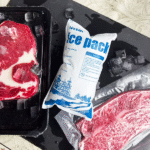
Une box d’abonnement est généralement un chargement mixte: protéine, articles préparés, produits frais, sauces, laitier, et les fiches de recettes peuvent partager le même espace isolé. Une seule disposition du liquide de refroidissement peut trop refroidir les verts, écraser les produits mous, étiquettes en papier humide, ou laissez les protéines denses plus chaudes que prévu. Le but n'est pas seulement de tenir une plage froide, mais pour contrôler l'humidité, pression, et séparation des produits grâce à la gestion des colis.
Pour la livraison de colis alimentaires réfrigérés, de nombreux opérateurs utilisent une cible pratique autour 0-4 C pour la zone froide et valider le parcours par rapport à l'emplacement du produit le plus chaud. L'exigence exacte doit suivre le type d'aliment, Règlements locaux, promesse client, et durée de l'itinéraire.
Outils de décision utiles
Vérifiez les détails avant de choisir l'emballage
Ces outils rapides peuvent vous aider à comparer le risque d'itinéraire, besoins de dimensionnement, choix de liquide de refroidissement, et les détails de l'emballage avant de demander un devis.
Calculateur de glace carbonique
Estimer les besoins en glace carbonique pour les envois congelés ou ultra-froids avant l'emballage.
Estimation de la neige carboniqueDoublure de boîte & Dimensionnement des couvertures de palettes
Vérifiez la logique de dimensionnement du revêtement de boîte et du couvercle de palette pour les projets d'emballage isotherme.
Dimensionnement estiméRésistance aux chutes du matériau isolant
Examinez la résistance aux chutes et les facteurs de manipulation avant de choisir des matériaux d'isolation..
Vérifier la résistanceTableau des exigences d'emballage
| Facteur de chaîne du froid | Exigence de boîte d'abonnement aux aliments frais | Réponse d'emballage Tempk |
|---|---|---|
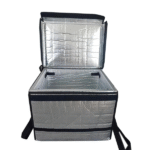
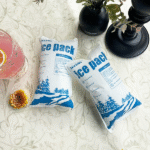
| Plage de température | Itinéraire des colis réfrigérés, communément validé autour 0-4 C pour les contenus réfrigérés à haut risque. | Boîte isotherme contenant des packs de gel conditionnés dimensionnés en fonction du temps d'acheminement et de la masse du produit. |
| Humidité | Risque élevé autour des produits feuillus, fiches de recettes, étiquettes, et cartons en papier. | Doublure sèche, tampon absorbant, sachets d'ingrédients scellés, et séparation du liquide de refroidissement. |
| Pré-refroidissement | Protéines, laitier, et les composants préparés doivent entrer dans la boîte à partir de la préparation à froid. | Emballer seulement après les produits, packs de gel, doublures, et l'expéditeur sont prêts. |
| Pression d'emballage | Les ingrédients mélangés peuvent être écrasés par le liquide de refroidissement ou par des produits plus lourds lors de la manipulation du transporteur. | Utiliser des séparateurs, support de plateau, et une couche plate de protection du liquide de refroidissement. |
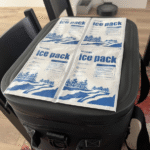
| Emplacement du liquide de refroidissement | Les packs de gel doivent refroidir la zone du produit sans pression directe sur les articles délicats. | Placement du liquide de refroidissement sur le dessus ou sur le côté avec séparation du produit et test d'itinéraire. |
| Durée du transit | Le même jour à 48 h itinéraires de colis, avec dernier kilomètre et séjour à domicile inclus. | Validez les voies de saison chaude avec les données de l'enregistreur et les contrôles de réception. |
| Pertes communes | Protéine chaude, légumes verts fanés, cartes mouillées, sauces qui coulent, produit broyé, et rejet du client. | Source de froid équilibrée, contrôle de l'humidité, zonage des ingrédients, et réception de la liste de contrôle. |
Notes de conception d'itinéraire
Cartographier les points chauds avant de choisir le transporteur: temps de préparation, transfert du transporteur, séjour au centre de tri, transport de ligne, véhicule de livraison en séjour, et exposition à domicile. Un itinéraire performant en hiver peut échouer en été si la masse du pack de gel ou l'épaisseur de l'isolation reste inchangée..
L'aménagement intérieur doit séparer les denses, articles réfrigérés à haut risque provenant de produits délicats et de matériaux en papier. Lieu packs de gel où ils refroidissent uniformément la zone alimentaire, mais évitez tout contact direct avec les verts, étiquettes en papier, couvercles de sauce, ou de minces emballages de vente au détail. Pour des coffrets contenant des protéines et des produits frais ensemble, utiliser le zonage du produit plutôt qu'une seule cavité lâche.
Recommandation Tempk
Un abonnement typique à des aliments frais Tempk utilise un boîte isotherme ou doublure, packs de gel conditionnés, une couche de séparation sèche, diviseurs de produits, matériau absorbant si nécessaire, et validation spécifique à la voie. Commencez par tester les enregistreurs au niveau du produit, puis vérifiez la température des aliments, condensation, objets écrasés, fuites, état de l'étiquette, et l'expérience globale de déballage.