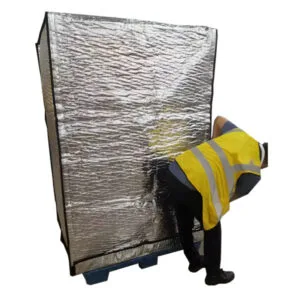
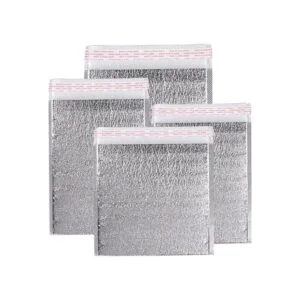
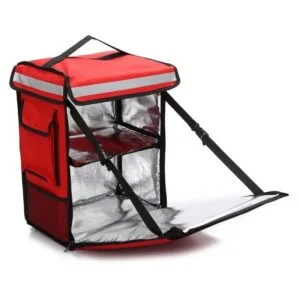
Guide d'emballage de la chaîne du froid des crevettes et des crevettes pour la livraison de fruits de mer
Emballage de la chaîne du froid guide pour les crevettes et les crevettes, couverture tenue réfrigérée, contrôle des gouttes, pré-refroidissement, protection contre la pression, placement du liquide de refroidissement, durée de l'itinéraire, pertes communes, et sélection de packs de fruits de mer Tempk.
Pourquoi les crevettes et les crevettes ont besoin d'un emballage de fruits de mer spécifique
Les crevettes ont une surface élevée et s'égouttent rapidement.. Un emballage qui fonctionne pour un filet de poisson épais peut toujours échouer si de petits paquets se réchauffent pendant le tri ou fuient dans la boîte extérieure.. L'emballage des fruits de mer doit protéger simultanément la température et la qualité visible de la réception.. Un colis peut arriver froid mais échouer s'il fuit, ça sent chaud, écrase le produit délicat, ou mouille le carton extérieur.
L'emballage doit partir d'un produit froid, utilisez une doublure intérieure sans danger pour les fruits de mer, garder le liquide de refroidissement séparé du pack de fruits de mer, et inclure la réception des chèques de température, odeur, goutte, texture, et état du carton.
Outils de décision utiles
Vérifiez les détails avant de choisir l'emballage
Ces outils rapides peuvent vous aider à comparer le risque d'itinéraire, besoins de dimensionnement, choix de liquide de refroidissement, et les détails de l'emballage avant de demander un devis.
Calculateur de banquise
Estimation de la quantité de pain de glace pour les expéditions réfrigérées et planification pratique des itinéraires.
Estimer les packs de glaceRésistance aux chutes du matériau isolant
Examinez la résistance aux chutes et les facteurs de manipulation avant de choisir des matériaux d'isolation..
Vérifier la résistanceLiquide de refroidissement & Référence PCM
Comparez les options de liquide de refroidissement et de PCM lorsqu'un itinéraire nécessite une prise en charge supplémentaire de la température.
Comparez les optionsTableau des exigences d'emballage
| Facteur de chaîne du froid | Besoin de crevettes et de crevettes |
|---|---|
| Température cible | 0-2 C réfrigéré, ou -18 C ou moins lorsqu'il est expédié congelé |
| Humidité et condensation | Risque élevé de gouttes et d'odeurs; garder les emballages de fruits de mer scellés et les cartons extérieurs au sec |
| Pré-refroidissement | Chargez depuis l'entrepôt frigorifique et évitez le temps de banc chaud avant la fermeture de l'expéditeur isolé. |
| Pression d'emballage | Moyen. Les petits morceaux se compressent facilement et peuvent s'échapper à travers les emballages de vente au détail fragiles. |
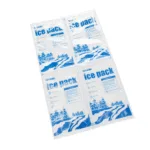
| Emplacement du liquide de refroidissement | Des packs de gel ou des blocs réfrigérants pour fruits de mer au-dessus et autour de la zone de fruits de mer avec une barrière contre les fuites |
| Durée du transit | Le même jour à 48 h couloirs de colis réfrigérés après test d'itinéraire au niveau du produit |
| Pertes communes | Odeur chaude, fuite goutte à goutte, paquets écrasés, étiquette mouillée, adoucissement de la texture, et rejet du client |
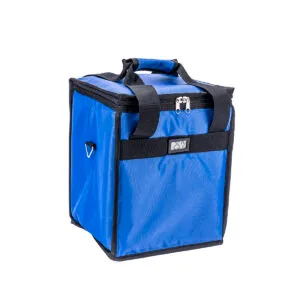
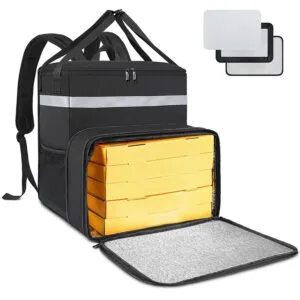
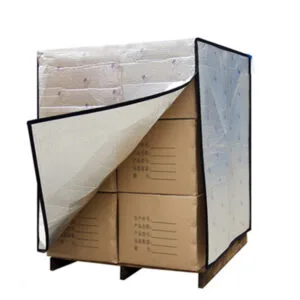
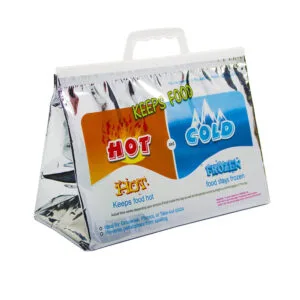
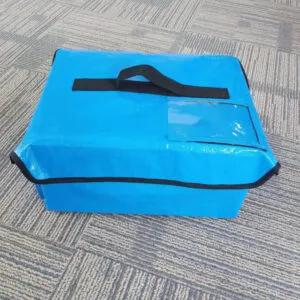
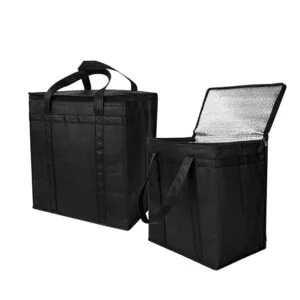
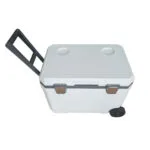
| Réponse d'emballage Tempk | Expéditeur de fruits de mer isolé Tempk avec doublure intérieure scellée, packs de gel conditionnés, tampon absorbant, diviseur de produits, et enregistreur de température |
Notes de conception d'itinéraire
Cartographier chaque point chaud de l'itinéraire: temps de préparation, transfert du transporteur, séjour au centre de tri, véhicule de livraison en séjour, et retard du récepteur. Les fruits de mer très humides ou de petite taille peuvent se réchauffer et couler plus rapidement que les filets denses., la disposition intérieure doit donc être approuvée avec le véritable pack de vente au détail.
Utilisez des doublures scellées, couches absorbantes, support de plateau, et séparé packs de gel là où c'est nécessaire. Pour les fruits de mer vivants, éviter le contact avec le gel et l'eau stagnante. Pour les fruits de mer transformés réfrigérés, se concentrer sur la température du produit, contrôle des gouttes, contrôle des odeurs, et la sécheresse du paquet.
Recommandation Tempk
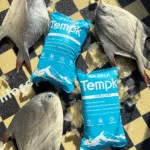
Un emballage de fruits de mer Tempk typique utilise un expéditeur isolé, packs de gel conditionnés ou fruits de mer packs de glace, doublure étanche, tampon absorbant, diviseur de produits, séparateur de liquide de refroidissement, et un enregistreur au niveau du produit. Approuver l'emballage après avoir vérifié la température, odeur, goutte, texture, dommages à la coque ou au plateau, et la sécheresse du carton après le parcours réel.