Les expéditions de pâte de boulangerie surgelée nécessitent un emballage congelé qui protège à la fois la température et l'apparence du produit.. Pour la plupart des lignes commerciales de produits surgelés, la cible de réception est -18 C ou inférieur, et le carton doit également empêcher le gel, écrasement, dommages à l'étiquette, et perte de qualité décongelée-regelée.
La pâte à pâtisserie surgelée n'est pas seulement un aliment surgelé; c'est un produit performant qui doit lever et cuire correctement après la livraison.
Un bon emballage protège la température gelée, forme de pâte, et l'état d'humidité en même temps.
Les tests d'itinéraire doivent inclure une cuisson ou une vérification des épreuves après l'arrivée lorsque l'expéditeur est utilisé pour des programmes de boulangerie commerciale..
Données de planification de la chaîne du froid
| Fenêtre de température | -18 C ou inférieur pour les programmes de pâte surgelée; éviter les décongélations partielles répétées pendant le transfert. |
|---|---|
| Humidité ou humidité | Protéger la pâte du gel, déshydratation, et la condensation qui peut affecter l'épreuve et l'état de la surface. |
| Pré-refroidissement | Précongeler la pâte dans les conditions d'expédition validées et préconditionner l'emballage isotherme.. |
| Pression d'emballage | Soutenir les pâtons ou les plateaux afin que leur forme ne soit pas déformée par le liquide de refroidissement, empilement, ou mouvement de colis. |
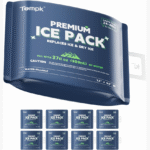
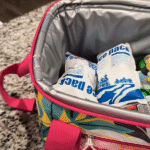
| Placement du liquide de refroidissement | Séparez la glace carbonique ou le liquide de refroidissement congelé de la pâte avec une doublure et une planche de support.; éviter les brûlures superficielles directes. |
| Durée du transit | 24-48 h est préféré pour les programmes de boulangerie premium; 72 Les itinéraires h nécessitent des contrôles plus stricts du liquide de refroidissement et de la forme.. |
| Pertes communes | Dégel partiel, pâte déformée, brûler le congélateur, incohérence de vérification, cartons humides, et fissuration superficielle. |
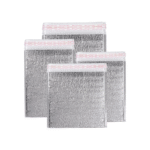
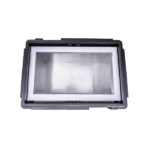
| Emballage Tempk approprié | Expéditeur isolé Tempk avec support de plateau, doublure compatible avec la glace carbonique, zone de refroidissement séparée, et validation de la température et de la forme de la pâte. |
Approche d'emballage recommandée
Commencez avec un produit déjà gelé par rapport à la cible d'expédition. Un expéditeur isolé et glace carbonique le plan doit maintenir l'état gelé pendant le transport, ne pas redescendre le produit chaud après le chargement. Préconditionner l’expéditeur, garder le temps de préparation du congélateur court, et fermez le carton rapidement pour réduire les échanges d'air chaud.
Outils de décision utiles
Vérifiez les détails avant de choisir l'emballage
Ces outils rapides peuvent vous aider à comparer le risque d'itinéraire, besoins de dimensionnement, choix de liquide de refroidissement, et les détails de l'emballage avant de demander un devis.
Liquide de refroidissement & Référence PCM
Comparez les options de liquide de refroidissement et de PCM lorsqu'un itinéraire nécessite une prise en charge supplémentaire de la température.
Comparez les optionsDoublure de boîte & Dimensionnement des couvertures de palettes
Vérifiez la logique de dimensionnement du revêtement de boîte et du couvercle de palette pour les projets d'emballage isotherme.
Dimensionnement estiméRésistance aux chutes du matériau isolant
Examinez la résistance aux chutes et les facteurs de manipulation avant de choisir des matériaux d'isolation..
Vérifier la résistancePour les expéditions de glace carbonique, utiliser une zone de liquide de refroidissement séparée et un étiquetage conforme au transporteur. La glace carbonique doit protéger le profil thermique sans frotter les sacs de vente au détail, plateaux de fissuration, ou créant une brûlure directe en surface. Pour les voies où la glace carbonique n'est pas autorisée, congelé packs de gel et une isolation plus solide nécessitent une validation séparée car la courbe de température sera différente.
Contrôles qualité avant sortie
Avant d'utiliser le packout à des fins commerciales, tester la même taille d'expéditeur, poids du produit, masse de liquide de refroidissement, service de transporteur, longueur de l'itinéraire, et assaisonner. A la réception, vérifier la température du produit, niveau de gel, intégrité du sac ou du plateau, état de l'étiquette, sécheresse du carton, et si le produit montre des signes de décongélation-recongélation.
Pour la sélection des emballages Tempk, un point de départ typique est une haute performance boîte isotherme, doublure compatible avec la glace carbonique, couche de liquide de refroidissement séparée, fiche d'assistance produit, et enregistreur d'itinéraire. La masse finale du liquide de refroidissement doit être définie par les données de validation et les règles de traitement de destination, en particulier pour 48-72 h itinéraires de colis.
Base de référence
Les hypothèses de température suivent les pratiques courantes de manipulation des aliments surgelés et les directives de la FDA en matière de sécurité alimentaire des consommateurs qui identifient la température du congélateur à 0 F / -18 C. Les programmes finaux doivent suivre les propres spécifications de l’expéditeur, règles du marché de destination, et exigences des transporteurs pour la glace carbonique.