Gel Brick Custom Size Planning for chaîne du froid Packouts: Un guide de sélection pratique
Une taille personnalisée de brique de gel doit être sélectionnée dans le cadre d'un emballage., pas comme une promesse autonome. L'acheteur doit savoir ce que contient la brique, comment il est scellé, comment il sera congelé ou conditionné, où il se trouve dans le conteneur isotherme, et quelle preuve est nécessaire avant de passer à une utilisation massive. Ce guide optimisé combine une formation sur les produits, limites techniques, et des conseils d'achat au niveau de l'itinéraire afin que vous puissiez prendre une décision d'approvisionnement plus défendable. Il maintient les revendications de performances liées à la charge utile réelle, voie, et processus d'emballage.
À retenir pratique: écrivez d'abord l'itinéraire et les exigences de charge utile, puis sélectionnez la taille personnalisée de la brique de gel comme composant de refroidissement qui peut être testé, emballé, inspecté, et évolutif sans créer de nouveaux risques de manipulation.
Commencez par le travail, pas le nom du produit
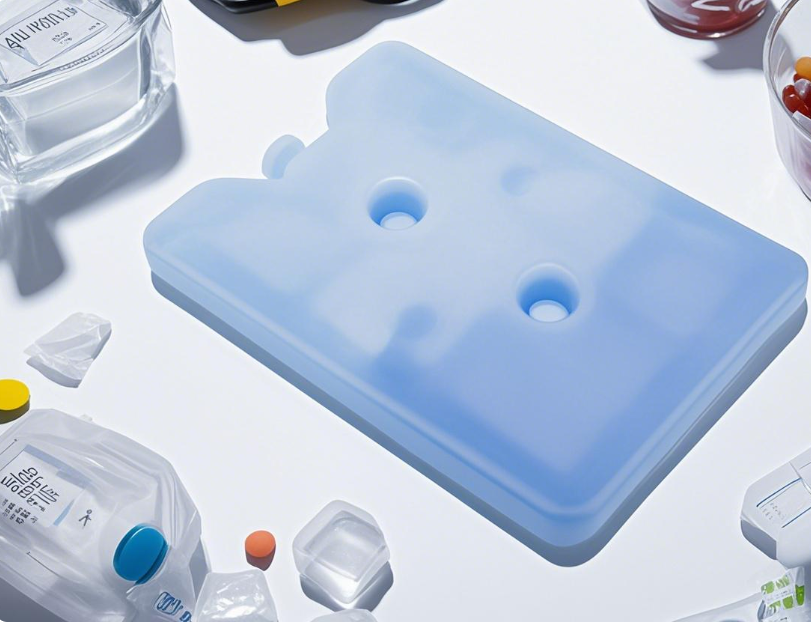
Une brique de gel est une source de froid rigide ou semi-rigide utilisée à l'intérieur d'un chargeur isolé, refroidisseur, fourre-tout, ou sac de livraison. Selon la conception, le remplissage peut être un gel à base d'eau, une formulation PCM, ou un autre mélange réfrigérant. La forme rigide permet de compter, placement, et manipulation répétée plus facile que de nombreux emballages souples, tandis que le remplissage fournit une masse thermique qui absorbe la chaleur lorsqu'il se réchauffe ou fond.. C'est la contribution utile: la brique ralentit le gain de chaleur à l'intérieur du récipient. Il ne crée pas en soi un envoi qualifié.
Pour les acheteurs, la première décision n'est pas de savoir si le nom du produit semble fort. Il s'agit de savoir si les supports de briques sont adaptés glacières, bacs réutilisables, doublures de kits de repas, expéditeurs médicaux, et programmes de chaîne du froid de marque. Si le parcours est court, le conteneur isotherme est efficace, et le produit peut tolérer de larges conditions de refroidissement, une brique de gel standard peut suffire après un test d'échantillon. Si le produit est sensible au gel ou si la plage acceptée est étroite, l'acheteur peut avoir besoin d'une brique PCM, couches de séparation, préconditionnement contrôlé, un plan d'exploitation forestière, et examen de la qualité. Un même format physique peut donc servir à des fins très différentes selon la manière dont il est utilisé..
Comparez les formats de liquide de refroidissement avant de verrouiller les spécifications
De nombreuses erreurs d'achat commencent lorsque les équipes utilisent les noms de produits de manière vague. Un pack de gel souple peut être facile à enrouler autour des coins du produit, alors qu'une brique de gel rigide est plus facile à compter, empiler, faire le ménage, et placer dans une carte de chargement reproductible. Une brique de glace remplie d'eau peut être rentable là où un refroidissement généralisé est acceptable. Un pack PCM peut être meilleur lorsque l'expédition nécessite un comportement de température plus défini. Aucun de ces formats n'est automatiquement supérieur; le bon choix dépend de la température requise, conception de conteneurs, itinéraire, processus de travail, et le budget.
Pour brique de gel de taille personnalisée, la comparaison doit se concentrer sur ce que l'acheteur souhaite contrôler. Si la priorité est un simple support réfrigéré, un gel standard ou une brique à base d'eau peut être pratique. Si la priorité est la gestion du risque de gel ou une fourchette cible plus étroite, un format PCM peut valoir la peine d'être évalué. Si la priorité est la durabilité, la question n'est pas seulement de savoir si la brique est réutilisable, mais s'il revient de manière fiable et reste propre et intact. Si la priorité est une manipulation brutale, un format rigide robuste peut réduire le risque de perforation mais peut également occuper plus d'espace de charge utile utilisable.
| Situation de l'acheteur | Direction du fluide de refroidissement | Ce qu'il faut vérifier avant de commander |
|---|---|---|
| Aliments réfrigérés ou épicerie de routine | Brique de gel ou brique de glace à base d'eau | Ajustement de la boîte, condensation, séparation des produits, capacité de congélation, et conditions d'arrivée |
| Charge utile réfrigérée pour soins de santé ou laboratoire | Brique de gel conditionné, Brique PCM, ou pack hybride | Gamme d'étiquettes de produits, risque de gel, plan d'exploitation forestière, profil d'itinéraire, et approbation de la qualité |
| Itinéraire local répété | Brique rigide réutilisable | Processus de retour, nettoyage, inspection des dommages, contrôle des pertes, et rotation des congélateurs |
| Itinéraire plus long ou plus chaud | Masse thermique plus élevée, PCM, ou conception hybride | Profil ambiant, charge utile, isolation, disposition de l'emballage, et des preuves de tests |
| Géométrie de boîte personnalisée | Brique sur mesure ou format moulé | Dimensions internes, dédouanement du produit, approbation de l'échantillon, et tolérance de production |
Utiliser le tableau comme filtre de sourcing, pas comme une règle universelle. Cela aide l'équipe d'approvisionnement à poser des questions plus précises avant de prélever des échantillons.. La décision finale nécessite encore un essai utilisant le produit réel ou un simulateur de charge utile justifié., le conteneur isotherme prévu, et le processus d'emballage que le personnel de l'entrepôt peut répéter.
Traduire les caractéristiques du produit en instructions d'utilisation
Le point faible le plus courant n’est pas la brique seule; c'est l'écart entre les spécifications du produit et le comportement de l'entrepôt. Une brique de gel au format personnalisé doit être congelée ou conditionnée de manière définie, placé dans la boîte de manière cohérente, séparé des produits qui ne doivent pas toucher une surface gelée, et inspecté avant utilisation. Si les opérateurs emballent par mémoire, changer le nombre de briques pendant les périodes de pointe, ou chargez des briques chaudes car l'espace du congélateur est limité, les spécifications du produit sur le bon de commande ne protégeront pas l'expédition.
Une instruction pratique d'emballage doit indiquer à l'opérateur où va chaque brique., quelle condition de départ est acceptable, comment gérer la condensation, quelle barrière ou séparateur est nécessaire, et quand une brique doit être rejetée en raison d'une fuite, déformation, contamination, ou coins cassés. Il convient également de définir ce qui se passe à la réception. Une équipe de réception qui vérifie uniquement si les marchandises sont arrivées froides peut manquer des preuves de gel par contact, liquide de refroidissement décongelé, ou un retard d'acheminement que l'équipe qualité doit examiner.
Pour des glacières sur mesure, bacs réutilisables, doublures de kits de repas, expéditeurs médicaux, et programmes de chaîne du froid de marque, la carte de chargement est particulièrement importante car la surface la plus froide peut être la brique elle-même. Le contact direct peut être utile pour certains produits et risqué pour d’autres. Les produits alimentaires peuvent nécessiter une barrière sanitaire. Les produits pharmaceutiques peuvent nécessiter une séparation documentée et une surveillance de la température. Les emballages de vente au détail fragiles peuvent nécessiter de l'espace pour éviter d'être écrasés. Ce ne sont pas des petits détails; ils font la différence entre un composant de refroidissement et un processus reproductible de la chaîne du froid.
Cet article utilise un langage prudent concernant les exigences de la chaîne du froid. De nombreuses filières pharmaceutiques et vaccinales sont planifiées autour de conditions de stockage étiquetées ou spécifiées, et certains envois de soins de santé réfrigérés utilisent des plages telles que 2 degrés C à 8 degrés C. Cela ne signifie pas que tous les médicaments, échantillon, ou le produit alimentaire partage la même exigence. Les acheteurs doivent confirmer l'étiquette du produit, accord de qualité, profil d'itinéraire, et les règles locales. Normes et pratiques telles que les profils thermiques ISTA, Procédures IATA relatives aux marchandises sensibles à la température, Règles de contact alimentaire de la FDA, et les directives de stockage des vaccins du CDC sont des références utiles, mais ils ne remplacent pas la propre qualification de l'acheteur ou la documentation du fournisseur..
Que confirmer avant l'approbation de l'échantillon et la production en vrac
Avant de commander des briques de gel de taille personnalisée en gros, poser des questions qui relient le produit à votre itinéraire. La conversation utile avec le fournisseur devrait couvrir la tolérance dimensionnelle, volume de remplissage, matériau de la coque ou de la pochette, options de logo, emballage en carton, approbation de l'échantillon, et contrôle de la mise à l'échelle. Si le fournisseur ne peut pas expliquer comment la brique doit être conditionnée, comment le poids de remplissage est contrôlé, comment les fuites sont gérées, ou quels échantillons de contrôles sont réalistes, l'acheteur devrait ralentir. Un prix unitaire bas peut devenir cher si le produit ne rentre pas dans le contenant, prend trop de temps à geler, ou crée des litiges de qualité après la livraison.
Commencez par la taille de votre produit, dimensions intérieures de la boîte, plage de température requise, et chargement de la carte; puis demander au fournisseur de proposer un échantillon avant production en vrac. Demandez également si le fournisseur peut maintenir les spécifications d'échantillon et de production en série alignées.. Un échantillon qui fonctionne parce qu'il a été préparé avec soin peut ne pas représenter une production de routine si les dimensions, remplissage, conception de joint, emballage en carton, ou les instructions de conditionnement changent plus tard.
Les équipes d'approvisionnement peuvent utiliser les questions suivantes lors de la sélection des fournisseurs:
- Qu'y a-t-il exactement à l'intérieur de la brique, et une FDS ou une déclaration matérielle est-elle disponible?
- L'utilisation déclarée fait-elle référence à une brique autonome ou à un ensemble testé avec isolation et charge utile ??
- Comment la brique doit-elle être gelée, conditionné, stocké, chargé, et inspecté avant utilisation?
- Quelle est la différence entre les dimensions externes, espace de rangement utilisable, et l'espace laissé pour le produit?
- Quelles preuves soutiennent toute déclaration de performance, et correspond-il à l'itinéraire prévu?
- Comment sont endommagés, fuite, gonflé, ou unités contaminées identifiées et retirées?
- Pour un travail sur mesure ou en marque privée, quelles étapes d'approbation empêchent la dérive de l'échantillon vers la production?
La réponse ne doit pas toujours être un package de validation formel. Pour une livraison de nourriture à faible risque, un essai d'échantillon pratique et des instructions d'emballage claires peuvent suffire. Pour les soins de santé, biologique, diagnostic, ou voies réglementées, l'équipe qualité de l'acheteur peut exiger des preuves plus strictes, surveillance documentée de la température, et approbation spécifique à l'itinéraire. La clé est de faire correspondre le niveau de preuve au niveau de risque de l’envoi..
Outils de décision utiles
Vérifiez les détails avant de choisir l'emballage
Ces outils rapides peuvent vous aider à comparer le risque d'itinéraire, besoins de dimensionnement, choix de liquide de refroidissement, et les détails de l'emballage avant de demander un devis.
Doublure de boîte & Dimensionnement des couvertures de palettes
Vérifiez la logique de dimensionnement du revêtement de boîte et du couvercle de palette pour les projets d'emballage isotherme.
Dimensionnement estiméOutil d’évaluation du risque d’itinéraire
Examinez les conditions des pistes avant de sélectionner l'emballage en fonction des exigences opérationnelles réelles..
Vérifier le risque d’itinéraireGénérateur de liste de contrôle
Créer une liste de contrôle pratique pour l'examen des emballages, expédition, et documentation.
Construire une liste de contrôleDrapeaux rouges à détecter avant la première grosse commande
UN brique de refroidissement peut échouer d'une manière qui n'est pas visible dans une liste de produits. C'est peut-être trop grand pour la boîte, laissant moins d'espace pour le produit. Il fait peut-être trop froid pour une charge utile sensible au gel. Il peut être difficile de geler assez rapidement pour les opérations quotidiennes. Il peut fuir après des manipulations répétées. Il peut arriver avec un remplissage incohérent. Il peut être placé sur des marchandises fragiles car il n'existe pas de plan de chargement. Aucun de ces problèmes ne signifie que l'idée de la taille personnalisée des briques de gel est fausse.; cela signifie que l'achat n'était pas lié à l'opération réelle.
Le raccourci le plus risqué consiste à traiter un composant comme un système. Une brique de gel, Brique PCM, boîte isotherme, doublure, enregistreur de données, ou l'étiquette a un travail différent. La brique constitue une source de froid. L'isolation ralentit le flux de chaleur. La disposition de l'emballage contrôle le contact et le flux d'air. L'enregistreur enregistre ce qui s'est passé. Le processus qualité décide si les preuves sont acceptables. Quand ces rôles se mélangent, les acheteurs peuvent s'attendre à ce que la brique effectue le travail qui appartient à la conception complète de l'emballage.
Un autre signal d'alarme est un numéro de performance sans contexte. Si un fournisseur indique un délai de retenue, l'acheteur doit demander quel profil ambiant, charge utile, récipient, quantité de liquide de refroidissement, condition de départ, et les critères d'acceptation ont été utilisés. Un résultat de laboratoire peut être utile, mais ce n'est pas une promesse pour chaque voie. Si un fournisseur ne peut pas fournir de contexte, traitez le numéro comme une allégation marketing jusqu'à ce que votre propre échantillon ou test d'itinéraire le soutienne.
Comment un acheteur peut passer de l'échantillon à la production
Une équipe d'approvisionnement développant une nouvelle boîte isolée peut traiter la sélection de la taille personnalisée des briques de gel comme un processus d'approbation par étapes. D'abord, définir la charge utile, plage de température requise, dimensions intérieures de la boîte, durée de l'itinéraire, et exposition ambiante probable. Deuxième, demander des échantillons qui correspondent à la carte de chargement plutôt qu'une taille générique. Troisième, exécuter un emballage pilote avec le même congélateur, opérateurs, séparateurs, et recevoir des chèques qui seront utilisés plus tard. Quatrième, comparer les données et l'état du produit avant de modifier les spécifications.
Cette approche est plus lente que de choisir à partir d'une photo de catalogue, mais cela réduit les changements évitables après l'outillage, œuvres d'art, emballage en carton, ou les instructions d'entrepôt sont verrouillées. Cela aide également le fournisseur à comprendre quels détails sont critiques et lesquels sont flexibles.. Le résultat est une décision d’achat plus facile pour les opérations, qualité, et les achats pour défendre.
La taille personnalisée doit commencer par le dessin de la boîte
Le dimensionnement personnalisé est plus utile lorsque l'acheteur dispose d'un dessin d'emballage clair. La brique doit correspondre aux dimensions internes de la boîte, laisser suffisamment d'espace libre pour le produit, éviter tout contact direct lorsque le contact est risqué, et permettre aux opérateurs de le charger de la même manière à chaque fois. Une dimension qui semble efficace sur un dessin peut être gênante dans un congélateur ou sur une ligne d'emballage..
Le travail personnalisé doit passer par des étapes: révision des dessins, échantillon d'outillage ou de fabrication d'échantillons, essai d'emballage, commentaires de l'opérateur, examen de la température, examen de l'emballage en carton, et approbation finale des spécifications. Sauter ces étapes peut conduire à une brique attrayante mais difficile à geler., poignée, ou échelle.
Les briques de marque privée ou imprimées ajoutent une autre couche d'approbation. Oeuvre, encre, durabilité de l'étiquette, et l'emballage en carton ne doit pas modifier les spécifications fonctionnelles. Séparez les décisions de marque des contrôles thermiques et opérationnels jusqu'à ce que la conception de base soit approuvée..
FAQ
Une brique de gel de taille personnalisée est-elle suffisante pour contrôler seule la température de l'expédition ??
Non. Une brique de gel de taille personnalisée est un composant de refroidissement, il ne s'agit pas d'un système complet à température contrôlée. Il doit être utilisé avec un conteneur isotherme adapté, une disposition d'emballage définie, conditionnement correct, et instructions de manipulation. Pour les expéditions à plus haut risque, les acheteurs devraient également examiner la surveillance de la température, exposition par voie, et les exigences d'approbation de qualité avant d'utiliser la brique en production.
Quand devrais-je envisager le PCM au lieu d’une brique de gel standard?
Envisagez le PCM lorsque la charge utile nécessite un comportement en température plus défini, une meilleure maîtrise du risque de gel, ou une plage cible qu'une simple brique de gel congelée ne peut pas supporter de manière fiable. Le point de changement de phase doit correspondre aux exigences du produit, et le packout doit être testé avec la charge utile prévue, expéditeur isolé, et profil ambiant.
Que dois-je demander à un fournisseur avant de commander en gros?
Renseignez-vous sur le remplissage, matériau de la coque ou de la pochette, intégrité du joint, instructions de conditionnement, consistance du remplissage, emballage en carton, et quelles preuves soutiennent toute déclaration de performance. Pour brique de gel de taille personnalisée, demandez également comment le produit doit être inspecté avant sa réutilisation ou son emballage., et si les échantillons correspondront aux unités de production de masse.
Dois-je personnaliser la brique avant de tester les tailles standards?
Pas toujours. Les formats standard sont souvent plus rapides pour les premiers essais d'emballage. Le dimensionnement personnalisé devient utile lorsque la géométrie de la boîte, dédouanement du produit, marque, ou l'efficacité des itinéraires réutilisables l'exige. Avant l'outillage ou la production en vrac, confirmer les dimensions, volume de remplissage, processus de congélation, emballage en carton, et des exemples de performances.
Conclusion
La taille personnalisée d'une brique de gel doit être jugée en fonction de son ajustement., preuve, et discipline opérationnelle. La décision d'achat la plus utile relie la brique de refroidissement aux exigences du produit, récipient isolé, exposition par voie, processus de conditionnement, et routine d'inspection. Si l'envoi est simple, un gel standard ou une brique à base d'eau peut fonctionner après des tests pratiques. Si l'envoi est sensible, plage étroite, réutilisable, coutume, ou à haut risque, l'acheteur doit demander des informations matérielles plus claires, conseils d'emballage, et des preuves qui reflètent l'utilisation prévue.
La prochaine étape la plus sûre consiste à transformer votre itinéraire en spécification: type de produit, plage de température acceptée, dimensions de la boîte, temps de transit prévu, exposition ambiante, chargement de la carte, processus de retour, et besoins en documentation. Avec ces détails, la taille personnalisée des briques de gel peut être comparée dans le cadre d'un véritable système de chaîne du froid plutôt que comme élément de catalogue.
À propos du Tempk
Tempk est le emballage chaîne du froid marque de Shanghai Tempk Industrial Co., Ltée. L'entreprise fournit des fluides de refroidissement et emballage à température contrôlée des produits tels que packs de glace en gel, packs remplis d'eau, briques de glace pour congélateur, sacs isolés, Boîtes isolées EPP, doublures isolées, couvertures de palettes, et matériels associés pour la chaîne du froid. Pour un acheteur évaluant Briques en gel, Le rôle pratique de Tempk n'est pas seulement de fournir une source de froid, mais pour aider à connecter cette source de froid au conteneur isotherme, itinéraire, charge utile, et le processus d'emballage qui sera réellement utilisé.
Partagez votre charge utile, itinéraire, taille de boîte, and temperature requirement with Tempk to discuss whether gel brick custom size or another cooling-media format is the better starting point for samples and bulk planning.