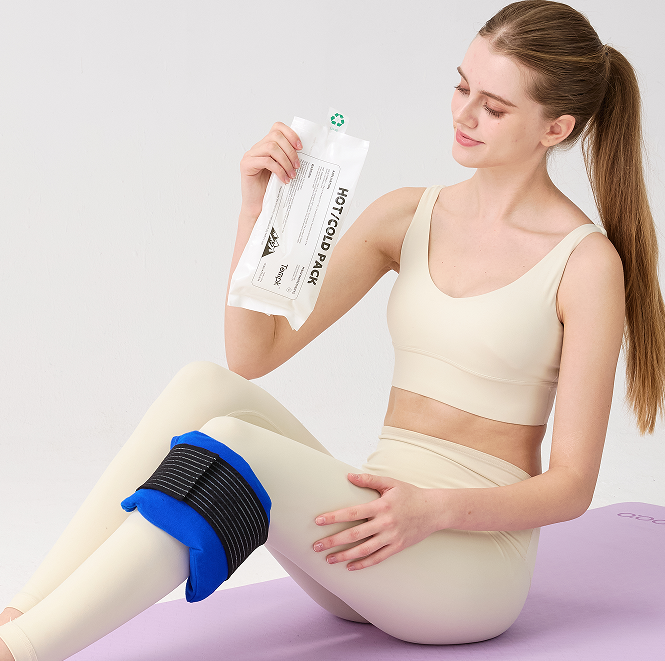
Distributeur de calotte glaciaire en Allemagne en Allemagne: Comment choisir le bon fournisseur et le bon emballage
La meilleure réponse au distributeur allemand de calottes glaciaires en gel n'est pas une seule spécification de produit. C'est un match entre la calotte glaciaire, la charge utile, le colis isotherme, l'itinéraire et les besoins en documentation de l'acheteur. Pour les distributeurs allemands, exportateurs de produits alimentaires, prestataires de services pharmaceutiques et acheteurs d’emballages, un bon fournisseur devrait faciliter l'examen des échantillons, ne cache pas les détails qui affectent les performances. Ce guide édité se concentre sur les contrôles importants avant qu'un acheteur ne passe de la demande de renseignements à la commande répétée..
Réponse d'achat: Présélectionner les fournisseurs en leur demandant comment le produit est rempli, scellé, conditionné, emballé, testé et documenté. Le prix compte, mais la plus grande décision est de savoir si la même qualité d'échantillon peut être répétée en production et si le liquide de refroidissement convient à votre voie spécifique plutôt qu'une réclamation générique relative à la chaîne du froid..
Pour la distribution basée en Allemagne, pensez également à l’efficacité des palettes, langage d'étiquetage des cartons, attentes en matière de recyclage et si le fournisseur peut prendre en charge des commandes répétées sans modifier les dimensions des emballages. Les acheteurs transfrontaliers de l'UE doivent confirmer toute exigence spécifique au produit auprès de leurs propres équipes qualité et logistique avant d'attribuer le même emballage à plusieurs marchés..
La décision en une phrase
Choisissez le distributeur de gel ice sheet Allemagne seulement après que le pack ait été adapté au produit, carton, itinéraire, processus de conditionnement et besoins en documentation. Le produit devrait résoudre un problème opérationnel spécifique tel qu'un refroidissement flexible et peu encombrant autour de charges utiles irrégulières., mais il ne faut pas lui demander de faire le travail d'isolation, contrôle d'itinéraire ou documentation de conformité par elle-même.
Cette distinction protège l'acheteur de deux erreurs courantes. Le premier est le sous-achat, où un composant réfrigérant bon marché est censé protéger une expédition qui nécessite réellement un emballage différent. La seconde est la sur-achat, où un excès de masse de refroidissement est ajouté sans comprendre si le point faible est la mise en scène, isolation, géométrie ou manipulation du carton. Un bon fournisseur aide à identifier le problème que vous résolvez réellement.
L'adéquation du produit commence par l'itinéraire, pas la photo du catalogue
Une image de catalogue peut vous indiquer le format général des calottes glaciaires, mais il ne peut pas vous dire si le produit correspond à votre itinéraire. L'itinéraire comprend plus que le temps de transit. Il comprend un étagement en chambre froide, chargement de camion, remise en douane ou par transporteur, temps de séjour dans l'entrepôt, risque du week-end, exposition ambiante saisonnière et comment les équipes de réception inspectent le colis. Un pack qui fonctionne bien dans une voie peut être trop faible, trop lourd ou trop salissant dans un autre.
Commencez par la charge utile. Les produits denses réagissent différemment à la lumière, cartons remplis d'air. Un carton de fruits de mer compact, un coffret cadeau fleuri, un transporteur d'échantillons de tissus et un kit de vente au détail de thérapie ne partagent pas le même comportement thermique. Si la charge utile est sensible au gel, le pack peut avoir besoin d'un séparateur ou d'une stratégie de contrôle de la température différente. Si la charge utile est humide ou sensible aux odeurs, les fuites et la compatibilité des films deviennent plus importantes. Si la charge utile est destinée au client, la condensation et les dommages sur l'étiquette peuvent affecter la perception de la marque même lorsque le produit reste froid.
Ensuite, revoyez le modèle de manipulation. Les travailleurs congèlent-ils les paquets à plat ou empilés? Les packs sont-ils conservés à température ambiante avant le chargement? L'entrepôt peut-il contrôler le nombre de paquets par taille de carton, ou l'opération nécessite-t-elle un code couleur ou des instructions imprimées? Les emballeurs sont-ils payés pour la vitesse, précision ou les deux? Ces petites questions opérationnelles déterminent souvent si un composant réfrigérant théoriquement bon fournit des résultats reproductibles..
L'approche la plus sûre consiste à définir une fenêtre d'acceptation pratique avant de commander. Pour les expéditions de nourriture, de nombreuses opérations utilisent une limite réfrigérée telle que 40 Pour 4 C dans le cadre d'un plan de sécurité alimentaire, mais la limite réelle doit venir du propriétaire du produit, itinéraire et exigences locales. Pour les envois de soins de santé ou de laboratoire, la plage requise peut être plus étroite et doit être confirmée par l'équipe qualité ou le laboratoire destinataire. Le fournisseur du pack ne devrait pas le deviner pour vous.
Des choix de matériaux qui modifient les performances et la maniabilité
La formulation du gel affecte la façon dont les calottes glaciaires gèlent, dégel, répartir la masse froide et se comporter après une utilisation répétée. L'eau fournit une grande partie de la masse thermique dans de nombreux packs, tandis que les épaississants, polymère super absorbant, Les systèmes de type CMC ou autres structures de gel peuvent immobiliser le liquide et réduire la libre circulation. C'est important car un pack avec un remplissage instable peut gonfler, s'affaisser ou créer un contact inégal à l'intérieur d'un carton. C’est également important pour la fabrication, car la viscosité affecte la vitesse de remplissage, précision du dosage et risque de contamination des joints.
La pochette ou le film extérieur est tout aussi important que le gel. Une formule gel forte dans un sachet faible reste un produit faible. Les acheteurs devraient se renseigner sur la structure du film, largeur du joint, résistance des bords, résistance à la perforation, flexibilité après congélation et si la surface reste adaptée à l'application prévue. Pour les packs thérapeutiques, le confort et la sensation face à la peau sont importants. Pour les fruits de mer, logistique de viande ou de produits laitiers, les fuites et le transfert d’odeurs sont des problèmes pratiques. Pour les programmes d’échantillons de tissus, le paquet doit fonctionner selon la méthode d'emballage des échantillons plus grands, pas le remplacer.
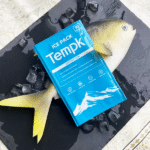
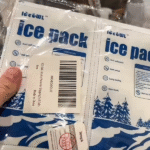
La couleur n’est une décision fonctionnelle que lorsqu’elle facilite les opérations. UN pack de gel bleu peut être plus facile à identifier dans les fruits de mer ou les emballages alimentaires. Un emballage anti-transpiration imprimé peut aider les travailleurs à distinguer les tailles de carton. Un sachet transparent peut faciliter l'inspection de la qualité du remplissage. Aucun de ces choix cosmétiques ne prouve la performance thermique. Ils prennent en charge le contrôle des processus uniquement lorsque l'entrepôt les utilise de manière cohérente.
Les acheteurs doivent également séparer le comportement du réfrigérant de la qualification de l'emballage.. Un pack de gel peut être réutilisable, flexible, résistant aux fuites ou conçu pour réduire la condensation, mais l'envoi fini a encore besoin de la bonne boîte isotherme, nombre de packs, disposition de la charge utile et preuves de test. C'est pourquoi les examens d'approvisionnement sérieux examinent ensemble le liquide de refroidissement et le pack-out..
Une liste de contrôle pratique pour comparer les options
| Zone de décision | Pourquoi ça compte | Action de l'acheteur |
|---|---|---|
| Ajustement du produit et de la charge utile | Le pack doit correspondre au produit, pas seulement le carton | Confirmer la plage de température, sensibilité au gel et limites de contact direct |
| Isolation et placement des packs | Le liquide de refroidissement ne fonctionne que dans un emballage approprié | Testez avec la boîte réelle, charge utile et méthode d'emballage |
| Humidité et propreté | La condensation et les fuites génèrent des plaintes et des déchets de manipulation | Inspecter les étiquettes, cartons et charge utile après des exemples d'itinéraires |
| Cohérence de la production | Un bon échantillon ne suffit pas pour un approvisionnement en gros | Demandez si les unités en vrac utilisent le même gel, film et méthode de scellage |
| Limite de la documentation | Les réclamations ne doivent pas dépasser les preuves disponibles | Séparez les faits de la fiche technique des allégations de performances spécifiques à l'itinéraire |
Utilisez ce tableau comme outil de discussion lors de l'examen des échantillons. Cela éloigne la conversation des affirmations vagues et la dirige vers des faits observables.. Quand le fournisseur peut répondre clairement à ces points, approvisionnement, les équipes opérationnelles et qualité peuvent prendre une décision plus claire. Quand les réponses manquent, il est plus sûr de traiter l'échantillon comme incomplet plutôt que de passer directement à l'achat en gros.
Des questions des fournisseurs qui révèlent de réelles capacités
Les conversations avec les fournisseurs les plus utiles sont spécifiques. Au lieu de demander si la calotte glaciaire est "bonne qualité," demandez comment le fournisseur contrôle les caractéristiques importantes pour votre itinéraire. Peuvent-ils expliquer le système de gel en termes pratiques? Peuvent-ils décrire les options de film sans faire d'allégations de température non étayées? Peuvent-ils fournir des échantillons provenant du même circuit de production que celui qui sera utilisé pour l'approvisionnement en vrac? Peuvent-ils prendre en charge l'impression ou l'emballage personnalisé uniquement lorsque cela n'interfère pas avec les besoins de performances ou de conformité ??
Demandez comment le fournisseur gère le contrôle des modifications. Si le film de la pochette, formulation de gel, méthode de scellement, changements de colorant ou de taille d’emballage après l’approbation de l’échantillon, les acheteurs seront-ils informés? Dans emballage chaîne du froid, un petit changement de matériau peut modifier le comportement au gel, flexibilité, risque de condensation ou de fuite. Pour les packs thérapeutiques, cela peut affecter la sensation de l'utilisateur et la présentation au détail. Pour la logistique alimentaire ou de laboratoire, cela peut affecter la manipulation et la documentation.
Demandez également ce que le fournisseur ne réclamera pas. Un fournisseur prudent ne promettra pas un temps de maintien universel, Conformité sur tous les marchés ou adéquation garantie pour chaque produit. Cette retenue est un signal positif. Cela signifie que le fournisseur comprend la frontière entre un composant réfrigérant et un système d'expédition qualifié.. Cela évite également à l'acheteur de transformer une expression du catalogue en une hypothèse opérationnelle..
Outils de décision utiles
Vérifiez les détails avant de choisir l'emballage
Ces outils rapides peuvent vous aider à comparer le risque d'itinéraire, besoins de dimensionnement, choix de liquide de refroidissement, et les détails de l'emballage avant de demander un devis.
Liquide de refroidissement & Référence PCM
Comparez les options de liquide de refroidissement et de PCM lorsqu'un itinéraire nécessite une prise en charge supplémentaire de la température.
Comparez les optionsDoublure de boîte & Dimensionnement des couvertures de palettes
Vérifiez la logique de dimensionnement du revêtement de boîte et du couvercle de palette pour les projets d'emballage isotherme.
Dimensionnement estiméCalculateur d’accumulateurs de froid
Estimation de la quantité de pain de glace pour les expéditions réfrigérées et planification pratique des itinéraires.
Estimer les packs de glacePour l'achat en gros, le fournisseur devrait faciliter la comparaison. Ils devraient pouvoir discuter du format du produit, quantité d'emballage, palettisation, conseils de stockage, exemple d'examen, la cohérence de la production et les informations nécessaires à l'établissement d'un devis. Le MOQ et le délai de livraison comptent, mais ils devraient être discutés une fois que l'ajustement technique sera clair. Sinon, l'acheteur peut obtenir un prix bas sur un produit qui ne correspond pas à la voie.
Contrôles opérationnels avant approbation des échantillons
Avant d'approuver une calotte glaciaire, exécutez l'échantillon via le même flux de travail que votre équipe utilisera après l'achat. Commencez par recevoir. Les cartons sont-ils clairement étiquetés? Les unités sont-elles emballées de manière cohérente? Y a-t-il une fuite visible, dommages au film, remplissage inégal ou variation de taille? Si le pack est un article thérapeutique vendu au détail, vérifiez l'emballage extérieur et les instructions. S'il s'agit d'un élément de la chaîne du froid, vérifier si le pack peut être stocké, compté et cueilli sans confusion.
Suivant, vérifier la congélation et le conditionnement. Les paquets doivent être congelés ou conditionnés selon les instructions du fournisseur., mais les acheteurs doivent également vérifier si ces instructions sont réalistes pour leur installation. Un congélateur surchargé, les emballages ouverts fréquemment ou utilisés pour plusieurs opérations peuvent ne pas conditionner uniformément. Empiler trop d’emballages flexibles peut ralentir la congélation. Laisser les paquets trop longtemps sur une table d'emballage chaude peut réduire le refroidissement disponible avant même que le carton ne quitte le quai..
Puis testez le placement du pack. Placez le pack dans le carton prévu avec la charge utile prévue. Recherchez les points de pression, risque de contact direct, problèmes de fermeture du couvercle et espaces d'air morts. Le contact direct peut être utile pour certains produits et risqué pour d’autres. Pour les aliments délicats, matériel floral ou de laboratoire, un séparateur peut être nécessaire. Pour des designs sans transpiration, observer si la réduction de l'humidité fonctionne toujours après des pratiques réalistes de congélation et d'emballage.
Enfin, documenter le processus. Un distributeur ou un fabricant devrait vous aider à confirmer le nom du produit, approche par lots ou par lots, taille du paquet, poids de remplissage si fourni, instruction de conditionnement, méthode d'emballage et toute preuve d'essai disponible. La documentation n'a pas besoin d'être compliquée pour chaque expédition de produits alimentaires à faible risque, mais les informations doivent être suffisamment claires pour que votre équipe puisse répéter la même décision après le premier achat.
Erreurs courantes qui génèrent des plaintes évitables
Une erreur courante consiste à ajouter davantage de matériau de refroidissement sans réparer le pack-out.. Si le carton a trop d'espace libre, mauvaise isolation ou long étagement chaud, des calottes glaciaires supplémentaires ne peuvent qu'ajouter du poids et du coût. Cela peut également créer des points froids, écraser des charges utiles délicates ou rendre le carton plus difficile à fermer. De meilleures performances proviennent souvent d'une conception équilibrée plutôt que d'une simple augmentation du nombre de paquets.
Une deuxième erreur est d'ignorer la condensation. L'humidité de surface peut affaiblir les cartons, flouter les étiquettes, rendre le déballage désagréable et endommager la documentation papier. Les conceptions sans transpiration ou à condensation réduite peuvent aider dans la bonne application, mais les acheteurs devraient toujours les tester dans des conditions réalistes de congélation et ambiantes.. Un paquet qui semble sec dans un échantillon de bureau peut se comporter différemment dans un quai de chargement humide..
Une troisième erreur consiste à approuver des échantillons sans impliquer d'opérations. L'approvisionnement peut se concentrer sur le prix et les conditions du fournisseur, tandis que les équipes de l'entrepôt savent si le colis peut être traité rapidement. Inclure les emballeurs, personnel de qualité et équipes de réception dans l'examen des échantillons. Leurs commentaires identifient souvent des problèmes qui n'apparaissent pas dans une fiche technique.
Une dernière erreur est d'utiliser le même pack pour chaque produit. Une feuille de gel à elle seule ne remplace pas l'isolation, surveillance de la température ou qualification des voies. Quand les produits, les tailles de carton ou les itinéraires changent, la méthode de refroidissement doit être revue à nouveau. Même un emballage familier peut devenir un mauvais choix s'il est déplacé dans une plage de température différente., format d'itinéraire ou de charge utile.
FAQ
Une calotte glaciaire est-elle suffisante pour une expédition à température contrôlée?
Non. Une calotte glaciaire est un composant réfrigérant. Il lui faut un emballage isotherme adapté, nombre de paquets correct, bon conditionnement, protection de la charge utile et réception des chèques. Pour les marchandises sensibles, l'emballage complet doit être examiné ou testé avant une utilisation de routine.
Que dois-je vérifier avant d'approuver un échantillon d'un fournisseur?
Vérifier si l'échantillon correspond au produit en vrac proposé, si cela correspond au carton réel, s'il peut être gelé et géré par votre équipe, et si le fournisseur peut expliquer les limites de toute réclamation relative à la température ou au temps de maintien.
Puis-je utiliser le même pack pour différents produits?
Parfois, mais seulement après avoir examiné la sensibilité du produit, taille du carton, masse de charge utile et exposition de l'itinéraire. Un pack qui fonctionne pour un produit réfrigéré peut provoquer le gel, transpiration ou refroidissement insuffisant dans une autre application.
Comment dois-je comparer les prix entre les fournisseurs?
Comparez le prix avec les performances utilisables, risque de fuite, taille du paquet, consistance du remplissage, quantité d'emballage, efficacité du fret et soutien à la documentation. Un prix unitaire inférieur peut devenir coûteux s'il augmente les plaintes, reconditionnement ou perte de produit.
Conclusion
Choisir le distributeur de gel ice sheet Allemagne est une décision d'emballage pratique, pas une simple correspondance de catalogue. Les fournisseurs les plus solides vous aident à définir le besoin en produit, revoir l'itinéraire, testez le pack-out et évitez les affirmations qui vont au-delà des preuves. Concentrez-vous sur l'itinéraire, charge utile, isolation, comportement à l'humidité, cohérence de l'échantillon à la production et limites de la documentation avant de discuter des commandes de gros volumes.
Pour les distributeurs allemands, exportateurs de produits alimentaires, prestataires de services pharmaceutiques et acheteurs d’emballages, la prochaine étape consiste à transformer l'envoi en un brief clair: quel produit est expédié, quelle plage de température ou quelle condition de qualité doit être protégée, quel carton est utilisé, combien de temps dure l'itinéraire, où les transferts ont lieu et quels chèques de réception sont requis. Avec ces informations, un fournisseur peut recommander une option de produit plus réaliste et un meilleur plan d'échantillonnage.
À propos du Tempk
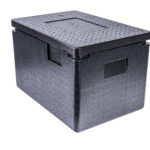
Tempk soutient les acheteurs de la chaîne du froid avec des composants d'emballage tels que packs de glace en gel, packs de glace sec, briques de glace, sacs isolés, Boîtes EPP, boîtes d'expédition à froid, doublures de boîtes isolées, housses de palettes et matériaux associés pour la chaîne du froid. Pour une demande de distributeur de calotte glaciaire en Allemagne, nous nous concentrons sur l'ajustement pratique: le produit étant expédié, les conditions de manipulation requises, le format d'emballage, le parcours et le plan d'achat. Nous évitons de considérer un pack de gel comme une réponse universelle, car les performances fiables de la chaîne du froid dépendent de l'emballage complet et du processus qui l'entoure..
Partagez votre type de produit, taille du carton, parcours et étape d'achat avec Tempk, et demandez une recommandation qui pourra être examinée par vos équipes achats et opérations.