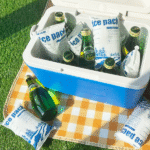
Le choix d'un liquide de refroidissement est l'une des décisions les plus importantes Emballage de la chaîne froide. Packs de gel, glace carbonique, et les packs PCM peuvent tous protéger Produits sensibles à la température, mais ils ne sont pas interchangeables. Le bon choix dépend de la plage de température du produit, masse de charge utile, durée de l'itinéraire, risque de gel admissible, règles du transporteur, besoins en matière de documentation, et expérience de réception du client.
Pour les acheteurs B2B, le but n'est pas de choisir le liquide de refroidissement le plus froid. L'objectif est de choisir le liquide de refroidissement qui maintient le produit dans la plage de température requise pendant la durée requise., dans des conditions de manipulation réalistes, avec une sécurité acceptable, coût, conformité, et expérience de marque.
Réponse rapide
Les packs de gel sont généralement le point de départ des expéditions réfrigérées et réfrigérées.. FedEx décrit les gels réfrigérants pour les produits qui doivent rester entre 34°F / 1°C et 50°F / 10°C. La glace carbonique est utilisée lorsque les produits doivent rester congelés, mais il se sublime à -78,5°C / -109.3°F et nécessite une ventilation, marquage, et manipulation des contrôles. Les packs PCM sont utilisés lorsque le pack nécessite une absorption et une libération de chaleur plus contrôlées autour d'une plage de changement de phase spécifique..
Comparaison des liquides de refroidissement basée sur la source
| Type de liquide de refroidissement | Paramètre basé sur la source | Utilisation optimale de la chaîne du froid | Risque clé à contrôler |
|---|---|---|---|
| Pack de gel / gel de refroidissement | FedEx décrit les liquides de refroidissement en gel pour les envois qui doivent rester entre 34°F / 1°C et 50°F / 10°C. | Aliments réfrigérés, épicerie, kits de repas, fruits de mer conservés au-dessus du point de congélation, produits de beauté, quelques colis réfrigérés. | Masse de liquide de refroidissement insuffisante, risque de gel par contact direct, condensation, fuite, cartons humides. |
| Glace sèche | L'USGS déclare que la glace carbonique se sublime à -78,5°C / -109.3°F. | Aliments surgelés, fruits de mer gelés, glace, matières surgelées, et voies où les packs de gel ne peuvent pas maintenir des conditions gelées. | Pression du gaz CO2, ventilation, risque de gel, surgélation, marquage, acceptation du transporteur. |
| Pack PCM | ScienceDirect définit les matériaux à changement de phase comme des matériaux qui absorbent et libèrent de grandes quantités de chaleur lors d'un changement de phase., souvent proche d’une plage de température stable. | 2-8°C pharmaceutique, produits réfrigérés à bande étroite, programmes à température ambiante contrôlée, systèmes validés premium. | Température de changement de phase incorrecte, mauvais conditionnement, coût, spécification d'approvisionnement, besoins de validation. |
| Pack de glace à injection d'eau | Utilise de l'eau ou un liquide de refroidissement à base d'eau rempli avant utilisation; la performance finale dépend de la conception de la congélation et de l'emballage. | Programmes alimentaires et d'épicerie à gros volumes nécessitant moins de fret entrant et un stockage en entrepôt plus facile avant l'hydratation. | Qualité de remplissage, intégrité du joint, temps de gel, formation des opérateurs. |
Quand les packs de gel sont le bon point de départ
Les packs de gel sont largement utilisés car ils sont familiers, abordable, et facile à intégrer avec sacs isolés, Boîtes EPS, doublures de boîte, Refroidisseurs EPP, et cartons de colis. Ils constituent souvent la première option pour les aliments réfrigérés, livraison d'épicerie, plats préparés, fruits de mer frais, produits de beauté, et commandes e-commerce réfrigérées.
Un pack de gel est approprié lorsque le produit doit rester froid mais pas nécessairement congelé. C'est également utile lorsque le client destinataire s'attend à un produit propre., liquide de refroidissement non dangereux. Pour les kits repas et la livraison d'épicerie, l'expérience de l'utilisateur final est importante: le pack de gel ne doit pas fuir, trop mouiller le carton, ou rendre l'élimination déroutante.
Cependant, les packs de gel ne sont pas une solution universelle. Un pack de gel congelé peut créer des points de congélation locaux s'il entre en contact avec un médicament., salade, chocolat, ou d'autres produits sensibles au gel. En été, expédition de colis longue distance, la masse du pack de gel devra peut-être être plus grande que prévu. Dans un carton isotherme faible, le simple fait d'ajouter plus de packs de gel peut alourdir la boîte tout en échouant toujours.
Quand la glace carbonique est encore nécessaire
La neige carbonique est la principale source de froid dans les expéditions de colis et par avion.. Il peut conserver les produits congelés là où les packs de gel ne peuvent les conserver qu'au frais.. Cela rend la glace carbonique pertinente pour les fruits de mer surgelés, glace, viande surgelée, plats préparés surgelés, et du matériel de laboratoire surgelé.
Mais la glace carbonique n’est pas seulement un pack de gel plus froid. C'est du dioxyde de carbone solide. Comme il sublime, ça devient du gaz. L'emballage ne doit pas être hermétique et doit permettre l'évacuation des gaz. La PHMSA déclare que paquets de glace carbonique utilisé comme réfrigérant doit être conçu pour permettre la libération de gaz afin d'éviter l'accumulation de pression et doit être marqué du nom d'expédition et du numéro d'identification appropriés., comme « Glace carbonique,»Un1845, et masse nette le cas échéant. Les directives PackSafe de la FAA indiquent également que les paquets de glace carbonique ne doivent pas être hermétiques et doivent permettre une ventilation..
La glace carbonique crée également un risque pour la qualité des produits. Il peut surgeler les produits, endommager les étiquettes ou les conteneurs par un froid extrême, et créer un problème de sécurité pour les emballeurs et les réceptionnaires. Les directives UPS pour les envois de produits alimentaires et périssables recommandent de conserver le contenu séparé de la neige carbonique et d'utiliser de la mousse EPS à l'intérieur des emballages en carton ondulé..
Quand les packs PCM sont meilleurs que les packs de gel standards
Les packs PCM sont utiles lorsque le client a besoin d'un meilleur contrôle de la température autour d'une bande choisie. Un matériau à changement de phase absorbe la chaleur lorsqu'il fond et libère de la chaleur lorsqu'il gèle. Ce comportement de chaleur latente peut aider à réduire les variations de température lorsque le PCM est sélectionné et conditionné correctement..
Outils de décision utiles
Vérifiez les détails avant de choisir l'emballage
Ces outils rapides peuvent vous aider à comparer le risque d'itinéraire, besoins de dimensionnement, choix de liquide de refroidissement, et les détails de l'emballage avant de demander un devis.
Sélecteur d'emballage
Comparez les options d'emballage isotherme par produit, itinéraire, et besoin de température.
Trouver un emballageRésistance aux chutes du matériau isolant
Examinez la résistance aux chutes et les facteurs de manipulation avant de choisir des matériaux d'isolation..
Vérifier la résistanceRéférence du matériau isolant
Comparez les choix de matériaux d'isolation pour différents besoins d'emballage de la chaîne du froid.
Comparez les matériauxLes packs PCM sont souvent envisagés pour les expéditions pharmaceutiques à 2-8°C, produits réfrigérés contrôlés, produits biologiques spécialisés, et les emballages où les dommages causés par le gel constituent une préoccupation majeure. Ils sont également utiles lorsque la marque a besoin d'un document, emballage reproductible plutôt qu'une simple approche « ajouter plus de glace ».
Le compromis est que les packs PCM nécessitent des spécifications plus précises. La température de changement de phase, conception de conteneurs, méthode de conditionnement, disposition de la charge utile, et le profil de test doit être aligné. Si le PCM est mal conditionné, il peut ne pas fonctionner comme prévu. PCM est donc un composant de conception de solution, pas seulement un liquide de refroidissement de base.
Matrice de décision pour les acheteurs d'entreprise
| Question de l'acheteur | Meilleure option de départ | Pourquoi |
|---|---|---|
| Le produit doit arriver frais mais pas congelé. | Pack de gel ou pack PCM | Les packs de gel sont rentables; Le PCM peut réduire le risque de gel dans des bandes plus étroites. |
| Le produit doit rester surgelé. | Système de glace carbonique ou PCM congelé | La glace carbonique est couramment utilisée pour les expéditions congelées, mais nécessite une ventilation et des marquages. |
| L'envoi est un médicament à 2-8°C. | Pack PCM ou pack de gel sans congélation | Le principal risque n'est pas seulement le réchauffement, mais aussi le gel dû au contact direct du liquide de refroidissement.. |
| L'itinéraire est la livraison de nourriture locale. | Packs de gel, packs d'injection d'eau, sacs ou doublures isothermes | Moins de complexité réglementaire et meilleure gestion pour l’utilisateur final. |
| La marque veut des emballages de marque privée. | Packs de gel, packs d'injection d'eau, sacs isolés | Ces composants peuvent prendre en charge l'impression de logos et les instructions de vente au détail. |
| L'itinéraire comprend le transport aérien de neige carbonique. | Emballage de glace carbonique avec examen de conformité | Le transport aérien nécessite une ventilation, marquage, et procédures d'acceptation du transporteur. |
| L'acheteur souhaite réduire le fret entrant et le stockage en entrepôt. | Packs de glace à injection d'eau | Les paquets sont expédiés compacts avant le remplissage, puis sont hydratés et congelés près de leur utilisation. |
Comment penser à la masse du liquide de refroidissement
La masse du liquide de refroidissement ne doit pas être copiée à partir de la boîte d'un concurrent. La quantité nécessaire dépend de la masse du produit, température de départ, isolation, dimensions de la boîte, profil de température ambiante, temps de transit, et la marge de sécurité. Une boîte plus grande avec plus d'espace libre nécessite un placement de liquide de refroidissement différent d'un petit pochette isotherme. Un repas réfrigéré à 2-4°C nécessite une stratégie différente de celle d'une commande de fruits de mer surgelés sortant du congélateur à -18°C..
Pour un premier design, créer un budget thermique en utilisant la masse du produit, type d'isolation, durée de l'itinéraire, et risque ambiant. Validez ensuite par un échantillon d'emballage avec un enregistreur de données. Pour les clients entreprises, la spécification finale doit inclure la taille du liquide de refroidissement, quantité, temps de conditionnement, placement, format d'isolation, taille du carton, et séquence d'emballage.
Règles pratiques d'emballage
| Règle | Application |
|---|---|
| Préconditionner le liquide de refroidissement et l'isolation avant l'emballage. | FedEx recommande de congeler les gels réfrigérants et de pré-refroidir le conteneur isotherme lorsque cela est possible.. |
| Utilisez une doublure en plastique et un matériau absorbant là où l'eau de fonte, purge, ou de la condensation peut se produire. | Aide à prévenir les cartons mouillés et protège l’étiquette d’expédition. |
| Évitez tout contact direct entre le liquide de refroidissement gelé et les produits sensibles au gel. | Particulièrement important pour la médecine, chocolat, produire, et plats préparés délicats. |
| Laisser les paquets de glace carbonique s'évacuer. | La sublimation sur glace carbonique crée un risque de gaz et de pression. |
| Testez le pack complet, pas le liquide de refroidissement seul. | Les performances du liquide de refroidissement dépendent de l'isolation, charge utile, placement, et l'exposition de l'itinéraire. |
FAQ
Les packs de gel sont-ils plus sûrs que la neige carbonique?
Pour de nombreux envois réfrigérés, les packs de gel sont plus faciles à manipuler car ils ne libèrent pas de dioxyde de carbone et ne nécessitent pas de marquage sur glace carbonique. Cependant, les packs de gel peuvent encore fuir, produits sensibles au gel, ou créer de la condensation si le packout est mal conçu.
La glace carbonique peut-elle être utilisée pour les aliments réfrigérés?
Il peut faire trop froid pour de nombreux produits réfrigérés. La glace carbonique peut congeler des produits qui doivent rester réfrigérés. Utiliser la séparation, mise en mémoire tampon, et des tests spécifiques au produit si la neige carbonique est envisagée pour les expéditions réfrigérées.
Les packs PCM sont-ils toujours meilleurs que les packs de gel?
Non. Les packs PCM sont meilleurs lorsque leur température de changement de phase et leur méthode de conditionnement correspondent à l'expédition.. Pour des itinéraires réfrigérés simples, un pack de gel et un système d'isolation bien testés peuvent être plus rentables.
Ce qui doit être testé avant l'approbation?
Testez le pack complet: charge de produit, carton, isolation, liquide de refroidissement, placement, conditionnement, profil d'itinéraire, et emplacement de l'enregistreur de données. N'approuvez pas un liquide de refroidissement sur la seule base de sa fiche technique.
Dernier point à retenir
Packs de gel, glace carbonique, et les packs PCM résolvent différents problèmes de chaîne du froid. Les packs de gel sont généralement les meilleurs pour une distribution réfrigérée, la glace carbonique est utilisée pour les emballages congelés mais nécessite des contrôles de ventilation et de transport, et les packs PCM sont utiles lorsqu'une bande de température plus étroite ou une conception sans gel est nécessaire. Le meilleur liquide de refroidissement est celui qui maintient la charge utile à portée tout au long de l'itinéraire réel., pas celui qui a l'air le plus froid sur le papier.