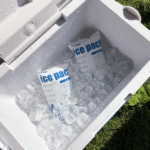
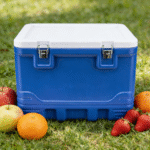
Coutume Emballage de la chaîne froide fonctionne mieux lorsque le fournisseur comprend l’expédition avant de recommander une boîte, doublure, paquet de gel, Pack PCM, système de glace carbonique, ou expéditeur réutilisable. Une demande de devis indiquant uniquement « J'ai besoin d'un sac de glace » ou « J'ai besoin d'une glacière » conduit généralement à des prélèvements répétés., prix peu clair, et un risque plus élevé de défaillance de température dans la distribution réelle.
Pour les acheteurs B2B, la bonne demande de prix doit décrire le risque produit, plage de température requise, objectif de temps de maintien, profil d'itinéraire, Taille de la charge utile, taille de boîte, préférence pour le liquide de refroidissement, besoins réglementaires, exigences en matière de marque, et volume mensuel attendu. Cet article donne un aperçu pratique, liste de contrôle fondée sur la source pour les aliments, pharmaceutique, congelé, épicerie, kit repas, fruit de mer, cosmétique, et les expéditeurs d'échantillons de laboratoire qui ont besoin d'un emballage personnalisé pour la chaîne du froid.
Pourquoi une demande d'offre sur la chaîne du froid devrait commencer dès l'expédition, pas le produit
L’emballage sous chaîne du froid est un système. L'isolation, liquide de refroidissement, chambre de produit, couche absorbante, résistance du carton, étiquetage, instructions d'emballage, et la gestion de l'itinéraire affectent tous le résultat. Un pack de gel qui fonctionne bien dans une petite pochette isolée peut ne pas suffire pour un colis plus grand avec un séjour chaud sur le dernier kilomètre.. Un expéditeur de mousse qui fonctionne pour les aliments réfrigérés peut ne pas protéger un médicament à 2-8°C si le liquide de refroidissement touche directement la charge utile.. Un pack de glace carbonique peut garder les produits congelés durs, mais cela nécessite également des documents de ventilation et de transport.
Lorsqu'un acheteur donne au fournisseur les informations correctes au début, le fournisseur peut affiner la conception plus rapidement, estimer la quantité d'échantillon, sélectionner des options de matériaux réalistes, et recommander un chemin de test de packout. Pour les clients entreprises, cela crée également une spécification reproductible que les achats, qualité, entrepôt, et les équipes opérationnelles peuvent approuver ensemble.
Paramètres basés sur la source à inclure dans votre demande d'offre
| Paramètre | Valeur ou règle de référence | Pourquoi c'est important dans les emballages personnalisés |
|---|---|---|
| Objectif de sécurité des aliments réfrigérés | Les aliments froids doivent être conservés à 40°F / 4°C ou moins selon les directives de sécurité alimentaire de la FDA. | Aide à définir les repas réfrigérés, laitier, viande, produire, et emballages de plats préparés. |
| Référence de stockage surgelé | Les directives de manipulation des aliments en toute sécurité de la FDA utilisent le stockage au congélateur à 0°F / -18° C ou en dessous. | Aide à séparer les emballages « réfrigérés » des véritables emballages d'aliments surgelés. |
| Domaine d'application du gel de refroidissement | FedEx décrit les gels réfrigérants pour les produits qui doivent rester entre 34°F / 1°C et 50°F / 10°C. | Aide à déterminer quand les packs de gel conviennent et quand de la glace carbonique ou une approche PCM congelée peuvent être nécessaires. |
| Température de la glace carbonique | L'USGS déclare que la neige carbonique se sublime à -78,5°C / -109.3°F. | Explique pourquoi la neige carbonique peut geler les produits et pourquoi elle doit être séparée des charges utiles sensibles. |
| Gamme réfrigérée vaccins | Les directives de stockage des vaccins du CDC donnent entre 2°C et 8°C / 36°F à 46°F pour la conservation au réfrigérateur. | Utile pour les appels d'offres concernant la chaîne du froid pharmaceutique et médicale, mais suivez toujours l'étiquette du produit. |
| Profils de tests thermiques | ISTA 7E fournit des profils de transport thermique basés sur des expositions réelles à la chaleur et au froid. | Utile lorsqu'un acheteur a besoin de preuves au-delà d'un simple envoi d'échantillon. |
| Référence du mur d'expédition en mousse | FedEx recommande un conteneur en mousse isolé avec un minimum 1.5 dans / 4 parois de cm pour les envois périssables. | Fournit une référence pratique pour comparer la mousse, doublure, et modèles d'expéditeurs réutilisables. |
| Marquage pour expédition aérienne de glace carbonique | La PHMSA déclare que les paquets de glace carbonique doivent permettre la libération de gaz et afficher « glace sèche,»Un1845, et masse nette le cas échéant. | Nécessaire avant de proposer des packs de glace carbonique pour les voies aériennes ou express. |
Liste de contrôle RFQ pour les emballages personnalisés pour la chaîne du froid
Utilisez le tableau suivant lors de la préparation d'une demande de personnalisation packs de gel, Packs PCM, packs de glace sec, sacs isolés, doublures de boîtes isolées, Boîtes de refroidisseur EPP, Coffrets médicaux VIP, ou housses de palettes.
| Article de la demande de prix | Que fournir | Exemple de réponse utile |
|---|---|---|
| Type de produit | Nourriture, Pharma, fruit de mer, dessert glacé, cosmétique, épicerie, échantillon de laboratoire, biologique, ou marchandises palettisées. | « Plats préparés réfrigérés dans des barquettes scellées, 1.8 kg de charge utile par boîte. |
| Plage de température requise | Indiquez la plage de température et si de brèves excursions sont autorisées. | « Maintenir le produit en dessous de 4°C; évitez de congeler les coupelles à sauce. |
| Température de départ du produit | Glacé, congelé, température ambiante, ou préconditionné. | « Le produit est emballé à 2-4°C après une nuit de réfrigération. » |
| Objectif de temps de maintien | Temps de porte à porte plus marge de sécurité. | « 36 heures de transit, cible de conception 48 heures." |
| Risque ambiant | Chaleur estivale, froid hivernal, séjour à l'aéroport, retard du week-end, retenue transfrontalière, vivre le dernier kilomètre. | "Itinéraire du dernier kilomètre d'été aux États-Unis avec un séjour potentiel de 4 heures à domicile." |
| Détails de la charge utile | Poids, dimensions, number of units, géométrie du produit, objets fragiles. | "Six plateaux repas plus des tasses à sauce, total 2.2 kg. » |
| Taille du carton existant | Dimensions du carton intérieur et extérieur, si le carton est déjà fixé. | « Carton extérieur 430 x 330 x 220 mm, ondulé à simple paroi. |
| Isolation privilégiée | Boîte en mousse, doublure en aluminium, doublure en papier, Boîte EPP, Boîte VIP, sac isotherme, ou pas de préférence. | « Besoin d'un revêtement expédié à plat pour réduire l'espace d'entrepôt. » |
| Préférence de liquide de refroidissement | Pack de gel, pack d'injection d'eau, Pack PCM, brique de glace, glace carbonique, ou recommandation d'un fournisseur. | « Préférez les packs de gel, mais ouvert au PCM si le risque de gel est élevé. |
| Besoins en matière de marque et d’OEM | Logo, impression de films, impression de cartons, codage couleur, instructions de marque privée. | "Logo personnalisé sur le pack de gel et le carton, Carte d'enseignement en anglais. |
| Documentation qualité | FDS, déclaration matérielle, courbe de température, instruction d'emballage, liste de contrôle d'arrivée. | "Besoin d'un SDS et d'une courbe d'enregistreur de température de test pilote." |
| Volume et date de lancement | Quantité d'échantillon, volume pilote, prévisions mensuelles, saisonnalité. | "100 échantillons, pilote 2,000 boîtes/mois, pic d'été 8 000/mois. |
La plage de température devrait guider la famille d’emballages
Ne choisissez pas l’emballage uniquement en fonction du prix ou de la taille de la boîte. La plage de température requise détermine généralement en premier la famille d’emballages.
Pour la livraison de plats réfrigérés et d'épicerie, des packs de gel et des doublures isolées peuvent être appropriés lorsque le produit doit rester froid mais pas congelé. Pour les fruits de mer surgelés, Repas surgelés, ou glace, la conception peut nécessiter une isolation plus forte, masse de liquide de refroidissement gelée, PCM eutectique, ou de la neige carbonique en fonction de la longueur du trajet et de la sensibilité du produit. Pour les médicaments à 2-8°C, la conception doit se concentrer sur la protection contre le gel, séparation du liquide de refroidissement, Placement de l'enregistrement, et instructions d'emballage documentées. Pour le fret aérien palettisé, l'exposition à la température pendant le séjour à l'aéroport peut être plus importante que le carton lui-même.
L'itinéraire fait partie du packout
De nombreux échecs d’expéditions sous chaîne du froid ne sont pas causés par un seul produit défectueux.. Ils échouent parce que le packout a été conçu pour un itinéraire idéal plutôt que pour l'itinéraire réel. Centres de tri, changements d'orientation, compression, ramassage tardif, retard du week-end, dédouanement transfrontalier, fourgons inconditionnés, et le seuil de porte peut modifier la charge thermique.
Une bonne demande de prix doit indiquer le type d'itinéraire, non seulement la destination. Par exemple, « L'expédition de colis en 48 heures vers des adresses résidentielles mixtes aux États-Unis en été » est plus utile que « l'expédition à travers les États-Unis ». Si la voie comprend du fret aérien ou de la neige carbonique, la demande de prix doit également indiquer les règles du transporteur et les marquages requis.
Outils de décision utiles
Vérifiez les détails avant de choisir l'emballage
Ces outils rapides peuvent vous aider à comparer le risque d'itinéraire, besoins de dimensionnement, choix de liquide de refroidissement, et les détails de l'emballage avant de demander un devis.
Résistance aux chutes du matériau isolant
Examinez la résistance aux chutes et les facteurs de manipulation avant de choisir des matériaux d'isolation..
Vérifier la résistanceVérificateur de risque d'itinéraire
Examinez les conditions des pistes avant de sélectionner l'emballage en fonction des exigences opérationnelles réelles..
Vérifier le risque d'itinéraireSélecteur d'emballage
Comparez les options d'emballage isotherme par produit, itinéraire, et besoin de température.
Trouver un emballageQuelles options personnalisées peuvent être spécifiées
| Composant d'emballage | Options personnalisées courantes | Notes pour les acheteurs professionnels |
|---|---|---|
| Pack de glace en gel | Taille, remplir le poids, épaisseur du film, formule en gel, impression de logos, instructions de congélation, emballage en carton. | Idéal pour les emballages réfrigérés et réfrigérés; quantité d'essai par voie et isolation. |
| Pack PCM | Température de changement de phase, style de conteneur, remplir le poids, méthode de conditionnement. | Utile lorsque la charge utile doit rester proche d’une bande de température plus étroite. |
| Pack d'injection d'eau | Format d'expédition non rempli, consignes d'hydratation, taille, joint, emballage en carton. | Aide à réduire le fret entrant et la charge d'entreposage frigorifique dans l'entrepôt avant le remplissage. |
| Doublure de boîte isolée | Ajustement du carton, style de pliage, épaisseur d'isolation, méthode de fermeture, préférence pour les matériaux recyclables. | Utile lorsque l'acheteur souhaite conserver son carton ondulé existant. |
| EPS or EPP cooler box | Taille intérieure, épaisseur de paroi, style de couvercle, poignée, drainage, marque, plan de retour/réutilisation. | Mieux quand la rigidité, utilisation répétée, ou une protection supérieure est nécessaire. |
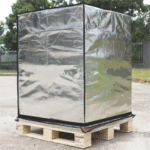
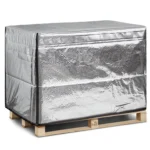
| Housse de palette thermique | Taille de la palette, hauteur, fermeture latérale, capot supérieur, couche réfléchissante, exposition par voie, réutilisabilité. | Utilisé pour le fret aérien, séjour dans l'entrepôt, et protection de la température au niveau des palettes. |
Erreurs de RFQ qui ralentissent les projets personnalisés
La première erreur courante est de demander « une solution dans 48 heures » sans préciser la masse du produit., température de départ, profil ambiant, et température d'arrivée acceptable. Une deuxième erreur consiste à demander la plus petite masse de liquide de refroidissement possible sans reconnaître le retard de l'itinéraire.. Une troisième erreur consiste à traiter le branding comme une demande distincte après que l'emballage a déjà été testé.. Films imprimés, étiquettes de carton, et les instructions du client peuvent modifier la façon dont l'entrepôt emballe et la façon dont le destinataire gère le colis..
Une autre erreur est de demander un devis avant de décider si l'emballage est un système à sens unique ou une boucle réutilisable.. C’est important pour le choix de l’isolation, durabilité, nettoyage, stockage en entrepôt, et renvoyer la logistique. Par exemple, une marque de kits repas peut préférer les doublures expédiées à plat, tandis qu'un programme de logistique médicale peut préférer les EPP réutilisables ou Loges VIP avec instructions d'emballage contrôlées.
FAQ
Puis-je demander un devis sans emballage testé?
Oui, mais le devis sera plus précis si vous fournissez la plage de température, charge utile, taille du carton, durée de l'itinéraire, et risque ambiant attendu. Pour les produits pharmaceutiques de grande valeur, aliments surgelés, ou expéditions transfrontalières, un devis doit généralement être suivi d'un test d'échantillon.
Un pack de gel est-il suffisant pour une expédition en 48 heures ??
Cela dépend de la charge utile, isolation, température de départ, exposition ambiante, et condition d'arrivée acceptable. FedEx décrit les gels réfrigérants pour les cuisinières réfrigérées, tandis que les envois congelés peuvent nécessiter de la neige carbonique ou un autre modèle d'emballage congelé.
Quelles sont les informations les plus importantes pour un envoi à 2-8°C?
Fournir les exigences relatives à l'étiquette du produit, Taille de la charge utile, durée de l'itinéraire, exigence de non-gel, exigence de l'enregistreur, et si le liquide de refroidissement peut toucher le produit. Le contact direct avec du liquide de refroidissement gelé peut créer un risque de gel.
L'emballage personnalisé peut-il inclure l'impression du logo?
Oui. Packs gel réfrigérants personnalisés, sacs isolés, étiquettes de carton, cartes d'instructions, et des cartons de marque privée peuvent souvent être spécifiés. La marque doit être incluse avant l'approbation de l'échantillon afin que le flux de travail d'emballage final soit réaliste.
Ai-je besoin de tests ISTA pour chaque projet?
Tous les projets ne nécessitent pas de tests thermiques ISTA complets. Cependant, ISTA 7E et les normes thermiques associées sont utiles lorsqu'un client a besoin d'un, profil basé sur des preuves au lieu d'un simple envoi d'essai.
Dernier point à retenir
Un appel d’offres solide et personnalisé pour les emballages de la chaîne du froid n’est pas une liste de noms de produits. Il s'agit d'un profil d'expédition. Avant de demander des échantillons ou des prix, préparer le besoin en température, masse du produit, durée de l'itinéraire, risque ambiant, taille de boîte, préférence pour le liquide de refroidissement, préférence d'isolation, besoins en matière de marque, et besoins en documentation. Cela rend la recommandation du fournisseur plus rapide, plus réaliste, et plus facile à approuver pour les équipes d'approvisionnement et de qualité.