Fabricant de glacières en mousse haute densité: Contrôles de matériaux au-delà de la densité
La bonne mousse haute densité fabricant de glacières est celui qui correspond à votre produit, voie, charge utile, processus de manipulation, et les besoins en preuves. Il ne s’agit pas simplement du prix le plus bas ou de la coque la plus durable. La mousse haute densité peut améliorer la durabilité et la sensation de manipulation, mais la protection thermique dépend de la chimie de la mousse, structure cellulaire, conception de mur, fermeture, liquide de refroidissement, et l'exposition de l'itinéraire. Pour les acheteurs B2B, la comparaison utile se fait entre des plans d'emballage complets: structure en boîte, ajustement du liquide de refroidissement, documentation, cohérence de l'échantillon, réorganiser le contrôle, et coût total d'exploitation. Cette version finale offre un moyen pratique d'évaluer les fournisseurs avant de passer d'une demande d'échantillon à un achat répété..
Réponse rapide
Réponse pratique: La mousse haute densité peut améliorer la durabilité et la sensation de manipulation, mais la protection thermique dépend de la chimie de la mousse, structure cellulaire, conception de mur, fermeture, liquide de refroidissement, et l'exposition de l'itinéraire. Pour l'achat, la comparaison utile n'est pas seulement matérielle, capacité, ou le prix. Comparez la capacité du fournisseur à prendre en charge l'adéquation de l'itinéraire, volume utilisable, disposition du liquide de refroidissement, cohérence des commandes répétées, et des preuves que votre équipe peut examiner.
Définir le travail que la glacière doit effectuer
Le choix final du fournisseur doit commencer par une déclaration de travail. Écrivez une phrase qui inclut le type de produit, condition requise, charge utile, itinéraire, points de transfert, processus de réception, et attente de réutilisation. Si le produit est pharmaceutique, laboratoire, ou liés au vaccin, ajouter les besoins en matière de revue de qualité et de documentation. Si c'est de la nourriture, inclure la fraîcheur, condensation, odeur, et soucis de nettoyage. Cette phrase évite que la citation ne dérive vers une comparaison de boîtes génériques.
Pour le fabricant de glacières en mousse haute densité, la déclaration de travail vous protège également contre les achats excessifs. Certains itinéraires nécessitent une coque robuste et réutilisable. Certains ont besoin d’un expéditeur léger. Certains ont besoin d'un qualifié emballage thermique système avec enregistrement des données et étapes d'emballage documentées. Certains n’ont besoin que d’un conteneur extérieur protecteur pour une courte manipulation contrôlée. La mousse haute densité peut améliorer la durabilité et la sensation de manipulation, mais la protection thermique dépend de la chimie de la mousse, structure cellulaire, conception de mur, fermeture, liquide de refroidissement, et l'exposition de l'itinéraire. Un bon fournisseur devrait vous aider à faire cette distinction dès le début.
Séparez les paramètres prouvés des hypothèses de l'acheteur
De nombreuses citations contiennent des mots attrayants: industriel, commercial, médical, Résistant aux UV, haute densité, OEM, température contrôlée, ou longue durée. Les mots ne sont utiles que lorsque les conditions de soutien sont claires. Demander quels paramètres sont mesurés, qui sont estimés, et qui sont simplement du positionnement produit. Si un fournisseur indique une capacité, demander si c'est en dehors du volume, volume brut interne, ou espace utilisable après protection du liquide de refroidissement et du produit. S'il indique un temps d'attente, demande quel profil, charge utile, et les critères d'acceptation ont été utilisés.
Cet audit de réclamation n’a pas besoin d’être contradictoire. C'est un élément normal d'un achat responsable dans la chaîne du froid.. Les fournisseurs qui comprennent les emballages sensibles à la température devraient être à l'aise pour discuter des limites.. Ils n'ont peut-être pas de réponse définitive pour chaque itinéraire, mais ils doivent éviter de considérer le matériau d'une boîte ou la taille d'un catalogue comme la preuve d'un système d'expédition complet..
Construisez la liste restreinte des fournisseurs autour de la répétabilité
Le meilleur échantillon n’est encore qu’un échantillon. Un fournisseur devient utile lorsqu'il peut répéter la spécification, expliquer les changements, prendre en charge les pièces de rechange, et emballer les produits de manière cohérente pour le fret. Pour les programmes dirigés par les distributeurs, vérifier le contrôle des stocks, fourniture d'accessoires, dénomination des versions, et réorganiser la communication. Pour les programmes dirigés par les fabricants, vérifier le contrôle des moisissures, sélection des matériaux, inspection de la production, et emballages pour l'exportation. Si le projet est OEM, préciser si le travail consiste en une impression de logo, changement de couleur, changement d'accessoire, ou nouvel outillage.
Demandez au fabricant d'expliquer le type de mousse, tolérance de densité le cas échéant, preuve de test thermique, résistance à la compression, durabilité des surfaces, et limites de nettoyage. Demandez également qui approuve les modifications. Un interrupteur silencieux de type mousse, joint du couvercle, pigment, conception de la poignée, ou l'emballage en carton peut affecter les performances de l'itinéraire même si le nom du produit sur la facture reste le même.
Coût, Prix, et la propriété ne sont pas les mêmes
Un devis montre généralement le chiffre le plus facile à comparer: prix unitaire. Les opérations de la chaîne du froid nécessitent une vision plus large. Type de mousse, objectif de densité, complexité du moule, structure de peau ou de doublure, inspection de qualité, taille de boîte, et le volume d'emballage à l'exportation peut modifier le coût réel d'une expédition réussie. Un conteneur low-cost qui consomme trop de liquide de refroidissement, navires de manière inefficace, pauses au retour, ou le manque de pièces de rechange peut devenir plus cher qu'une option plus solide. Un conteneur premium peut également être un gaspillage si la voie n'en a pas besoin.
Pour le fabricant de glacières en mousse haute densité, un acheteur doit construire un modèle de propriété simple. Inclure le prix d'achat, cube de fret, liquide de refroidissement, travail, nettoyage, stockage, remplacement prévu, surveillance si nécessaire, et tout support de documentation fournisseur. N'inventez pas l'épargne; mesurez-les grâce à des expéditions pilotes et recevez des commentaires. Un bon fournisseur devrait vous aider à concevoir ce pilote sans promettre des résultats que seul un test spécifique à une voie peut prouver..
Quand une boîte isotherme ne suffit pas
Une boîte isotherme n'est pas un réfrigérateur. Cela ralentit le transfert de chaleur; il ne corrige pas activement la température. Si le parcours est long, l'exposition ambiante est élevée, le produit est très sensible, ou le processus de réception n'est pas fiable, la boîte peut avoir besoin de packs PCM, glace carbonique, doublures supplémentaires, surveillance de la température, des SOP plus fortes, ou un conteneur actif. Si le produit est pharmaceutique, l'équipe qualité peut exiger des preuves documentées avant d'approuver l'itinéraire.
Cette limite protège l'acheteur d'une fausse confiance. La question n'est pas de savoir si la boîte est bonne. La question est de savoir si le système d'emballage est suffisamment performant pour l'expédition exacte.. Si la réponse est incertaine, les tests pilotes et les instructions d'emballage documentées sont plus sûrs qu'une commande plus importante passée sur des réclamations verbales.
Une séquence pratique d’examen des fournisseurs
Commencez par l'application, puis demandez un échantillon, puis vérifiez l'ajustement de l'emballage, puis tester ou piloter dans des conditions réalistes, puis verrouillez la spécification. Après cela, discuter du prix de gros, conditionnement, étiquetage, et processus de réapprovisionnement. Cette séquence évite une erreur courante: négocier le prix avant de définir le produit. Cela donne également au fournisseur une chance équitable de recommander la bonne structure au lieu de deviner à partir d'une courte demande de mots clés..
Pour le travail OEM, ajouter une étape supplémentaire: définir la différence entre la personnalisation d'un modèle standard et un véritable outil personnalisé. Pour les programmes de distribution, ajouter un plan de stock et de remplacement. Pour les filières pharmaceutiques ou de laboratoire, ajouter une révision de la documentation. Pour les itinéraires gastronomiques, ajouter du nettoyage, condensation, et traitement des observations. La séquence est simple, mais cela transforme une vague enquête en un programme gérable de chaîne du froid.
Un tableau de contrôle de l'acheteur pour cette décision
| Zone de décision | Ce qu'il faut savoir avant de commander | Risque si ignoré |
|---|---|---|
| Cas d'utilisation | Sensibilité du produit, itinéraire, manutention, plan de réutilisation | Une boîte qui semble correcte peut être utilisée sur la mauvaise voie. |
| Volume utilisable | Aménagement intérieur après refroidissement et protection | La charge utile peut ne pas tenir sans changer le packout. |
| Preuve thermique | Profil de test, liquide de refroidissement, charge utile, Placement de l'enregistrement | Les réclamations relatives au temps de rétention peuvent ne pas s'appliquer à votre envoi. |
| Contrôle des fournisseurs | Cohérence de l'échantillon à la production et avis de modification | Les lots répétés peuvent ne pas correspondre à l'échantillon approuvé. |
| Coût total | Boîte, liquide de refroidissement, cube de fret, retours, nettoyage, dommage | Le prix unitaire le plus bas peut devenir un coût d'exploitation plus élevé. |
Ce tableau est utile car il transforme l'achat d'une demande de nom de produit en un processus de vérification. Cela aide également différentes équipes à discuter du même fabricant de glacières en mousse haute densité sans confondre les dimensions extérieures., charge utile utilisable, besoins en liquide de refroidissement, et documentation. Utilisez-le lors de l'examen des échantillons, puis raccourcissez-le en une liste de contrôle d'achat une fois la spécification approuvée.
Outils de décision utiles
Vérifiez les détails avant de choisir l'emballage
Ces outils rapides peuvent vous aider à comparer le risque d'itinéraire, besoins de dimensionnement, choix de liquide de refroidissement, et les détails de l'emballage avant de demander un devis.
Résistance aux chutes du matériau isolant
Examinez la résistance aux chutes et les facteurs de manipulation avant de choisir des matériaux d'isolation..
Vérifier la résistanceVérificateur de risque d'itinéraire
Examinez les conditions des pistes avant de sélectionner l'emballage en fonction des exigences opérationnelles réelles..
Vérifier le risque d'itinéraireSélecteur d'emballage
Comparez les options d'emballage isotherme par produit, itinéraire, et besoin de température.
Trouver un emballageQue verrouiller avant de passer de l'échantillon à la production
Verrouiller le nom du produit, modèle de boîte, dimensions intérieures, description du matériau, couvercle ou structure de fermeture, accessoires, plan de refroidissement, exemple de version d'approbation, et méthode d'emballage. Si le fournisseur fournit des dessins, enregistrer le dessin approuvé et demander un avis avant toute modification. Si la box fait partie d'un programme OEM, verrouille également les illustrations, tolérance de couleur si nécessaire, emplacement du logo, marques de carton, et attentes en matière de pièces de rechange.
Verrouiller les hypothèses opérationnelles. Notez si la charge utile est pré-refroidie, comment le liquide de refroidissement est conditionné, qui emballe la boîte, combien de temps prend habituellement le chargement, où la boîte attend avant l'expédition, et ce que le récepteur vérifie. Ces détails peuvent ne pas apparaître sur un devis, mais ils décident si le fabricant de glacières en mousse haute densité fonctionne dans la pratique.
Verrouiller le chemin d'approbation. L'approvisionnement peut approuver le prix, les opérations peuvent approuver la manutention, et la qualité peut approuver les preuves. Si ces approbations se produisent dans le mauvais ordre, le projet peut stagner après l'arrivée des échantillons. Un processus d'approbation clair facilite la comparaison des fournisseurs et réduit les refontes après la première commande..
Réception des détails de l'inspection que les acheteurs manquent souvent
L'inspection à la réception est l'endroit où un bon plan d'emballage devient visible. Le destinataire doit savoir si la boîte doit être retournée, si le liquide de refroidissement doit être conservé ou jeté, et si les dommages visibles doivent être photographiés. Si un enregistreur de température est utilisé, le récepteur devrait savoir qui l'arrête, qui le télécharge, et quelle action est requise si la lecture est en dehors de la plage attendue. Ces étapes sont faciles à négliger lors de l'achat car elles se produisent après que le fournisseur a déjà expédié le produit..
Pour le fabricant de glacières en mousse haute densité, les règles de réception aident également les fournisseurs à améliorer le programme. Si les équipes de terrain signalent qu'un couvercle est difficile à fermer, une poignée gêne l'empilage, ou une doublure se déchire lors du déballage, cette information devrait être répercutée sur la prochaine commande. Un fournisseur capable de répondre aux retours opérationnels a plus de valeur qu'un fournisseur qui ne vend qu'un article fixe du catalogue..
Les composants de l'emballage doivent être examinés ensemble
La boîte, liquide de refroidissement, doublure, étiquette, et le carton extérieur ne doit pas être acheté en tant que pièces indépendantes. Un petit changement dans la taille du liquide de refroidissement peut modifier le modèle de chargement. Un plateau de produits plus épais peut réduire la circulation de l'air interne. Un carton plus solide peut protéger la boîte mais augmenter le volume de fret. Une étiquette placée au mauvais endroit peut être arrachée lors du traitement du retour. Ces détails peuvent sembler mineurs, mais ils affectent les opérations répétées.
Un moyen pratique d'examiner les composants consiste à emballer un échantillon exactement comme l'entrepôt le fera., puis déballez-le exactement comme le récepteur le déballera. Regardez où le personnel hésite. S'ils doivent forcer le couvercle, devinez l'emplacement du liquide de refroidissement, ou recherchez une étiquette, la conception n'est pas encore prête à fonctionner. Ce simple avis révèle souvent plus qu'une photo de produit.
FAQ
Une densité de mousse plus élevée est-elle toujours meilleure pour une glacière?
Pas automatiquement. La densité de la mousse peut influencer la résistance et la sensation de manipulation, mais les performances thermiques dépendent aussi de la chimie de la mousse, structure cellulaire, géométrie du mur, joint du couvercle, charge utile, liquide de refroidissement, et exposition ambiante. Demandez au fabricant de relier l'allégation de densité aux preuves de tests pratiques et aux exigences de manipulation..
Que dois-je confirmer avant d'approuver un échantillon?
Confirmer les dimensions internes, espace de charge utile utilisable, ajustement du couvercle, structure d'isolation, compatibilité du liquide de refroidissement, méthode de nettoyage, instructions d'emballage, protection des cartons, et si l'échantillon correspondra aux ordres de production. Pour une manipulation réutilisable sous la chaîne du froid, distribution de nourriture réfrigérée, fruit de mer, produits pharmaceutiques avec emballages vérifiés, et produits industriels sensibles à la température, confirmer également qui contrôle les modifications des spécifications après la première commande.
Une glacière peut-elle fonctionner pour les expéditions alimentaires et pharmaceutiques?
Parfois, le même shell peut être utilisé dans différents programmes, mais le paquet, documentation, surveillance, et l'examen de la qualité peut être différent. Les itinéraires alimentaires mettent souvent l’accent sur la fraîcheur, condensation, et nettoyage. Les voies pharmaceutiques peuvent nécessiter des preuves de température plus strictes et une approbation de qualité interne. Ne considérez pas une allégation générique comme étant adaptée à chaque application..
Comment comparer les prix des fournisseurs?
Comparez le prix unitaire avec le volume de fret, exigences en matière de liquide de refroidissement, logistique de retour, travail de nettoyage, pièces de rechange, dommages à l'emballage, coût de l'échantillon, personnalisation, et support documentaire. Type de mousse, objectif de densité, complexité du moule, structure de peau ou de doublure, inspection de qualité, taille de boîte, et le volume d'emballage à l'exportation peut affecter le coût total plus qu'une petite différence dans le prix de la boîte.
Quelles preuves un fournisseur doit-il fournir pour l'utilisation sous la chaîne du froid?
Les preuves utiles peuvent inclure des informations importantes, instructions d'emballage, résumés des tests thermiques, dimensions intérieures, conseils de nettoyage, contrôle de lots ou de versions, et notes de cohérence entre les échantillons et la production. Pour les produits réglementés, votre équipe qualité ou conformité doit décider quelle documentation est requise pour l'itinéraire et le produit spécifiques.
Conclusion
Un programme fiable de fabrication de glacières en mousse haute densité commence par des questions disciplinées. Définir l'état du produit, itinéraire, charge utile, liquide de refroidissement, étapes de manipulation, et les besoins en preuves. Comparez ensuite les fournisseurs sur la répétabilité, documentation, contrôle de l'échantillon à la production, et le coût total. La bonne case n’est pas celle qui sonne le plus fort dans un catalogue; c'est celui qui peut être utilisé correctement sur votre voie.
À propos du Tempk
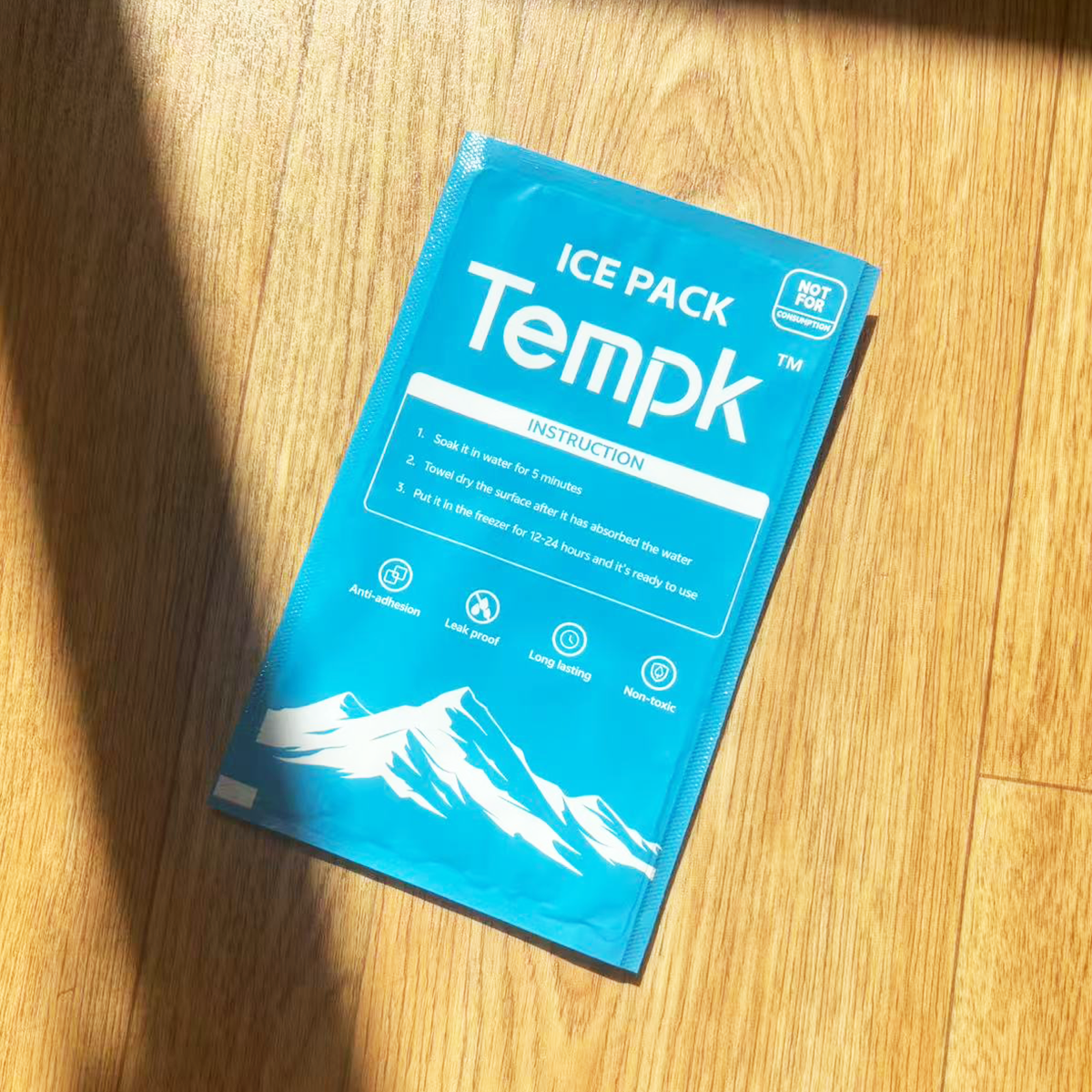
Tempk est le emballage chaîne du froid marque de Shanghai Tempk Industrial Co., Ltée. Nous offrons packs de gel, packs de glace sec, briques de glace pour congélateur, Boîtes isolées EPP, boîtes d'expédition à froid, Réfrigérateurs médicaux VPU, doublures isolées, couvertures de palettes, et matériaux d'emballage associés. Pour les programmes de fabrication de glacières en mousse haute densité, nous pouvons vous aider à revoir la boîte, liquide de refroidissement, charge utile, et acheminer les hypothèses avant qu'un échantillon ne soit transféré vers des achats plus larges.
Envoyez à Tempk votre itinéraire, charge utile, exigence de température, et étape d'achat pour comparer les options appropriées du fabricant de glacières en mousse haute densité avant de passer de l'échantillon à la commande en gros.