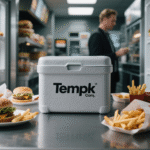
Fiberboard insulated boxes might look like ordinary cartons, yet they play a vital role in today’s temperature-controlled logistics. Dans ce 2026 guide you’ll learn how these boxes slow heat transfer, why they’re gaining favour over foam containers, et comment choisir, use and maintain them. By the end you’ll understand how a fiberboard insulated box helps your shipments arrive safely and how upcoming innovations can benefit you.
Cet article répondra:
What a fiberboard insulated box is and how it keeps products cold (long-tail keyword: fiberboard insulated box thermal design)
Key differences between fiberboard and foam insulated boxes (long-tail keyword: fiberboard vs foam insulated box)
How to pick the right box size, insulation thickness and cooling medium (long-tail keyword: choose fiberboard insulated box)
Best practices for packing and monitoring your shipments (long-tail keyword: fiberboard insulated box packing tips)
Cost and sustainability benefits of fiberboard insulated packaging (long-tail keyword: fiberboard box cost and sustainability)
Trends and innovations shaping cold-chain packaging in 2026 (long-tail keyword: 2026 Tendances de la chaîne du froid)
What Is a Fiberboard Insulated Box and How Does It Work?
Direct explanation
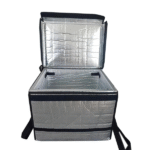
A fiberboard insulated box combines a corrugated paperboard outer shell with internal insulation layers that slow heat transfer. The rigid fiberboard provides stacking strength and protects the contents from mechanical damage, while the insulation traps air or uses reflective barriers to reduce conduction, convection et rayonnement. This dual-layer design prevents rapid temperature swings during transit, particularly on short-to-medium routes. Many shippers appreciate these boxes because they are lightweight, cost-effective and easy to customise for different payloads.
Explication élargie
Imagine your product wearing a winter coat. The outer corrugated fiberboard is like the coat’s fabric: it gives the package its shape and allows it to be stacked on pallets without collapsing. À l'intérieur, the insulation layer functions like the coat’s stuffing or lining, trapping pockets of air and reflecting heat. When a box passes through a hot warehouse or sits on a sunny tarmac, the insulation slows the flow of heat into the interior, keeping your goods within their required temperature range. Shippers value this combination because fiberboard is widely recyclable and the boxes can be produced flat, économie 75 % of storage space compared with rigid foam containers. En pratique, these boxes are suitable for fresh meal kits, diagnostic samples and other products that need refrigeration for 24–72 hours.
Materials used in fiberboard insulated boxes
| Matériel d'isolation | Épaisseur typique | Thermal benefit | Ce que cela signifie pour vous |
|---|---|---|---|
| EPS foam liner | 20–40mm | Provides good thermal resistance and is inexpensive | Suitable for short-duration shipments (24–48 heures); often paired with gel packs |
| Recycled paper insulation | 25–50 mm | Offers moderate insulation and a better sustainability profile | Ideal for companies with eco-friendly goals; recyclable via curbside programmes |
| Reflective foil liner | 5–10 mm | Controls radiant heat by reflecting heat away | Particularly useful in hot climates or during summer shipping |
| Hybrid insulation | Variable | Balances thermal protection and packaging weight | Allows custom solutions for mixed routes or varying transit times |
Conseils pratiques et scénarios d'utilisation
Itinéraires courts (24–48 heures): Choose EPS or recycled paper insulation combined with gel packs. The moderate insulation keeps costs down while ensuring product safety.
Urban last-mile deliveries: Opt for thinner insulation to reduce box size and freight cost. Reflective foil liners are helpful for parcels exposed to direct sunlight.
Objectifs de durabilité: Select recycled fiber insulation over plastic foam to lower environmental impact. Paperboard cartons are recyclable and biodegradable, aligning with corporate sustainability targets.
Exemple concret: A meal-kit provider found that switching to thicker fiberboard insulation during the summer cut spoilage by 18 % without increasing freight costs. Such practical adjustments demonstrate how selecting the right box can have a measurable impact on quality and profitability.
Insights for you
Use the R-value—a measure of thermal resistance—to guide insulation choice. For longer shipments or extreme ambient temperatures, choose liners with an R-value of 3.5 or higher, which extend the time the box can maintain safe temperatures.
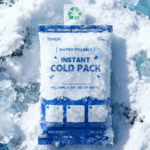
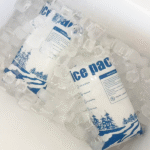
Match insulation type with the correct cold source. Gel packs work well for chilled shipments (2–8 ° C), while dry ice is suitable for frozen goods requiring -15 °C à -25 °C or even lower.
Don’t forget to pre-condition products by cooling them to the desired temperature before packing. This simple step reduces the initial heat load and helps coolants last longer.
Why Choose Fiberboard Insulated Boxes Over Foam Containers?
Direct explanation
Fiberboard insulated boxes are gaining popularity because they balance insulation, poids, coût et durabilité. Foam containers (such as expanded polystyrene or polyurethane) offer excellent thermal performance but are heavier, bulky and difficult to recycle. En revanche, fiberboard boxes deliver “good enough” protection for many cold-chain scenarios without the expense or environmental burden of high-end containers.
Expanded comparison
Traditional foam coolers are like heavy winter boots: they provide robust protection but are bulky and expensive. Fiberboard boxes act more like running shoes—lightweight, easy to carry and versatile. Foam boxes often hold temperatures for 48–120+ hours, making them appropriate for multi-day shipments and ultra-cold goods. Cependant, this performance comes with trade-offs: foam containers require specialised recycling, occupy significant warehouse space and have higher unit costs. Inversement, fiberboard boxes offer 24–72 hours of thermal protection—sufficient for most last-mile delivery and regional distribution. They can be shipped flat, reducing inbound freight and storage volume, and are compatible with curbside recycling programmes, enhancing sustainability.
Key advantages at a glance
Lightweight and easy to handle – fibreboard boxes are lighter than rigid plastic or foam containers, reducing lifting risks and shipping costs.
Customisable – manufacturers can tailor box dimensions, liner thickness and printing to match your product’s size and brand requirements.
Lower upfront cost – fibreboard materials and simple manufacturing methods result in lower unit prices than advanced insulated containers.
Curbside recyclability – most paperboard cartons can be recycled through municipal paper recycling streams, making them appealing to sustainability-focused brands.
Space efficiency – boxes ship and store flat, saving warehouse space and reducing freight costs.
When they may not be ideal
Extended international transit – shipments lasting more than three days or requiring precise temperature control (Par exemple, -70 °C for some vaccines) are better served by foam or active (powered) conteneurs.
Ultra-low temperatures – high-value biologics or gene therapies requiring -80 °C may need active refrigeration or vacuum insulated panels (Vips) rather than fiberboard.
High humidity or repeated reuse cycles – moisture can weaken paperboard over time; foam or plastic cases handle condensation better.
Cost and performance comparison
| Fonctionnalité | Fiberboard insulated box | Foam insulated box | Impact sur vos opérations |
|---|---|---|---|
| Typical thermal duration | 24–72 heures | 48–120+ hours | Choose fiberboard for regional deliveries; choose foam for multi-day or international routes |
| Poids | Plus léger | Plus lourd | Lower freight costs and easier handling with fiberboard |
| Recyclabalité | Recyclable via paper streams | Requires specialised recycling | Fiberboard supports sustainability programmes |
| Cost per unit | Inférieur | Plus haut | Improves margin in high-volume shipping |
| Résistance à l'humidité | Modéré | Haut | Foam performs better in humid conditions |
Practical advice for selection
If your shipments are primarily within a country or region and last less than 48 heures, fiberboard provides reliable protection with a low carbon footprint.
For cross-border shipments or remote destinations requiring multi-day transit, foam or vacuum insulated panels may be necessary despite higher cost.
Assess your total cost of ownership (prix unitaire, stockage, disposal and potential damage rates) instead of focusing on acquisition cost alone.
How to Select the Right Fiberboard Insulated Box for Your Shipment
Direct explanation
Choosing the correct fiberboard insulated box involves matching your product’s temperature requirements, transit time and dimensions to available packaging options. Déterminez la plage de température requise (Par exemple, 2–8 °C for many vaccines or 0–4 °C for fresh food), estimate transit time (y compris les retards potentiels) and calculate payload size. Then select insulation type and thickness that achieve the desired performance. Confirm that the supplier can meet your volume and lead-time requirements.
Step-by-step selection process
Define the temperature range. Most chilled products such as vaccines and meal kits must stay between 2 °C et 8 °C; frozen goods may require -15 °C à -25 ° C ou plus bas.
Estimate transit duration, including hand-offs and potential delays. Consider worst-case scenarios like traffic, weather or customs hold-ups, as these factors can extend shipping time by several hours or days.
Calculate payload size and weight. Ensure there’s space for coolants around the product. Over-packing can obstruct airflow, leading to temperature stratification.
Select the insulation type. Match the insulation thickness and material to your temperature and sustainability goals; thicker foam or hybrid liners deliver longer performance.
Choose the cold source. Gel packs are suitable for chilled shipments, while dry ice is required for deep-frozen shipments. Use enough cold source to compensate for external heat loads.
Request samples and perform thermal validation tests. Run simulated shipping trials to confirm the box meets regulatory standards and internal quality expectations.
Negotiate pricing and lead times. Compare suppliers based on quality certifications (ISO, N'IMPORTE LEQUEL), minimum order quantities and responsiveness. Look for partners who provide performance data.
Erreurs courantes pour éviter
Undersizing insulation: using thin liners during summer may cause temperature excursions.
Ignoring humidity: moisture can degrade paperboard; use water-resistant coatings or liners in humid conditions.
Skipping validation tests: always perform thermal profiling before full-scale deployment.
Real-world considerations
When selecting a fiberboard insulated box for vaccines, remember that most vaccines must be kept within 2 °C à 8 °C; some require even colder conditions such as -15 °C à -25 °C or ultra-cold -70 °C. The World Health Organization’s cold-chain guidelines emphasise maintaining these ranges across all stages of distribution. Failing to maintain proper temperature can compromise vaccine efficacy and waste public health resources.
Best Practices for Packing and Shipping with Fiberboard Boxes
Direct explanation
Proper packing and handling are crucial to maximising the thermal performance of a fiberboard insulated box. Pre-cool products and coolants, assemble the box correctly, place coolants strategically and seal all gaps. Monitor temperature during transit to spot excursions early.
Bonnes pratiques d'emballage
Pre-condition products. Cool or freeze items to the target temperature before packing to reduce the heat load on the box.
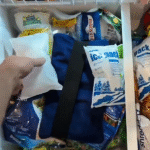
Use appropriate cold sources. Gel packs maintain 2–8 °C for chilled shipments; dry ice can keep goods frozen at -78.5 °C. Place cold packs evenly around the payload, ensuring some on top to allow cold air to descend naturally.
Remplir les vides. Use void fillers (Par exemple, crumpled paper or foam inserts) to prevent movement and maintain consistent cooling.
Seal seams. Ensure flaps and seams are closed tightly with tape to reduce air leakage.
Étiqueter clairement. Mark the box with handling instructions (“Keep Refrigerated,” “Do Not Freeze”) and use temperature indicators or data loggers.
Handling and storage tips
Store boxes in a cool, dry area to prevent moisture absorption and maintain box strength.
Avoid excessive stacking. Paperboard can be crushed if stacked too high; follow manufacturer’s stacking guidelines.
Inspecter avant utilisation. Discard boxes with water damage, tears or punctures to avoid compromised insulation.
Monitoring during transit
Passive packaging relies on insulation and coolants without active power. Use temperature loggers or indicators inside the box to monitor temperature excursions. Data loggers record temperature throughout the journey and provide proof of compliance with regulatory standards. For high-value shipments, consider real-time monitoring systems that send alerts when temperatures deviate from set points.
Considérations réglementaires
Bonnes pratiques de distribution (PIB) and WHO guidelines require validation of temperature-controlled packaging. They emphasise training personnel, maintaining equipment and monitoring temperatures from manufacture to administration.
FDA and CDC guidelines for vaccine distribution emphasise keeping vaccines within 2–8 °C or appropriate frozen ranges and using validated packaging systems.
Quality certifications like ISTA 7D and 7E provide standardised test methods for evaluating thermal packaging performance. Partner with suppliers who provide test data and documentation.
Cost and Sustainability Benefits of Fiberboard Insulated Boxes
Direct explanation
Fibreboard insulated boxes are cost-effective because they use abundant materials and require simpler manufacturing than high-end insulated containers. Unit prices typically range from US$3 to US$15 per box, selon la taille, insulation thickness and order volume. When you order in bulk and standardise sizes, you reduce per-unit costs even further.
Factors affecting cost
| Facteur de coût | Impact on price | Ce que tu peux faire |
|---|---|---|
| Tailles | Larger boxes require more material and have higher shipping costs | Choose the smallest box that accommodates your product plus coolant. |
| Épaisseur de l'isolation | Thicker insulation provides longer protection but increases material cost | Match liner thickness to transit duration; avoid over-insulating short trips. |
| Order volume | Higher volumes lower unit prices due to economies of scale | Consolidate purchases and negotiate long-term contracts. |
| Personnalisation | Printing and branding add cost | Evaluate branding needs; use standard print designs for cost-sensitive shipments. |
| Certifications | Boxes certified by FDA or ISTA require extra testing | Use certified boxes only when regulatory requirements demand it. |
Sustainability advantages
Matériaux recyclables: Paperboard boxes are curbside recyclable, aligning with corporate sustainability goals and reducing landfill waste.
Empreinte carbone réduite: Shipping boxes flat saves space and reduces emissions associated with transportation and warehousing.
Lower plastic use: Choosing fiberboard over foam reduces reliance on petroleum-based materials.
Market trend: The global paperboard cold-chain cartons market is projected to grow from US$740 million in 2026 to US$1.88 billion by 2036 à un 9.8 % TCAC. This growth reflects the increasing demand for eco-friendly, efficient packaging solutions in temperature-controlled logistics. Insulated paperboard cartons dominate the packaging format segment with a 45 % share because they offer superior thermal performance and lightweight nature.
Recommandations pratiques
Standardise box sizes across product lines to maximise manufacturing efficiency and reduce waste.
Join recycling programmes to ensure post-use boxes are recovered and processed.
Communiquer sur la durabilité. Use on-pack messaging to inform customers about recyclability, enhancing your brand’s environmental credibility.
Perspicacité du marché: Research shows that fresh food and pharmaceutical logistics lead the adoption of paperboard cold-chain cartons with a 40 % part de marché, while insulated paperboard cartons hold 45 % of the format segment. Asie-Pacifique, North America and Europe are the fastest-growing regions for this eco-friendly packaging.
2026 Tendances: Innovation and the Future of Fiberboard Insulated Boxes
Aperçu de la tendance
The cold-chain industry evolves rapidly, et 2026 brings notable innovations that enhance the performance and sustainability of fiberboard insulated boxes. Market analysts forecast continued growth in paperboard cold-chain cartons, driven by eco-conscious consumers, regulatory pressures and technological advancements. Manufacturers are introducing new materials, structural designs and digital integrations to meet these demands.
Derniers développements en un coup d'œil
Bio-based insulation materials: Research teams are exploring natural fibres (such as kenaf and hemp) combined with recycled paper to achieve higher R-values without synthetic foams. These materials offer comparable thermal performance while improving biodegradability.
Smart temperature indicators: Cost-effective indicators change colour or display a QR code when internal temperatures leave the safe range, enabling quicker interventions.
Reusable flat-pack solutions: Some suppliers are developing fiberboard boxes with water-resistant coatings and reinforced corners so they can be reused multiple times before recycling, extending product life and reducing waste.
Integration with IoT sensors: Data loggers are getting smaller and cheaper, allowing real-time temperature monitoring via cellular networks. This transparency improves compliance with GDP and WHO guidelines.
Systèmes d'emballage hybrides: Combining fiberboard shells with thin vacuum insulated panels (Vips) ou matériaux à changement de phase (PCMS) extends thermal performance while keeping weight and cost manageable.
Insistance au marché
The push toward sustainable packaging is not just a trend; it reflects a structural shift in supply chains. E-commerce growth, increasing demand for home delivery of perishable foods and greater distribution of temperature-sensitive medicines are all expanding the addressable market. Analysts project that by 2036, insulated paperboard cartons will remain the dominant format with a 45 % part de marché, highlighting their lasting appeal. Companies that invest in innovative packaging solutions will gain a competitive edge by reducing spoilage, meeting regulatory requirements and strengthening their environmental credentials.
Questions fréquemment posées
Q1: How does a fiberboard insulated box differ from a regular cardboard box?
A standard cardboard box lacks insulation; it offers minimal thermal protection. A fiberboard insulated box includes internal insulation—foam, paper or foil—that slows heat transfer and maintains temperature for 24–72 hours.
Q2: Can fiberboard boxes keep vaccines cold?
Oui, provided transit times are short (usually less than 48 heures) and sufficient gel packs or dry ice are used. La plupart des vaccins doivent rester entre 2 °C et 8 °C; passive packaging is suitable for these ranges but may not meet -70 °C requirements for some mRNA vaccines.
Q3: What size and insulation thickness should I choose?
Choose the smallest size that fits your product and cold source comfortably. Pour les expéditions plus longues que 48 hours or those exposed to high ambient temperatures, select thicker insulation with an R-value ≥ 3.5.
Q4: Are fiberboard insulated boxes environmentally friendly?
Oui. They are made from renewable materials, can be recycled via paper recycling streams and have a lower carbon footprint than foam containers. Some suppliers now use bio-based insulations to enhance sustainability further.
Q5: How do I dispose of a fiberboard insulated box after use?
Remove any plastic film or foam inserts, then flatten and recycle the fiberboard portion through curbside recycling. If the liner is foil or foam, check with local recycling facilities for proper disposal.
Résumé et recommandations
Dans le 2026 cold-chain landscape, fiberboard insulated boxes provide a practical balance of thermal protection, cost efficiency and environmental responsibility. Their corrugated outer shell combined with internal insulation slows heat transfer, giving 24–72 hours of temperature control—ideal for fresh food, pharmaceuticals and diagnostic kits. Compared with foam containers, fiberboard boxes are lighter, ship flat and are recyclable, reducing both freight costs and environmental impact. Selecting the right box involves considering temperature range, durée du transit, Taille de la charge utile, insulation type and cold source. Proper packing, validation testing and adherence to GDP/WHO guidelines ensure safe and compliant shipments. Market trends indicate continued growth in insulated paperboard cartons, with innovations such as bio-based materials and smart indicators enhancing performance.
Prochaines étapes réalisables (CTA)
Assess your cold-chain requirements. Determine your shipment durations and temperature ranges to see if fiberboard boxes meet your needs.
Request samples from reputable suppliers and run thermal validation tests. Look for certifications like ISTA 7E and performance data that matches your use case.
Optimise your packing process. Pre-cool products, use sufficient cold sources and monitor temperatures to minimise spoilage.
Intégrer la durabilité. Choose recyclable materials and communicate your eco-friendly efforts to customers.
Restez informé des nouveautés. Watch for emerging materials, smart indicators and hybrid designs that can extend thermal performance while reducing environmental impact.
À propos du tempk
At Tempk we specialise in designing cold-chain packaging solutions that balance performance, coût et durabilité. Our fiberboard insulated boxes are engineered with multi-layer insulation to maintain safe temperatures and are 75 % space-efficient when stored flat. We continuously validate our products to meet GDP and WHO guidelines, and we provide responsive support to help you select the right box.
Prochaine étape: Reach out to our cold-chain specialists to discuss your shipment requirements and obtain sample boxes tailored to your application.